10 strange and brilliant concepts of the afterlife you’ve never heard of
What happens when the physical body finally calls it quits? Death is a scary topic, but it’s also incredibly popular. As per the Pew Research Center, a whopping 70% of Americans believe in some form of life after death. This belief is much higher in the U.S. than in Europe, where only 38% of Swedes believe there’s anything waiting after death.
Even more surprisingly, 86% of U.S. adults believe humans have a distinct soul. While most folks envision traditional pearly gates, some wilder theories suggest reality is far more bizarre. A quick look at the numbers shows this trend.
These stats show a deep human hunger for continuity. Immanuel Kant famously wrote that “no noble sentiment” could tolerate the thought that everything ends with death. Consciousness doesn’t like the idea of a full stop. Fortunately, science, philosophy, and history offer some mind-melting alternatives.
The quantum immortality escape route
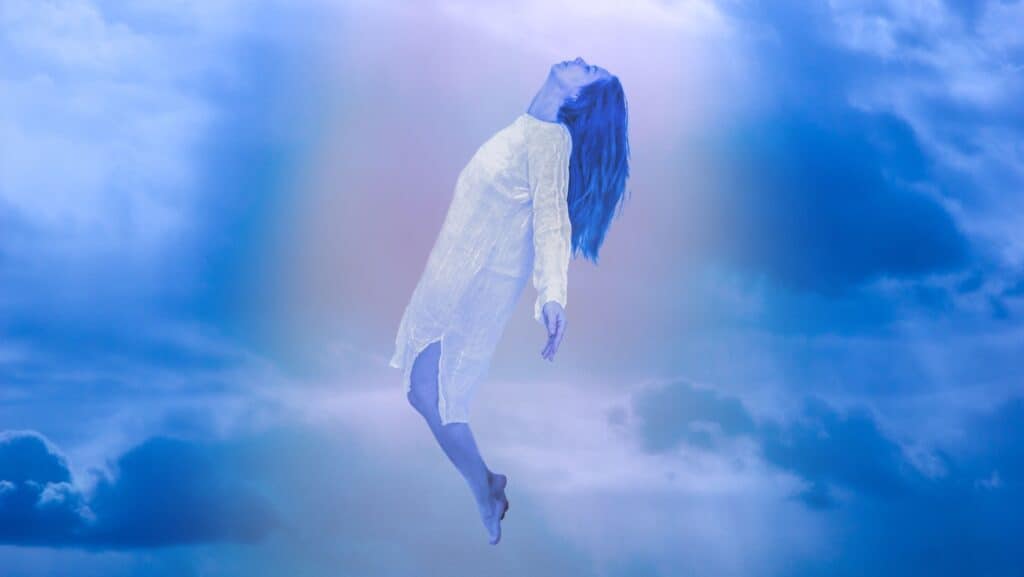
This theory claims that a conscious observer can never actually experience death. It relies on Hugh Everett’s Many-Worlds Interpretation of quantum mechanics, where every decision splits the universe.
If a person is involved in a fatal car crash, the universe splits. While death occurs in one branch, the first-person consciousness simply slides into a parallel timeline where the crash was a near-miss. It’s like a cosmic video game with infinite respawns.
Biocentrism and the mind-created universe
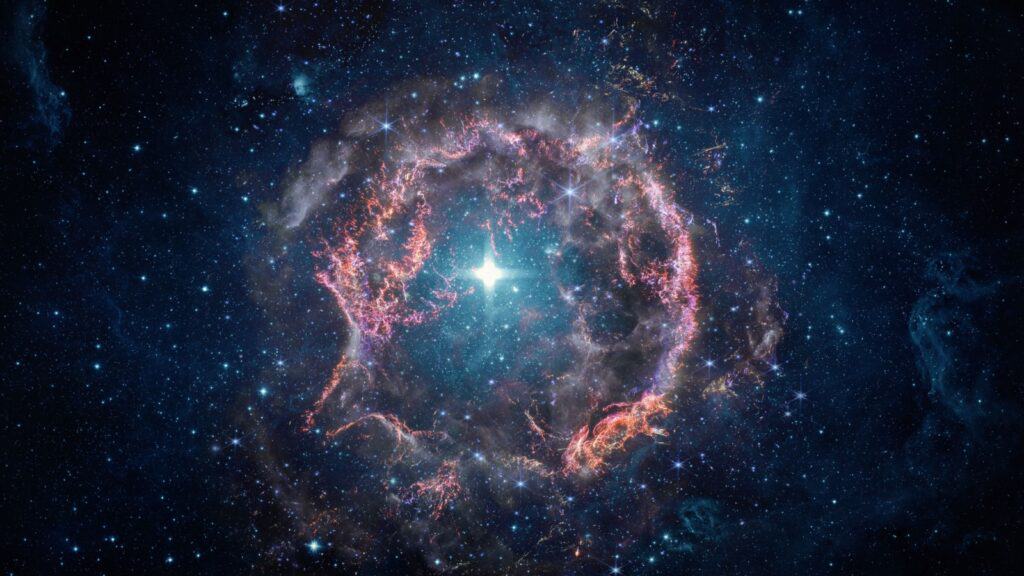
Biocentrism flips the script by arguing that life creates the universe, not the other way around. Developed by Robert Lanza, this theory claims that space and time are merely mental constructs.
Because energy can’t be created or destroyed, the brain’s electrical charge must go somewhere. At death, the linear stream of time breaks, and consciousness simply shifts reference points to a different universe. It’s basically like changing channels on a TV.
The simulation theory’s digital reboot

If reality is just code running on a massive server, death is basically a software update. The mind might be a complex pattern of data stored in a higher dimension.
Death could mean logging off an avatar, getting a code deletion, or waking up in a higher-level simulation. Leftover data artifacts from previous runs might even explain why some people recall past lives.
It’s a comforting thought for tech-loving professionals who prefer computers to clouds.
The cosmic egg theory and the single-soul cycle
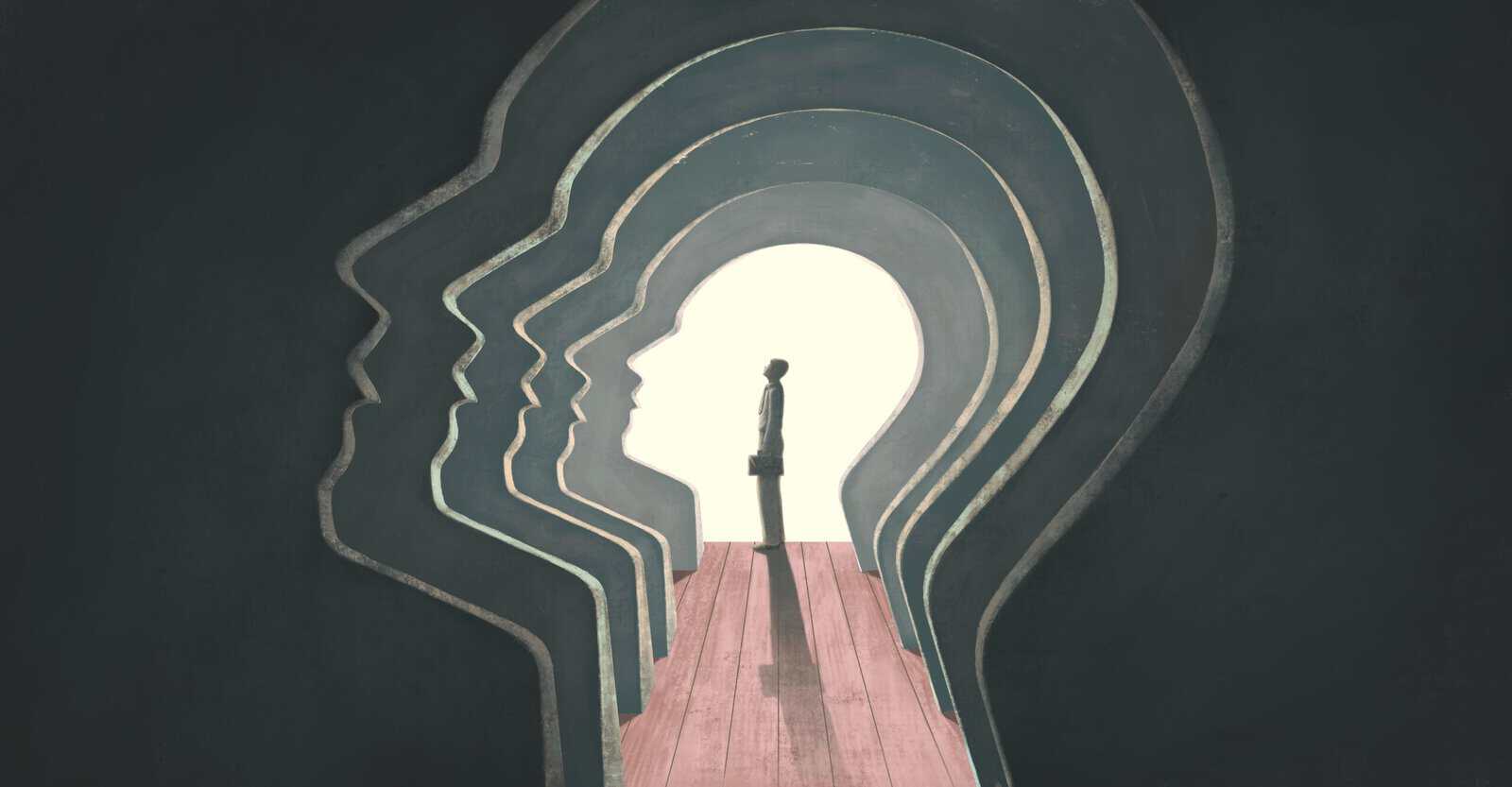
This concept suggests that there is only one single soul in the entire universe. Based on Andy Weir’s famous short story “The Egg,” the universe was built as a nursery.
The soul keeps reincarnating, moving forward and backward through time, to live every single human life that has ever existed. Every act of kindness or cruelty is literally done to another version of the same soul. Once the soul experiences everything, the cosmic egg cracks open, and a new god is born.
Mictlan and the rugged nine-level road

Ancient Aztecs believed that dying of natural causes was just the start of a grueling four-year hike. The deceased must cross nine terrifying levels of the underworld, known as Mictlan.
Along the way, souls face crashing mountains, freezing winds that scrape off flesh, and a heart-eating jaguar. A loyal psychopomp dog helps worthy travelers cross a dark river at the very beginning. After completing the trials, the soul dissolves back into the earth’s cosmic energy.
The Omega Point computational resurrection

What if God isn’t a mystical spirit, but a supercomputer at the very end of time? Physicist Frank Tipler argued that the laws of physics require intelligent life to eventually control all matter in the universe.
During a final “Big Crunch” collapse, computational power spikes to infinity. This future superintelligence then runs perfect digital simulations of every human who ever lived. It’s a high-tech resurrection where code brings the dead back to life in a simulated paradise.
Natural eternal consciousness and the final frozen second
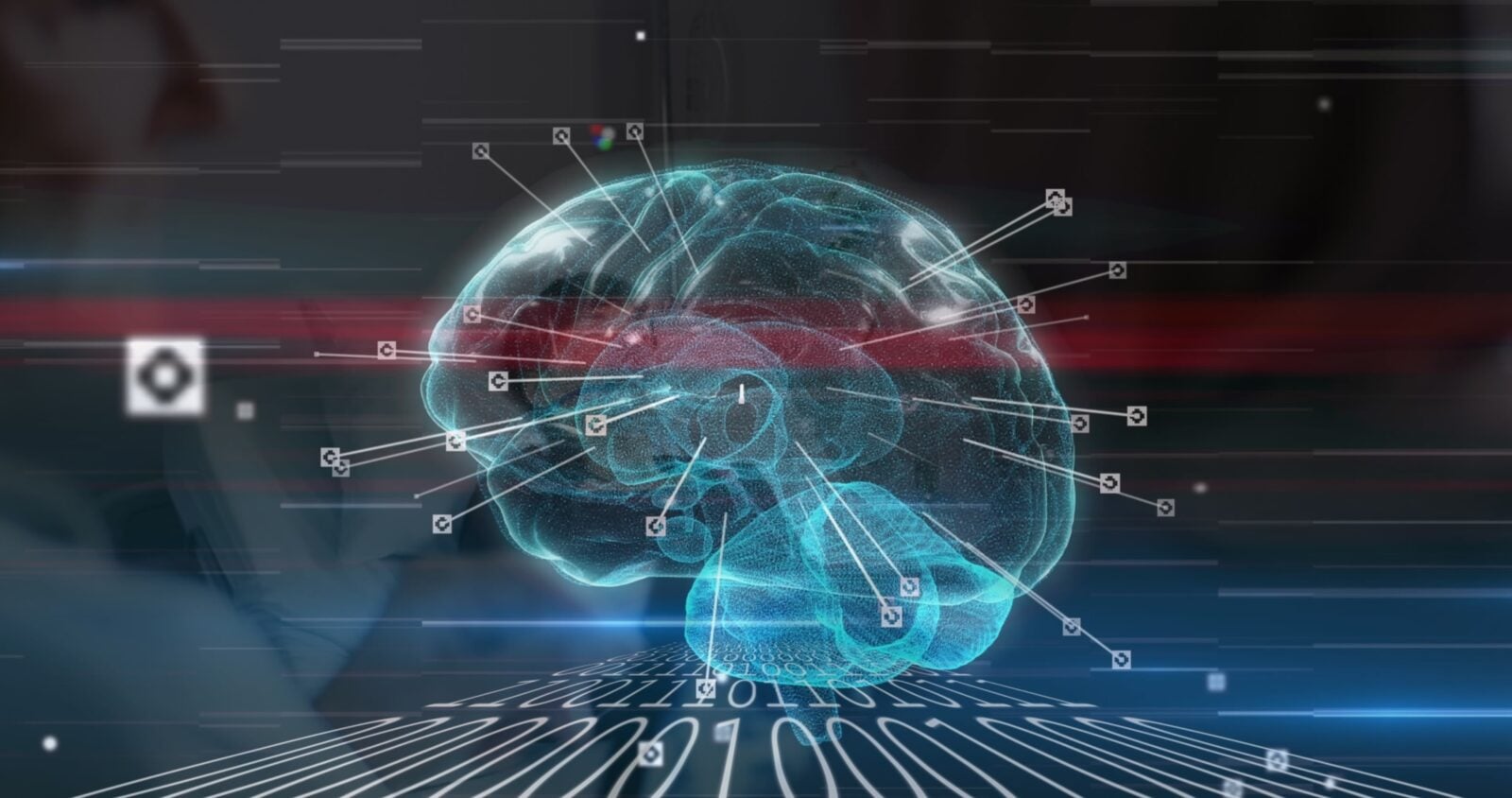
This theory suggests that the afterlife is a psychological trick played by a dying brain. As the body shuts down, time perception completely breaks.
Because the mind never receives a message that the next second is missing, the very last conscious moment is frozen forever. Researcher Stuart Hameroff notes that patients under general anesthesia “experience no passage of time,” suggesting the brain can drop out of time entirely.
It’s a completely natural afterlife that requires no ghosts or gods.
The Tibetan bardo states and mental projections
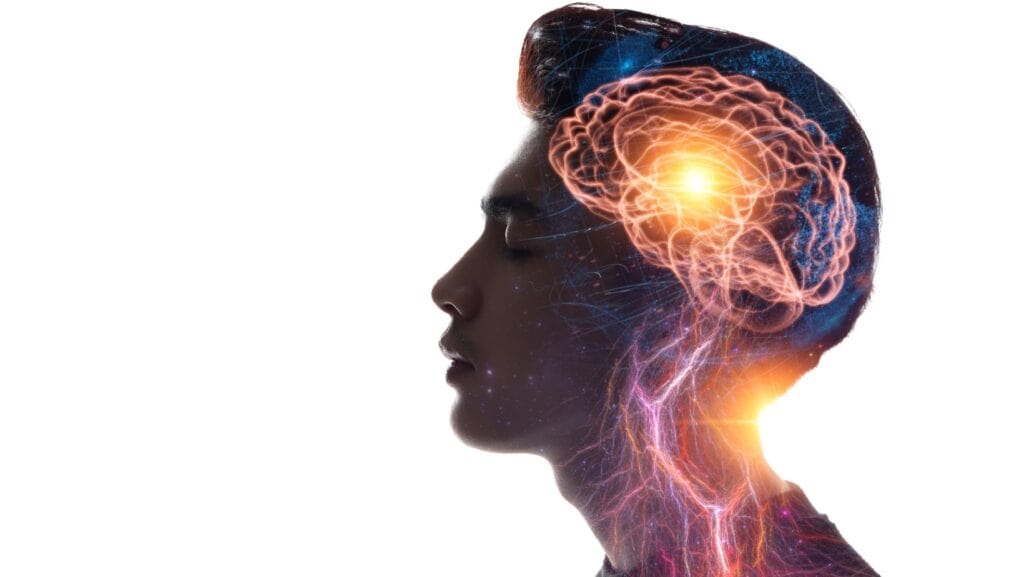
Tibetan Buddhism teaches that death is a forty-nine-day journey through the mind’s deepest layers. Upon dying, the soul faces a blinding, pure light that offers instant spiritual liberation.
If the soul panics, it enters a state of wild visions featuring both peaceful and terrifying, blood-drinking deities. These monsters are just mental projections of the traveler’s own past karma.
Unless the mind stays perfectly calm, the winds of karma eventually blow the soul into a new womb.
Panpsychist dissolution into the cosmic ocean
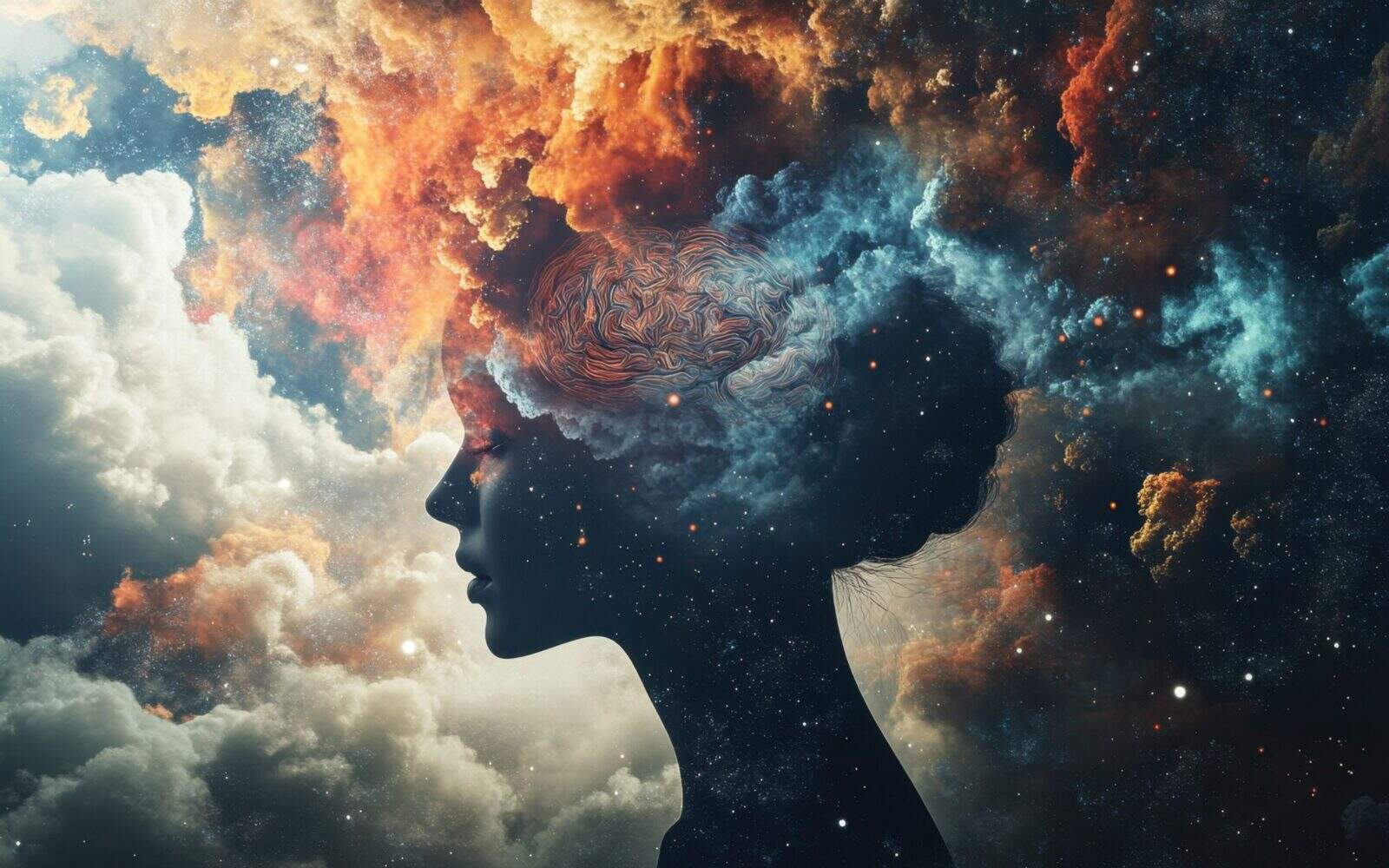
Panpsychism suggests that consciousness is built into the very fabric of matter. When a human dies, the brain’s complex physical organization breaks down.
The unified “human” experience ceases, but the body’s conscious atoms don’t disappear. In this view, death is simply a transition from a personal drop of water back into the vast ocean of consciousness.
Boltzmann brains floating in the cosmic void
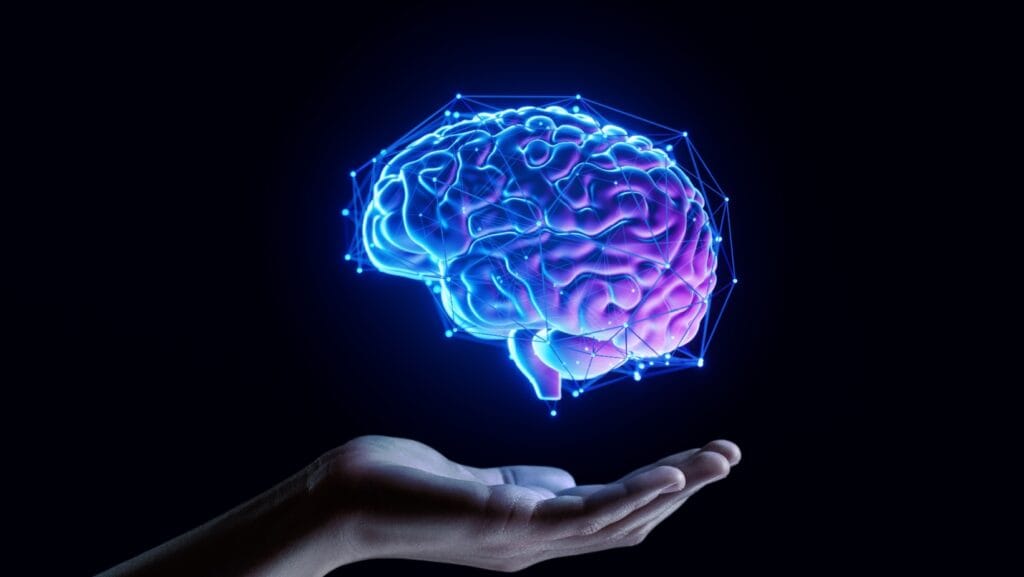
This mind-bending physics concept suggests a brain can spontaneously materialize in empty space. Over an eternity of thermal equilibrium, random quantum fluctuations can assemble a fully formed brain.
This floating brain would exist for a brief second, packed with false memories of a life on Earth, before vanishing. Some cosmologists warn that in an infinite universe, these floating observers could theoretically outnumber normal humans.
It’s a terrifying thought, but it shows how weird a purely materialist cosmos can get.
Key takeaway

While traditional heaven and hell remain popular, science and philosophy offer some truly wild alternatives. Virtual reality research even shows that exploring these concepts can slash death anxiety by 75%.
Ultimately, these ideas suggest that death isn’t a scary dead-end, but a grand transition to the next wild chapter.
Disclaimer – This list is solely the author’s opinion based on research and publicly available information. It is not intended to be professional advice.
Like our content? Be sure to follow us