12 reasons why the rhythm of life doesn’t actually stop at a heartbeat
The human heart beats roughly 100,000 times a day and more than 35 million times a year. A normal resting heart rate for adults ranges between 60 and 100 beats per minute, though athletes can dip far lower because their hearts pump blood more efficiently. Cardiovascular diseases remain the world’s leading cause of death, claiming nearly 20 million lives annually, according to the World Health Organization.
Yet despite the symbolic power of a heartbeat, life’s rhythm is much larger than the pulse in your chest. Biology, memory, emotion, society, technology, and even nature continue moving long after a single beat fades. The heartbeat may mark existence, but it does not define the totality of life.
Here are 12 reasons why the rhythm of life doesn’t actually stop at a heartbeat.
The heart is a drummer, not the whole band

The heartbeat gives life its most obvious beat, but the brain helps run the show from the control booth. The National Institute of Neurological Disorders and Stroke explains that the hindbrain controls vital functions such as respiration and heart rate, so the heart does not work like a lonely little engine pumping away without a manager. That matters because the rhythm of life starts to look less like one sound and more like a messy, brilliant orchestra.
Think of the heart as the drummer who keeps everyone honest, then picture the brain, lungs, blood vessels, hormones, and muscles as the rest of the band trying not to miss their cues. Heart health deserves serious attention, especially since cardiovascular disease claimed 941,652 U.S. lives in 2022, but life itself stretches beyond one organ’s pulse.
Ever checked your pulse after bad news, strong coffee, or a parking ticket? Exactly, your heart reacts, but your whole body participates.
CPR proves rhythm can return when people act fast

Cardiac arrest sounds final because the heart suddenly stops beating effectively, but an emergency response can change the rhythm fast. The American Heart Association reports that more than 350,000 out-of-hospital cardiac arrests happen in the U.S. each year, and survival remains brutally low, with about 9 in 10 people not surviving. Still, the same organization says immediate CPR can double or triple a person’s chance of survival, which makes bystanders part of the rhythm too.
That statistic gives the phrase “life doesn’t stop at a heartbeat” a very practical meaning, not a greeting-card one. A stopped heartbeat does not always end the medical fight, because chest compressions can keep blood moving until defibrillation, emergency care, or hospital treatment takes over.
Would I rather never need this knowledge at a grocery store, gym, airport, or family cookout? Absolutely, but learning CPR beats standing around with panic and vibes as your only tools.
The brain can stay louder than we once assumed
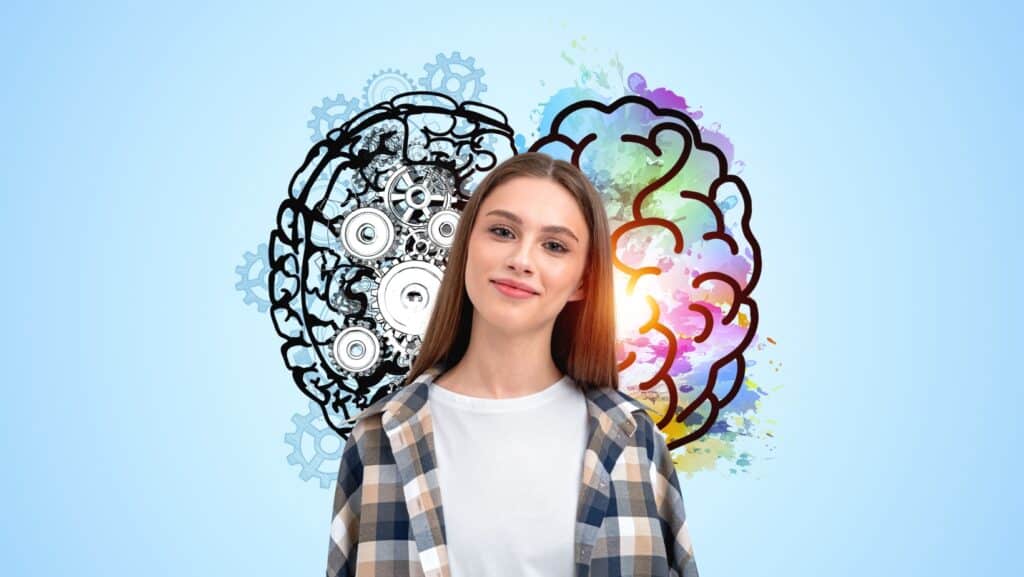
Research on cardiac arrest has made the old “heart stops, story instantly ends” idea seem overly simplistic. NYU Langone reported that, in a study across 25 mostly U.S. and British hospitals, some CPR survivors showed brain-wave patterns linked to thought and memory up to an hour after their hearts stopped.
The same study found that 4 in 10 survivors recalled some degree of consciousness during CPR, which sounds like science politely tapping us on the shoulder and saying, “Hey, this is more complicated.”
That does not prove every dramatic afterlife theory your uncle shares at Thanksgiving, so let’s keep both feet on the floor. It does show that the early phase of death, resuscitation, and brain activity deserves careful respect instead of cartoon-simple assumptions.
If the heart drops its beat, the brain may still produce signals during emergency treatment, making the rhythm of life feel less like a light switch and more like a dimmer, with doctors racing against time.
Your body keeps time through circadian clocks

Your heart beats all day, but your body also follows a 24-hour rhythm that shapes sleep, hormones, appetite, digestion, and temperature. The National Institute of General Medical Sciences says nearly every tissue and organ in humans has its own circadian rhythm, and those rhythms respond to light, darkness, food, stress, physical activity, social environment, and temperature. Translation: your body owns more clocks than a hotel lobby, and most of them care deeply about your bedtime.
This matters for a USA audience living on late-night screens, shift work, energy drinks, and “just one more episode” lies. Your heartbeat may keep time, but your circadian rhythm tells your body when to repair, rest, digest, wake, and move. Ever felt useless after a bad night of sleep, even though your heart worked perfectly fine? That is your internal clock filing a formal complaint.
Sleep resets more than your mood

Sleep gives life a nightly rhythm that Americans keep trying to negotiate with, usually poorly. CDC data from the 2024 National Health Interview Survey found that 30.5% of U.S. adults slept less than seven hours in a 24-hour period, and only 54.8% woke up feeling well-rested most days or every day. That means millions of people drag themselves through mornings on caffeine, hope, and a suspicious amount of “I’m fine.”
The heartbeat may continue during sleep, but the body uses that time to reset systems that daytime life keeps poking with a stick. Poor sleep links with obesity and depression, and the CDC report notes that sleep difficulties include trouble falling or staying asleep. So yes, your heart can keep beating at 2 a.m., but if your brain keeps replaying one awkward email from 2019, your rhythm has clearly lost the plot.
Blood pressure turns every beat into a full-body signal

Every heartbeat sends force through your arteries, and blood pressure tells us how hard that force pushes. CDC-linked data from the National Center for Health Statistics shows that 47.7% of U.S. adults had hypertension during August 2021 through August 2023, with prevalence climbing sharply by age. That means nearly half of adults have a rhythm problem that often goes unnoticed until it causes real damage, because apparently, the body loves suspense.
High blood pressure proves that life’s rhythm does not stop at the beat itself, because the beat’s pressure and timing matter just as much. The American Heart Association’s 2025 statistics update also lists nearly 47% of U.S. adults with high blood pressure, along with rising obesity and diabetes concerns. A heartbeat can sound steady, but the arteries may still tell a very different story.
Breathing runs its own quiet metronome

Breathing gives life another rhythm, and it often tells the truth before we do. MedlinePlus lists a normal adult resting breathing rate at 12 to 20 breaths per minute, which means the average person takes thousands of breaths a day without applauding the lungs once. We notice breathing only when it changes, like after stairs, anxiety, laughter, illness, or the shocking realization that groceries now cost as much as a weekend trip.
The brain and lungs keep this rhythm moving, and that rhythm feeds the heart with oxygen-rich blood. That is why a heartbeat alone cannot carry the whole meaning of life, because the beat needs breath to make it matter. Ever taken one slow breath and felt your shoulders drop like they just quit a toxic job? That tiny moment shows how breath, nerves, and heart rhythm keep talking.
Movement teaches your body a steadier beat

Movement changes the rhythm of life in a way you can actually feel. In 2024, only 47.2% of U.S. adults met federal guidelines for aerobic physical activity, and the percentage declined with age, from 54.0% among adults ages 18 to 34 to 38.4% among adults ages 65 and older. That trend says a lot about American life, where many people sit for work, sit in traffic, sit at dinner, then sit again to recover from all the sitting.
Exercise trains the heart, lungs, muscles, brain, and blood vessels to handle stress with more grace. The National Center for Health Statistics notes that physical activity helps reduce blood pressure, lowers the risk of chronic disease, and improves sleep, making movement a full-body rhythm upgrade. You do not need to cosplay as an Olympic athlete either, because even a brisk walk can tell your body, “Hey, we still live here.”
Your gut microbes keep their own schedule
The gut adds one of the body’s strangest rhythms, and yes, it has main character energy. The National Human Genome Research Institute describes the human microbiome as trillions of microbes that live in and on the body, supporting health and linking disruptions to hundreds of ailments, including autoimmune and cardiovascular diseases. So if your gut has ever reacted dramatically to stress, travel, antibiotics, or gas-station sushi, it may have had a point.
Microbes help process food, train the immune system, and shape signals that travel through the body. That makes digestion more than a post-lunch inconvenience because your gut maintains a biological rhythm that varies with diet, sleep, stress, and environment. A heartbeat may mark life from the outside, but the gut quietly negotiates with trillions of tiny tenants inside, and some of them clearly demand better snacks.
Grief keeps relationships moving through memory

The rhythm of life continues through memory, which sounds soft until grief proves how powerful it can feel. The American Psychological Association describes grief as including physiological distress, separation anxiety, confusion, yearning, and worry about the future, so loss clearly affects the body as well as the heart. In 2024, the U.S. recorded 3,072,666 resident deaths, which means millions of families carried someone’s rhythm forward through stories, routines, photos, recipes, songs, and inside jokes.
Researchers often discuss this in terms of “continuing bonds,” the normal way people maintain emotional connections after someone dies. A 2024 scholarly review notes that the continuing bonds model now holds a central place in bereavement research, which feels obvious to anyone who still hears a loved one’s advice before making a decision. Death ends a heartbeat, but it does not erase the patterns people leave inside the living.
Organ donation turns one ending into many tomorrows

Organ donation makes the title painfully real in the most human way possible. Federal organ donation data shows 103,223 people on the national transplant waiting list, 13 people dying each day waiting for an organ, and more than 48,000 transplants performed in 2024. The same source says one donor can save eight lives and enhance more than 75 others, which may be the strongest argument ever against treating one heartbeat as the whole story.
A donated heart, kidney, liver, lung, or tissue can turn one family’s devastating ending into another family’s impossible relief. That does not make loss neat or easy, because life rarely wraps anything with a bow unless a movie studio forces it. But organ donation shows that rhythm can move from one body into many lives, and that truth carries more weight than any inspirational poster in a hospital hallway.
Social connection keeps the rhythm alive in the room

The body has a pulse, but people also have social rhythms, and losing them can hurt health in measurable ways. The U.S. Surgeon General’s advisory reported that loneliness and social isolation increase the risk of premature death by 26% and 29%, and poor social connections are linked with a 29% higher risk of heart disease and a 32% higher risk of stroke. It also says that social connection matters as much for survival as food, water, and shelter, which makes small talk sound less useless than we pretend it is.
This is why the rhythm of life often shows up at dinner tables, in church pews, at gyms, in group chats, at block parties, at AA meetings, during volunteer shifts, and with that one neighbor who knows everyone’s business but somehow keeps the community functioning. Social connection does not replace medicine, sleep, movement, or nutrition, but it gives the body a reason to sync with others. Ever felt your mood change after one good conversation? That is rhythm, and it counts.
Legacy gives the last beat an echo

Legacy sounds fancy, but it often shows up in ordinary places. It lives in a daughter making her father’s chili, a nurse remembering a patient’s favorite song, a friend repeating a joke at the worst possible moment, or a community naming a scholarship after someone who cared enough to show up. With more than 3 million deaths registered in the U.S. in 2024, legacy is not a rare, dramatic thing, because families build it every day through memory, action, service, and love.
That is the final reason the rhythm of life doesn’t actually stop at a heartbeat. The heart gives us the beat, but breath, brain activity, sleep, movement, microbes, grief, donation, connection, and legacy carry the rhythm into places a stethoscope cannot hear. Maybe that sounds a little sentimental, but honestly, after all this science, sentiment has earned a chair at the table.
Key takeaway
A heartbeat matters, but it does not define life entirely. The human rhythm runs through the brain, lungs, circadian clocks, sleep patterns, blood pressure, movement, gut microbes, grief, organ donation, social connection, and legacy. So the next time you hear your pulse after climbing stairs or reading a stressful email, remember this: your heart keeps time, but your life plays the whole song.
Disclaimer: This list is solely the author’s opinion based on research and publicly available information. It is not intended to be professional advice.
Like our content? Be sure to follow us.