8 things you should never do before a doctor’s visit—and 4 you definitely should
Your health depends on how you prepare right before the doctor walks into the exam room. MedlinePlus notes that simple steps, such as organizing medications and arriving early, help you get better care. Yet, many people approach the visit as a casual errand.
They show up, answer basic questions, and hope the practitioner resolves everything, sometimes feeling anxious or uncertain. This passive approach may contribute to missed diagnoses and wasted time in busy medical settings.
Small choices made on the morning of a checkup alter lab results and vital signs. Certain habits mask symptoms or create false alarms on charts.
Understanding the hidden rules of patient preparation makes a massive difference. You can change your outcomes by changing your pre-appointment routine, which can ease nerves and help you feel more in control.
Drinking Large Cups of Coffee
Caffeine modifies body chemistry and distorts routine exam results. A Mayo Clinic cardiologist explains that caffeine can temporarily raise blood pressure, which may elevate normal readings on the day of the appointment. Forgoing coffee allows your medical team to assess your cardiovascular health accurately.
The nurse records these values in your permanent chart, so representing your baseline is vital. Coffee also causes dehydration, complicating blood draws for staff. Your pulse stays at its natural resting rate, avoiding misleading alarms during the exam.
Applying Thick Creams or Body Lotions
Skin conditions can reveal underlying medical issues to skilled dermatologists or primary care providers. Thick moisturizers create a slick layer that hides dryness and rashes. Doctors need to feel the skin’s texture to spot underlying problems or abnormal growths. Cleveland Clinic advice on ECG testing notes that lotions or oils impede electrode adhesion and disrupt accurate readings.
Lotions also hinder the placement of medical tape and EKG sensors. Clean, dry skin ensures a thorough exam without disruption. Avoid scented products in the clinic in the morning to allow clear observation of skin health.
Arriving Fifteen Minutes Early
Showing up right on time for a medical appointment may seem convenient, but it can cause stress. Clinics appreciate extra time to process insurance cards and update privacy paperwork.
Entering hurriedly can raise your heart rate just before your vital signs are measured, leaving you feeling unsettled. According to guidance from the Illinois Department of Public Health, arriving early allows you to complete forms, relax, and gather your questions for the doctor.
Taking these steps allows your body to settle calmly in the waiting room. This brief downtime helps ensure your vital signs accurately reflect your rested condition. Sitting quietly for several minutes clears your mind and lowers stress so that you can meet the staff feeling prepared rather than anxious.
Fasting Without Specific Orders
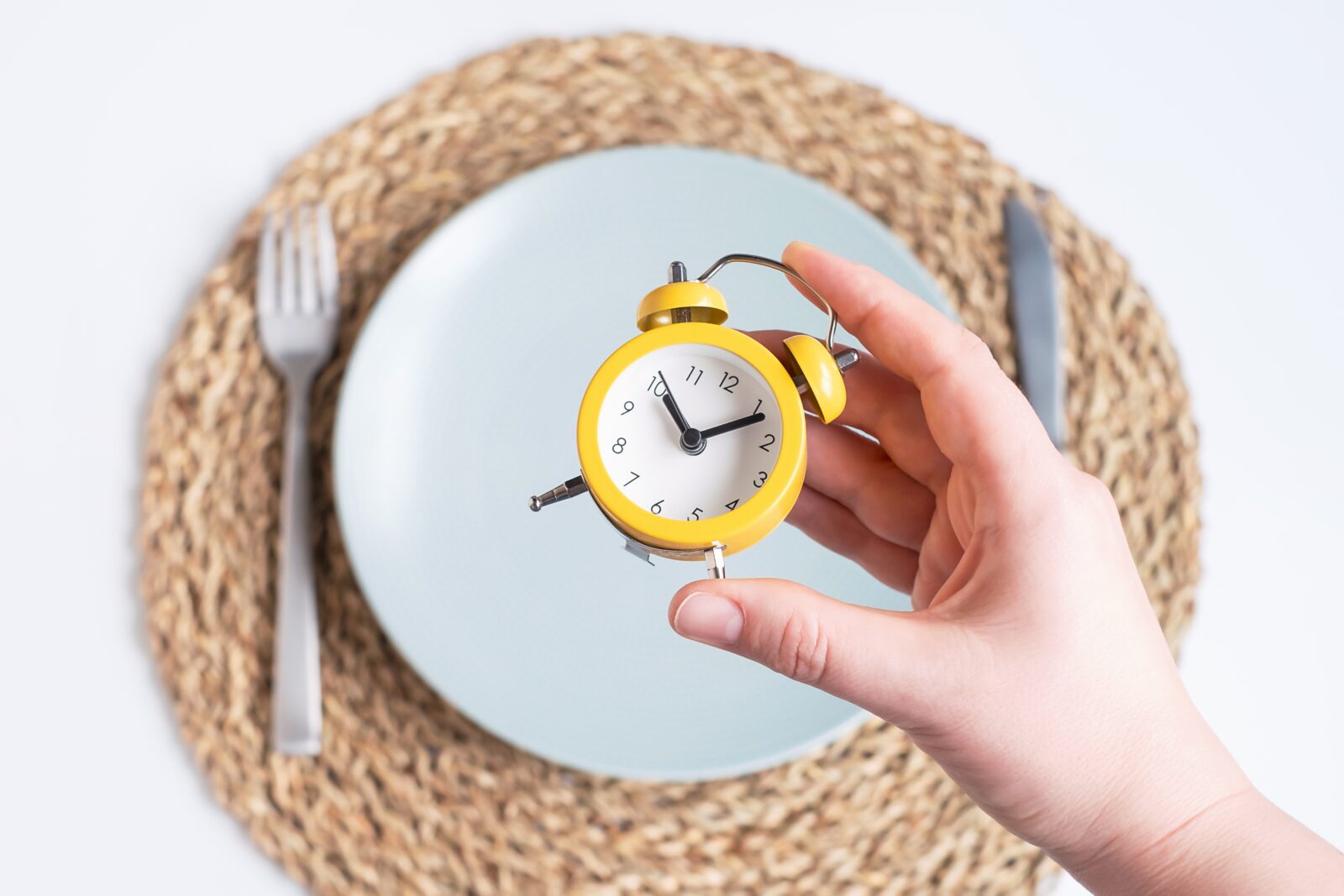
Skipping meals before an exam can affect basic blood work. Doctors require fasting only for particular tests, such as blood sugar or lipid panels.
Not eating without explicit instructions may lower your blood glucose to unsafe levels. The U.S. National Institute on Aging explains that most routine tests do not mandate fasting and advises asking first to avoid dizziness or fainting.
You might feel faint while waiting in reception. Confirm food restrictions with clinic staff when booking the appointment to avoid unnecessary hunger. A normal, light breakfast keeps metabolism steady and mood balanced during lobby waits.
Taking Pain Killers to Stop Current Symptoms
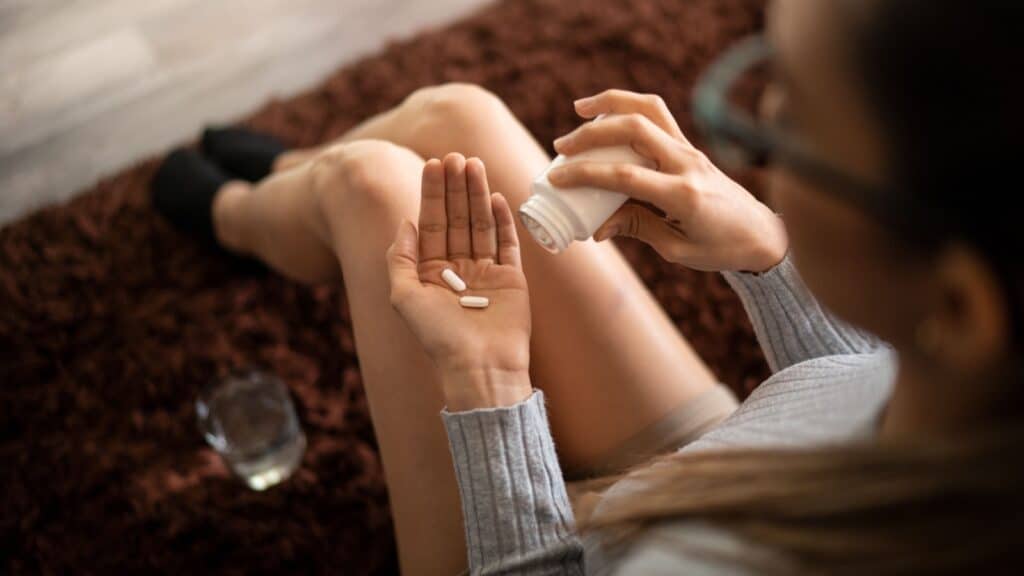
Masking discomfort with over-the-counter pills makes diagnosis nearly impossible for a clinician. Suppressing a headache or joint pain hides the exact location of your physical distress. Healthcare providers need to trigger your symptoms during a physical exam to find the root cause.
Pain medication also lowers a mild fever that might indicate an active viral infection. Let your body show its true state so the practitioner can see the problem clearly. Addressing temporary aches for a few extra hours can lead to a much better, faster treatment path.
Drinking Alcohol the Night Before

Alcohol remains in the body after the initial effects fade. Consuming drinks the night before impacts liver enzymes and blood sugar levels. Alcohol thins blood and disrupts sleep patterns, affecting heart rate readings.
The U.S. National Library of Medicine’s hepatology guidance states that even brief alcohol consumption can elevate liver enzyme levels and cause abnormal lab results. Lab tests may falsely suggest serious conditions.
Abstaining for twenty-four hours before a visit provides reliable medical data. This pause allows organs to recover so blood samples reflect baseline health.
Guessing About Your Family Medical History

Unclear details about family medical history slow the diagnostic process. Claiming a relative had an illness does not help a doctor gauge your risk. Medical staff require specific information about conditions, diagnosis, age, and blood relationships.
Guesswork causes unnecessary screenings or anxiety regarding inherited illnesses. Contact relatives for facts before meeting your practitioner. An accurate family timeline helps order appropriate tests.
Cleaning Your Nails Thoroughly
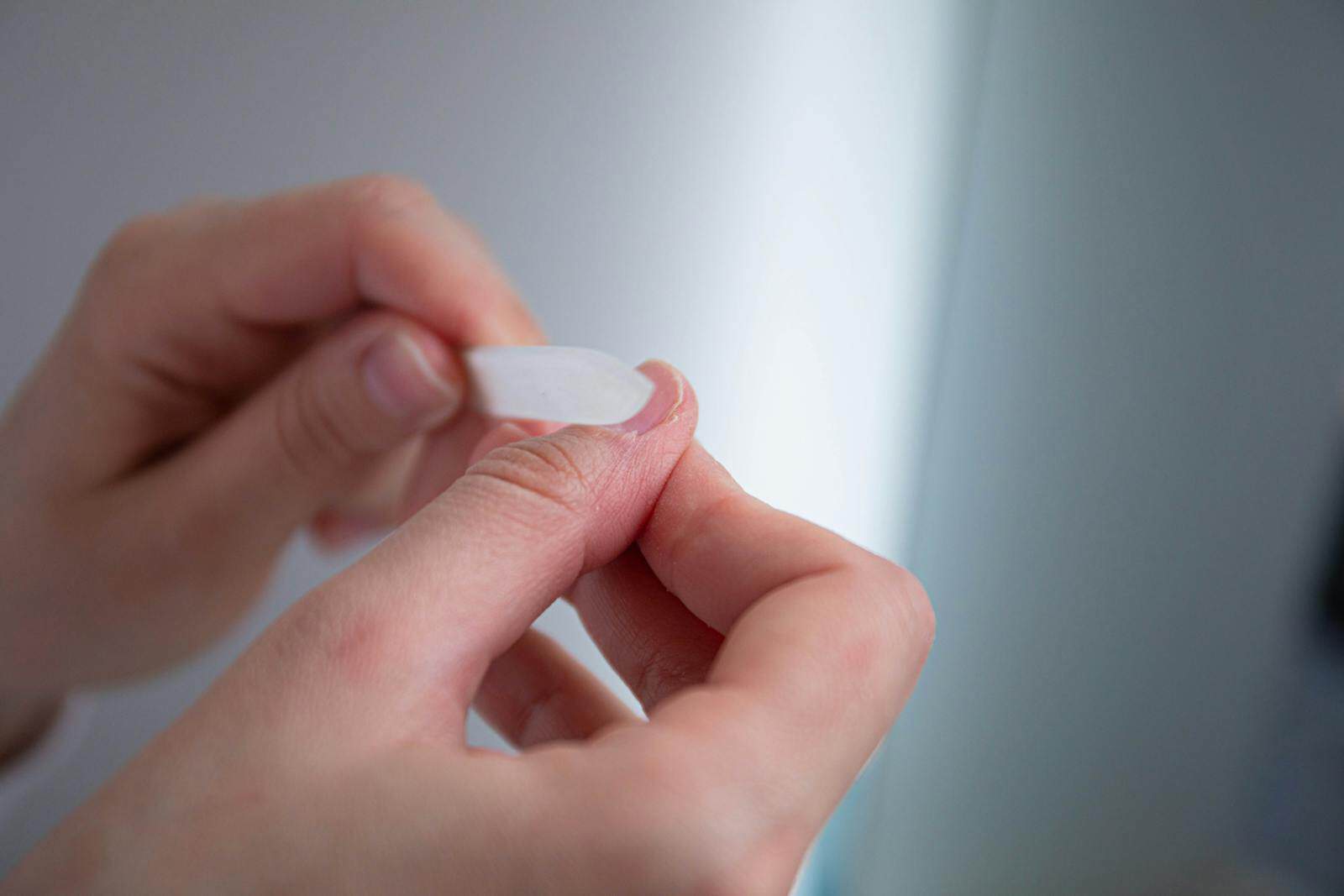
Nail beds offer crucial clues about your oxygen levels and overall blood circulation. Scrubbing away every bit of dirt or removing polish hides important physical data. Doctors examine nail color and texture to detect signs of anemia or lung disease.
Thick acrylic layers block light from pulse oximeters during vital signs checks. Leave your nails completely natural so the medical team can read these subtle bodily signals. A clean, unpainted nail plate allows the practitioner to check your capillary refill time in just two seconds.
Running Extra Laps Before the Clinic Visit
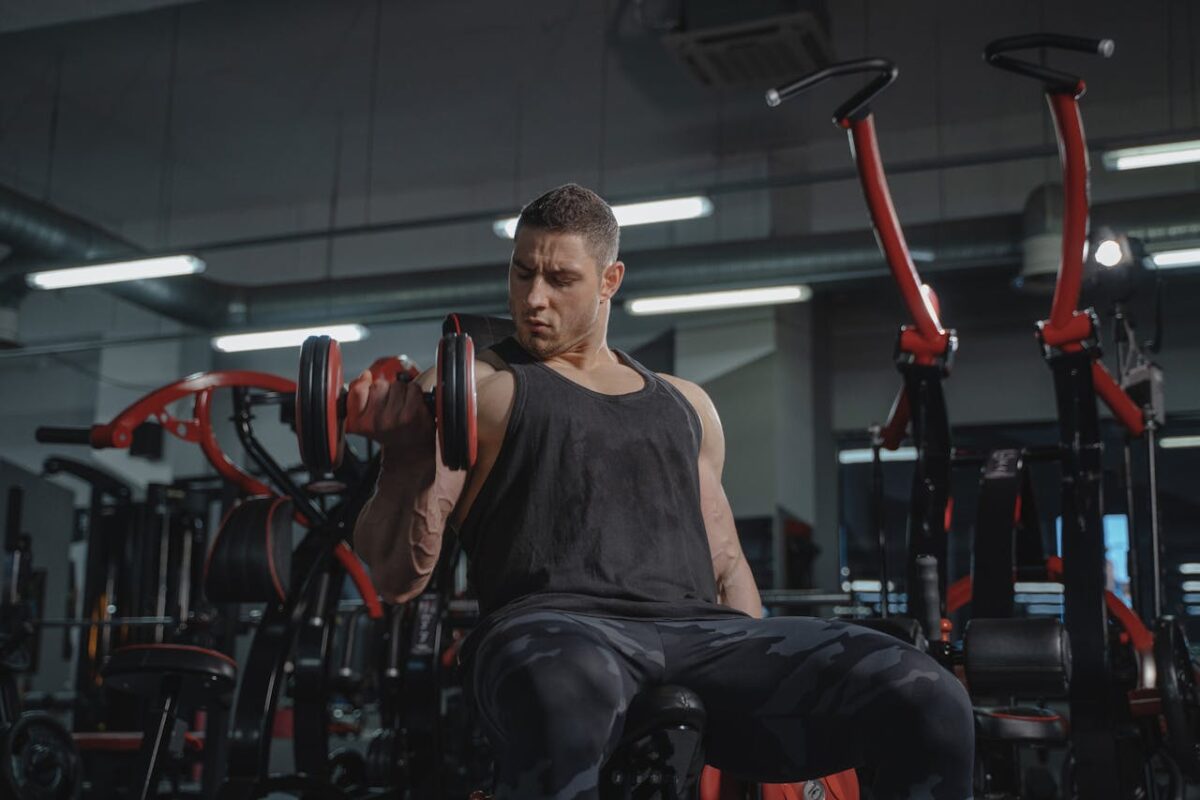
Heavy workouts right before a checkup distort your lab results. Strenuous exercise elevates protein levels in your urine for hours. It also raises your heart rate and causes temporary muscle inflammation, as shown on blood panels. The University of Rochester Medical Center notes that strenuous exercise increases creatine kinase levels.
This can look like muscle damage or stress on your test results. Doctors might misinterpret these normal fitness markers as kidney damage. Save the gym session for after your appointment to keep numbers steady. Your cells need rest to perform at their usual levels.
Writing Down Every Current Symptom
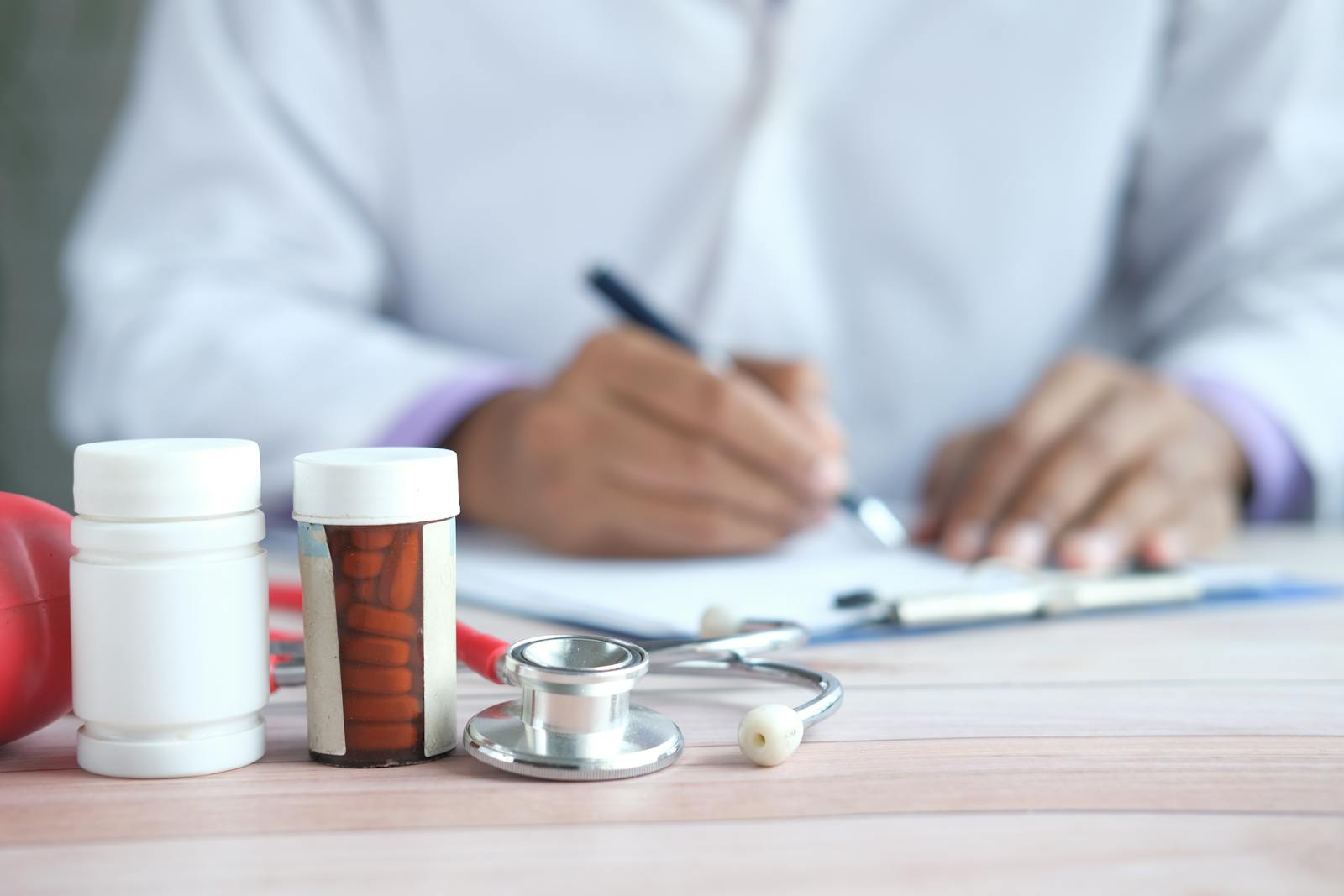
A written list prevents your mind from going blank during a brief medical consultation. Patients often forget minor symptoms due to the anxiety of sitting on the exam table.
Note when the pain started, how it feels, and what makes it better. This concrete log keeps the conversation focused and saves valuable minutes.
Providing a clear summary to your provider helps them quickly develop an accurate treatment plan. Your written notes serve as a reliable guide that helps you avoid downplaying your daily physical struggles, feel heard, and reduce stress.
Bringing All Medication Bottles
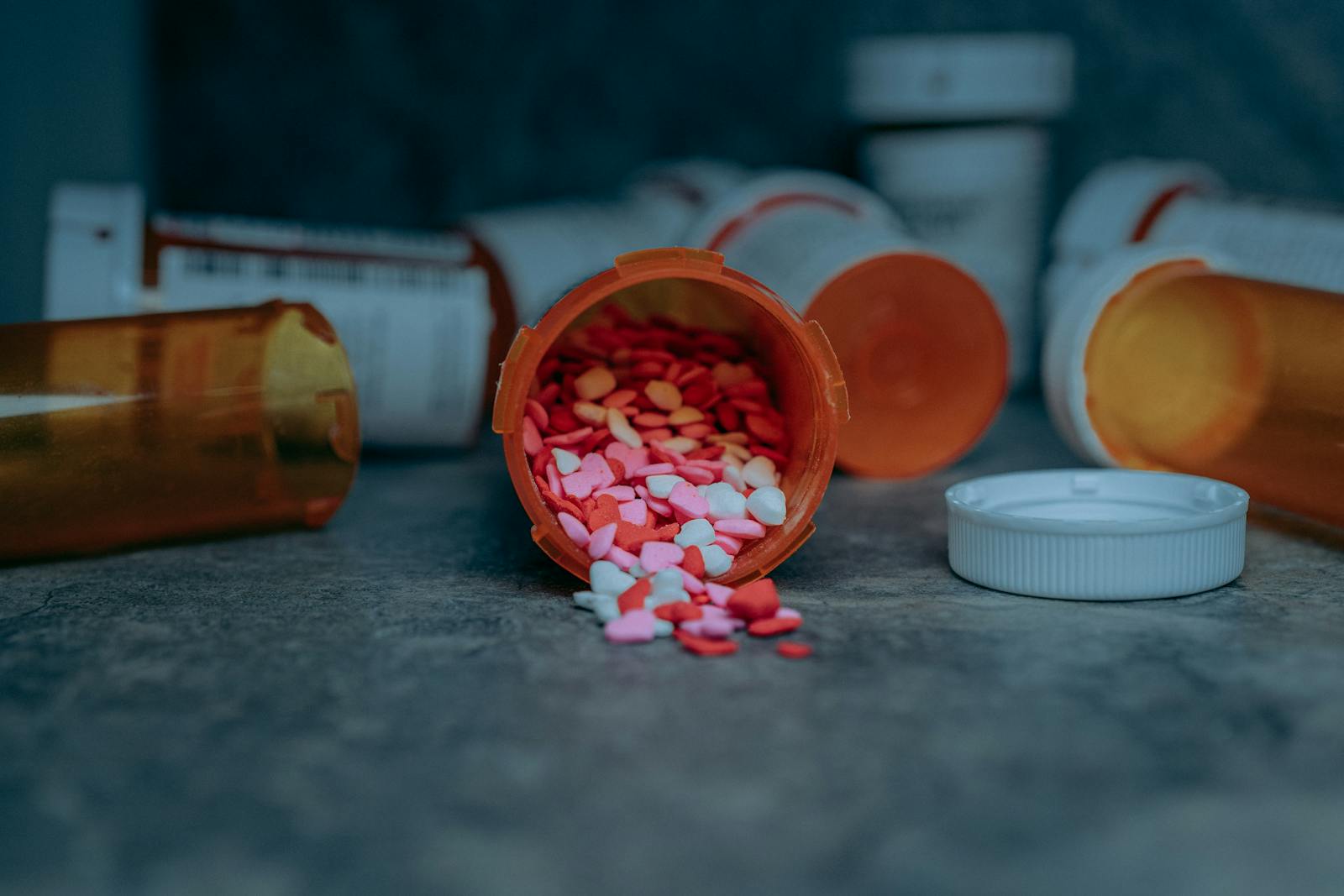
Prescription lists often contain outdated or misspelled entries. Carrying actual medication bottles gives clinical staff accurate information. Doctors need precise dosages and brand names to avoid dangerous drug interactions.
This includes over-the-counter vitamins and herbal supplements. Physical containers enable staff to update electronic records correctly. Medication labels show doctors your exact regimen, not just computer entries.
Wearing Loose and Simple Clothing

Tight outfits turn a standard physical exam into an awkward and frustrating struggle. Heavy boots and complex layers slow down the weigh-in process at the nurse station.
Sleeves must roll up easily without cutting off circulation during blood pressure checks. Loose garments allow the doctor to listen to your lungs without asking you to undress completely.
Simple clothing keeps the appointment moving efficiently from start to finish. You will feel more comfortable and less vulnerable sitting on the exam table in cozy clothes.
Disclaimer – This list is solely the author’s opinion based on research and publicly available information. It is not intended to be professional advice.
Like our content? Be sure to follow us.