12 ways hair carries family, culture, and identity
Hair can enter a room before a person says a word. A braid can carry a grandmother’s hands. A curl can hold a mother’s patience. A shaved head, a loc, a wrap, or a twist can tell a story about faith, survival, beauty, grief, and belonging.
The 2021 Dove CROWN Research Study for Girls makes that story impossible to dismiss: 53% of Black mothers whose daughters experienced hair discrimination said it began as early as age 5, and 66% of Black children in majority-white schools had faced race-based hair discrimination.
That is why hair is never just a style, especially in America. It can be tender at the kitchen sink, sacred in ceremony, judged in a classroom, and questioned in a job interview. The official CROWN Act campaign says its 2023 workplace study found Black women’s hair is 2.5 times more likely to be seen as unprofessional.
25 states had passed CROWN Act protections by July 2024. So every part, loc, twist, fade, wrap, braid, and fresh cut carries more than beauty. It carries a family’s memory and a quiet fight to belong without shrinking.
Family Stories Are Braided Into Everyday Styles

Family history often begins on the scalp, before a child can name the people who came before them. In many Black families, wash day is a whole mood: towels on shoulders, combs lined up, oil on the fingertips, cartoons playing in the background, and somebody older saying, “Hold still,” with love and authority.
The 2021 Dove CROWN Research Study says 86% of Black children who experienced hair discrimination had faced it by age 12, so those home routines do more than make hair neat. They build armor. They teach a child that their coils, braids, beads, and parts are not problems to solve.
NAACP Legal Defense Fund notes that cornrows, locs, twists, afros, and Bantu knots carry historic ties to Black pride, religion, culture, and identity, which is why a grandmother braiding a child’s hair can feel like a small ceremony. The style may last one week, but the lesson can last decades.
Hairstyles Signal Tribal, Ethnic, and Community Belonging
Hair can work like a quiet family passport. You may see Fulani braids, a Sikh turban, long Indigenous hair, a headwrap, locs, cornrows, or a ceremonial style and know there is a lineage behind it.
The Sikh Coalition explains that Sikh identity includes five articles of faith, including kesh, or unshorn hair, while the NAACP Legal Defense Fund says Black hair is cultural, symbolic, and historically tied. In Black American life, that visual language matters because many children learn early that their styles are read by others before they get to speak.
Dove’s school research found that 66% of Black girls in majority-white schools reported hair discrimination, compared with 45% of Black girls across all school settings. That gap says a lot. A hairstyle can say “this is who raised me,” but in some rooms, it is unfairly treated as a rule violation, a distraction, or a reason to shrink.
Hair Marks, Rites of Passage, and Life Transitions
Hair often marks the doorway between one season of life and the next. A baby’s first haircut gets saved in an envelope. A teen’s first silk press or first set of box braids becomes a memory. A man’s first gray hair turns into a family joke at dinner. Across cultures, the pattern is even older and deeper.
VOA Africa reported in 2023 that Maasai morans have their hair shaved by their mothers during the Eunoto ceremony as they transition from warriorhood to elderhood, marking hair as a visible line between youth and maturity.
In many Hindu families, tonsure ceremonies also mark a fresh spiritual beginning, while some Indigenous traditions treat cutting hair as part of mourning or a major life change. These rituals may look different, but they share the same idea: hair helps the body announce what the heart is already trying to understand.
Spiritual Beliefs Are Woven Into Length, Texture, and Ritual

For many communities, hair belongs to the spirit as much as it does to the mirror. Sikh tradition treats uncut hair as a sign of faith and devotion, and the Sikh Coalition lists kesh as one of the visible articles of identity.
In some Indigenous teachings, hair is tied to healing, protection, relatives, and dreams, which helps explain why forced cutting in boarding school systems caused harm far beyond appearance. Black American history carries a related wound, since school and workplace rules have often treated natural hair as something to control.
The NAACP Legal Defense Fund says grooming policies have been used to remove Black children from classrooms and adults from jobs. That is why a loc, a braid, an afro, or a wrap can feel sacred. It can hold faith, ancestry, grief, and survival in one visible place.
Biology and Texture Link Us to Ancestors
Hair also carries family through biology. A child may inherit a grandmother’s tight curls, an uncle’s early gray, a father’s hairline, or a mother’s thick crown, and suddenly, ancestry is no longer abstract.
A PubMed-indexed study titled “Diversity in human hair growth, diameter, colour and shape” examined young adults from 24 ethnic groups across five continents and described eight major hair shape types, moving past the old habit of squeezing the whole world into three crude hair categories.
The study also found patterns in growth and density, including lower density and slower growth in African hair and thicker diameter with faster growth in Asian hair. That does not reduce identity to biology, of course. Culture still shapes meaning. But it does show why hair can feel so personal. It is one of the few inheritances you can touch every morning.
Natural Hair Is Becoming an Identity-Safety Signal at Work
A workplace that accepts natural hair sends a message before the first meeting starts: you do not have to cut off your culture to be taken seriously.
That matters because the 2023 Dove and LinkedIn CROWN Workplace Research Study found Black women’s hair is 2.5 times more likely to be perceived as unprofessional, and about 66% of Black women change their hair for a job interview, with 41% changing it from curly to straight.
Duke University’s Fuqua School of Business reported that Black women with natural hairstyles received lower professionalism and competence ratings in recruitment experiments, especially in conservative fields.
Ashleigh Shelby Rosette, a Duke management professor and researcher on natural hair bias, said, “When a Black woman chooses to straighten her hair, it should be a personal preference.” That one sentence cuts through the noise. Choice feels different from pressure, and many Black women know exactly where that line lives.
Laws Like the CROWN Movement Are Protecting Cultural Hair
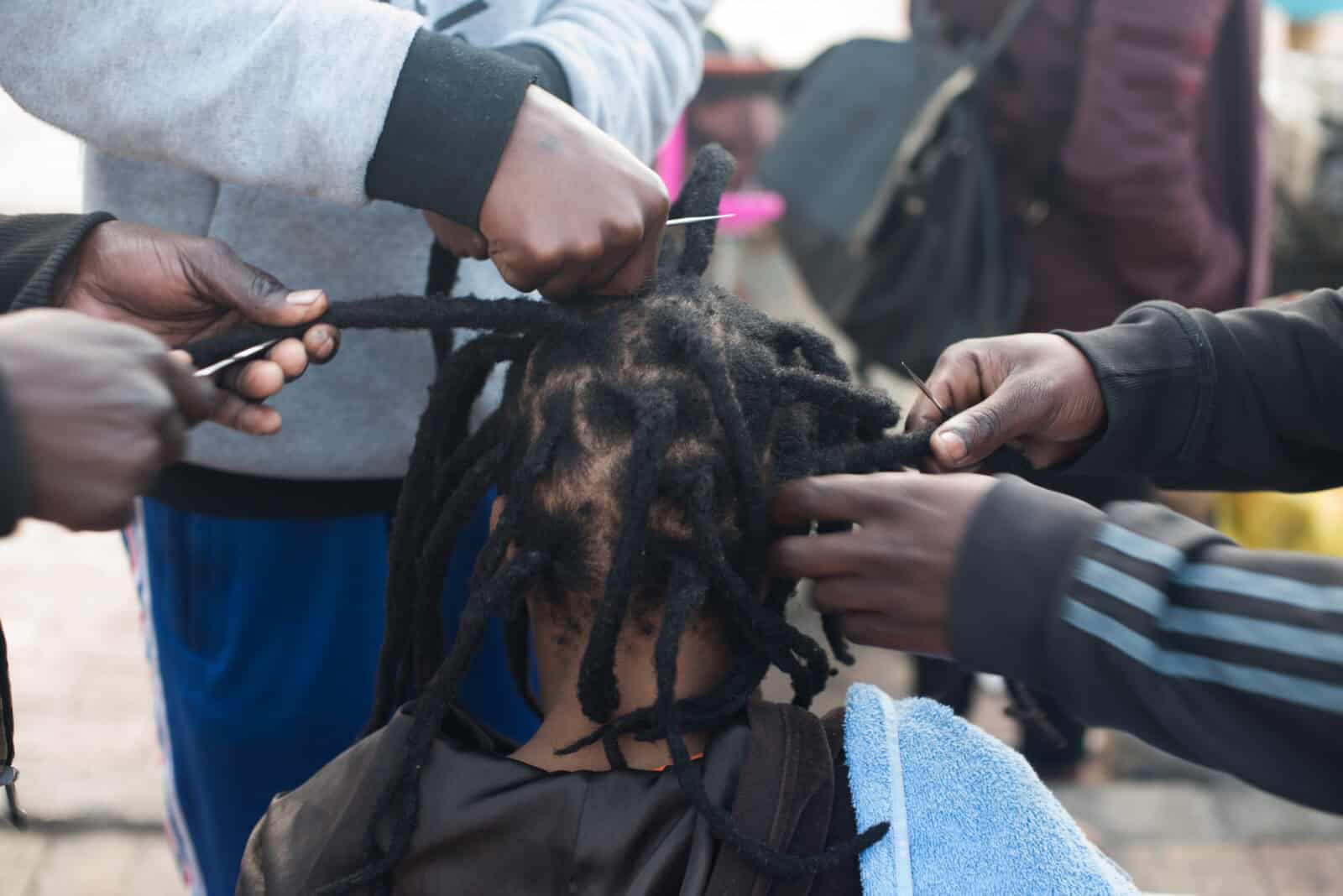
The law has started to catch up with what families have always known: hair can be part of racial and cultural identity.
The official CROWN Act campaign says the law seeks to end the denial of employment and educational opportunities because of hair texture or protective styles such as braids, locs, twists, and Bantu knots.
The Economic Policy Institute reported that 25 states had passed CROWN Act protections by July 2024, while the NAACP Legal Defense Fund noted that the CROWN Act had been enacted in 24 states as of 2024, depending on the tracking date and legal scope used.
The pressure keeps spreading beyond the U.S. as well. Reuters reported in 2024 that French lawmakers voted to outlaw discrimination against afros, braids, dreadlocks, hair texture, and hair color. Christy Zhou Koval, a Michigan State University researcher, put it plainly: “hairstyles should be a personal choice.” A rulebook should not erase a family tree.
Haircare Routines Are Quiet Acts of Intergenerational Care
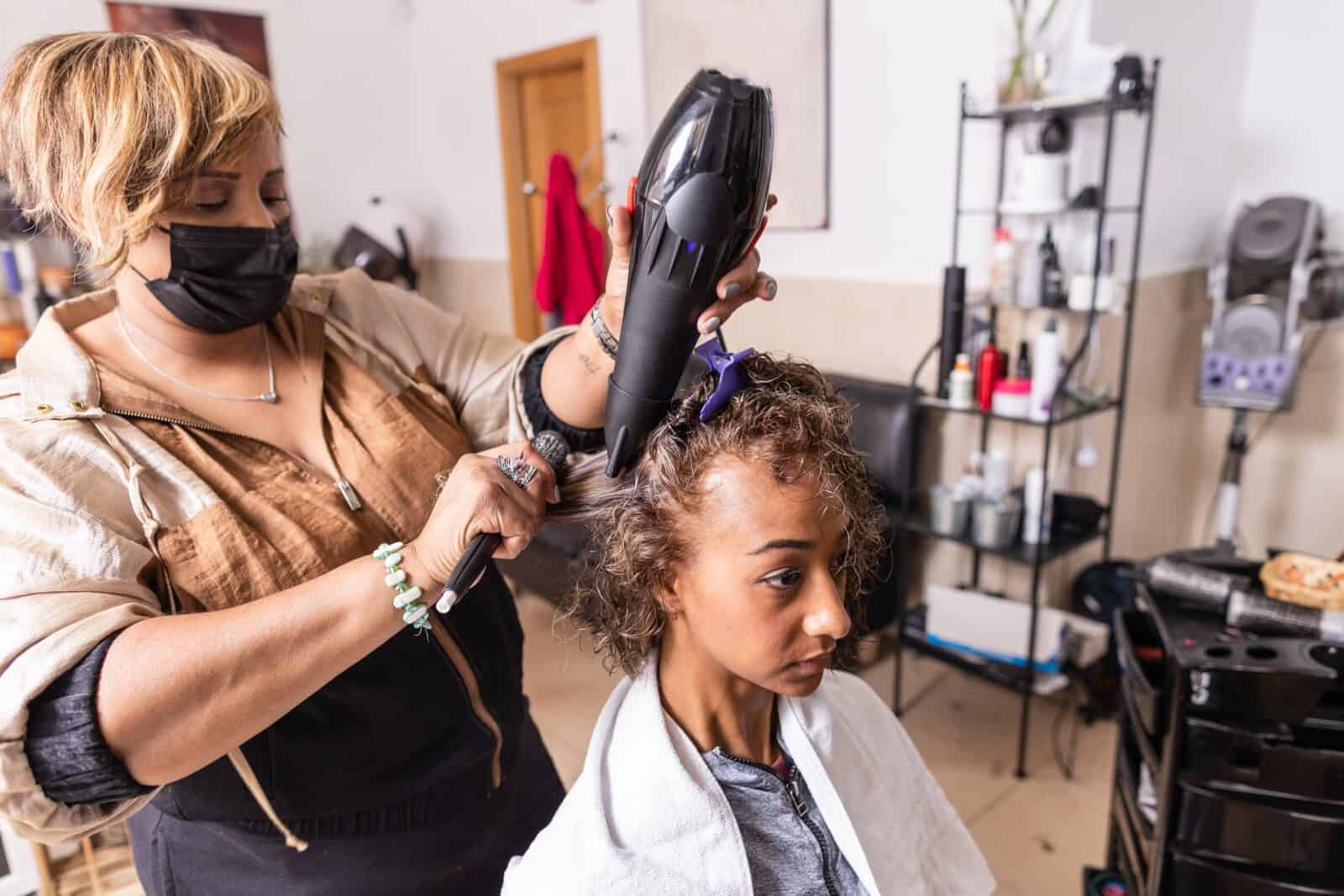
Haircare can be one of the most intimate ways families show love without making speeches. A parent detangles a child’s curls after bath time. An auntie teaches a teen how to wrap hair at night. A father learns to part ponytails because his daughter asked him to.
In Black households, those moments carry extra weight because the outside world can still punish the very styles that the home celebrates. The CROWN Act campaign says over 20% of Black women ages 25 to 34 have been sent home from work because of their hair, and nearly half of Black women under 34 feel pressure to use a straight-haired headshot.
That pressure does not stay at the office door. It travels home in product choices, school morning stress, salon bills, scalp pain, and whispered advice about which style is “safe” for interviews. Haircare becomes care in the deepest sense: protection, preparation, and tenderness.
Social Media Is Globalizing Local Hair Traditions

Social media has turned the bathroom mirror into a worldwide classroom. A teen in Ohio can watch a Senegalese braider, a Sikh turban tutorial, a Black stylist explaining knotless braids, or a creator showing how her family oils hair before a holiday.
Pew Research Center reported in 2024 that 90% of U.S. teens use YouTube, 73% visit it daily, and about six in ten teens visit TikTok daily, which means hair traditions now travel faster than old beauty magazines ever could.
Pew also found that 28% of Black teens and 25% of Hispanic teens say they visit TikTok almost constantly, compared with 8% of white teens. That access can help diaspora kids find language for styles they grew up seeing but never had named. Still, the credit matters. A braid without context can become a trend. A braid with its roots named becomes a bridge.
Hair Tracks Migration, Assimilation, and Rebellion
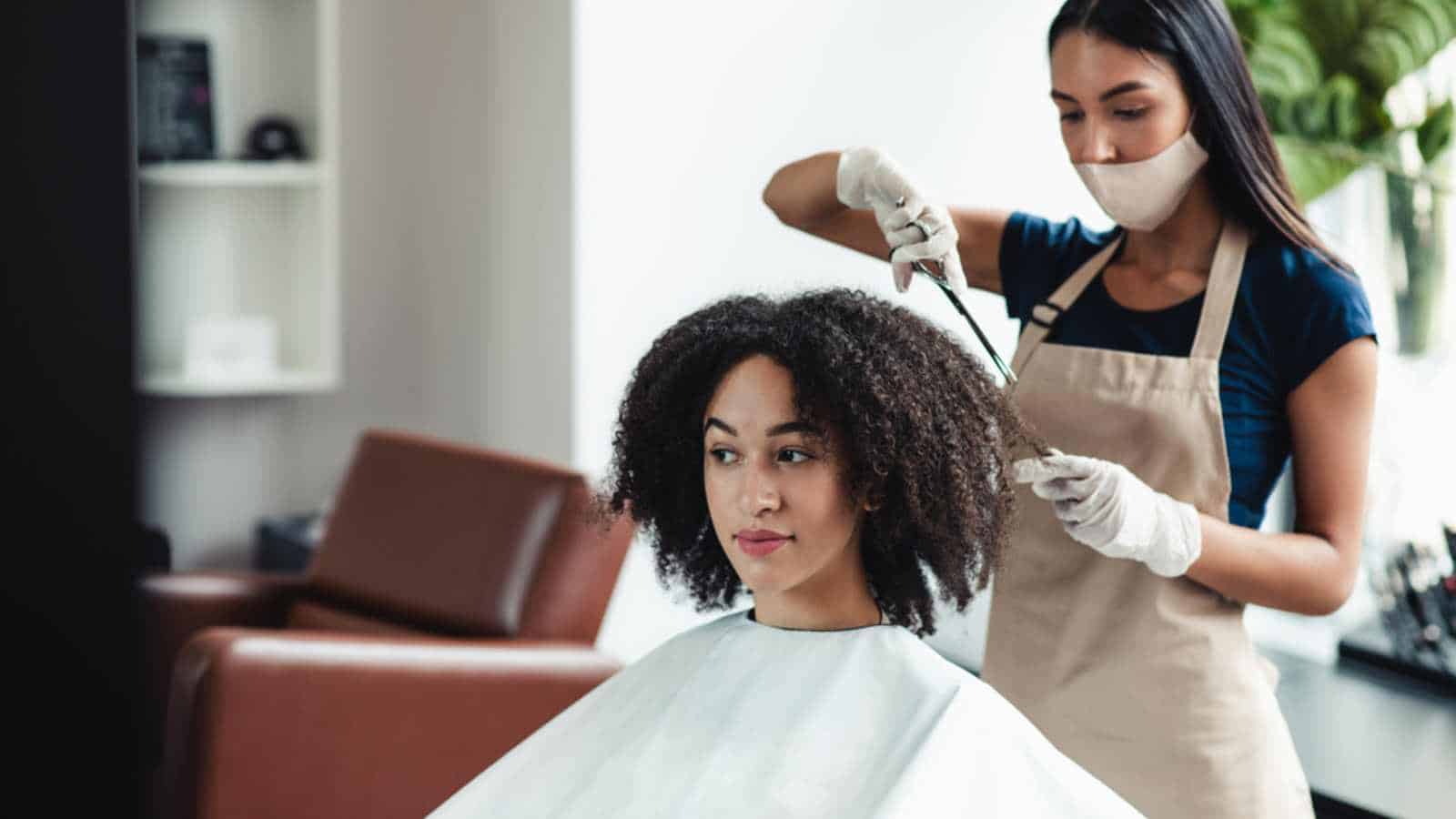
Family photo albums tell the story. One generation wears headwraps, long braids, afros, turbans, or styles tied to a homeland. The next generation cuts, straightens, or softens the look to survive school, office rules, or a new country’s idea of “neat.” Then the grandchildren circle back, wearing the same styles with a kind of joyful defiance.
The CROWN research helps explain why that swing happens: 81% of Black children in majority white schools said they sometimes wished their hair were straight, even though 90% of Black children also said their hair was beautiful.
That tension is heartbreaking because it shows how pride and pressure can live in the same child. Migration asks families to adapt, but rebellion often grows from the part of a person that refuses to disappear. Sometimes, the hairstyle a grandmother was told to hide becomes the one a granddaughter wears in full sun.
Beauty Standards Shape Mental Health Across Generations
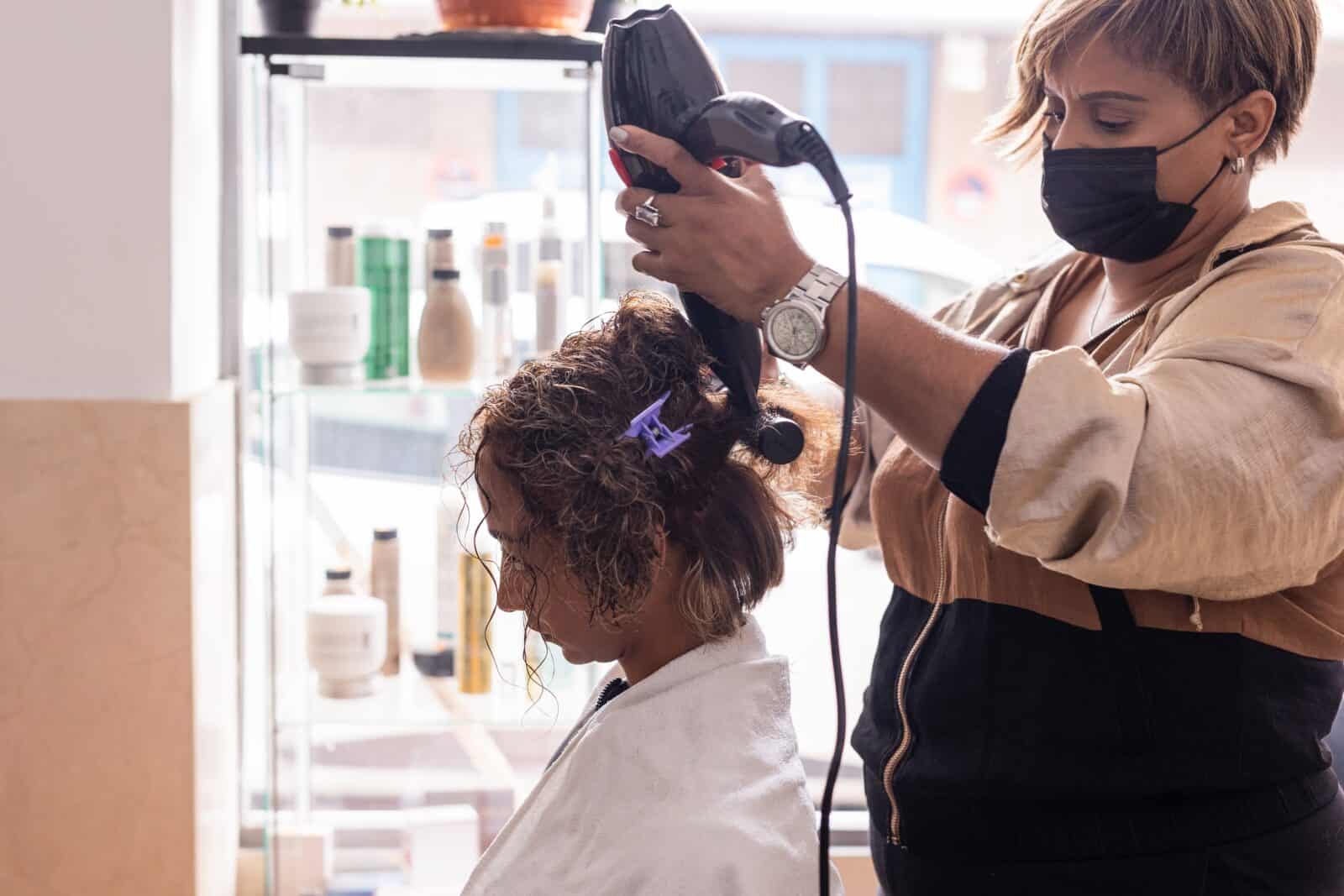
Hair bias does not stop at style. It can shape confidence, body image, and the way families talk to children about safety. The National Institutes of Health-indexed commentary “The Person Beneath the Hair” explains that hair discrimination can affect the health and well-being of people of African descent by adding stress to school, work, and social life.
Dove’s CROWN research found that 100% of Black elementary school girls in majority-white schools who reported hair discrimination had experienced it by age 10. That is far too early for a child to learn that her body needs editing.
The same CROWN workplace study found Black women with coily or textured hair are twice as likely to experience workplace microaggressions as Black women with straighter hair. So parents often coach kids in two languages at once: love your hair, but know some people may not. That is a heavy lesson to place on a small head.
Hair Loss, Illness, and Regrowth Reshape Family Identity

Hair carries identity so strongly that losing it can shake a person’s place in the mirror. During cancer treatment, alopecia, aging, stress, or illness, families often see hair become a shared emotional event.
A 2024 review in Annals of Palliative Medicine reported that one study found 55% of breast cancer patients experienced high psychological stress from chemotherapy-induced alopecia, and another found some women described alopecia as the most emotionally distressing chemotherapy side effect.
A separate study on chemotherapy-induced alopecia reported that 73% of patients felt less self-confident than before treatment, while 46% described alopecia as the most traumatic side effect.
Diana Trusson’s study on breast cancer and hair loss concluded, “Hair is important to identity.” That is why regrowth, wigs, scarves, head shaving, and new styles can become family rituals, too. Loss changes the story, but it does not end it.
Reflective Close
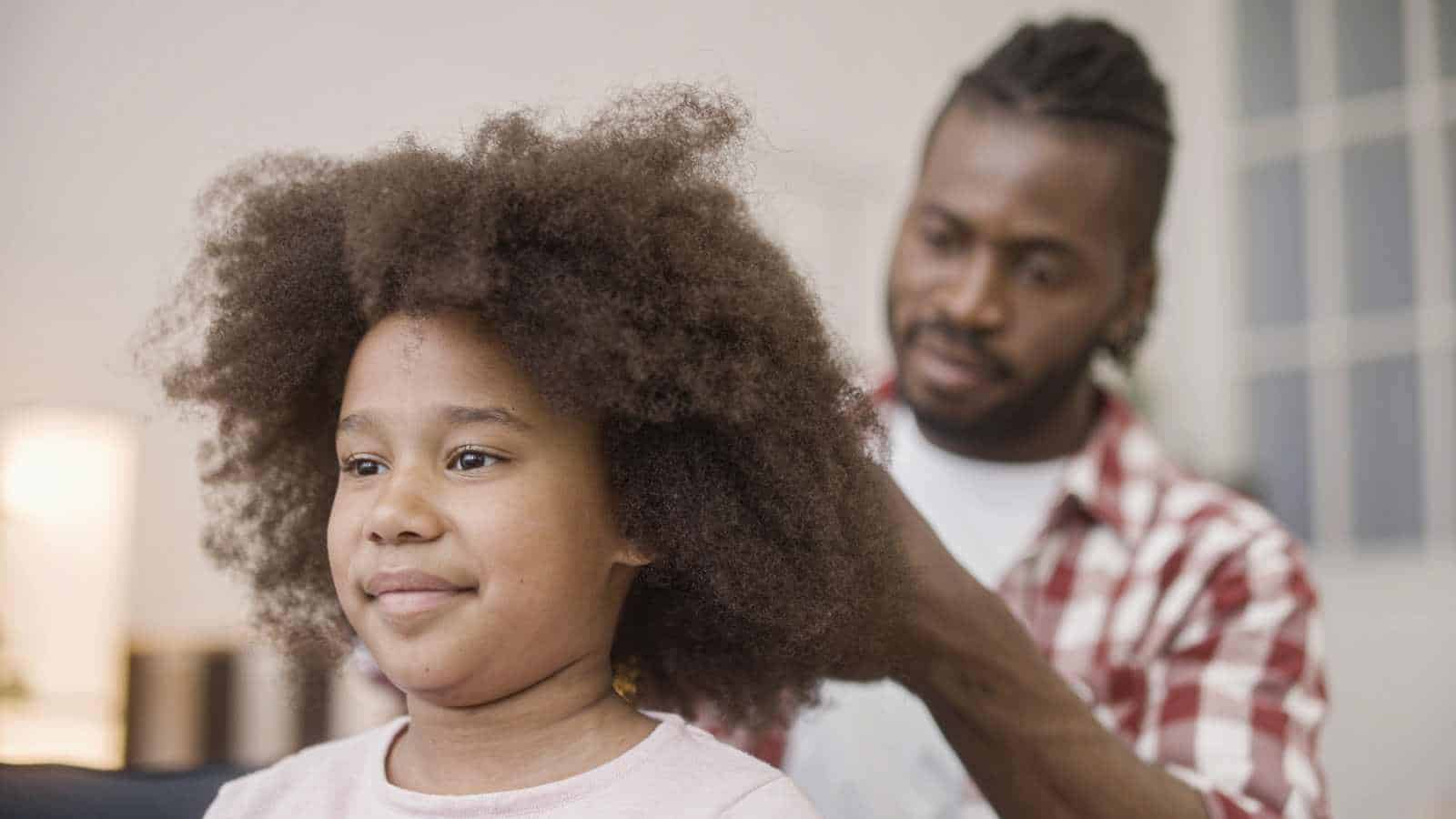
Hair is one of the rare things we inherit, shape, protect, lose, and pass on. The 2021 CROWN study showed hair discrimination can begin as early as age 5, and the 2023 workplace study showed Black women still change their hair for interviews at high rates.
Those numbers are painful, but they also explain why hair carries so much pride. Every braid, curl, loc, wrap, cut, and regrowth can become a quiet answer to the same question: who taught you to see yourself?
Key Takeaways

- Hair carries family memory through touch, care, routine, and style, especially in homes where wash day, braiding, oiling, and wrapping create steady moments of connection.
- Black American hair carries some of the strongest current U.S. data, with Dove’s 2021 CROWN study finding that 66% of Black children in majority-white schools have faced race-based hair discrimination.
- Workplace bias remains measurable, with the 2023 Dove and LinkedIn CROWN study finding Black women’s hair is 2.5 times more likely to be seen as unprofessional.
- CROWN Act protections show that hair discrimination is a civil rights issue, with the Economic Policy Institute reporting that 25 states had passed CROWN Act laws by July 2024.
- Science adds another layer to the story, as a PubMed-indexed global hair diversity study identified eight major hair shape types among young adults across 24 ethnic groups.
- Hair loss can reshape identity during illness, with published cancer research linking chemotherapy-related hair loss to stress, lower self-confidence, and changes in how people see themselves.
Disclaimer – This list is solely the author’s opinion based on research and publicly available information. It is not intended to be professional advice.
Like our content? Be sure to follow us