Sickle cell disease just got its first real cure. But can the people who have it actually afford it?
This week, a 23-year-old Louisiana man became the first patient in the Gulf South region to be functionally cured of sickle cell disease through gene therapy. He’s one of more than 100 patients nationwide who have now been treated with the two FDA-approved gene therapies for the disease.
That number is worth sitting with for a second, because it tells you almost everything about where this story actually stands. Sickle cell affects an estimated 100,000 Americans. Two and a half years after the first real cure was approved, treatment has reached roughly one in a thousand of them.
What changed, and why it took this long
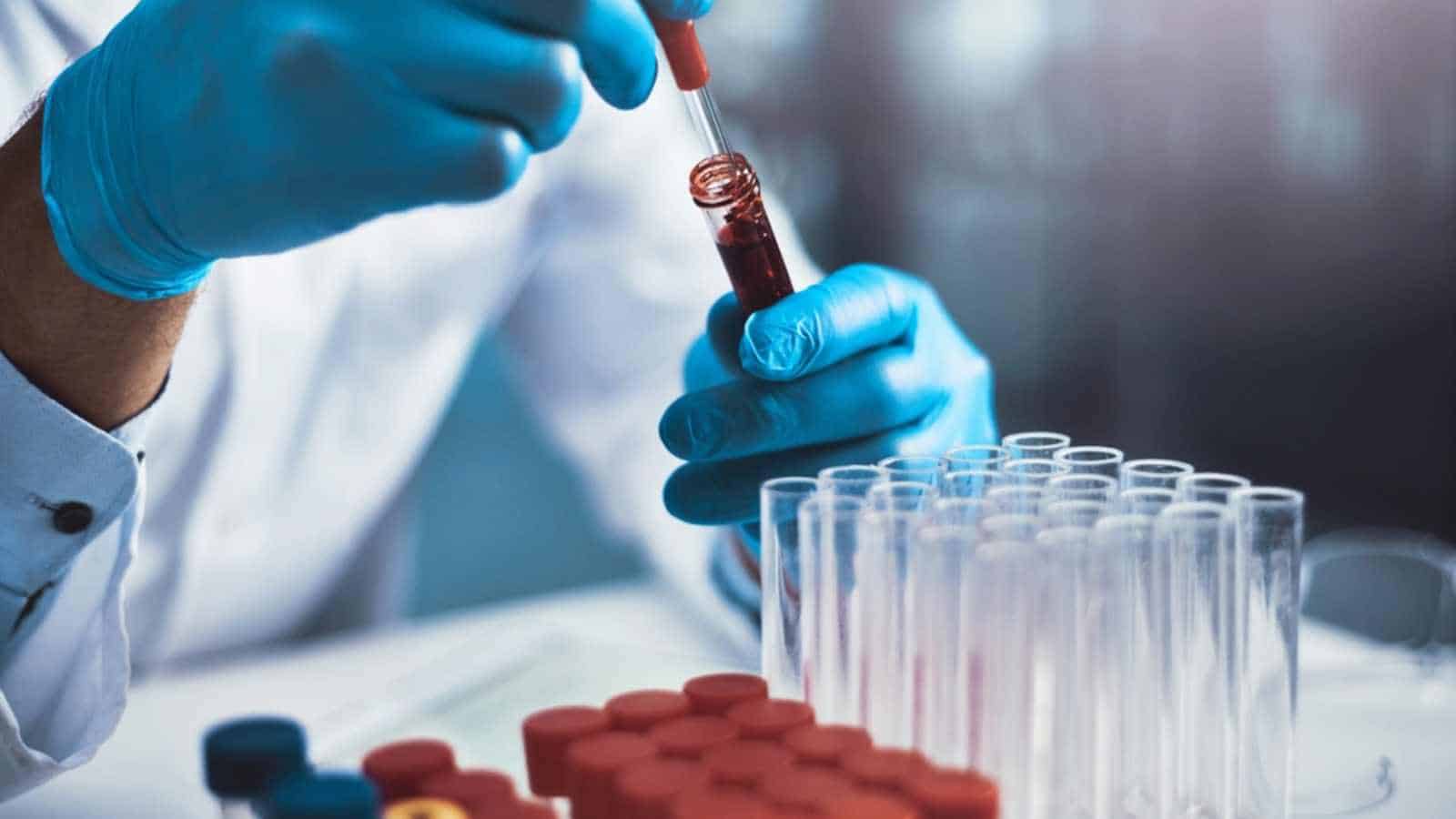
In December 2023, the FDA approved Casgevy and Lyfgenia, two gene therapies that edit or supplement a patient’s own stem cells so they stop producing the misshapen, sickle-shaped blood cells responsible for the disease’s pain crises. Unlike a bone marrow transplant, the only prior cure, neither therapy requires a donor match, which removes the single biggest obstacle that kept most patients from ever being eligible for a cure in the first place. In trials, 93.5% of Casgevy recipients and 88% of Lyfgenia recipients went months without a single severe pain crisis.
But the treatment itself accounts for much of the delay. The process involves roughly 90 days of preparation with monthly blood transfusions, six to eight weeks of stem cell collection, months of lab modification, and then a four to six-week hospital stay built around conditioning chemotherapy. It’s a process measured in seasons, not days, before a patient even gets the benefit.
Chemotherapy regimen, not the price tag, is the single biggest reason patients hesitate, since it carries serious risks of its own before anyone knows whether the cure will hold.
The number that explains the slow rollout

Vertex Pharmaceuticals priced Casgevy at $ 2.2 million, and Bluebird Bio, now Genetix Bio, priced Lyfgenia at $ 3.1 million. By the end of 2025, just 64 patients nationwide had completed Casgevy infusions, with another 147 having started the cell collection process, while Genetix reported treating just over 100 patients with Lyfgenia since approval. Those are the actual numbers behind a milestone like the one in Louisiana this week. Every individual cure is real. The aggregate rollout is still a trickle.
Drugmakers defend the price using lifetime math. Both companies estimate that managing sickle cell over a patient’s lifetime, with recurring pain crises, costs between 4 million and 6 million dollars, which they argue makes a one-time 2- to 3-million-dollar cure the cheaper option in the long run. That argument holds up across forty years of actuarial tables.
It means very little to a state Medicaid office that has to authorize a seven-figure expense today, for a population that is disproportionately on Medicaid in the first place. Federal estimates put between 50% and 60% of sickle cell patients on Medicaid, which makes state insurance bureaucracy, not the sticker price alone, the actual chokepoint most patients hit first.
The fix that’s already underway

Washington has tried to narrow that gap. Under the Cell and Gene Therapy Access Model, the federal government negotiates outcomes-based prices with manufacturers on behalf of state Medicaid programs, meaning a state’s actual cost is tied to whether the therapy works for the patient who receives it. Thirty-three states, plus Washington, D.C., and Puerto Rico, now participate, together representing 84% of Medicaid beneficiaries with sickle cell disease. The program also now covers fertility preservation, closing a cost gap that previously caught many patients off guard, since the chemotherapy involved can cause infertility.
There’s evidence that the system is starting to move faster, not just wider. Lyfgenia’s enrollment numbers doubled between 2024 and 2025, and the time from approval to a patient’s first enrollment was nearly twice as short as for an earlier, comparable gene therapy. Genetix Bio says it expects rapid growth in demand for Lyfgenia through 2026, and Vertex is projecting an 185% jump in combined revenue from Casgevy and a related pain medication this year.
Vertex is also seeking approval to treat children as young as 5, which would let families intervene before some of the disease’s organ damage becomes permanent.
Why this disease, specifically, took so long to get here

It’s worth asking why a genetic disease first described in Western medicine over a century ago is only now getting a cure, while diseases identified decades later already have several. More than 90% of sickle cell patients in the US are Black or African American, and patients with the disease lose roughly 20 years of life expectancy compared with the national average, a gap that has persisted for generations without proportional research investment.
Patients have also long reported having their pain dismissed by providers unfamiliar with how severe a sickle cell crisis actually is, a pattern that shows up consistently in clinical literature on the disease and that several hematologists have pointed to directly when discussing why the condition went untreated at this level for so long.
That history doesn’t show up in a press release about a price tag. But it’s part of why the access gap feels different here than it does for other expensive new therapies. The science finally caught up to a disease that medicine had underfunded for decades. The financing and delivery systems are now the ones playing catch-up.
Why one cure isn’t the finish line

The honest version of this story isn’t “a cure exists.” It’s that a cure exists, it works about as well as anything in modern medicine, and getting it still depends heavily on which state someone lives in, whether their Medicaid program has signed onto the federal access model, whether there’s a treatment center within reach, and whether they can take months away from work and family for a process that, even when it succeeds, asks a lot of the person going through it.
Stories like the one out of Louisiana this week are proof that science works. The real test of this cure won’t be measured in single milestones. It’ll be measured in how quickly that number of treated patients, still well under a thousand nationally, starts to look like a real fraction of the 100,000 Americans living with the disease right now.
Disclaimer – This list is solely the author’s opinion based on research and publicly available information. It is not intended to be professional advice.
Like our content? Be sure to follow us.