Americans are cutting these items because prices feel out of control
Inflation has turned regular shopping trips into a source of pure sticker shock. It’s not just a feeling; the numbers prove that the struggle is incredibly real. Recent macroeconomic tracking shows that average prices are a staggering 36% higher than before the pandemic shook the global economy.
The Bureau of Labor Statistics notes that the U.S. Consumer Price Index showed a 2.7% increase across all categories through December 2025. While that number may sound modest, it conceals massive spikes in the prices of daily essentials. For instance, electricity costs jumped by 6.7%, and utility gas services soared by 10.8%. Because of these heavy utility burdens, households are aggressively slashing discretionary spending to stay afloat.
Consumers are realizing that maintaining old spending habits is a quick way to drain savings.
Rethinking the kitchen and grocery cart

Grocery shelves have become absolute minefields for household budgets. Overall, food costs climbed 3.1%, making every single trip to the supermarket feel like a major expense. In particular, prices for beverage materials like coffee and tea skyrocketed by 11.8% in a single year. Consequently, the habit of grab-and-go morning beverages is quickly being replaced by home-brewed options.
Bottled water has also been placed on the financial chopping block. Instead of paying a premium for plastic, families are investing in reusable filter pitchers. It’s a simple change that keeps money in bank accounts while reducing waste.
Even high-end, luxury food items are being bypassed during weekly runs. Shoppers are avoiding specialty cheeses, pre-cut fruits, and organic brands that charge heavy markups. The focus has shifted entirely toward bulk staples and basic raw ingredients.
Saying goodbye to costly single-use items
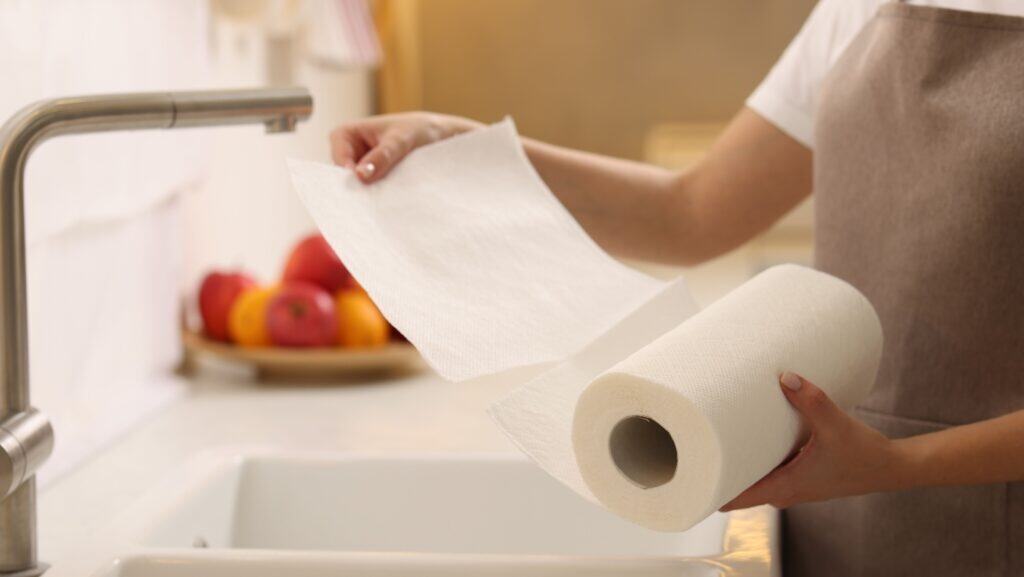
Many consumers have completely stopped buying disposable paper towels and plastic wrap. Throwing away money on something meant for the trash bin doesn’t make financial sense anymore. Instead, microfiber cloths and washable silicone covers are experiencing a major boom.
Plastic sandwich bags and single-use food storage options are also disappearing from pantries. Households are opting for durable, reusable glass containers that last for years. It turns out that ditching the disposable lifestyle can save hundreds of dollars annually.
The decline of premium beauty and wellness routines

Professional beauty and grooming treatments are no longer seen as essential self-care. Frugal spenders are saving thousands of dollars by opting out of salon services. Expenses like professional manicures, lash extensions, and hair dye sessions are being replaced by DIY kits.
Even cosmetic medical procedures are seeing a noticeable slowdown. More individuals are letting go of expensive Botox and dermal fillers to let their skin age naturally. The massive savings are being redirected into stable long-term investments or emergency funds.
Commercial gym memberships are another major casualty of the current economy. With recreation prices rising 3.0% in 2025, paying high monthly fees for a treadmill feels unnecessary. People are discovering that free outdoor running and home workouts are just as effective.
Eliminating domestic conveniences and services
Traditional domestic services are experiencing a severe cutback as households tighten their belts. Dry cleaning services are being abandoned as consumers actively avoid buying “dry clean only” clothing. Instead, shoppers are choosing low-maintenance fabrics that can survive a standard wash cycle.
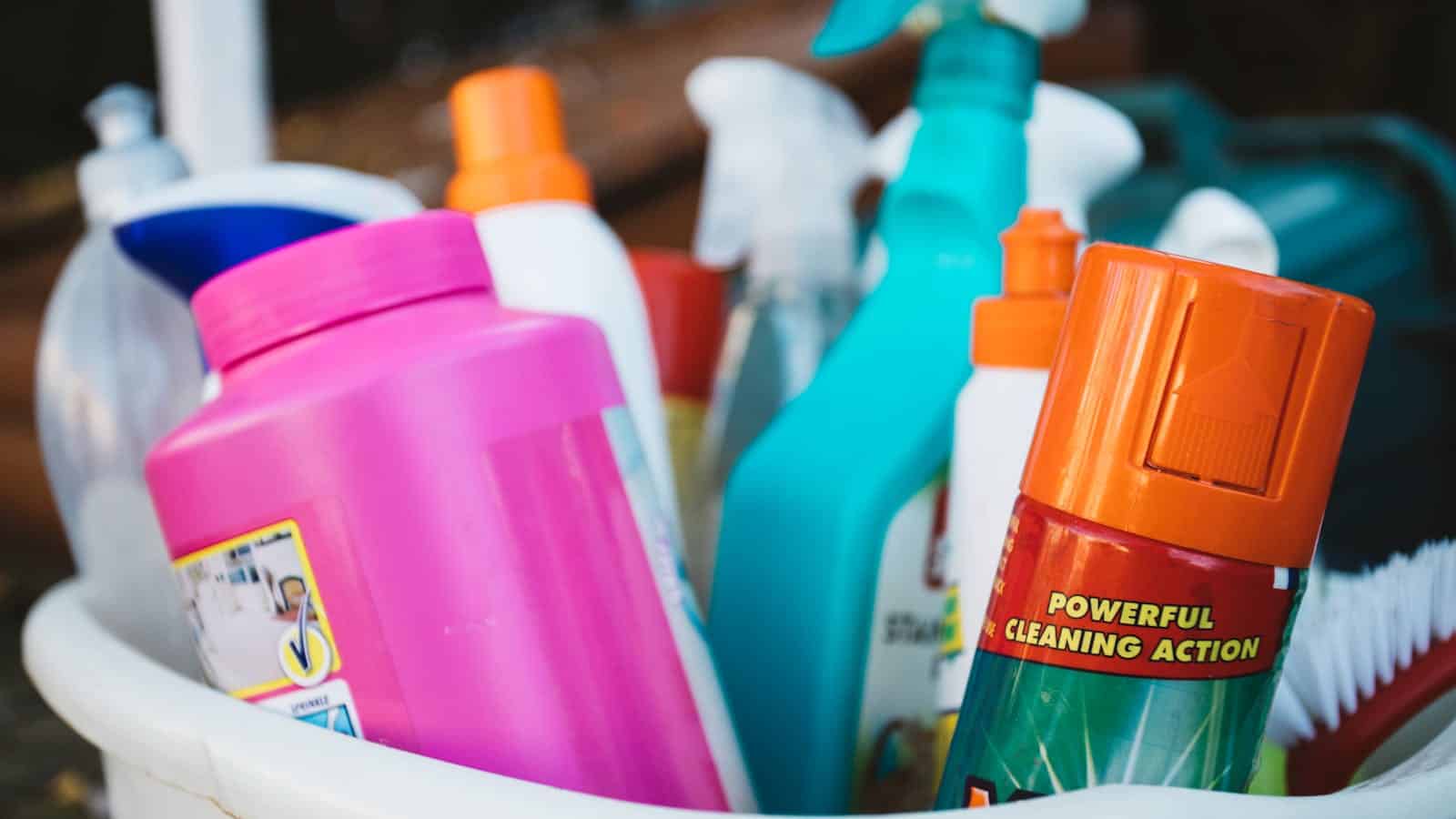
Commercial cleaning products have also seen a massive drop in demand. Instead of buying ten different specialized spray bottles, people are sticking to basic vinegar and water. Simple DIY solutions are proving to be just as effective as expensive brand-name sprays.
Even evening entertainment plans are getting a major sober edit. Giving up expensive alcoholic beverages at dinner has become a fast track to financial peace of mind. With restaurant food prices up 4.1%, cutting out alcohol is an easy way to slash the bill in half.
Tackling the micro-leaks in daily spending

Small, seemingly harmless expenses are being hunted down and eliminated with passion. Late fees and credit card interest penalties are no longer tolerated. By utilizing auto-pay features and tracking calendars, consumers are keeping their hard-earned money.
Lottery tickets have also lost their charm for many budget-conscious individuals. When money is tight, spending cash on a highly unlikely dream feels like a bad gamble. Instead, that cash is staying safely tucked away in high-yield savings accounts.
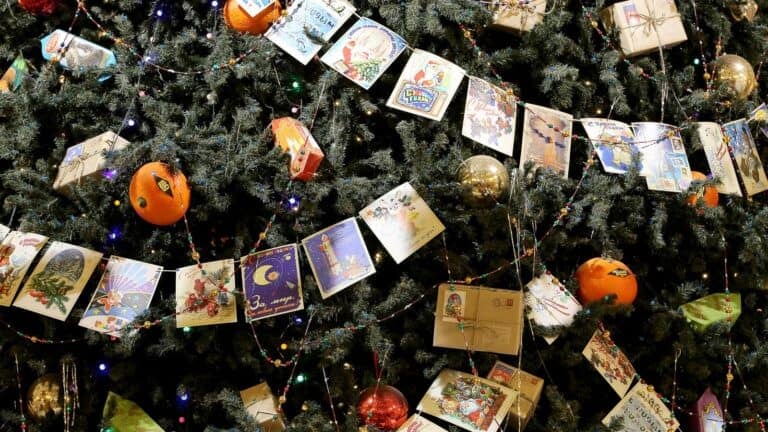
Even minor traditions, like buying commercial paper greeting cards, are being dropped. With single cards priced at $5 or more, digital greetings are becoming the new norm. It’s a small change, but those five-dollar savings add up quickly over a year of birthdays.
The new era of mindful spending

Ultimately, the trend of cutting back on these daily expenses is more than just a passing phase. It is a fundamental restructuring of how middle-class households view money and value. By ditching high-markup convenience items, consumers are reclaiming control over their personal finances.
These intentional cuts provide a powerful shield against a volatile global economy. When the cost of living feels completely out of control, saving starts at home.
Disclaimer – This list is solely the author’s opinion based on research and publicly available information. It is not intended to be professional advice.
Like our content? Be sure to follow us