Data centers spark voter anger and fallout
The digital cloud is running out of space, and local voters are finally pulling the plug.
A quiet political earthquake is reshaping the American countryside as communities clash with tech giants. Voter anger over massive resource consumption is toppling some of the country’s most powerful politicians.
Politicians who once championed data centers as easy money are suddenly finding themselves out of a job. It turns out that voters care much more about water bills and clean air than about hosting the latest artificial intelligence platforms.
The night the cloud broke the ballot box

Utah’s primary elections in June 2026 delivered a massive shock to the political establishment. State Senate President Stuart Adams, one of the most powerful Republicans in the state, lost his primary race to challenger Stephanie Hollist. Adams had served in office since 2008 and rarely faced any real opposition.
The loss sent shockwaves through state and national leadership. Hollist called the controversial Stratos data center project “the straw that broke the camel’s back” for angry local voters. She pointed out that people across the entire political spectrum are deeply worried about their local resources.
At the local level, the fallout was even more immediate and personal. Box Elder County Commissioner Lee Perry conceded defeat alongside fellow commissioner Boyd Bingham. Perry admitted that his vote to clear the way for the massive data center campus directly cost him his seat.
A local grassroots group called the Box Elder Accountability Referendum, or BEAR, celebrated the sweep. The anti-data center momentum carried the challengers to victory.
Commissioners argued they were bullied by state leaders and had no legal grounds to vote no. They claimed that rejecting the project would have triggered expensive lawsuits that the county couldn’t afford to fight. Still, voters felt completely blindsided by how quickly the massive deal was shoved down their throats.
Inside the massive Stratos energy footprint

The project at the center of the storm is the Stratos Project, backed by celebrity investor Kevin O’Leary. Originally, developers planned a massive 40,000-acre footprint, which is twice the size of Manhattan. While Utah is a pro-business state, the sheer scale of this project is almost impossible to grasp.
At full capacity, Stratos demands a mind-boggling nine gigawatts of power. That’s double the electricity used by the entire state of Utah. To generate that power, developers plan to build a dedicated natural gas power plant right on-site.
This single fossil-fueled facility would increase Utah’s carbon emissions by 55% to 64%. Locals are furious because Utah already suffers from notoriously bad seasonal air quality. Many feel that sacrificing their lungs for corporate computing power is a terrible trade.
Heat islands and atomic bomb math

The environmental math behind these server farms is genuinely terrifying to local residents. Physics professor Robert Davies estimated that the completed campus would dump 16 gigawatts of waste thermal energy into the valley. He warned that this is the equivalent of exploding 23 atomic bombs’ worth of heat into the high-desert environment every single day.
This concentrated heat could spike nighttime desert temperatures by up to 28 degrees Fahrenheit. Such a massive spike would completely devastate the local agricultural ecosystem. It’s a huge problem for a watershed that is already in active collapse.
Water is another major sticking point in this dry state. The project sits right next to the northernmost tip of the shrinking Great Salt Lake. While developers claim they will use closed-loop water technology, actual water needs remain a closely guarded secret.
The nationwide rural rebellion

This isn’t just a Utah problem; a broader rural rebellion is sweeping across the United States. In Festus, Missouri, voters recently ousted every single city council incumbent up for reelection. The purge happened just one week after officials approved a $6 billion data center development.
Festus resident Dan Moore, who won his seat on an anti-data-center ticket, said the fight struck at the community’s core. Citizens felt ignored by local leaders who privately called the opposition “uneducated.” Now, residents in the nearby towns of Pacific and St. Charles are launching similar rebellions.
In Port Washington, Wisconsin, voters passed a landmark referendum to restrict future projects. In Peculiar, Missouri, both the mayor and city administrator were forced out of office over data center deals. These clean sweeps show that the standard economic playbook for tech developers is completely broken.
Grid limits and the economic reality check
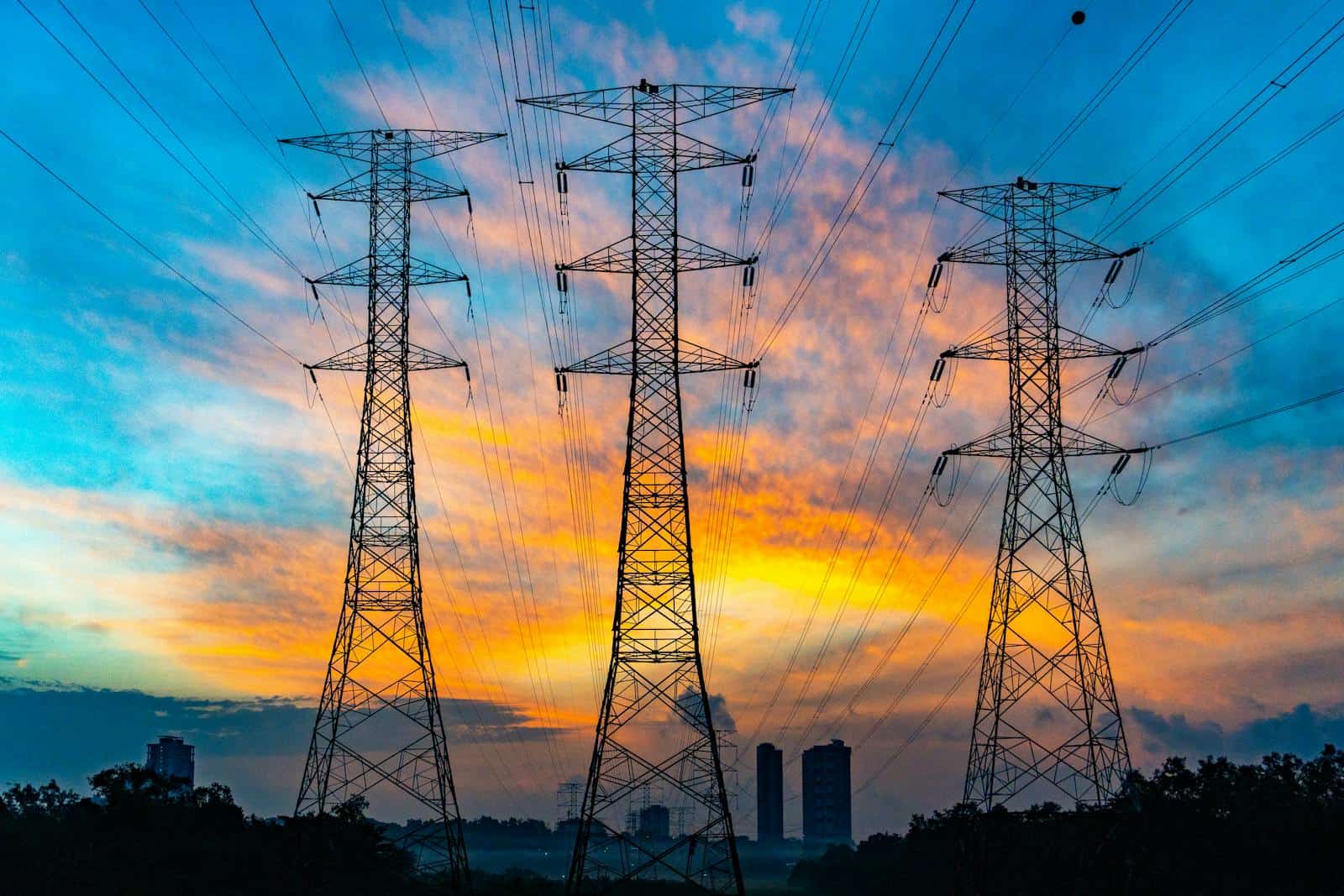
The fundamental issue is that data centers don’t bring long-term prosperity to the towns they occupy. Beyond temporary construction jobs, these fully automated facilities require very little human labor to run. Instead, locals are left with higher utility bills and dried-up water sources.
Tax breaks are also drying up as state governors realize the math doesn’t make sense. Illinois Governor JB Pritzker suspended state tax breaks for data centers to force more community-focused discussions. Other states are quickly shifting policy to protect their local power grids.
The national power grid is already running on fumes. Goldman Sachs reported that data center power demand will reach 66 gigawatts by 2027. By 2030, these massive facilities could chew up as much as 17% of all electricity used in the United States.
This rapid surge is forcing local utility companies to spike residential rates to cover grid upgrades. Citizens are refusing to subsidize tech multi-billionaires who are building massive tools to replace human jobs. The backlash is a classic struggle of local taxpayers refusing to let massive tech conglomerates socialize their losses.
The new blueprint for digital infrastructure

Tech developers are learning the hard way that they can no longer operate like a bull in a china shop. Kevin O’Leary rushed to scale back the Stratos project footprint by half after the intense public outrage. Yet, his late-stage adjustments weren’t enough to save the political careers of his key supporters.
The path forward requires a complete reboot of how these projects are approved. Future developments must establish absolute transparency and robust environmental safeguards before they break ground. If tech giants keep trying to run over local communities, voters will keep throwing them out of town.
What is the quick down-low?

Massive data centers are causing major political upsets across the United States. Longtime political incumbents in Utah and Missouri have lost their seats over resource-hungry tech projects.
The primary concerns are local, including skyrocketing power bills, massive carbon emissions, and water shortages. Voters are no longer willing to sacrifice their quality of life for the artificial intelligence boom.
The standard playbook of backroom political deals and tax handouts is officially broken. Developers must prioritize transparency, actual community benefits, and grid protections if they want to build in the future.
Disclaimer – This list is solely the author’s opinion based on research and publicly available information. It is not intended to be professional advice.
Like our content? Be sure to follow us