Why is binge-watching normal, but gaming for hours is “wasting your life”?
The remote gets a pass. The controller gets judged. A person can spend Saturday night watching six episodes of a crime drama and call it rest.
Another person can spend the same six hours gaming with friends and hear that they are wasting their life. Same couch. Same screen glow. Same stretch of time disappearing into a story, a world, a mission, or a cliffhanger. Yet one habit gets wrapped in the soft language of self-care, while the other is still treated as a warning sign.
The numbers make that double standard harder to ignore. Nielsen reported that streaming accounted for 47.5% of U.S. TV viewing in December 2025, a record share.
The Entertainment Software Association reported in 2025 that more than 205 million Americans usually play video games. Pew Research Center found that 85% of U.S. teens play video games, and 41% play daily.
So this is not a niche argument about teenagers in dark rooms. It is one national leisure habit staring at another national leisure habit and asking a fair question: why does one get called “comfort” while the other gets called “a problem”?
The Same Six Hours Get Two Different Stories
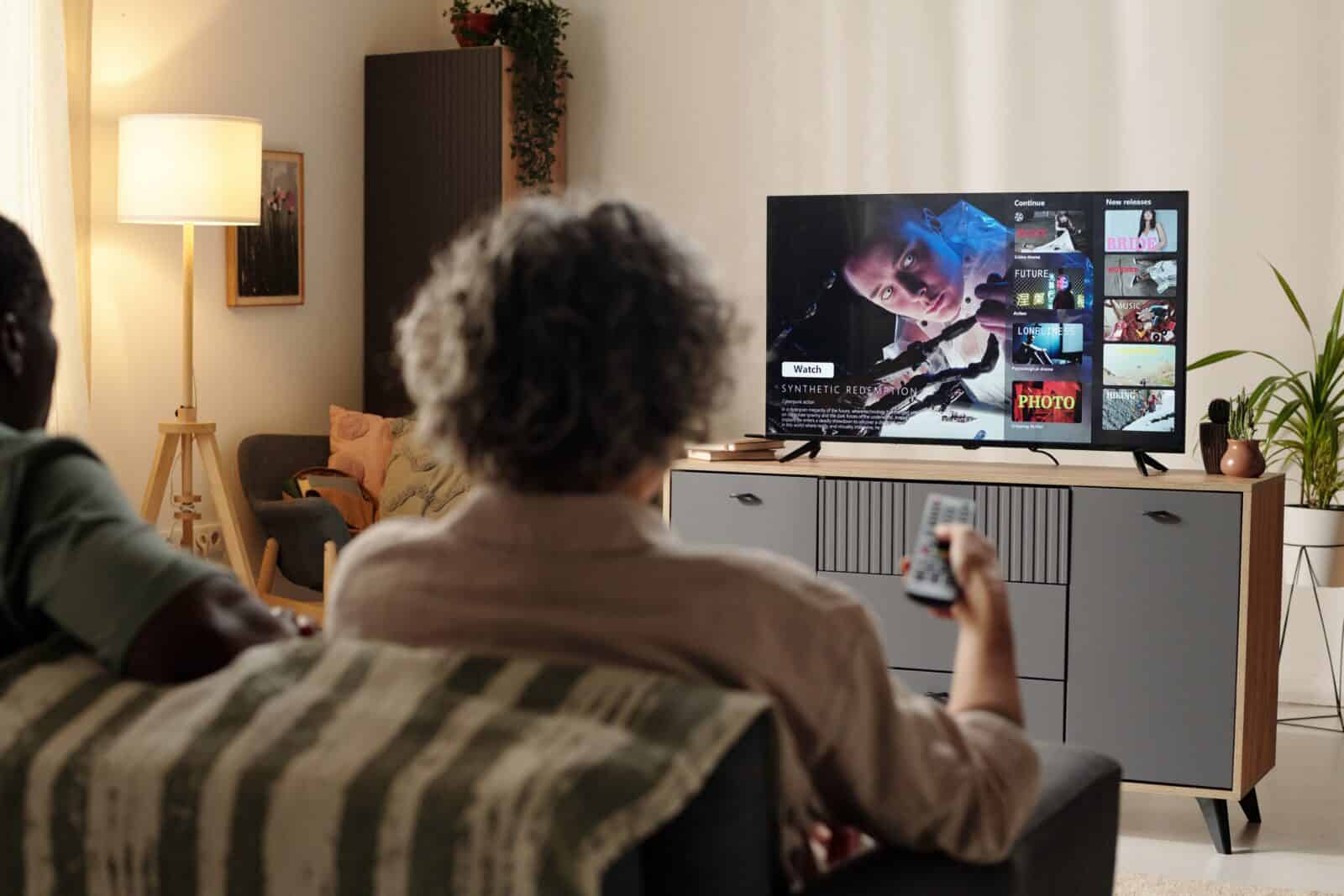
Streaming has learned how to sound cozy. A marathon of a hit show becomes “catching up,” “unwinding,” or “needing a lazy day.” Gaming often uses harsher language. It becomes “obsession,” “avoidance,” or “you need to grow up.”
That difference is cultural as much as medical. TV has decades of family-room history behind it, while games still carry old baggage from arcade panic, console wars, and the stereotype of the lonely teenage boy.
The numbers make that stereotype feel outdated. ESA’s 2025 report says the average U.S. player is 36 years old, and 28% of players are 50 or older. It also reports that 47% of players are women and 52% are men.
Gaming has grown into a broad adult habit, but many people still talk about it as if it never left the basement. Streaming gets a blanket. Gaming gets an intervention.
Streaming Won the Language War
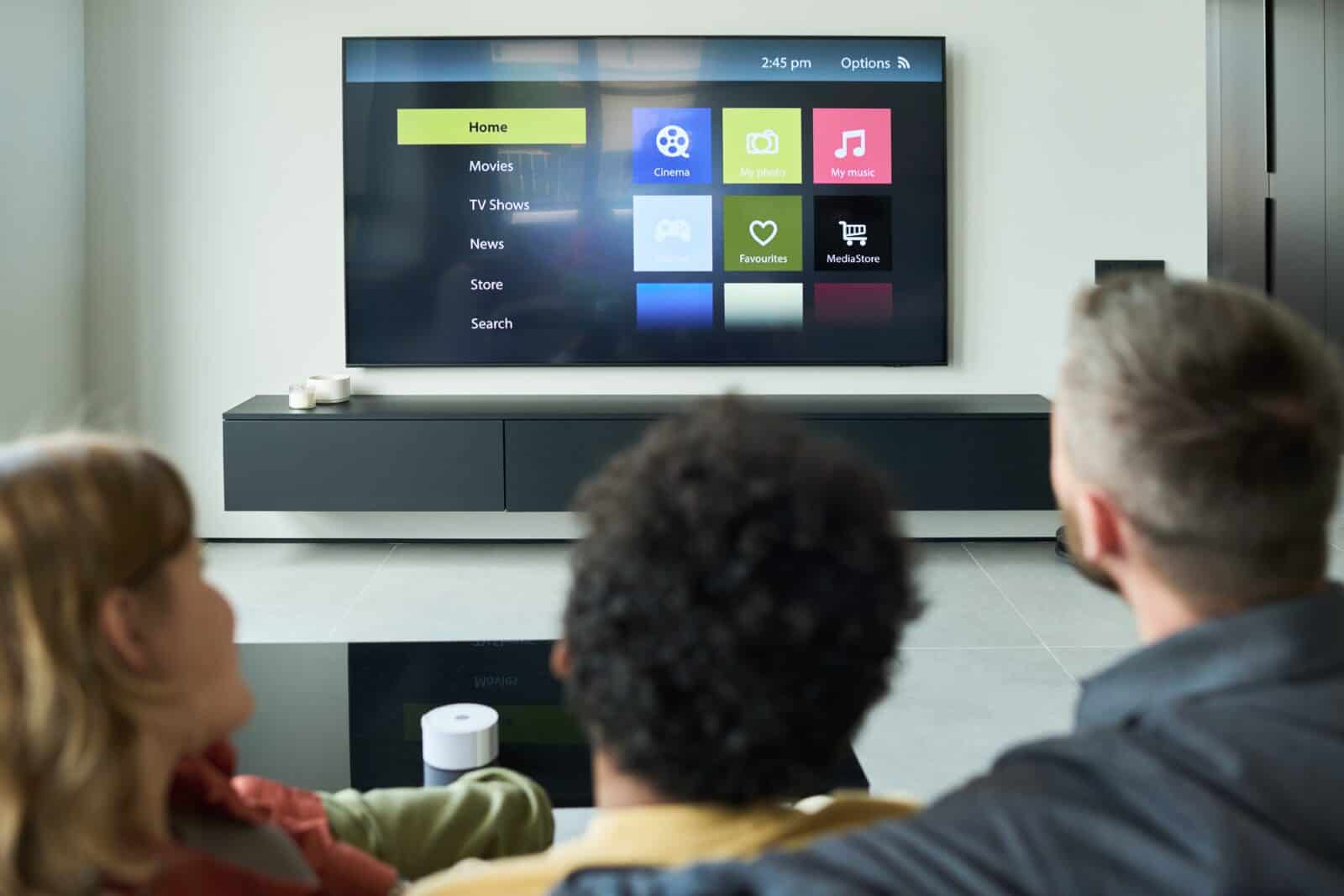
Streaming platforms did something clever: they turned overconsumption into a lifestyle. A whole season in one night can feel like a shared cultural event, especially with recaps, memes, group chats, and “Did you see the finale?” conversations waiting the next day.
Reuters reported that streaming’s December 2025 share crushed broadcast at 21.4% and cable at 20.2%, according to Nielsen’s Gauge report. That is not a side habit anymore. It is the main room of American TV.
Gaming has its own shared language, but outsiders often miss it. A raid, a ranked match, a co-op mission, or a Minecraft build can be as social as watching a finale with friends. Pew found that 72% of teen players say they game to spend time with others, and 47% say they have made a friend online through gaming.
The problem is visibility. A TV binge looks familiar from across the room. A headset can look lonely from the hallway, even if it is full of voices.
The Health Question Is Not Just “How Many Hours?”
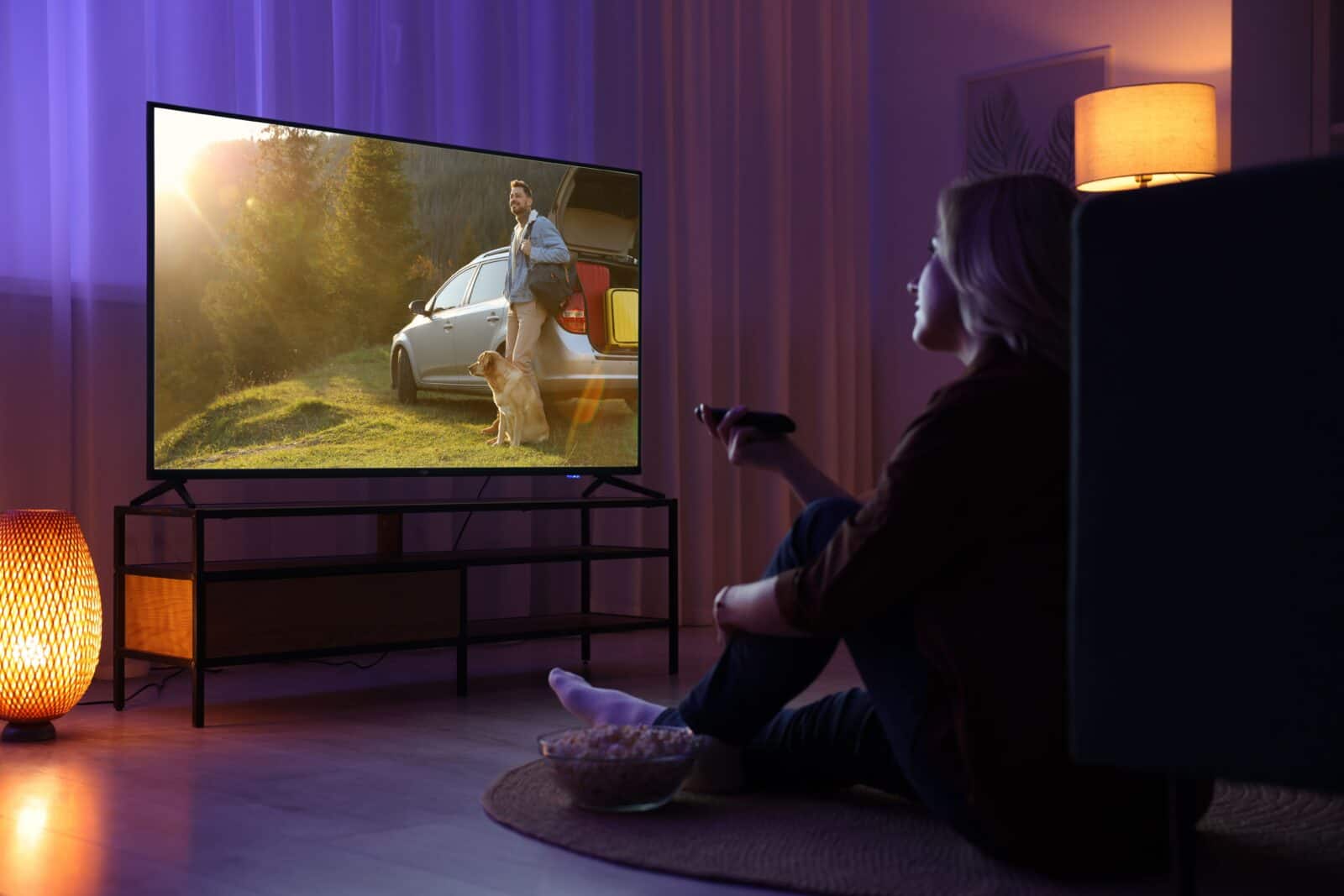
Heavy screen time deserves scrutiny, but raw hours do not tell the whole story. A 2026 JMIR study of 13,240 Chinese adolescents found that excessive leisure screen time was linked to poorer mental health, with an odds ratio of 1.18 for any mental health disorder.
The same study found that Internet Gaming Disorder was associated with a much stronger link, with an odds ratio of 6.58. That is a major difference. The fair reading is not “gaming is always worse.” The fair reading is that compulsive, harmful patterns matter more than a single long session.
Jonas Burén, Sissela B. Nutley, and Lisa B. Thorell note that “screen time is a poor indicator of addictive use of gaming and social media.” In normal language, hours can raise questions, but harm answers them.
Gaming Disorder Is About Damage, Not Enjoyment
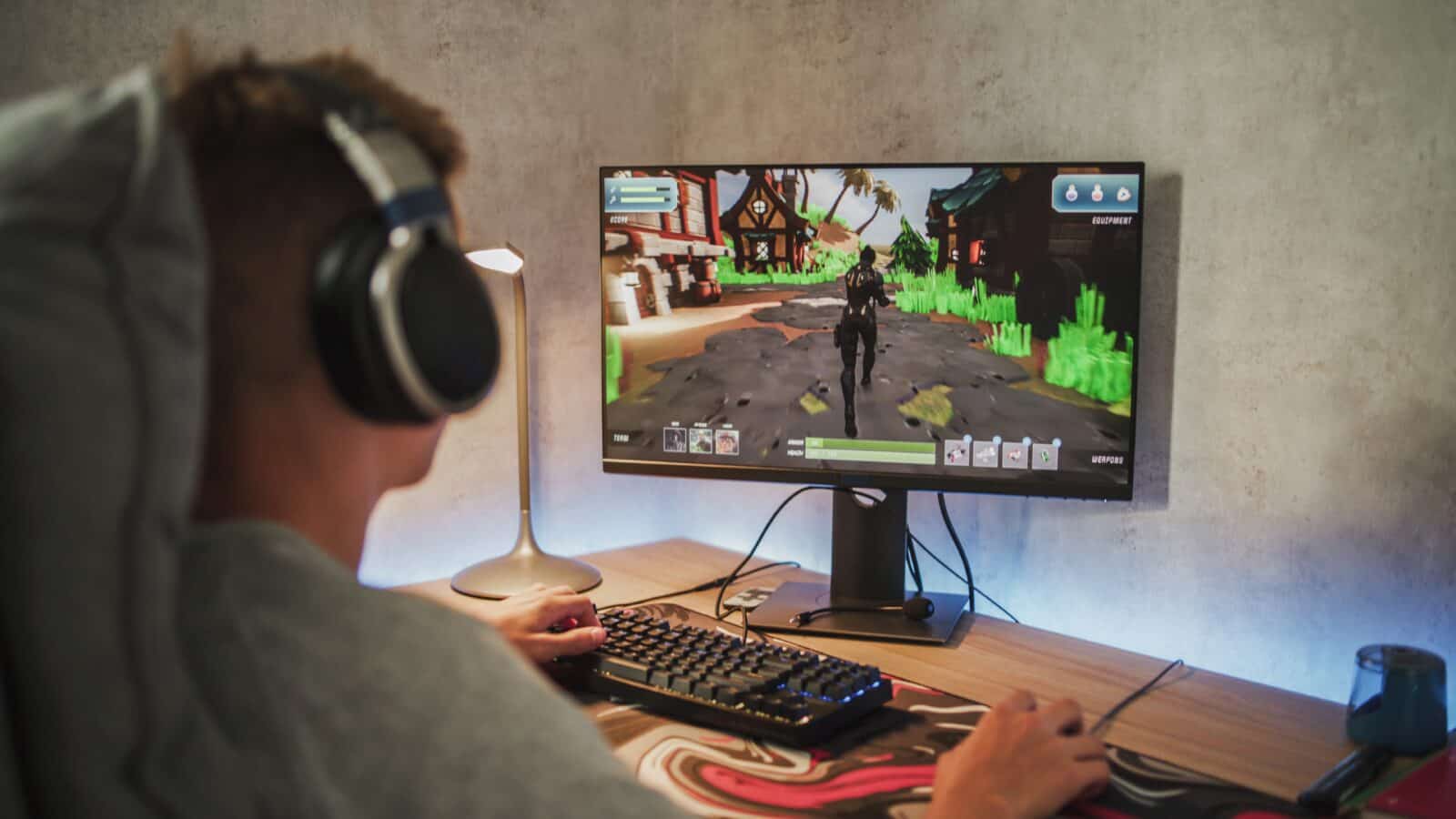
The World Health Organization defines gaming disorder as gaming marked by impaired control, growing priority over other activities, and continued play despite negative consequences.
That last part is the heart of it. A person who games for a long stretch on a free weekend is not the same as someone who cannot stop, while school, work, sleep, hygiene, or relationships fall apart.
WHO Europe’s 2024 data adds needed caution. It found that 34% of adolescents played digital games daily, 22% played for at least 4 hours on gaming days, and 12% were at risk of problematic gaming.
Dr. Hans Henri P. Kluge, WHO Regional Director for Europe, said that social media can have “both positive and negative consequences” and called for the importance of digital literacy education. That balance matters. The issue is not joy. It is a loss of control.
Binge-Watching Has Risks Too
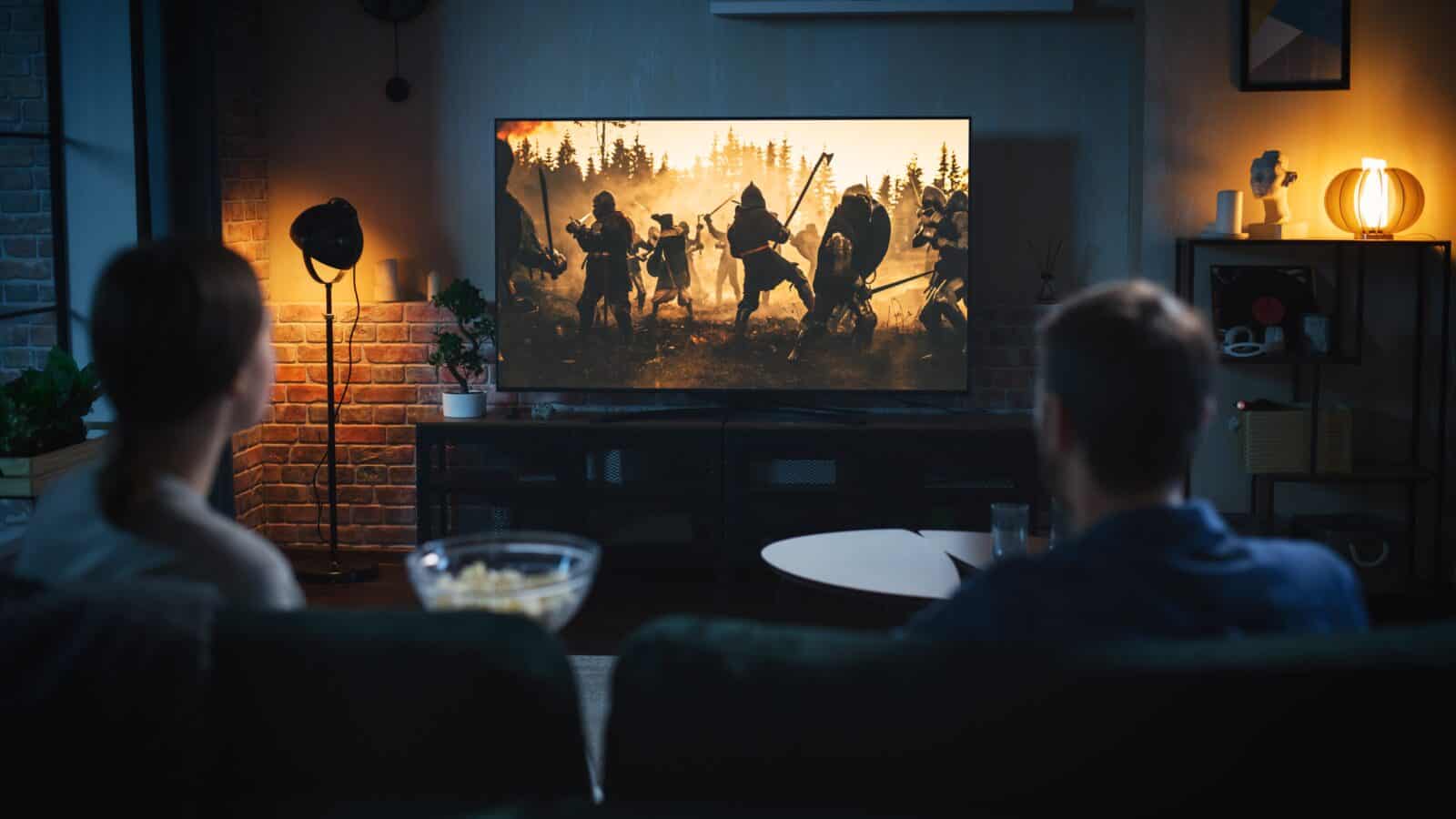
If we are going to worry about long gaming sessions, we should be just as honest about long streaming sessions.
A 2025 PLOS One study of 2,592 Hong Kong secondary school students found that binge-watching was linked to depression, anxiety, stress, loneliness, and lower educational self-efficacy. The same research defined binge-watching as five or more consecutive hours, which sounds a lot like the kind of TV marathon many people laugh off as a normal weekend.
Another PLOS One study found that 31.7% of students had binge-gamed in the past month, and binge gamers reported more depression, anxiety, stress, poor sleep, and lower educational self-efficacy than non-binge gamers.
In other words, the screen habit matters in both directions. We should not mock away gaming risk. We also should not give streaming a free pass just because it comes with popcorn and a prestige drama soundtrack.
Games Look More Intense Because They Ask You to Do Something
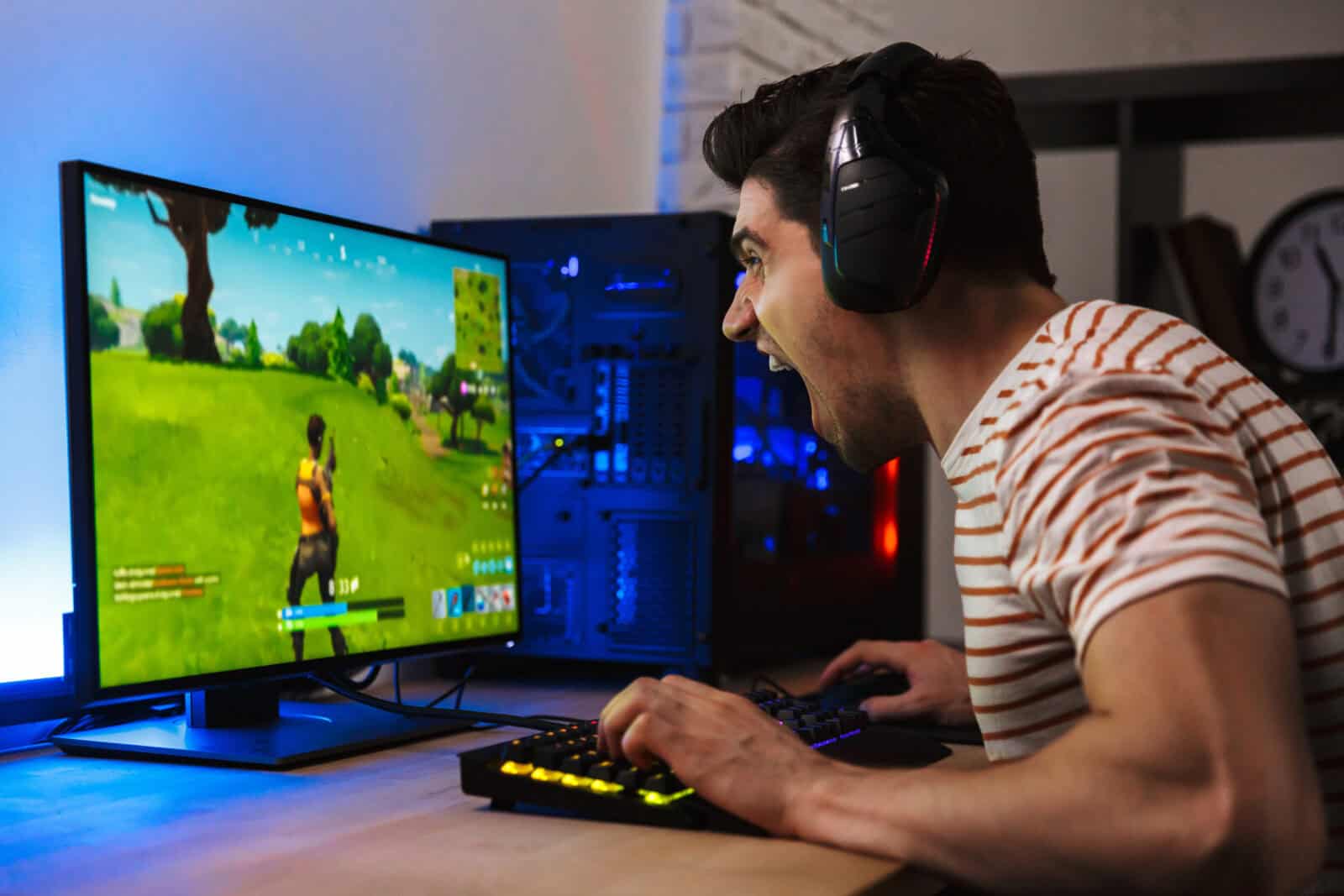
Part of the stigma comes from how gaming looks. TV asks you to sit back. Games ask you to react, compete, plan, fight, build, lead, fail, and try again. To a non-player, that level of focus can look like fixation. To the player, it may feel like problem-solving, teamwork, stress relief, or skill.
Pew’s 2024 teen survey captures that tension. More than half of teen players said gaming helped their problem-solving skills, while 41% said it hurt their sleep. That is the whole debate in two numbers.
Games can give something, and games can take something. Streaming can do the same. A show can comfort a person through a hard week, or it can become a nightly fog that steals sleep. A game can build friendships, or it can become the place someone hides from every hard part of life.
The Better Question Is What the Binge Replaces

A healthier conversation would ask the same questions of every screen. Did you sleep? Did you eat? Did you move your body? Did you show up for school, work, family, and friends? Did the activity leave you rested, connected, and happy, or numb, wired, and behind on your life?
That question works for a controller, a remote, a phone, and a laptop. It is not about defending every gaming marathon or shaming every TV night. It is about refusing to treat one screen habit as harmless by default and another as suspicious by default.
The medium matters, but the cost matters more. If six hours of anything keeps taking away sleep, health, relationships, or purpose, the problem is not the app’s label. The problem is the pattern.
What Readers Can Take Away
The double standard is real, but that does not make every gaming session innocent or every streaming binge harmless. Both can be social. Both can be lonely. Both can help someone decompress. Both can become a way to avoid life.
Research from Pew, WHO, JMIR, Frontiers in Psychology, and PLOS One points toward the same honest middle: context matters.
Maybe the better question is not why someone played all night or watched a whole season. Maybe it is what that night gave them, what it cost them, and why we are so quick to judge the controller while the remote sits quietly on the same couch.
Disclaimer – This list is solely the author’s opinion based on research and publicly available information. It is not intended to be professional advice.
Like our content? Be sure to follow us