Historians say one civic skill could help save democracy, but it’s fading fast
As the United States rapidly approaches its 250th birthday, a grim warning from leading historians suggests the country might not reach the next milestone without reviving a single dying skill.
This critical skill is compromise, the simple act of striking political bargains, and it’s currently disappearing at an alarming rate. Stanford University political scientist Josiah Ober warns that a refusal to negotiate threatens to dismantle the entire system. Without a swift return to cooperative bargaining, the world’s longest-lasting democracy faces a structural breaking point.
The dangerous decline of the civic bargain
A functioning democracy isn’t built on citizens getting everything they want. Instead, it’s a “civic bargain” made by individuals who choose to govern themselves without a boss. Ober explains that compromise simply means finding a point where both sides are better off inside a deal than outside it.
Unfortunately, modern politics has swapped this practical deal-making for a toxic, unproductive absolutism. Many leaders now define winning as the total destruction of their political enemies on the other side. This shift turns democratic processes into zero-sum battles where progress completely grinds to a halt.
This trend of democratic backsliding isn’t unique to the United States. Global data from the early twenty-first century shows a sharp retrenchment of liberal systems worldwide. The dangerous illusion that democratic institutions automatically endure over time has been thoroughly shattered.
Why the semiquincentennial is a wake-up call

The upcoming 250th anniversary shouldn’t just be celebrated with grand fairs and statue gardens. Princeton historian Eddie Glaude Jr. argues it’s a vital moment for the nation to finally grow up. He asserts that the country cannot heal while it remains trapped in a state of political adolescence.
“The divided soul of the nation is in full view,” Glaude points out. He notes that sanitized, storybook versions of history hide the real conflicts that have haunted America since the beginning. Focusing on trivial historical anecdotes while ignoring systemic failures like the erosion of voting rights keeps the country divided.
The metrics of structural division
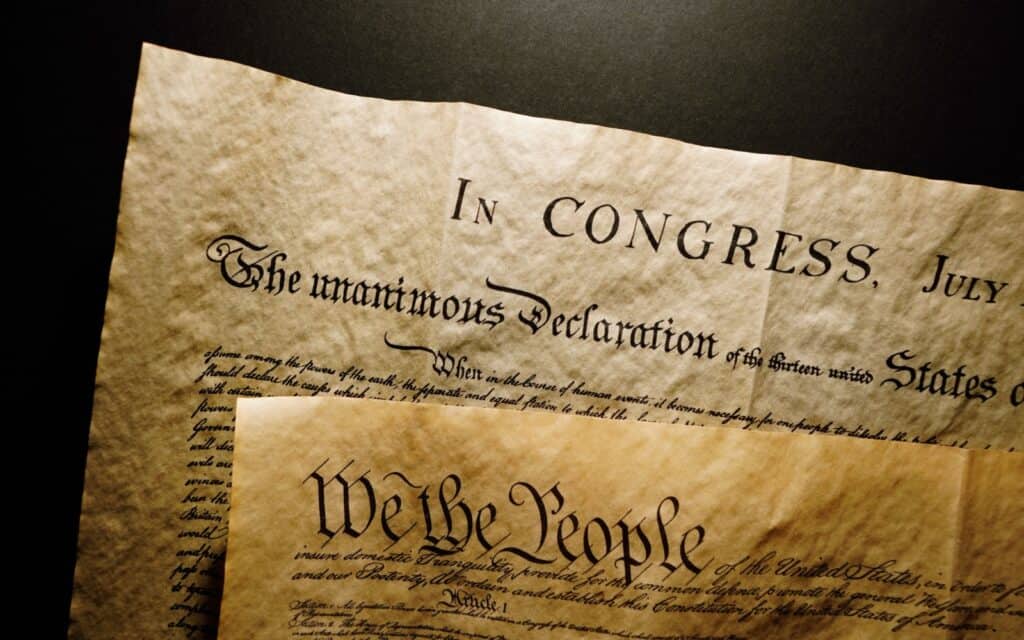
To understand the scale of the current gridlock, it helps to look at the numbers. The US Constitution was designed to be intentionally difficult to change, requiring massive consensus. The historical metrics of American governance highlight how rare structural consensus has actually been.
Factionalism versus constitutional morality
When a society loses its shared civic trust, the entire political system becomes fragile. Historian George Grote famously wrote about the necessity of cultivating a “constitutional morality.” This means having a paramount reverence for constitutional forms and trusting that rivals will respect those same rules.
It’s impossible to run a self-governing republic when opponents are treated as mortal enemies. A healthy civic bargain requires seeing others as friends who simply disagree, rather than existential threats. If this basic tolerance fades, the rule of law inevitably collapses into partisan warfare.
The core of democratic power isn’t just majority rule; it’s the collective capacity to solve problems. Real legislative success requires the painful, slow work of diplomatic negotiation. When absolute purity replaces the willingness to strike bargains, a society loses its ability to govern itself.
A survival strategy for a polarized republic

The lesson from 250 years of history is incredibly simple. If a self-governing people can’t master the art of the civic bargain, the system eventually breaks. Rediscovering the skill of compromise is the only realistic way to keep the republic.
Disclaimer – This list is solely the author’s opinion based on research and publicly available information. It is not intended to be professional advice.
Like our content? Be sure to follow us