A new mom is torn between protecting her toddler and letting her learn the hard way
Every parent eventually faces the same impossible question: when should a child be allowed to learn from a mistake, and when is the mistake too dangerous to let them learn from? That tension is at the heart of a recent Reddit discussion in r/Parenting, where a newer mom described her 1.5-year-old daughter as a fearless little climber who keeps standing on furniture despite repeated warnings.
The mother said her toddler had been climbing onto an old side table that belonged to her grandmother, as well as chairs, the couch, the bed, and even a cat tree. She had told the child to get down, moved her, corrected her, and tried to redirect her, but the behavior kept happening. Her question was not whether toddlers test limits. It was where the line between natural consequences and unsafe parenting sat.
The situation clearly resonated because it captured a struggle many parents know well: the exhausting daily work of keeping a curious child alive while also trying to raise a capable one.
Why did this parenting question hit a nerve
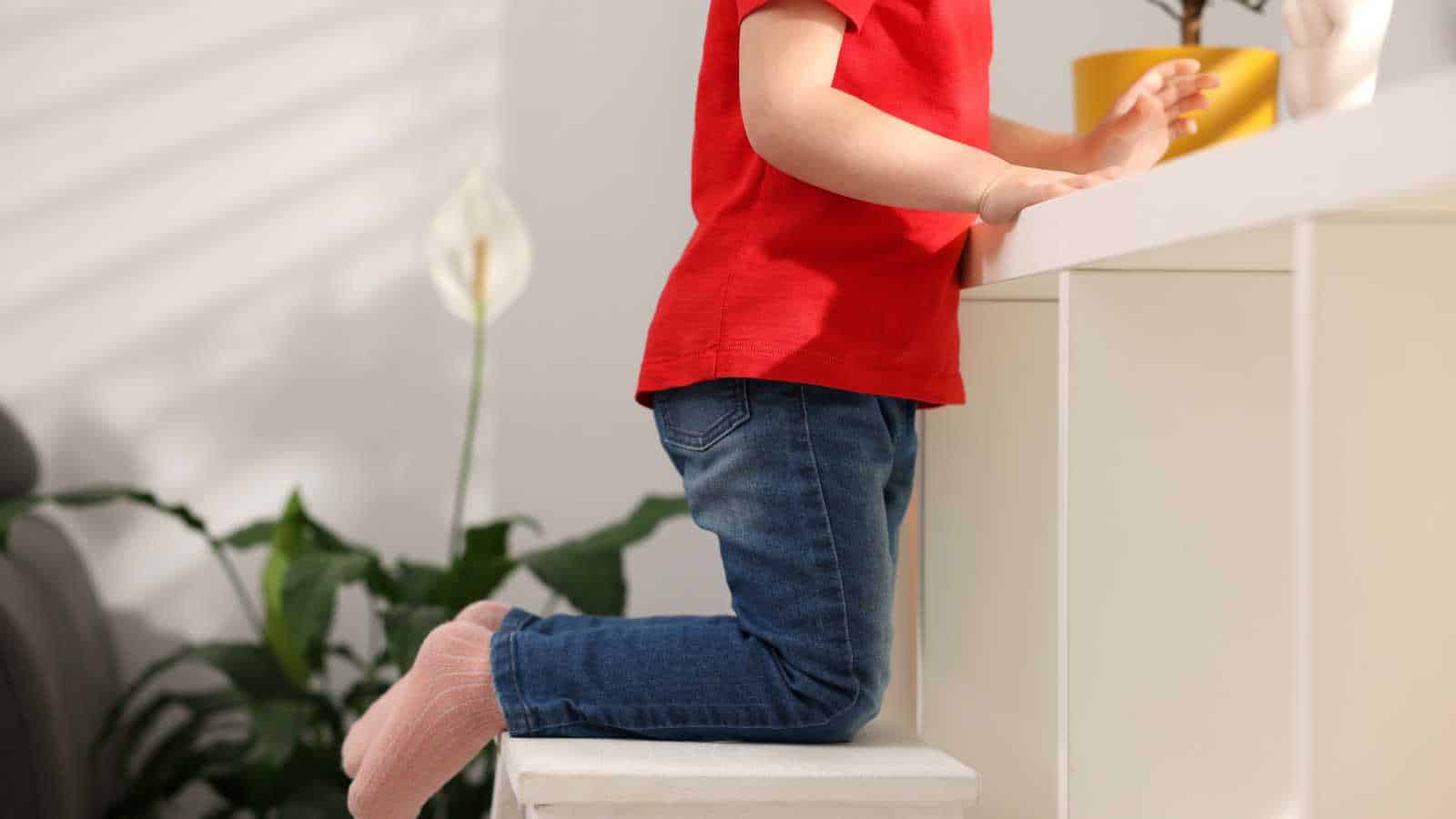
The post drew attention because it framed a small household moment as a much bigger parenting debate. On one side is the popular idea that children learn best when they experience the real result of their actions. On the other side is the hard reality that toddlers do not yet have the judgment, impulse control, or physical awareness to safely manage every risk presented to them.
Many commenters pushed back on the idea that a toddler falling off furniture should be treated as a useful lesson. Several argued that removing the child from the furniture, blocking access, or creating a safer climbing space was not overprotective, but age-appropriate. Others made a distinction between a harmless inconvenience and a real risk of injury.
A child getting wet after refusing rain boots is one kind of lesson. A child falling backward from a chair and hitting her head is another.
Toddlers are built to climb, test, and repeat
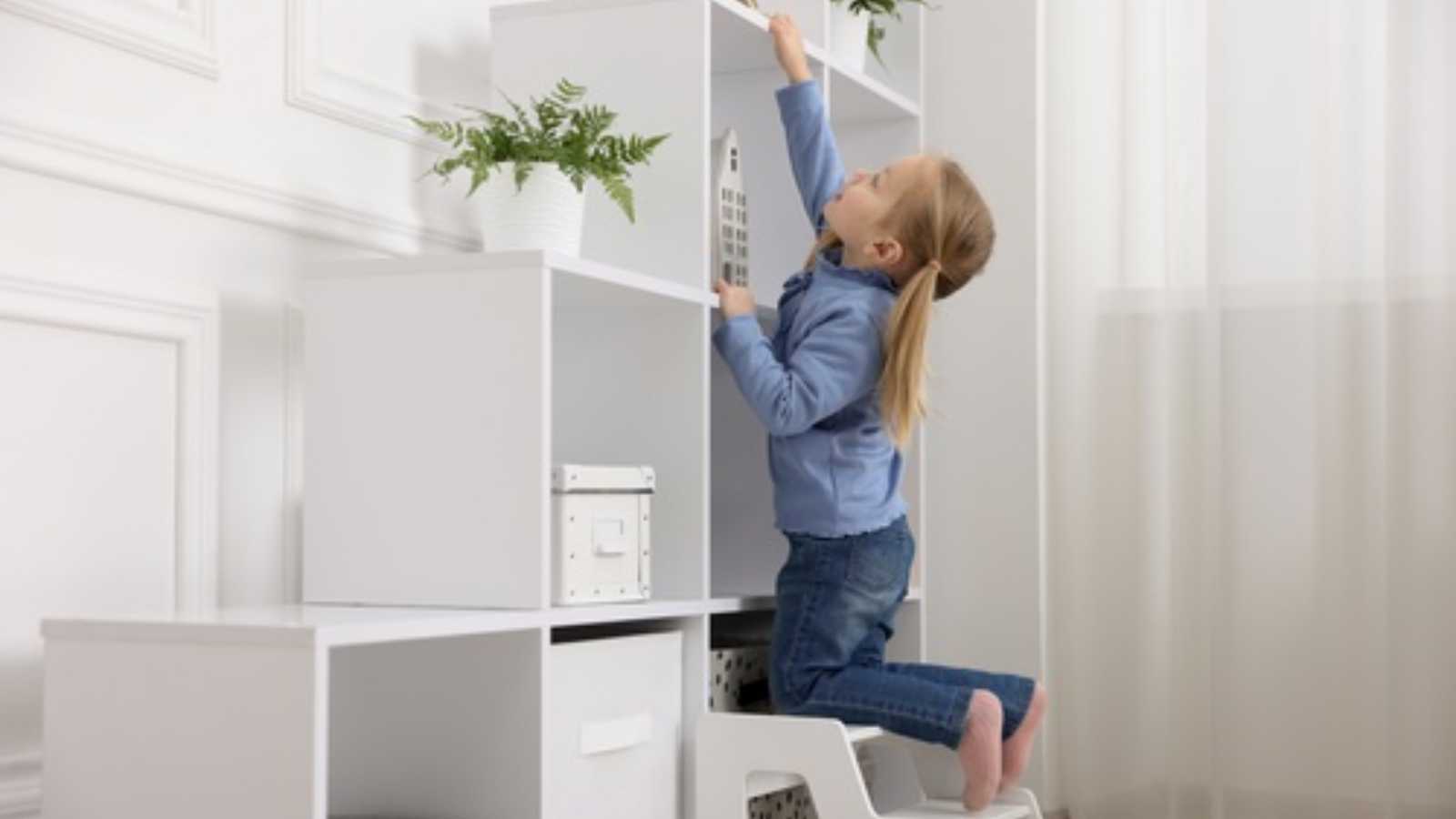
Part of what makes the mother’s dilemma so relatable is that climbing is not unusual at this age. The CDC’s 18-month developmental milestones include climbing on and off a couch or chair without help, along with walking independently, scribbling, and trying to use a spoon. In other words, the behavior that scares parents can also be a sign that a toddler is developing normally.
That does not make it easy to manage. Toddlers are mobile before they are wise. They can reach the chair, pull themselves up, and stand proudly on top of it long before they understand what a head injury is or why a wobbly table is different from a playground step. The mother’s description of constantly “putting out fires” is familiar because this stage often feels less like discipline and more like full-time risk assessment.
Natural consequences have a limit

Natural consequences can be useful when the outcome is uncomfortable but not dangerous. A child who refuses a coat may feel cold. A child who throws a toy may temporarily lose access to that toy. A child who dumps blocks may help clean them up. These are lessons that connect action to outcome without asking a young child to absorb harm from the teacher.
The American Academy of Pediatrics recommends discipline strategies that teach children to manage their behavior while keeping them safe. That phrase matters because it rejects the false choice between firm boundaries and warmth. Healthy discipline is not simply letting the world punish a child. It is showing, modeling, setting limits, and following through in ways a child can understand.
The safety stakes are real

This debate also matters because home injuries are not rare. CDC data show that accidents, or unintentional injuries, are the leading cause of death for children ages 1 to 4 in the United States. That does not mean every climb is a crisis, but it does explain why parents are right to take household risk seriously.
Furniture and tip-over hazards are especially concerning around young children. The U.S. Consumer Product Safety Commission reported that tip-over incidents involving furniture, televisions, and appliances injure an estimated 17,800 people each year, and children under 18 account for 44 percent of those injuries.
The agency also reported that children represented 71 percent of fatalities tied to the hazard, with children ages 1 to 3 making up 55 percent of reported tip-over deaths from 2013 through July 2023.
The bigger shift in parenting culture

The Reddit discussion also reflects a broader change in how many parents think about discipline. Older parenting scripts often framed obedience as the main goal. Newer conversations tend to focus more on development, emotional regulation, safety, and the difference between punishment and teaching. That shift can be helpful, but it can also leave parents second-guessing everything.
The National Academies’ work on parenting and child development notes that parents’ knowledge of child development is linked to parenting practices and child outcomes, including safer home environments and fewer unintentional injuries. That is important because many parenting mistakes are not caused by neglect or indifference. They occur when parents try to apply a good principle at the wrong developmental stage.
Guided risk may be the better answer
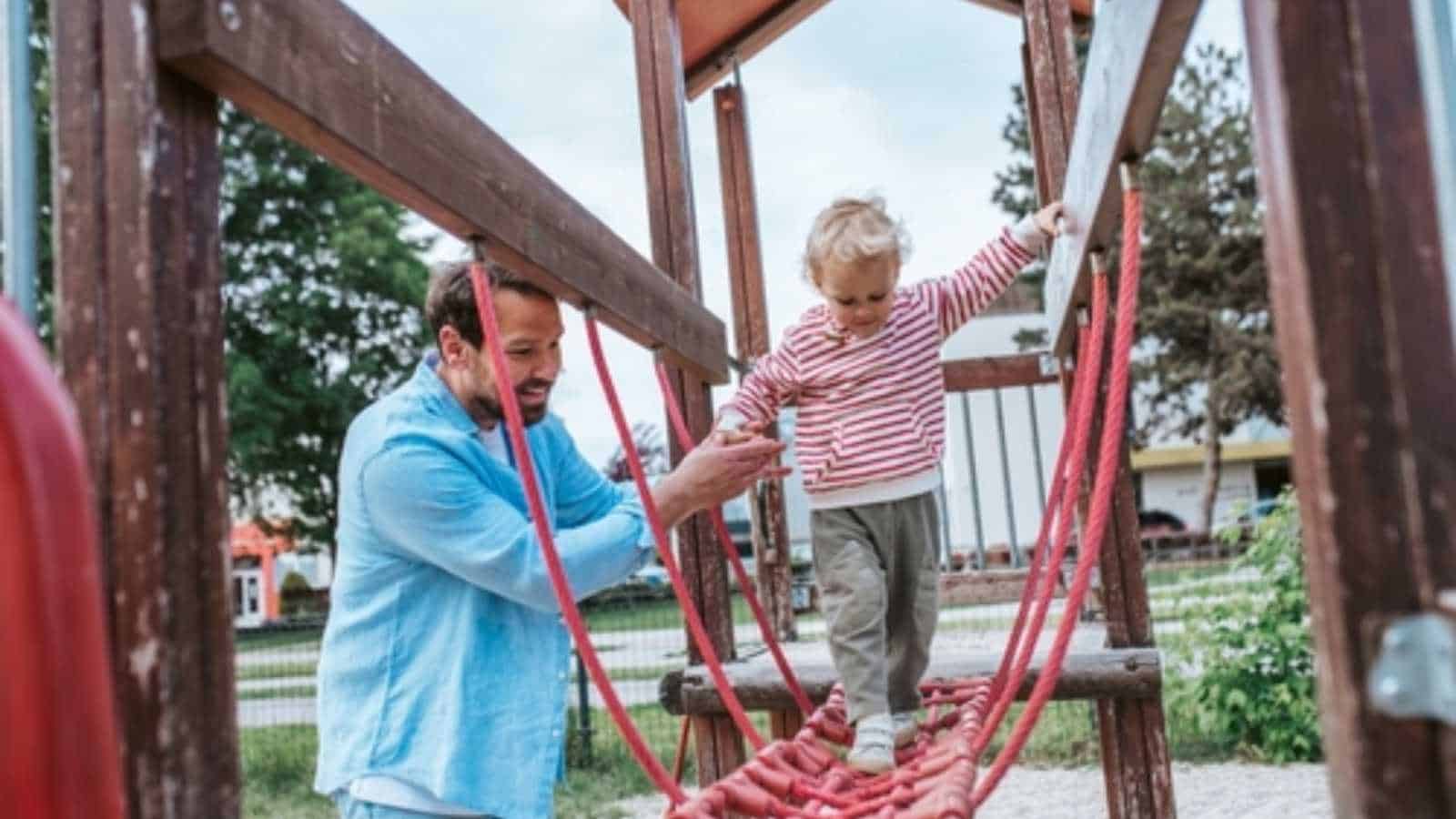
The most practical answer from the discussion was not “never let children fall” or “let them learn the hard way.” It was something more balanced: let toddlers take safe risks, but do not outsource safety to pain. A child who wants to climb may need a soft play structure, a climbing triangle, a couch cushion course, or more time on the outdoor playground. The impulse can be redirected rather than treated as defiance.
That approach gives the child what her body is asking for while still protecting her from hazards she is too young to evaluate. It also turns the parent’s repeated “no” into a clearer message: not there, but here. Not on the side table, but on the climbing toy. Not standing on the chair, but sitting on the chair or standing on the floor. For a toddler, that kind of simple, repeated boundary is often more effective than a lecture.
What can parents take from this moment?

The mother eventually updated her post to say she planned to look for safe, kid-friendly climbing toys, move unsafe items, and keep teaching when her daughter found another unsafe space. That ending may be why the discussion felt less like a parenting confession and more like a collective sigh of relief. She was not asking for permission to be careless. She was asking how to parent a child whose curiosity was outpacing her judgment.
The larger lesson is that good parenting is not measured by how calm a child is or how many times a parent has to repeat the same boundary. Sometimes good parenting looks boring, repetitive, and deeply inconvenient. It is moving the table, blocking the hazard, redirecting the climb, and doing it again tomorrow. Natural consequences can teach children plenty, but with toddlers, the adult still has to decide which lessons are safe enough to learn.
Final thoughts

This story resonates because it captures a modern parenting tension: children need freedom to explore, but toddlers still need adults to set the guardrails. Letting a child learn is valuable, but when the lesson involves a real risk of injury, protection is not overparenting. It is the job.
Disclaimer – This list is solely the author’s opinion based on research and publicly available information. It is not intended to be professional advice.
Like our content? Be sure to follow us