Simple car seat safety habits parents use to avoid forgetting a child in the back seat
The scariest parenting mistakes are often the ones no one believes could happen to them. That is why a recent discussion in Reddit’s community drew such a strong response from parents, caregivers, and safety-minded readers. A parent described having a 3-year-old and a 1-year-old at two different daycares, only to realize they had driven past the younger child’s daycare without stopping. The account has not been independently verified, but the fear behind it felt painfully familiar to many parents: a quiet child, a changed routine, a tired morning, and a brain moving on autopilot.
The discussion matters because this is not just a parenting-anxiety story. It is a safety story. NoHeatstroke.org, which tracks pediatric vehicular heatstroke deaths, reported 1,052 U.S. child hot-car deaths since 1998, including nine in 2026 as of June 30. The group lists an average of 37 deaths a year, while NHTSA says more than half of these deaths happen after a caregiver forgets a child in a vehicle.
Why this post struck a nerve

The Reddit post caught attention because it did not describe neglect in dramatic terms. It described something much more ordinary: a morning route, two drop-offs, and a parent suddenly realizing they had missed one. That is what made the conversation so unsettling. Many readers could picture the scene, especially parents who have driven to work half-asleep, distracted by deadlines, or mentally rehearsing the day before it even begins.
This is also why the replies focused less on judgment and more on systems. The thread’s moderators locked the post and directed readers to information on the science behind leaving a child in a car, while warning against rude or condescending reactions. That tone matters.
Research by neuroscientist David Diamond has described these cases as failures of prospective memory, the kind of memory used to remember a planned action later, such as stopping at daycare before going to work.
Physical reminders can interrupt autopilot
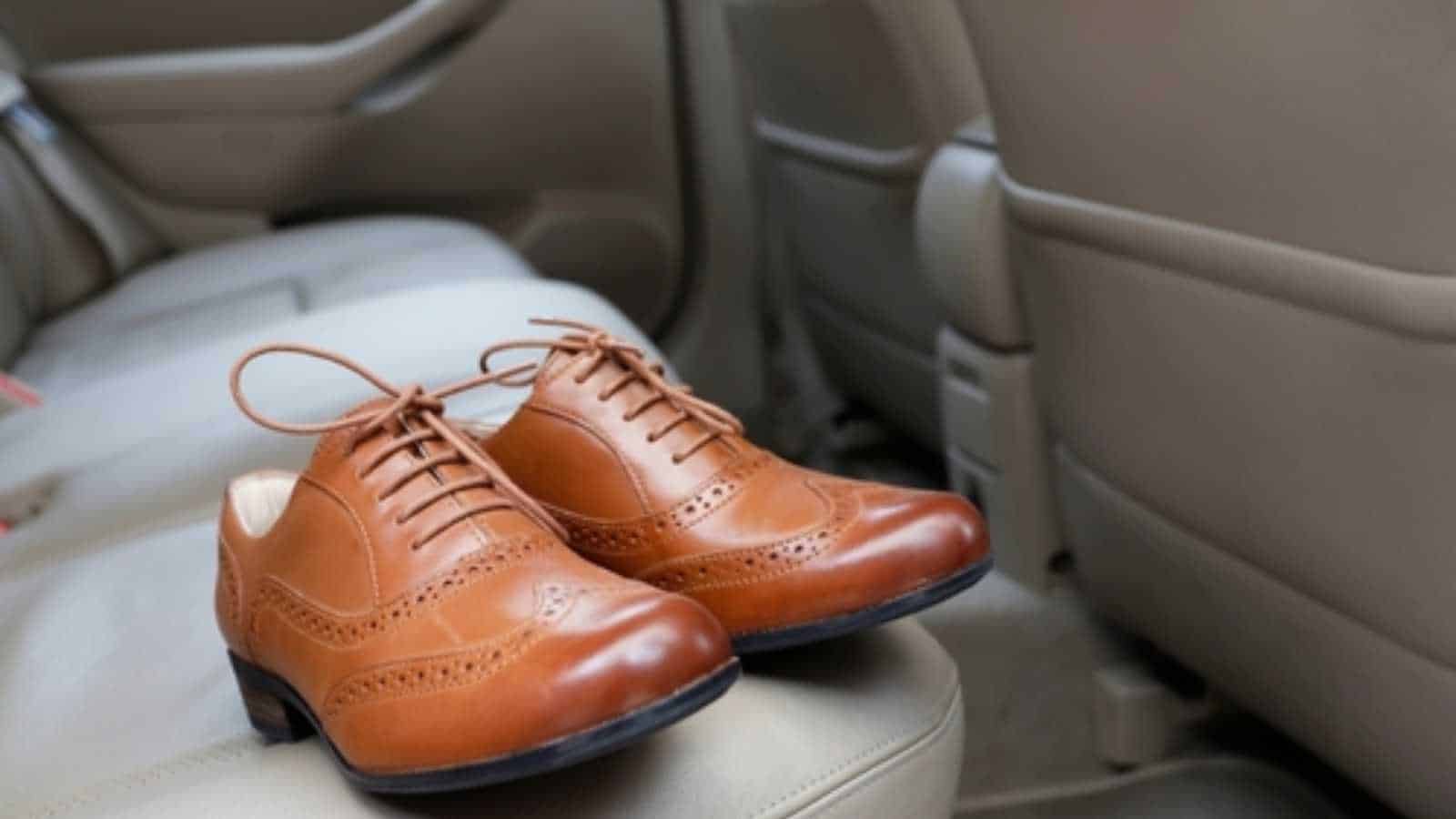
One of the simplest habits parents discussed was also one of the most memorable: put one shoe in the back seat. The original poster said they were trying that approach, and several commenters said a shoe, work badge, purse, phone, keys, or laptop bag near the car seat can force a parent to open the rear door before leaving the vehicle. The logic is not that a parent needs a gimmick. The logic is that a physical interruption can break the routine before the routine becomes dangerous.
Other parents liked bright visual cues. One suggested a lei or bold necklace worn while a child is in the car, then placed back on the car seat after drop-off. Another mentioned a colorful wristband that stays in sight while driving. A third common trick was the stuffed-animal method: keep a toy in the empty car seat, then move it to the front seat whenever a child is riding in the back seat.
NHTSA also recommends placing a personal item in the back seat or using a stuffed animal as a visual reminder.
Check-ins add a second layer of safety

The strongest habit in the thread may be the one that does not rely solely on the driver. Several parents described sending a “good drop-off” text after daycare. If the message does not arrive by a set time, the other parent follows up. Another parent said they take a photo of the empty back seat after drop-off and send it to their spouse. That small step creates proof, peace of mind, and a second person watching the routine.
This matches official safety advice. NHTSA recommends asking a child care provider to call if a child does not arrive as expected, and the American Academy of Pediatrics recommends that providers call if a child is more than 10 minutes late. These habits matter because many tragedies occur during a routine change, such as a different driver, a different route, or an unusual schedule.
In the Reddit discussion, parents were not just sharing hacks. They were building backup systems for mornings when memory is not enough.
Phones and cars can help, but they should not be the only plan
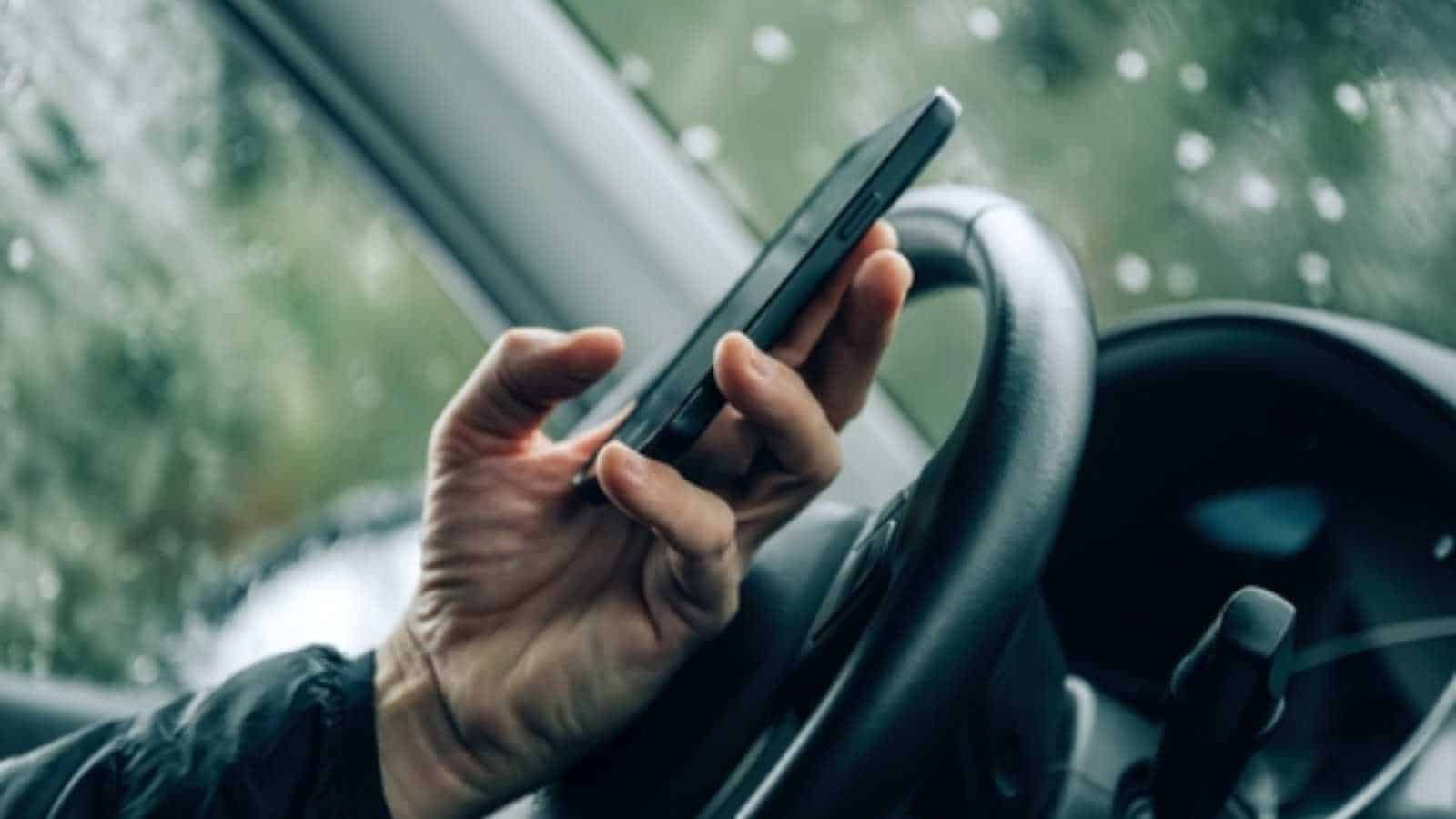
Technology came up often in the discussion. Some parents suggested setting a recurring alarm after drop-off time, preferably one that must be physically dismissed. Others recommended location-based phone alerts that trigger near daycare or work. Those reminders can be powerful because they are set up in advance and do not depend on a tired parent remembering to perform a new step every morning. One commenter noted that automated reminders may be better than adding yet another habit to an already busy routine.
Newer vehicles may also provide rear-seat reminders, and some commenters mentioned cars that alert drivers to check the back seat. Still, safety experts warn that technology should support habits, not replace them. AAP guidance says parents should always check the back seat, avoid distractions, and stay extra alert when routines change.
NHTSA adds that a child’s body temperature can rise three to five times faster than an adult’s, and heatstroke can begin around a core temperature of 104 degrees.
The heat danger rises faster than many people realize
One reason this topic keeps coming up every summer is that the inside of a vehicle can become dangerous faster than many people expect. The American Academy of Pediatrics says a car can heat up 20 degrees in just 10 minutes, and cracking a window or parking in the shade does little to reduce the danger. A Pediatrics study by Catherine McLaren, Jan Null, and James Quinn found that enclosed vehicles heat significantly even at moderate outdoor temperatures.
That is why the 11 habits are best understood as layers: one shoe in back, one bag in back, one bright wearable cue, one stuffed animal cue, one “good drop-off” text, one daycare call rule, one empty-seat photo, one recurring alarm, one location alert, one rear-seat vehicle reminder, and one hard rule to open the back door every time before locking the car. None of these habits says a parent is careless. They say the opposite. They recognize that love is powerful, but systems are safer.
What can parents take from the debate?
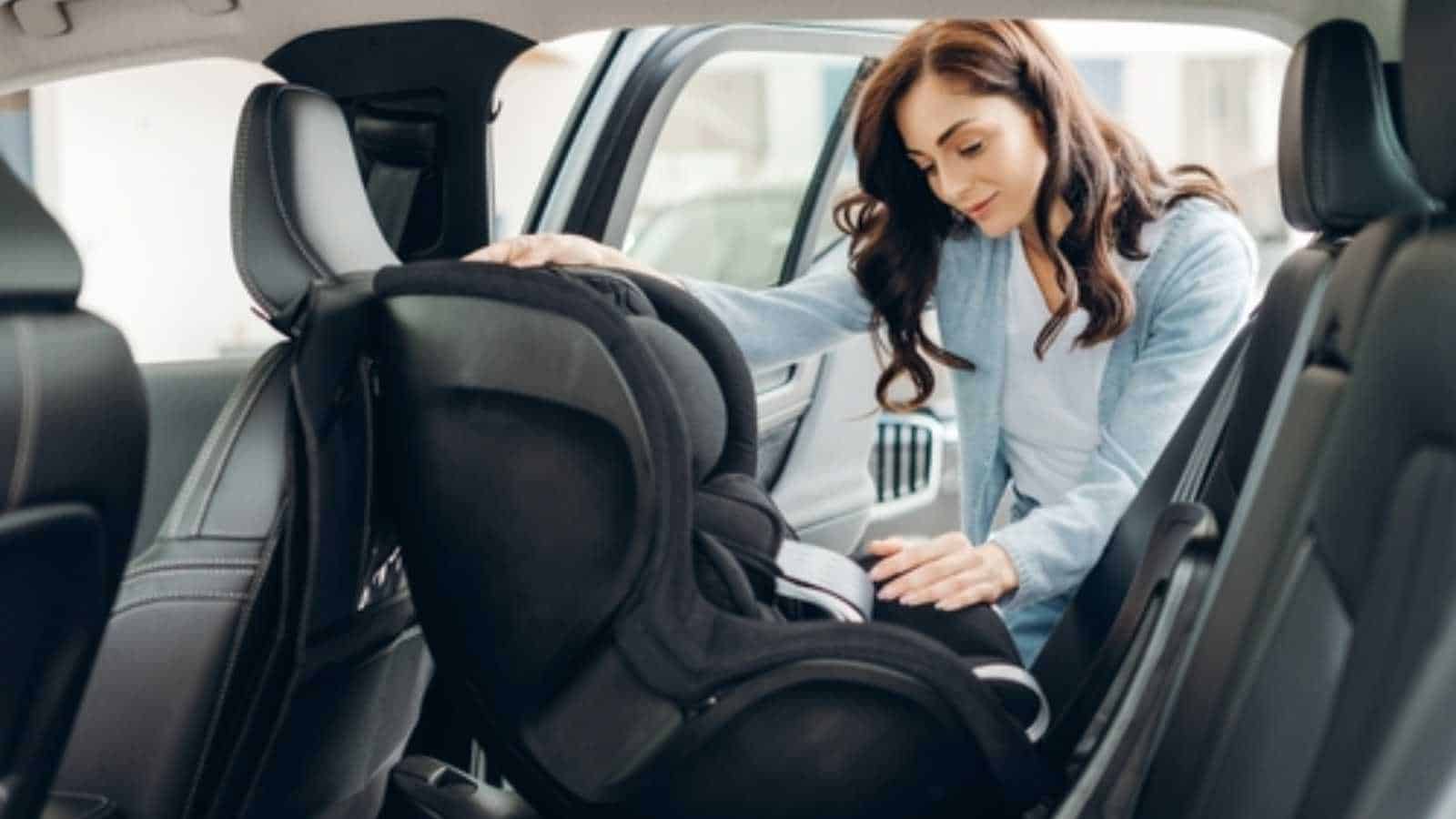
The larger lesson from the Reddit discussion is uncomfortable but useful: good intentions do not always protect children from human error. Tired parents can forget appointments, miss exits, leave coffee on the roof, or drive to work out of habit on a day when the routine has changed. In most cases, the result is inconvenience. In a hot vehicle, the margin for error can shrink quickly.
That is why the most responsible parents are often the ones willing to admit they need reminders. They do not treat memory as proof of love. They treat prevention as part of care. A shoe in the back seat may look odd. A daily text may feel excessive. A daycare call rule may seem dramatic until the one day it matters.
Key takeaway
The safest car seat habit isn’t a single perfect trick. It is a layered routine that assumes any parent can have an off morning, then builds enough reminders around the child to make one missed step far less likely to become a tragedy.
Disclaimer – This list is solely the author’s opinion based on research and publicly available information. It is not intended to be professional advice.
Like our content? Be sure to follow us