11 things you may think you own but legally don’t
Ownership once meant possession, but today it often ends where the fine print begins.
You probably love the feeling of buying something new and claiming it as your personal property. You hand over your cash, grab the receipt, and happily walk away believing you have total control over your purchase. The harsh truth is that modern property laws are incredibly complicated.
Many items in your daily life come with hidden strings attached that strip away your actual ownership rights entirely. Companies use clever legal loopholes and massive user agreements to maintain control long after the transaction is complete. You might feel totally shocked when you discover what you actually possess in your own home.
Digital Movies and Music
Buying a digital movie feels just like buying a physical disc back in the good old days. The reality is that you are simply purchasing a license to view the content on a specific platform. If the streaming service goes bankrupt or loses rights to the film, your purchased copy will vanish completely.
This exact scenario has already frustrated countless users who lost access to their favorite digital libraries overnight. Physical music sales account for less than 20 percent of total industry revenue in 2025. Because most people rely entirely on digital streams, true ownership of media is becoming incredibly rare.
Ebooks and Audiobooks

Your massive collection of digital books might look impressive on your favorite electronic reader device. You actually just hold a restricted license to read those books under very specific conditions. You cannot legally resell them, donate them to a local library, or leave them to your kids in your will.
The platform can delete a book from your device remotely if they discover a copyright issue. Amazon highlighted this issue years ago by famously deleting unauthorized digital copies of George Orwell’s books from user devices. You have very little recourse if a digital retailer decides to close your account forever.
Computer Software and Applications

We click accept on endless software agreements without giving the text a second thought. A famous 2023 survey by Deloitte revealed that 91 percent of consumers consent to legal terms without ever reading them. You are simply renting the privilege to use the software on your personal computer.
Software companies retain the absolute right to alter the program or revoke your access entirely. They can force you to pay for new subscription models even if you bought a lifetime license years ago. Your favorite productivity app belongs entirely to the developers who wrote the original code.
Video Games and Downloadable Content

Gone are the days when you could trade your finished video games with a buddy. Digital storefronts strictly prohibit the transfer or resale of any downloaded game tied to your account. If you get banned from the gaming network for a minor infraction, you lose your entire collection instantly.
According to Newzoo, the global digital video game market generated over 200 billion dollars in 2025. Players sink massive amounts of cash into digital outfits and weapons that remain the sole property of the publishers. You are merely a temporary guest in their virtual playgrounds.
Photos Uploaded to Social Media
Snapping a beautiful picture and posting it online feels like sharing your personal art with friends. The second you upload that image, the platform claims a sweeping license to use it however they please. You still hold the original copyright, but you just permitted them to distribute it globally for free.
They can legally use your smiling face to promote their services or sell advertisements without paying you a dime. A Pew Research Center report states that 68 percent of American adults actively use social media sites. Millions of users willingly hand over the commercial rights to their family memories every single day.
Your Own Genetic Data

Spitting into a tube to discover your ancestry sounds like a fun weekend science experiment. Once you mail that sample away, the testing company often claims the right to analyze and monetize your genetic code. They can sell anonymized versions of your DNA data to pharmaceutical companies for massive profits.
You completely lose control over who gets to study the biological blueprints of your body. An Enzuzo report showed that 73 percent of consumers worry deeply about data privacy. Reading the fine print is absolutely vital before you trade your bodily privacy for a fun family tree.
The Domain Name of Your Website

Launching a small business usually starts with registering a catchy website name on the internet. You are actually just leasing that web address from a central registry for a set period of time. If your credit card expires and you miss the renewal fee, someone else can grab it immediately.
You have to keep paying the registration fees indefinitely to maintain control of your digital storefront. The governing bodies of the internet can also revoke your address if they suspect illegal trademark infringement. True permanent ownership of a web address simply does not exist anywhere on the web.
Digital Fonts and Typefaces
Graphic designers spend hours picking the perfect lettering for a new company logo or advertisement. Buying a beautiful font online only gives you a specific license for limited commercial or personal use. You cannot share the font file with your clients or install it on multiple computers without permission.
Font creators aggressively protect their intellectual property with strict licensing agreements and hefty legal threats. Using a personal font for a massive commercial advertising campaign can result in thousands of dollars in penalties. Always check the exact licensing terms before you fall in love with a stunning new typeface.
Your Favorite Pet

We treat our dogs and cats like absolute royalty and view them as legitimate members of the family. The legal system stubbornly views your beloved animal companion as a basic piece of personal property. This means custody battles over pets during a divorce are handled exactly like dividing furniture or cars.
The American Pet Products Association notes that 95 million households currently have at least one pet. Despite this incredible emotional bond, the law rarely acknowledges the deep value of your furry best friend. Animal rights advocates are slowly pushing to change these outdated definitions across various state courts.
The Airspace Above Your House

Buying a nice house with a big backyard makes you feel like the king of your own little castle. You actually only control the immediate area above your roof that you can reasonably use. Commercial airplanes and local helicopters have total federal authorization to cruise right over your backyard barbecue.
The government declared the upper atmosphere a public highway decades ago to allow for modern air travel. You cannot legally build a giant tower to block aircraft or shoot down commercial drones crossing your property line. Your kingdom officially ends exactly where the public skies begin overhead.
Money Deposited in the Bank
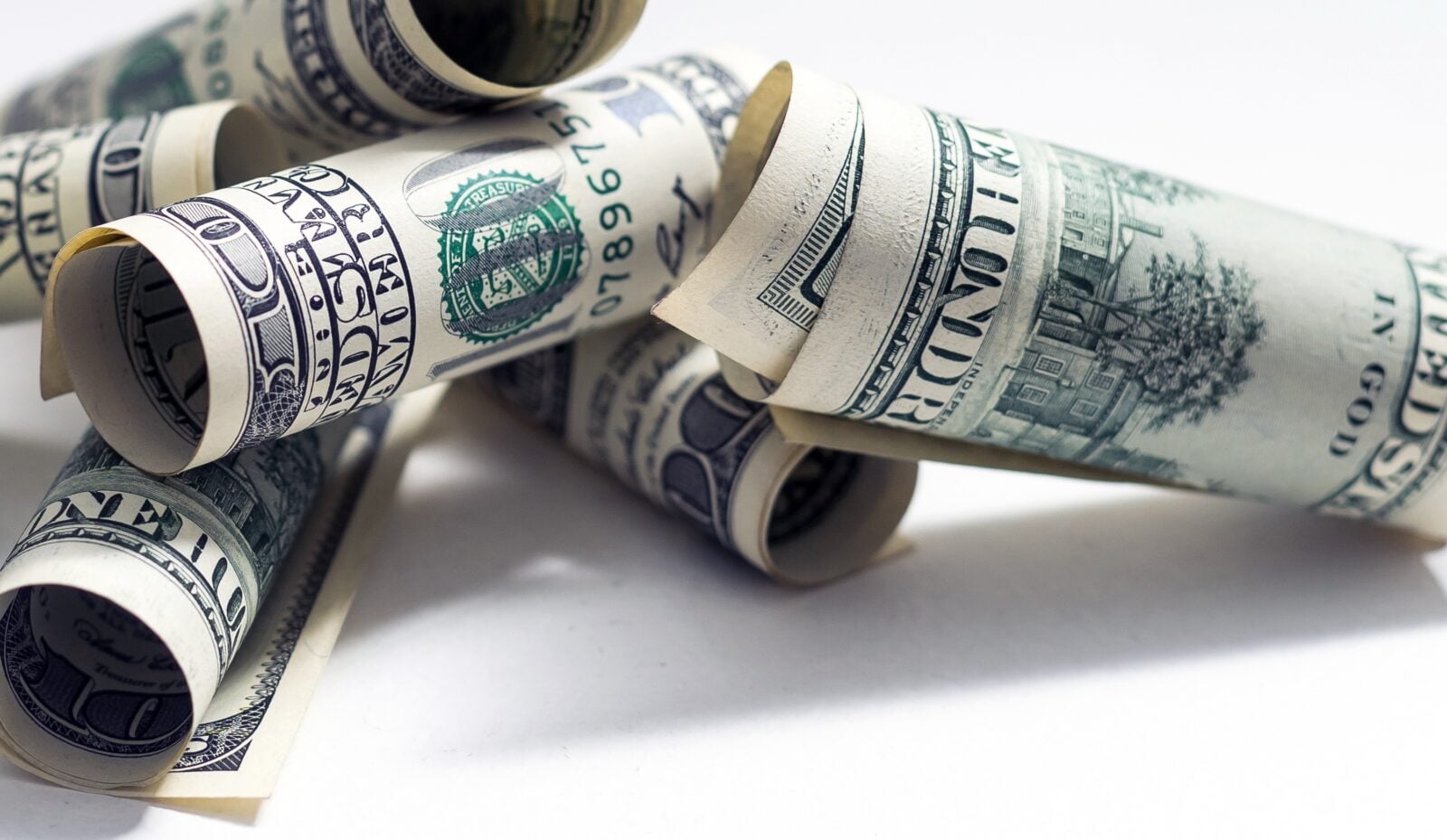
Handing your paycheck to a bank teller feels exactly like putting it into a highly secure personal vault. Legally speaking, you are actually lending that cash to the bank to use for their own investments. They take your money, lend it out to other customers, and owe you a debt equal to your balance.
If the bank completely collapses, you have to rely on federal insurance to recover your missing funds. You are essentially crossing your fingers and trusting a massive financial institution to manage your hard-earned wealth responsibly. You become an unsecured creditor hoping to get your loan back if the banking system fails.
Like our content? Be sure to follow us