12 reasons Americans are losing faith in their country
Every day, citizens across the nation are dropping their jaws at the steady erosion of traditional institutions and cultural unity. The old idea of a bright American dream seems to be fracturing into a thousand pieces for regular folks who work hard every single day.
The common bonds that once tied neighborhoods together are wearing thin, leaving a growing number of people feeling isolated, ignored, and deeply worried about tomorrow.
According to a study from the Pew Research Center, about 69% of U.S. adults say they are dissatisfied with the way things are going in the country today, and describe the public mood as distinctly sour as the United States approaches its 250th birthday.
This powerful finding highlights how deeply the average household is hurting as structural issues start hitting home in both small towns and large metropolitan cities.
Educational Institutions Missing The Mark

Public classrooms are struggling under the weight of severe teacher shortages, outdated institutional learning models, and shrinking local budgets. Highly qualified educators are leaving the profession in droves, exhausted by low pay, a lack of administrative support, and endless political culture-war arguments.
Parents worry that schools are no longer preparing children to succeed in a highly competitive, technology‑driven global economy. National studies on teacher shortages describe widespread vacancies, especially in high‑need subjects and districts, and warn that these staffing gaps can undermine student learning and long-term opportunity. It leaves families feeling like the next generation is being shortchanged by an indifferent system.
Vanishing Trust In Federal Governance

Walking into any local town square reveals a massive wave of collective disappointment directed at elected leaders in Washington. Regular citizens feel like their voices are completely drowned out by wealthy special interest groups, massive corporate lobbyists, and endless partisan bickering. The political machine feels entirely disconnected from the actual needs of the people it is supposed to serve.
Recent research shows that trust in the federal government is near a historic low, with only about 17% of Americans saying they trust it to do what is right just about always or most of the time. This collapse of confidence turns the grand promise of representative democracy into a frustrating spectator sport for working families who feel utterly abandoned.
The Broken Promise Of Modern Careers

Putting on a suit or uniform and working forty hours a week no longer guarantees a comfortable middle-class lifestyle for college grads or trade workers. Young professionals are discovering that hard work alone cannot keep pace with the hyperinflation of everyday living costs.
Many individuals are forced to radically rethink their personal goals just to keep their heads above the rising tide of daily expenses. A recent affordability analysis finds that in 2024, roughly 45.5% of U.S. households did not earn enough to cover their basic necessities, highlighting how wages have lagged behind essential costs like housing, healthcare, and childcare.
When a steady full‑time job cannot afford a modest house or dependable transportation, workers naturally begin to question the nation’s basic economic engine.
Crippling Costs At The Neighborhood Store

Walking down the checkout aisle has turned into a source of pure dread for families trying to feed their kids healthy meals. Prices on essential household staples continue to climb higher without any signs of relief from major corporate manufacturers or distributors.
Families are forced to stand in the aisles comparing generic brands and putting items back on the shelves. People are forced to stretch every dollar when shopping at the local grocery store just to maintain their standard diets without breaking the bank.
Surveys of household budgets and grocery bills show that many families feel food prices have reached a breaking point, with essentials taking a larger share of monthly spending than before. This daily sticker shock serves as a constant, painful reminder that the national economy feels heavily weighted against regular consumers.
Hyper Partisan Gridlock In Everyday Life
Political debates have leaked out of television sets and crept directly onto neighborhood streets, local school boards, and holiday dinner tables. Bipartisan compromise has become a relic of the past as tribal divisions force citizens to pick sides on absolutely every cultural and social issue. The middle ground has vanished entirely, leaving a polarized society where nuance is treated like a betrayal.
As senior researcher Blen Wondimu noted, “views on whether the country’s best years are behind or ahead of us differ somewhat across demographic and political groups,” and overall, a majority now say the country’s best years are behind us.
This polarization makes citizens feel as if they are living in two entirely different countries at the same time, unable to find a common purpose.
Unattainable Goals For First-Time Buyers

The classic ambition of owning a home with a green yard, a garage, and a place to grow has vanished for millions of young couples. Corporate investors with deep pockets and soaring mortgage rates have completely locked everyday people out of the entry‑level housing market.
Families are realizing that they must completely scrap their traditional budget plans because saving for a down payment now takes many years in most markets. Contemporary housing reports describe record-high prices and a persistent shortage of affordable homes, noting that younger adults and first‑time buyers are particularly squeezed by these trends.
When shelter becomes a luxury commodity controlled by large financial players, the foundational stability of the local neighborhood begins to crumble away entirely.
Decaying Physical Systems And Roads
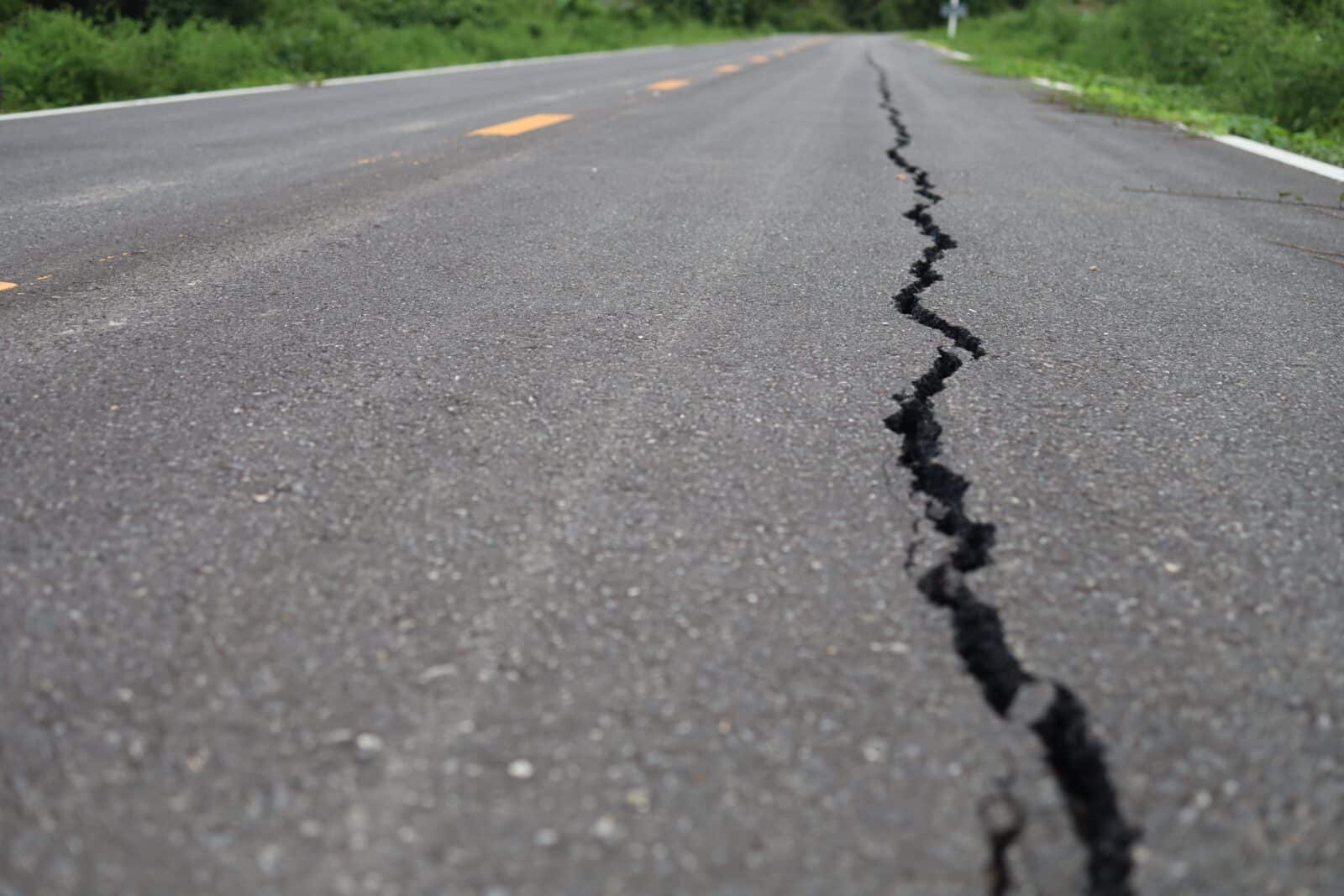
Commuters are losing their patience as they drive over crumbling bridges, navigate bottlenecked highways, and dodge massive potholes on their daily commutes. Major infrastructure projects seem to stall out for years due to bureaucratic red tape, local legal battles, and federal funding arguments.
Taxpayers are left wondering exactly where their hard‑earned dollars are going when public transit lines face constant delays and roads deteriorate rapidly.
The American Society of Civil Engineers2025 Report Card scored the United States infrastructure a grade of ‘ C,’ pointing to large investment gaps needed just to keep existing assets in decent shape. This visible physical decline makes communities appear neglected, feeding the belief that national progress has completely stalled.
Isolation Epidemics Sweeping Through Neighborhoods

Technology was supposed to bring communities closer together, but it has somehow left individuals feeling more disconnected and lonely than ever before. Genuine local interactions on porches and in community halls are being replaced by digital arguments on screens, causing civic organizations to wither away.
People are struggling to form deep, meaningful relationships because loneliness has become a silent national epidemic affecting mental health across the board.
An advisory from the U.S. Surgeon General warns that widespread loneliness and social isolation are linked to higher risks of depression, anxiety, heart disease, and premature death, and calls for rebuilding social connection as a public health priority.
Without strong community safety nets and physical gathering spaces, citizens feel isolated and abandoned by the society they actively work to support.
The Commercialization of Essential Support

Getting sick has become a major economic gamble that can easily bankrupt an average, hard‑working family with good jobs. The ballooning prices of life‑saving medications, insurance deductibles, and emergency care keep millions of people living in constant fear of a medical emergency.
A sudden medical emergency can completely destroy a household budget, forcing tough choices between necessary treatment and monthly rent payments. Research on medical bankruptcy finds that illness and medical bills are major contributors to personal bankruptcies in the United States (approximately two-thirds).
When basic physical care feels like a corporate cash grab rather than a fundamental human right, public faith in the national safety net disappears entirely.
Diminishing Views From Global Neighbors
America was once viewed around the globe as a shining beacon of democratic stability, cultural excellence, and economic innovation. However, modern tracking shows that international respect for the nation has fallen significantly over the past several years due to internal political chaos and visible dysfunction.
Global surveys conducted by organizations such as Pew show growing doubts abroad about how well democracy is working in the U.S., with many observers expressing concern about internal divisions and governance problems.
Watching the national reputation slip away on the world stage deeply hurts the pride of everyday patriotic citizens who want to feel proud of their passport.
Corporate Domination Of Local News
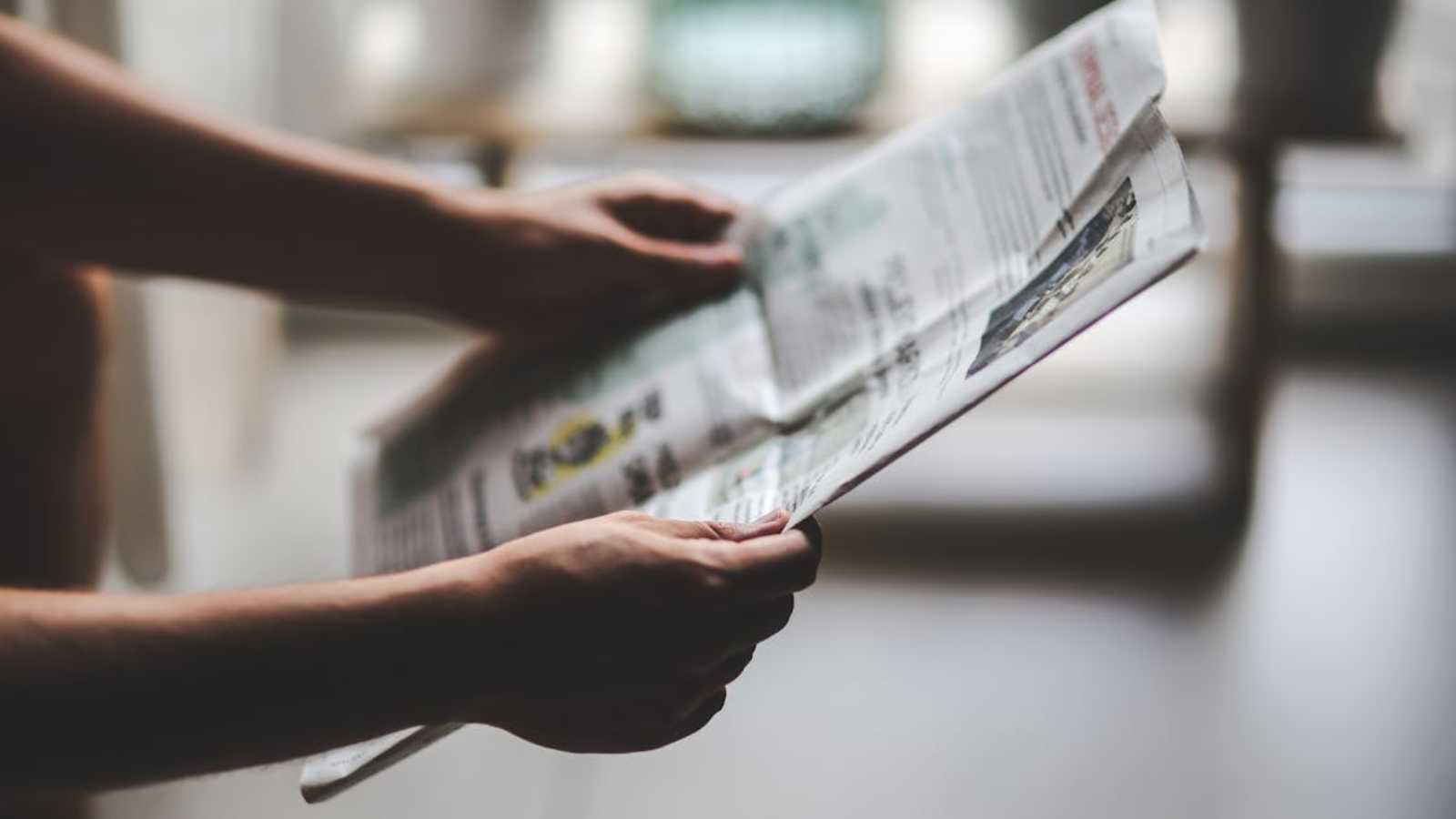
Independent local reporting has vanished as massive media conglomerates buy up hometown newspapers and independent television stations across the country. Citizens are left with highly sensationalized national talking points rather than relevant updates on their own town council or local tax changes.
This loss of localized truth makes it very difficult for neighbors to solve regional problems together constructively because they lack shared facts.
Research on “news deserts” shows a growing number of communities with little or no local journalism (200 counties don’t have a local newspaper), which limits civic engagement and leaves residents more vulnerable to misinformation and unchecked power. People feel manipulated by headlines rather than informed by journalists.
Pessimism Over The Collective Horizon

The belief that the nation’s golden era has passed is becoming mainstream across multiple generations of Americans. Younger workers are explicitly stating that they expect to be worse off financially and socially than their parents were, a total reversal of the classic American promise.
Polls show that about 59% of Americans now say the country’s best years are behind us, while only 40% believe they are still ahead, and many are pessimistic about what life in the U.S. will be like 50 years from now.
This collective shift in attitude suggests that the ultimate challenge facing the country is not just fixing economic charts, but restoring genuine hope and shared wellbeing for tomorrow.
Key Takeaways

Losing faith in national institutions is a widespread trend driven by real economic burdens, the decline of local communities, and growing cultural divisions. Recognizing these underlying friction points without political spin is the vital first step toward rebuilding a shared, stable future where everyday people feel valued again.
Disclaimer – This list is solely the author’s opinion based on research and publicly available information. It is not intended to be professional advice.
Like our content? Be sure to follow us