Your July electric bill is going to sting — and a data center is part of the reason
That July electric bill may arrive with all the subtlety of a brick through a window. The National Energy Assistance Directors Association expects the average U.S. household to spend $792 on electricity from June through September 2026, up 10.5% from $717 last summer. Since 2020, that seasonal total has climbed almost 40%, so no, your imagination has not suddenly developed an interest in utility accounting.
Hotter weather and higher retail rates still cause most of the immediate pain, but data centers now add serious pressure in several power markets. The Energy Information Administration expects residential electricity prices to rise 5.7% during 2026, while Berkeley Lab estimates that data centers could consume 11.8% of all U.S. electricity by 2030 under its reference case. That does not make every server rack personally responsible for your bill, but the connection now deserves more than a shrug.
July combines higher rates with heavier electricity use

Your utility calculates the bill with a brutally simple formula: price per kilowatt-hour multiplied by the electricity you use. EIA projects a national residential price of about 18.51 cents per kilowatt-hour during the third quarter of 2026, compared with 17.68 cents during the same quarter of 2025. EIA also expects the average customer to use roughly 3,130 kilowatt-hours from July through September, which works out to about $193 per month before taxes, fixed charges and local adjustments enter the party.
That national average hides plenty of household-level chaos, of course. A poorly insulated home, an aging air conditioner or a week of triple-digit temperatures can push consumption far above the forecast, while rooftop solar or a smaller apartment can pull it down. My slightly nerdy rule makes the bill easier to diagnose: compare kilowatt-hours first, then compare the rate, because the first number tells you what your home did and the second tells you what the power system charged for it.
Your air conditioner still lands the first punch
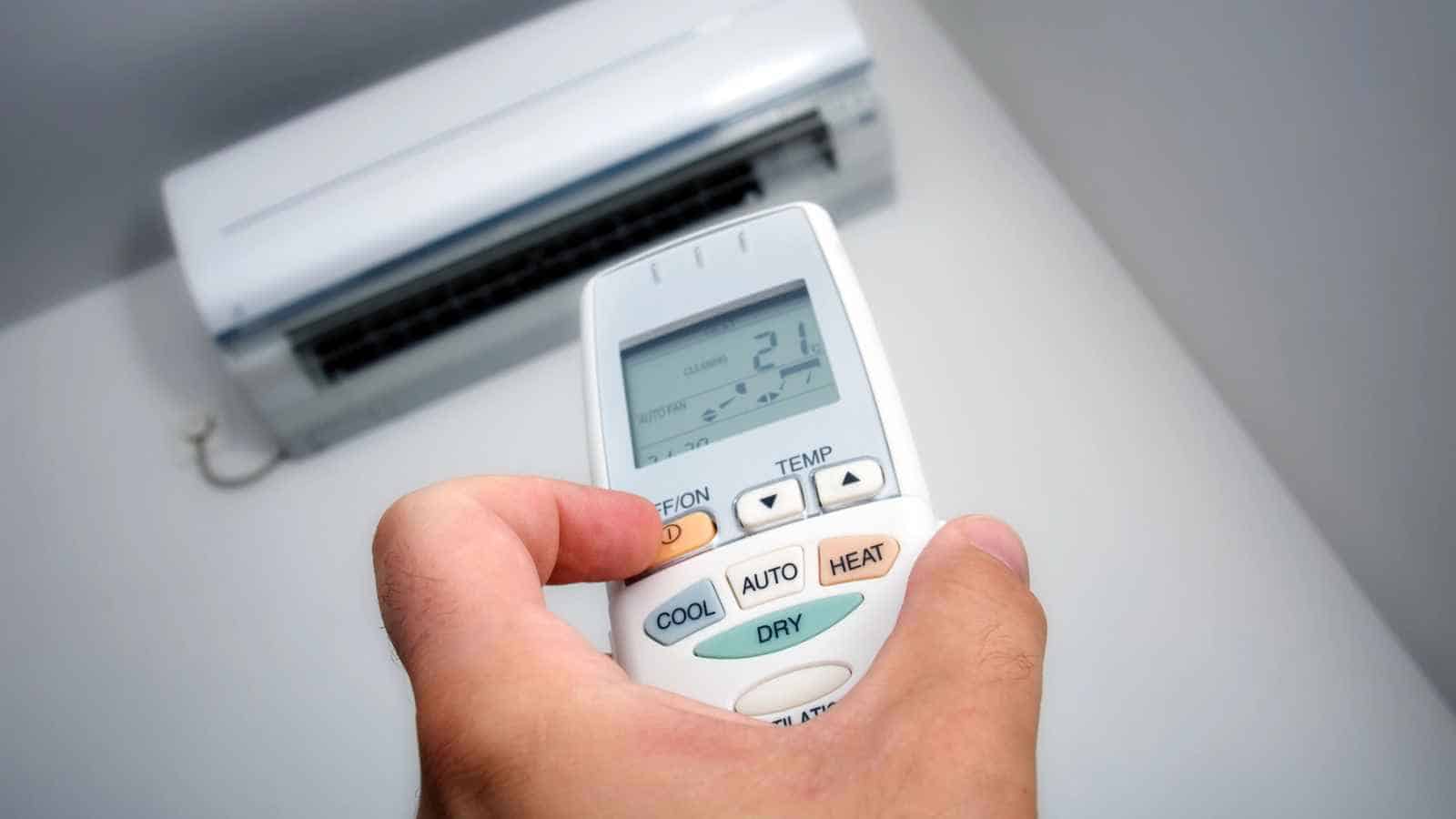
EIA expects the United States to record 1,210 cooling degree days from June through September, about 2% more than last summer and 2% above the 10-year average. Cooling degree days measure how strongly temperatures push buildings toward air-conditioning use, so that modest-looking 2% can translate into many extra compressor hours across millions of homes. Ever heard your outdoor AC unit running long after sunset and wondered whether it planned to apply for permanent residency?
NEADA Executive Director Mark Wolfe summarizes the squeeze neatly: “Families are getting hit from both sides.” Households pay more for each unit of electricity, then hotter weather encourages them to buy more units just to keep indoor temperatures safe. NEADA expects the 2026 summer total to exceed the 2020 figure by 39.4%, and it calculates that inflation explains only part of that increase.
Cheaper wholesale power will not rescue this bill
Here comes the confusing part: EIA expects average U.S. wholesale electricity prices to fall by about $4 per megawatt-hour this summer, landing near $45 per megawatt-hour. Lower natural-gas costs and stronger hydropower and solar output help explain that decline, particularly across western markets and the Midcontinent. Meanwhile, EIA still expects the annual residential price to rise 5.7%, which sounds like the power-market version of “great news, except for you.”
Retail rates include much more than today’s wholesale energy price. Utilities recover spending on transmission lines, substations, local distribution networks, storm repairs, capacity contracts, debt and approved returns through rates that regulators often set months or years after utilities incur the costs. A cheaper megawatt-hour today can therefore coexist with a more expensive household bill because yesterday’s grid investments and capacity decisions continue to collect their cover charge.
Data centers now draw factory-scale power
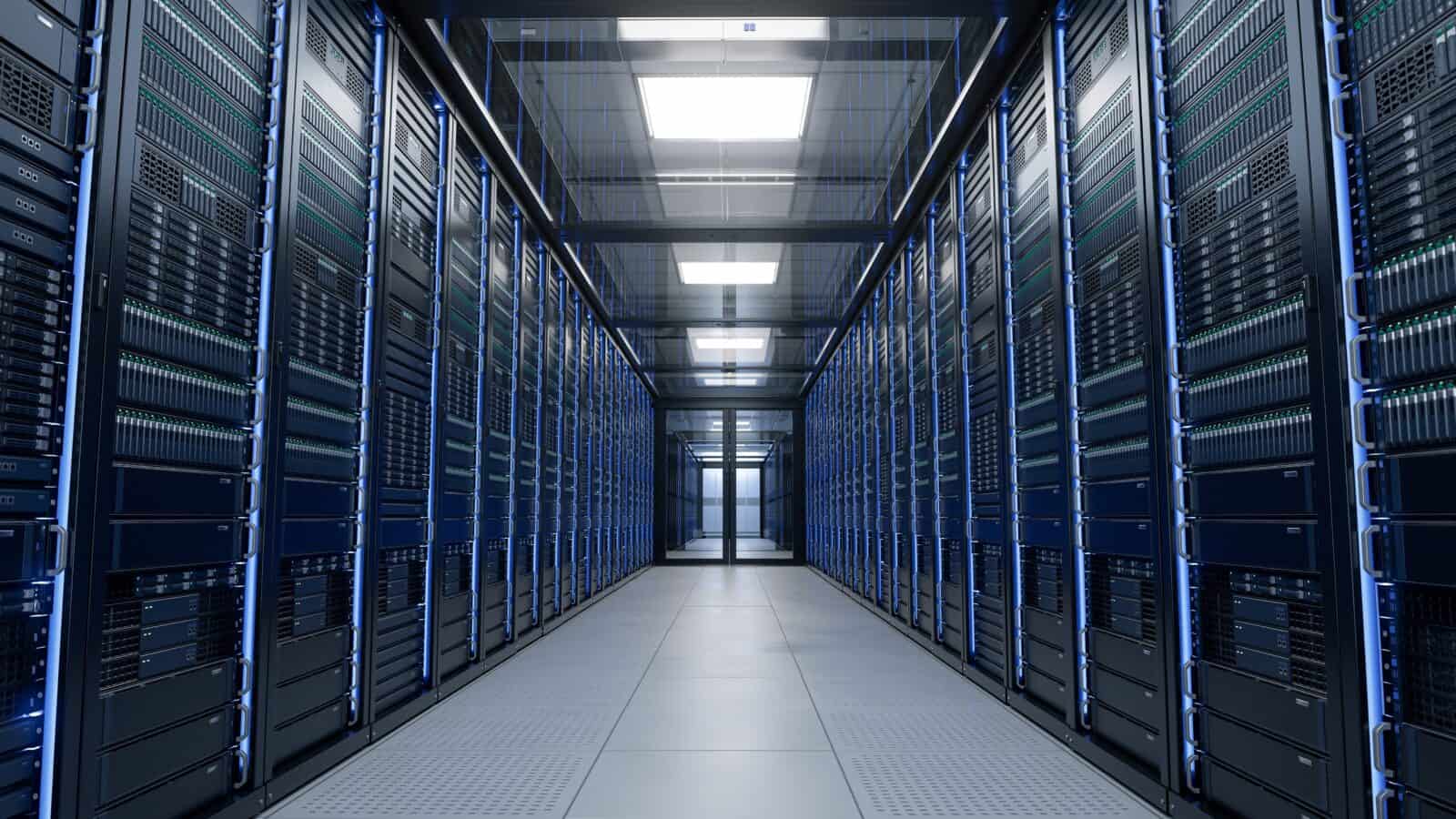
A large data center does not sip electricity like an office tower; it gulps power like an industrial complex that never clocks out. The Department of Energy says data centers can consume 10 to 50 times more electricity per square foot than a typical commercial office, while Berkeley Lab found that the sector consumed about 4.4% of U.S. electricity in 2023. Servers need constant power, and cooling systems, networking equipment, and backup infrastructure add another layer of demand.
Berkeley Lab’s June 2026 update places 2030 data-center consumption at 649 terawatt-hours in its reference case, with a wider possible range of 521 to 843 terawatt-hours. That range equals 9.5% to 15.3% of total U.S. electricity use, depending on chip shipments, server utilization, AI growth and efficiency gains. The forecast carries uncertainty, but even its low end asks utilities to find an enormous amount of dependable electricity within four years.
Local clustering turns growth into a grid problem
National percentages can make the issue look manageable, but geography changes everything. The International Energy Agency says the United States supplied 45% of global data-center electricity consumption in 2024, and it expects data centers to produce nearly half of U.S. electricity-demand growth through 2030. Nearly half of American data-center capacity already sits inside five regional clusters, so the load does not spread politely across 50 states.
A developer can complete a data center in roughly two to three years, while planners may need four to eight years to build major transmission lines. The IEA also says wait times for transformers and cables have doubled over three years, and it estimates that grid constraints could delay about 20% of planned data-center projects. When thousands of megawatts converge on one area, utilities must reinforce substations, transmission paths and generation much faster than their traditional planning process prefers.
PJM shows how tight capacity reaches customers
PJM operates the electric grid for 67 million people across 13 states and Washington, D.C., including the huge Northern Virginia data-center market. Its capacity price for the June 2026 through May 2027 delivery year reached $329.17 per megawatt-day, more than 11 times the $28.92 price for 2024 through 2025. Capacity payments do not buy electricity itself; they pay generators to remain available when the grid faces extreme demand, and retail suppliers can pass those costs into customer rates.
The pressure has not faded. PJM’s July 2026 auction for 2028 through 2029 cleared at the $325 price cap, produced a total clearing value of $16.4 billion and fell 6,831 megawatts short of the region’s reliability requirement. PJM CEO David Mills said, “Demand for electricity continues to grow faster than electricity supply,” a sentence that neatly explains why capacity costs stay stubborn even when summer wholesale energy prices ease.
Grid construction creates the long tail of the bill
Data-center growth affects bills most clearly when utilities build power plants, substations and transmission infrastructure to serve new demand. Virginia’s electricity demand remained essentially flat from 2006 through 2020, but data-center expansion then pushed it sharply upward, according to the state’s Joint Legislative Audit and Review Commission. JLARC found that current rates generally charge Virginia data centers their present cost of service, yet it warned that continued demand growth could still increase costs for other customers through broader generation and grid requirements.
The biggest risk comes from a project that requests huge capacity, triggers construction and then arrives late, downsizes or disappears. Households should not inherit the mortgage on a substation that a speculative customer ordered, right? FERC now requires cost-recovery agreements in several large-load proceedings so utilities can make major customers cover the infrastructure costs they cause, even when their projects fail to materialize as planned.
States now make large users carry more risk

Regulators increasingly treat a 500-megawatt data center differently from a grocery store or apartment building, which feels like a fairly sensible development. Instead of letting utilities spread every expansion cost across the entire customer base, several states now require long contracts, minimum monthly payments and financial guarantees from large-load customers. FERC Commissioner David Rosner described the principle plainly: large users should “pay their fair share.”
Consider how the rules now compare:
- Ohio: AEP Ohio’s tariff requires major new data centers to pay for at least 85% of contracted capacity for up to 12 years, even when they use less. By February 2026, developers had signed binding agreements covering 5,642 megawatts.
- Virginia: The State Corporation Commission created a separate class for users demanding at least 25 megawatts and requires qualifying customers to maintain service commitments for at least 14 years. Data centers must also pay at least 85% of certain transmission and distribution charges.
- Georgia: Regulators approved nearly 9,985 megawatts of new generation, with roughly 80% aimed at data-center demand, while requiring financial protections for existing ratepayers.
- Oregon: The POWER Act directs regulators to create a separate large-energy-use category and allocate the costs of serving those facilities to them.
Your ZIP code decides how hard the sting feels

NEADA expects summer electricity spending to rise in every U.S. region, but it predicts very different totals. The West South Central region, which includes Texas, Oklahoma, Arkansas and Louisiana, leads with an average June-to-September bill of $890, while the South Atlantic follows at $854 and New England reaches $839. The Mountain region records the largest percentage jump at 13.8%, while the West North Central region posts the smallest at 4.9%.
State estimates sharpen the contrast: NEADA places Arizona at $1,060, Connecticut at $994, Texas at $936, Florida at $935 and Washington at $488 for the four-month cooling season. Climate explains much of that spread, but retail-rate design, generation sources, grid investment and local demand growth also matter. That means a data center may strongly influence future costs in Northern Virginia or central Ohio while barely registering on a household bill in a region with abundant spare capacity.
You can still cut the damage this month

You cannot personally reform a capacity market before the next billing date, but you can reduce the number of kilowatt-hours your home buys. ENERGY STAR estimates that a certified smart thermostat can cut heating and cooling bills by about 8% on average, while sealing and insulating ducts can improve HVAC efficiency by as much as 20%. A dirty filter also slows airflow and forces the system to work harder, so check that inexpensive rectangle before blaming an international AI arms race for every last dollar.
Start with three practical moves: raise the thermostat a few degrees when nobody needs the room, block direct afternoon sunlight, and compare your daily usage through the utility’s online portal. Also ask about time-of-use pricing, budget billing, efficiency rebates, and payment arrangements before the account falls behind. The Consumer Financial Protection Bureau points struggling households toward 211 and local LIHEAP offices, while NEADA reports that one in six U.S. households already carries overdue utility debt.
Key takeaway

Your July electric bill reflects several pressures at once: higher retail rates, longer air-conditioner run times, capacity costs, grid upgrades and rapidly growing demand from data centers. Heat still delivers the quickest hit, but server farms increasingly shape the expensive generation and transmission decisions that linger on bills for years. Check your usage, improve cooling efficiency, and watch your state regulator’s data-center policies, because the real question no longer asks whether the grid must expand; it asks who will pay for that expansion.
Disclaimer – This list is solely the author’s opinion based on research and publicly available information. It is not intended to be professional advice.
You May Also Like: 5 bills you should never put on autopay if you want to save money
Like our content? Be sure to follow us