These U.S. cities are losing residents. Could home prices be next?
Home prices don’t have to crash for a housing market to start flashing warning signs. Sometimes, the first thing to disappear is simply the buyers.
Several sizable U.S. cities lost residents between July 2024 and July 2025, according to Census estimates. Population decline alone doesn’t guarantee falling home values, but fewer residents can mean fewer potential buyers competing for properties—especially when the number of homes available continues to grow.
That matters in a housing market already showing signs of weakness. Zillow put the typical U.S. home value at $372,057 in June 2026, just 1.1% higher than a year earlier, while Realtor.com reported national asking prices falling 2.5%.
Of course, population is only one piece of the housing puzzle. Jobs, income, mortgage rates, new construction, housing shortages, and migration patterns can all push prices in different directions. But when people are leaving while homes keep coming onto the market, it’s a signal homeowners and prospective buyers may want to watch.
Here are 12 U.S. cities losing population—and what that could mean for their housing markets.
New Orleans, Louisiana
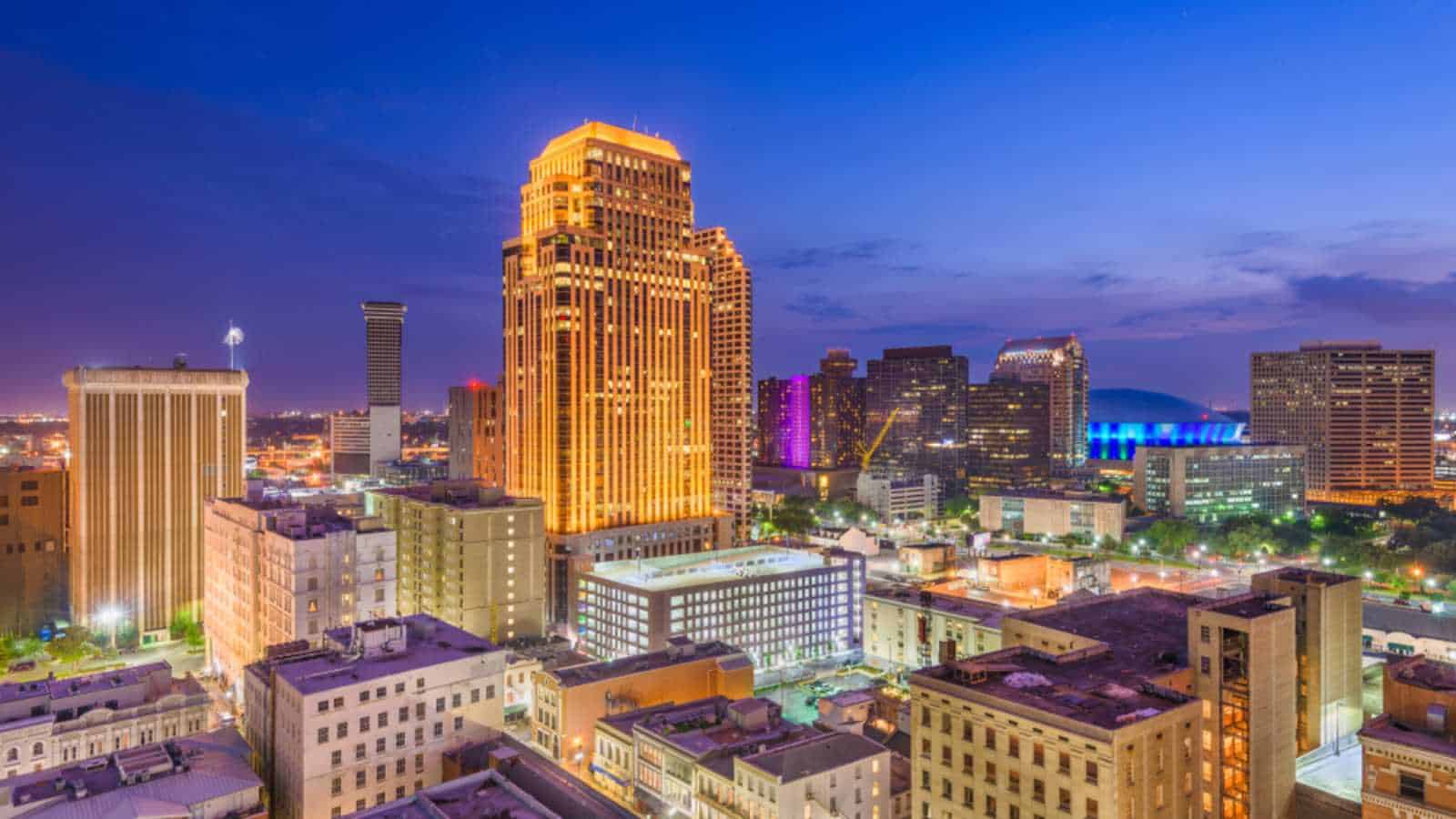
New Orleans presents the clearest collision between population decline and a negative housing outlook. The Census Bureau estimated 362,154 residents in 2025, down 1,323 in one year and 21,975 since April 2020, a cumulative decrease of 5.7%. A city can absorb a weak year, but losing nearly one out of every 18 residents in just over five years creates a more serious demand problem.
The New Orleans metro’s typical home value reached about $264,900 in June 2026, up roughly 2.7% from a year earlier, yet Zillow forecasts a 4.9% decline by June 2027. That reversal would rank among the steepest metro-level drops in the country, so today’s modest appreciation should not lull homeowners into a jazz-fueled sense of invincibility. Fewer households competing for listings can quickly weaken sellers’ leverage, especially when buyers already face high borrowing and ownership costs.
Vallejo, California

Vallejo lost fewer people than several cities on this list, but its housing market already shows more visible stress. Its population slipped from 123,611 in 2024 to 123,287 in 2025, while the city has lost 2,797 residents since April 2020. A 2.2% five-year decline may look manageable on paper, but the simultaneous weakness in prices makes the number harder to shrug off.
Zillow placed the Vallejo metro’s typical home value near $580,300 in June 2026, down about 2.3% year over year, and its model projects another 3.2% decline through June 2027. That forecast matters because expensive markets leave buyers with little room for error when mortgage rates remain elevated. Would you enthusiastically stretch your budget for a $580,000 home when both the population and the value trend point downward? Many cautious buyers will ask the same question.
Pueblo, Colorado

Pueblo recorded one of the sharper annual population drops among cities of its size. The population fell by 944 residents, or 0.8%, between 2024 and 2025, leaving the city with 110,404 people. Pueblo has also lost 1,460 residents since 2020, which signals a persistent lack of momentum rather than a single strange year in the spreadsheet.
The Pueblo metro’s typical home value stood near $288,500 in June 2026, already 2.3% lower than a year earlier. Zillow forecasts another 2.8% decline by June 2027, placing Pueblo among the weaker housing outlooks in the Mountain West. Its relative affordability may cushion the fall, but affordable homes still lose value when available supply outruns household growth, because real estate never accepts “but it seemed cheap” as a substitute for demand.
Shreveport, Louisiana
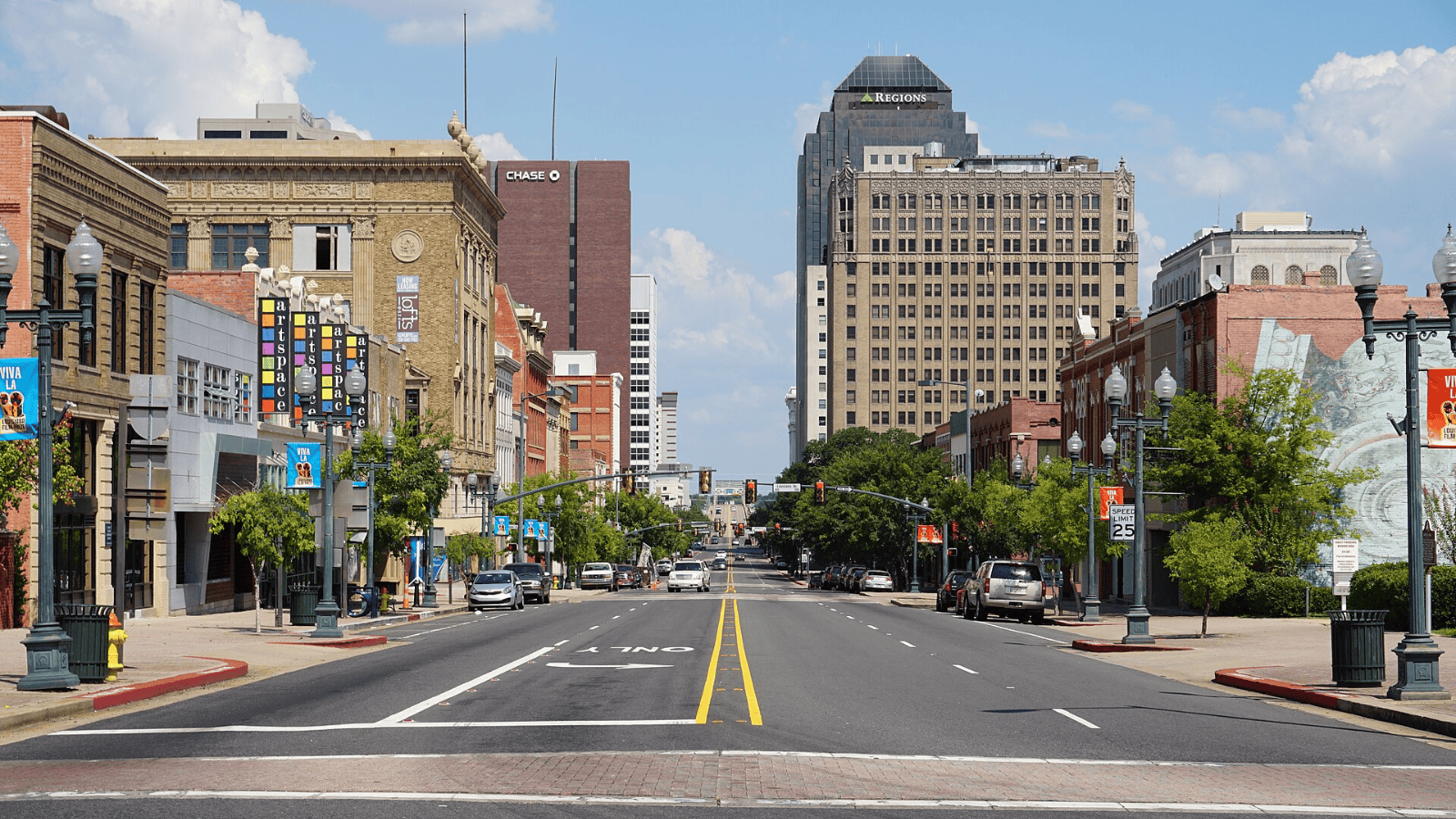
Shreveport combines deep long-term population loss with an increasingly fragile price outlook. The city’s population fell by 1,058 from 2024 to 2025, reaching 175,902, and it has lost 11,646 residents since 2020. That 6.2% five-year drop ranks among the largest cumulative declines on this list and reduces the pool of potential buyers, renters, and move-up homeowners.
The Shreveport metro’s typical home value rose about 2% over the year to roughly $185,700 in June 2026, but Zillow expects values to fall 2.6% by June 2027. The low starting price offers some protection because buyers need smaller mortgages, yet affordability cannot create population growth by itself. I would watch listing time and seller concessions closely here, since those indicators often reveal weakening bargaining power before headline prices fully react.
Sugar Land, Texas
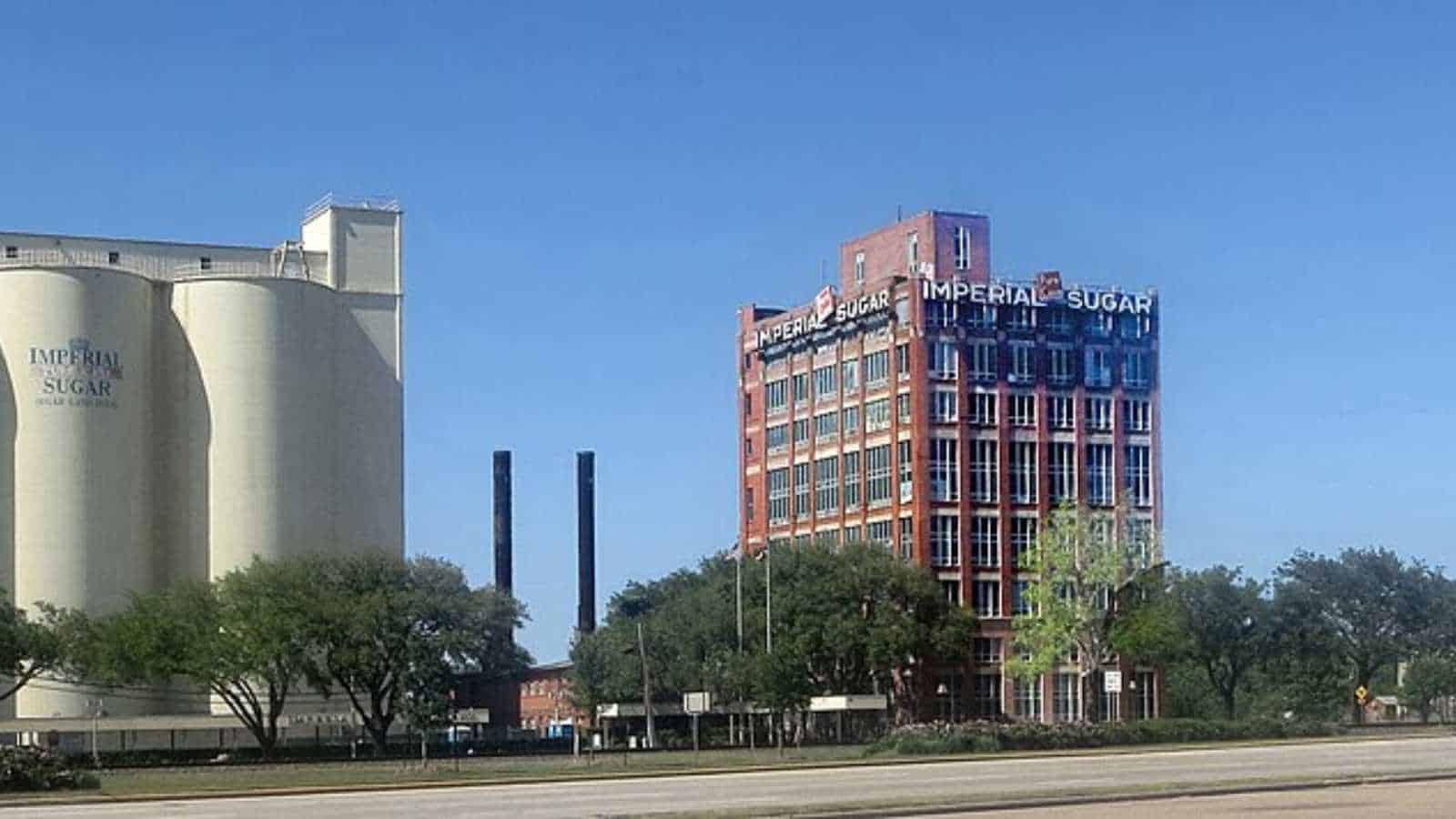
Sugar Land challenges the popular assumption that every Texas city still grows at full speed. The Census Bureau counted 107,726 residents in 2025, down 1,211 in one year and 3,292 since 2020. Its 1.1% annual decline ranks among the steepest drops for cities above 100,000 residents, even though the wider Houston region continues to attract households and employers.
The Houston metro’s typical home value fell about 2.1% year over year to roughly $308,900 in June 2026, while Zillow forecasts another 1.7% decline through June 2027. Zillow also measured a 3.5% annual increase in Houston-area inventory, which gives buyers more options and makes ambitious asking prices harder to defend. Growth elsewhere in greater Houston may eventually support Sugar Land, but buyers care about the specific neighborhood, tax bill and commute, not the metro’s motivational poster.
Tucson, Arizona
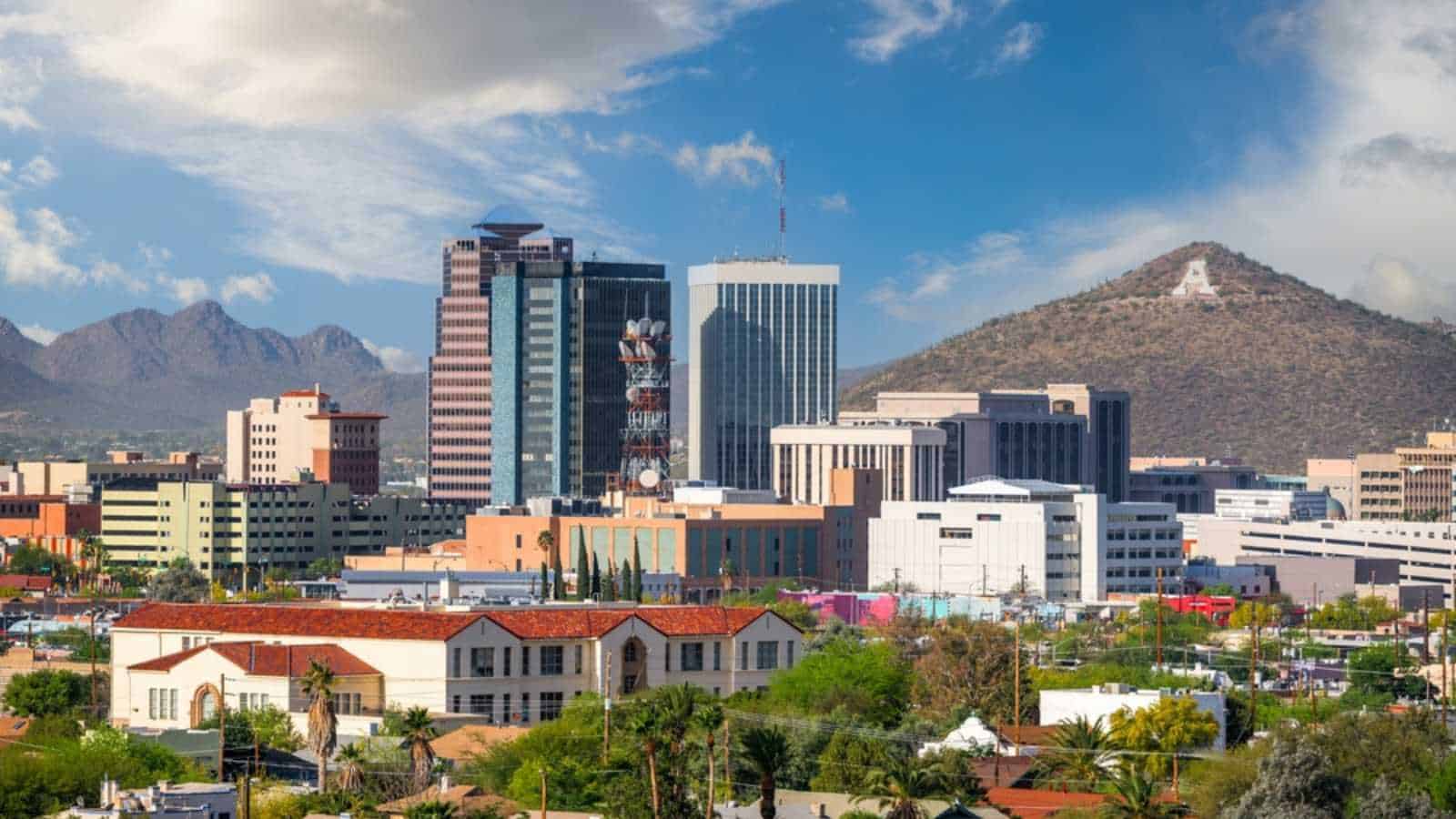
Tucson represents an emerging reversal rather than a decade-long decline. The city still held 1.1% more residents in 2025 than it did in April 2020, but it lost 2,262 people between 2024 and 2025, bringing its population down to 548,371. That numeric loss ranks among the largest outside America’s biggest coastal cities and suggests that Tucson’s recent growth phase may have reached a turning point.
The Tucson metro’s typical home value reached about $343,100 in June 2026, down 2.1% from the previous year, and Zillow projects another 1.7% decline by June 2027. Phoenix also recorded falling annual values, so Tucson does not face this cooling pattern alone. Still, a city that starts losing residents just as prices slide deserves attention, because yesterday’s influx cannot attend tomorrow’s open houses.
Clearwater, Florida
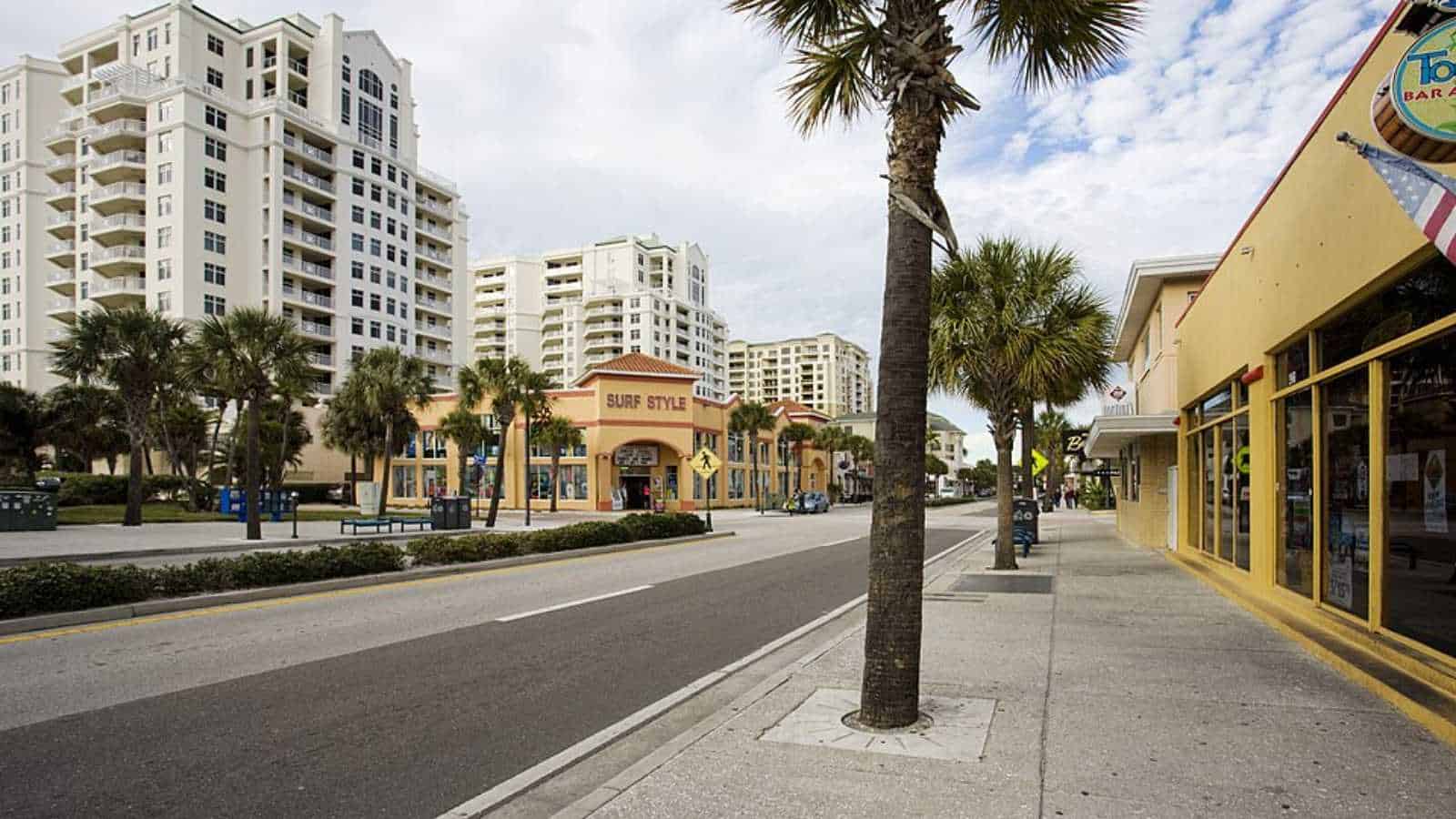
Clearwater posted the fastest one-year population decline among the larger cities on this list. Its population dropped by 1,699 residents, or 1.5%, between 2024 and 2025, leaving 114,364 people, and the city has lost nearly 3,000 residents since 2020. That pace can quickly affect demand for year-round housing if departing residents outnumber incoming households.
The Tampa metro’s typical home value fell roughly 2.9% year over year to about $361,200, and Zillow forecasts a further 1.2% decline by June 2027. Redfin found that Florida sellers frequently cut prices as insurance premiums, disaster risks, and condo ownership costs pushed some owners toward the exit. Clearwater still offers beaches and sunshine, of course, but neither feature pays an insurance renewal notice when it arrives with all the charm of a parking ticket.
Memphis, Tennessee

Memphis lost more residents in one year than any city on this list. Its population fell by 4,575 people, or 0.7%, from 2024 to 2025 and reached 609,647. Since April 2020, the city has lost 18,863 residents, a 3% decline that now looks too large and too sustained to dismiss as statistical background noise.
The Memphis metro’s typical home value remained almost flat year over year at roughly $247,900, but Zillow expects a 1% decline through June 2027. More tellingly, Zillow measured a 13.5% increase in inventory and a 7.3% decrease in sales during June 2026. More homes plus fewer transactions create a buyer-friendly equation, unless mathematics has suddenly joined the Memphis blues scene and decided to improvise.
Birmingham, Alabama
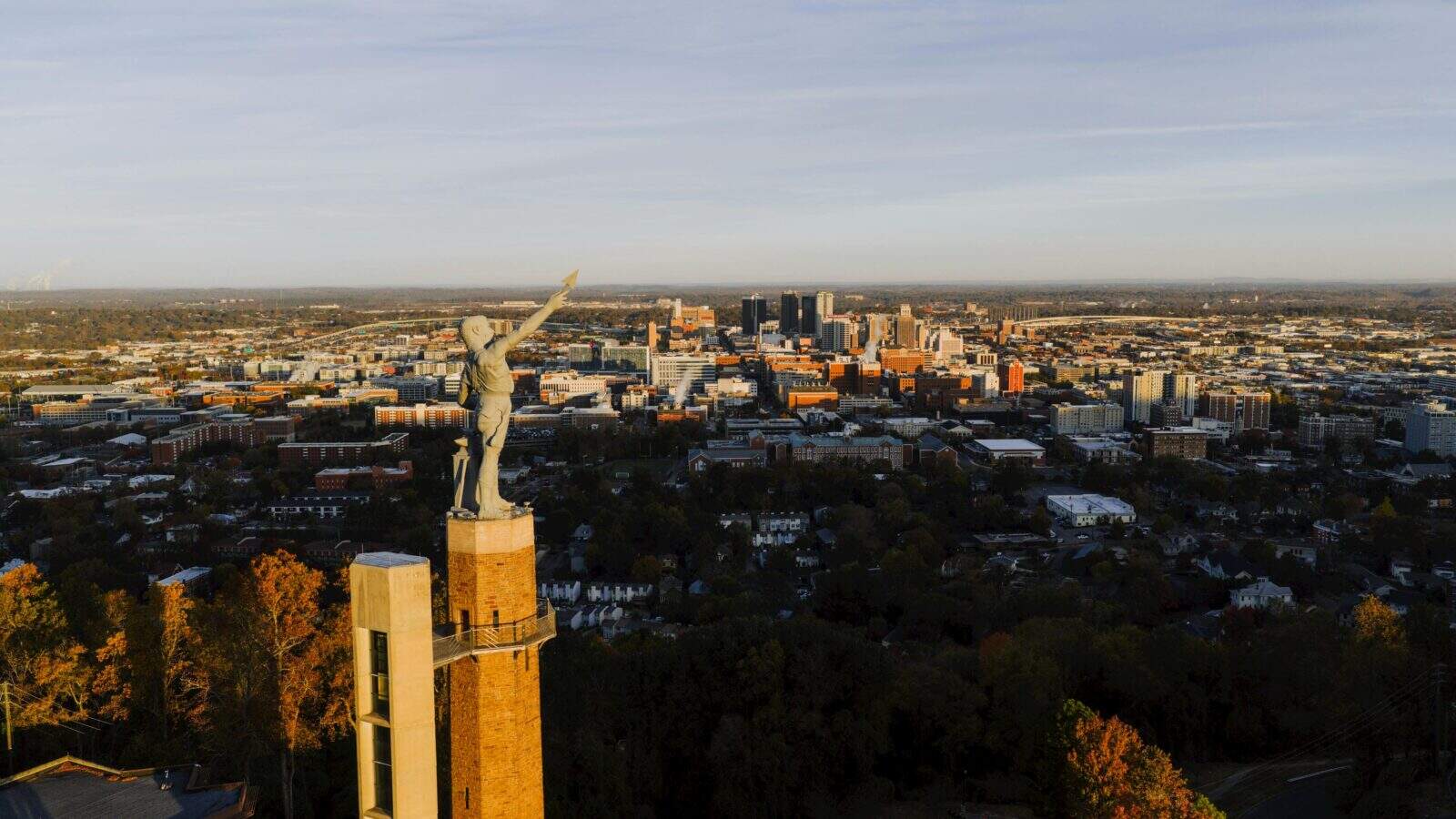
Birmingham’s population declined by 896 from 2024 to 2025, leaving the city with 195,893 residents. The city has lost 4,593 residents since April 2020, equal to 2.3% of its population at the beginning of the decade. That loss does not guarantee declining home values, but it reduces the organic household growth that normally supports sales volume and neighborhood appreciation.
The Birmingham metro’s typical home value rose about 2% year over year to nearly $263,700 in June 2026, so the market has not entered a broad downturn. However, Zillow forecasts a 0.8% decline by June 2027, which turns Birmingham into a forward-looking risk rather than a current disaster. Its affordability and modest inventory growth could limit the damage, but sellers should watch whether population loss starts pushing listings above the number of serious buyers.
Inglewood, California
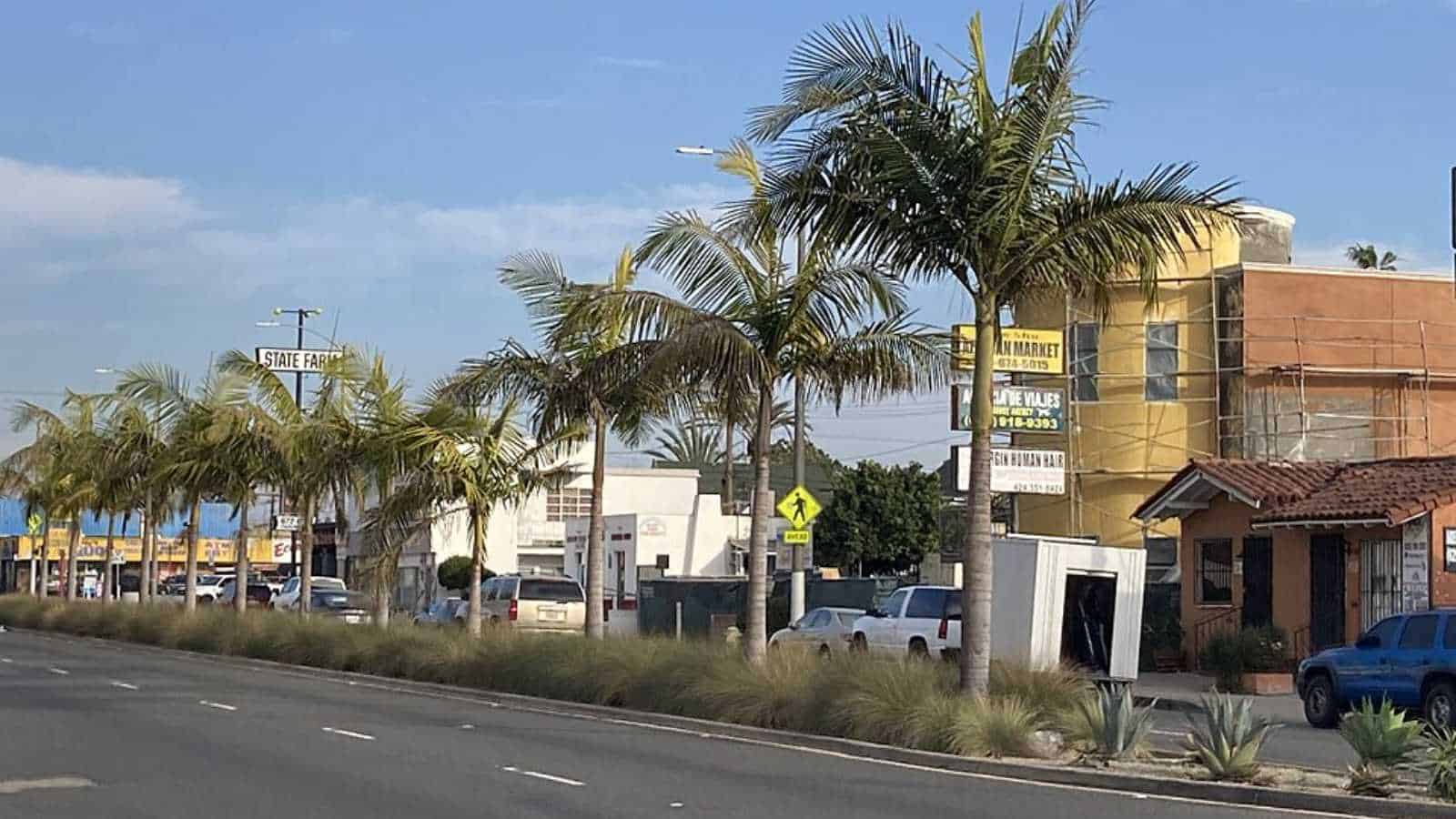
Inglewood lost 1,023 residents in a single year, dropping from 102,685 people in 2024 to 101,662 in 2025. The city has shed 6,089 residents since 2020, a substantial 5.7% decline despite major investment and international attention surrounding its sports and entertainment venues. Big stadiums can draw crowds for a night, but only permanent households support housing demand every month of the year.
The Los Angeles metro’s typical home value hovered near $968,000 in June 2026, up only about 0.6% year over year, while Zillow forecasts a 0.6% decline by June 2027. Limited inventory may protect values more effectively here than in many Sun Belt markets, and the metro’s sales rose during June. Still, Inglewood’s sharp population contraction raises a fair question: How long can premium prices outrun the number of people who actually live nearby?
Mobile, Alabama
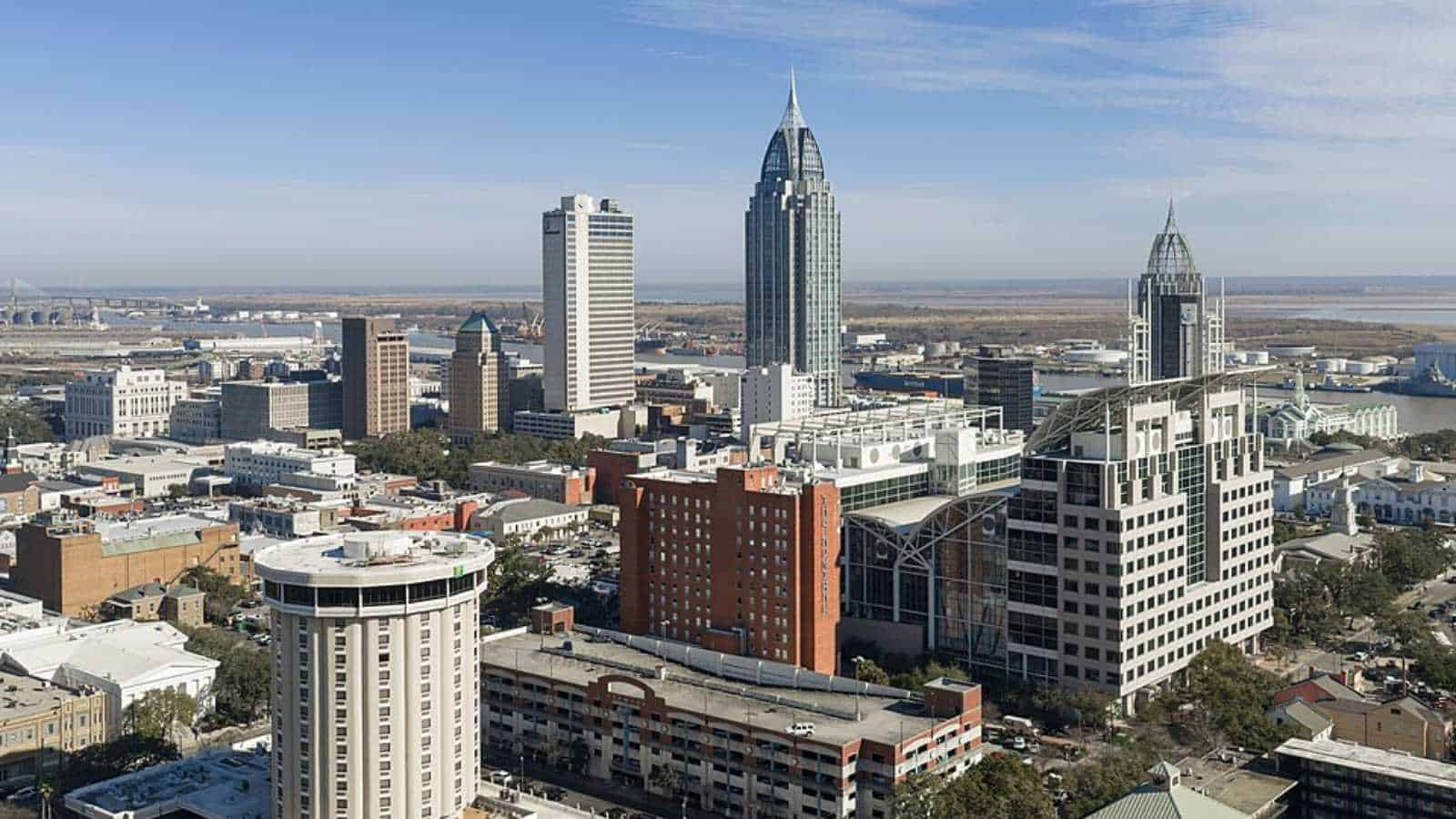
Mobile’s population fell by 788 residents between 2024 and 2025, bringing the city total to 200,824. It has lost 6,076 residents since April 2020, a cumulative decline of 2.9%. Mobile’s decrease looks gradual rather than dramatic, but steady erosion can weaken a housing market just as effectively as a sudden drop when it continues year after year.
The Mobile metro’s typical home value stood near $198,100 in June 2026, almost unchanged from a year earlier, and Zillow forecasts a 0.5% decline by June 2027. The relatively low price point gives Mobile a useful affordability shield, especially when compared with expensive Western markets. However, flat values plus falling population leave sellers with little cushion if mortgage rates remain high or local inventory begins rising faster than demand.
Jackson, Mississippi
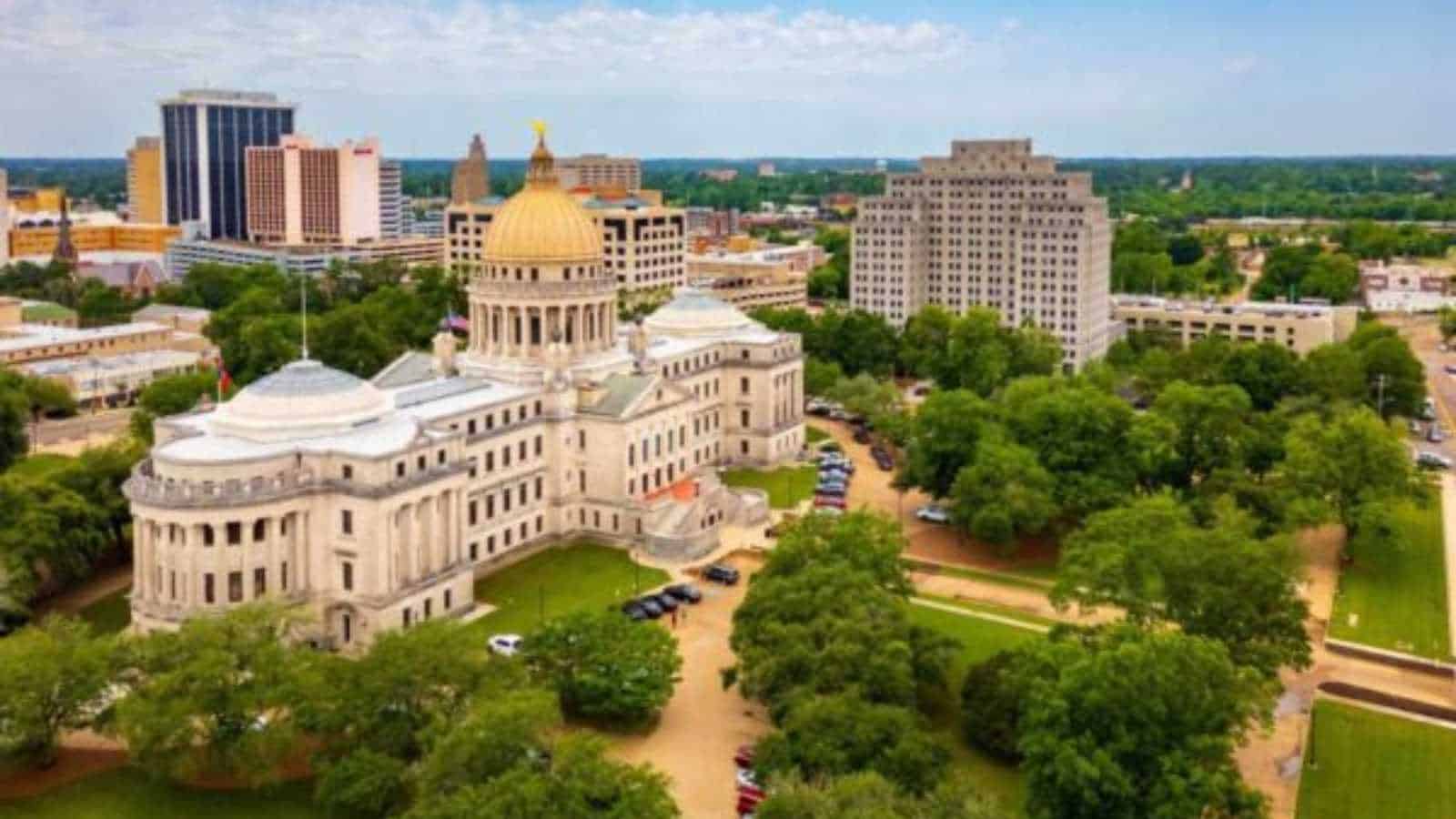
Jackson recorded the deepest five-year population decline on this list. The city’s population fell by 846 during the latest year and reached 141,196 in 2025, down 12,524 from April 2020. That 8.1% contraction means Jackson lost roughly one out of every 12 residents in just over five years, a demographic shift that no housing market should casually file under “probably fine.”
The Jackson metro’s typical home value still rose about 2.8% year over year to roughly $215,600, and Zillow projects only a mild 0.3% decline by June 2027. Limited supply and affordability may help prices resist the city’s population loss for longer than expected. Even so, Jackson carries serious long-run risk because sustained appreciation eventually requires enough households with the income and confidence to buy, renovate, and trade homes.
Key takeaway

These 12 cities do not face identical futures, and none of the forecasts guarantees a housing crash. New Orleans, Vallejo, Pueblo and Shreveport carry the clearest near-term warning signs because their population losses overlap with Zillow forecasts for drops of at least 2.6% by June 2027. Clearwater, Sugar Land and Tucson also deserve attention because their home values already declined during the latest year as their populations moved in the wrong direction.
For buyers, weaker markets can create negotiating room, but a bargain only works when the neighborhood can sustain demand. For owners, the most useful indicators now include local job creation, active inventory, days on market, price cuts, and continued Census population changes. Keep your eye on the households, not just the houses, because granite countertops remain wonderfully incapable of submitting mortgage applications.
RELATED CONTENT:
- 13 signs the housing market is about to pop
- Why baby boomers are stubbornly refusing to downsize—and paralyzing the housing market
- 11 uncomfortable housing market truths that homeowners accept but frustrate first-time buyers