12 states where property taxes are creating the biggest challenges for retirees
You finally pay off your mortgage, celebrate a little, and imagine the relaxing retirement you worked so hard to earn. Then your property tax bill arrives and reminds you that your home still has a yearly expense attached to it. It almost feels like your house is saying, “Congrats on owning me… now here’s my annual invoice.”
You may think a paid-off house automatically creates retirement security, but the reality looks different for many homeowners. A home can provide emotional comfort and financial value, yet rising property taxes can make staying there harder than expected.
According to property tax research from the Tax Foundation and recent housing affordability reporting from Realtor.com, retirees need to look beyond a state’s overall reputation before moving. The real question is not just “Which state has lower taxes?” It is “Can you comfortably afford to stay there for the next 10, 20, or 30 years?”
Nebraska

Nebraska may not always come to mind when people think about challenging retirement destinations, but property taxes can create unexpected pressure for many homeowners. The state’s reliance on local property taxes can make rising costs especially noticeable for retirees trying to manage their budgets carefully.
For older residents living in smaller communities, even modest increases in property expenses can affect everyday decisions. A growing tax bill can change how much money remains available for travel, hobbies, home improvements, or unexpected expenses.
The challenge often comes down to balancing the comfort of staying in a familiar home with the need to maintain financial flexibility. A retirement location can feel affordable at first, but ongoing costs can shape the experience over time.
New Jersey

Spend decades creating memories in your family home, only to watch the annual tax bill keep getting bigger. That reality affects many retirees in New Jersey, where homeowners face some of the highest property taxes in America.
The state’s average effective property tax rate reaches around 2.33%, creating some of the largest yearly bills nationwide. Expensive suburban homes can make those numbers even more intimidating for older residents living on predictable retirement income.
New Jersey does offer programs such as the Senior Freeze, which helps eligible homeowners manage increases. However, income limits and application requirements mean some retirees still struggle to receive enough support.
Illinois

For many retirees, the biggest surprise after leaving work is discovering that a paid-off house can still demand a large yearly payment. That feeling has become familiar for homeowners across Illinois, especially in communities around Chicago.
The burden becomes even clearer when you look beyond the statewide average. According to World Population Review, across Illinois’ 102 counties, homeowners pay a median property tax bill of about $2,782 each year, but some communities face far higher costs.
In Lake County, residents pay a median of approximately $8,743 annually, with higher home values, school district funding needs, and local government expenses driving much of that pressure. For retirees living on a fixed income, a tax bill of that size can quickly change the retirement budget.
Illinois has expanded senior property tax relief options, but assistance does not always eliminate the challenge. You still need to examine the specific area because two nearby towns can have very different tax situations.
New Hampshire
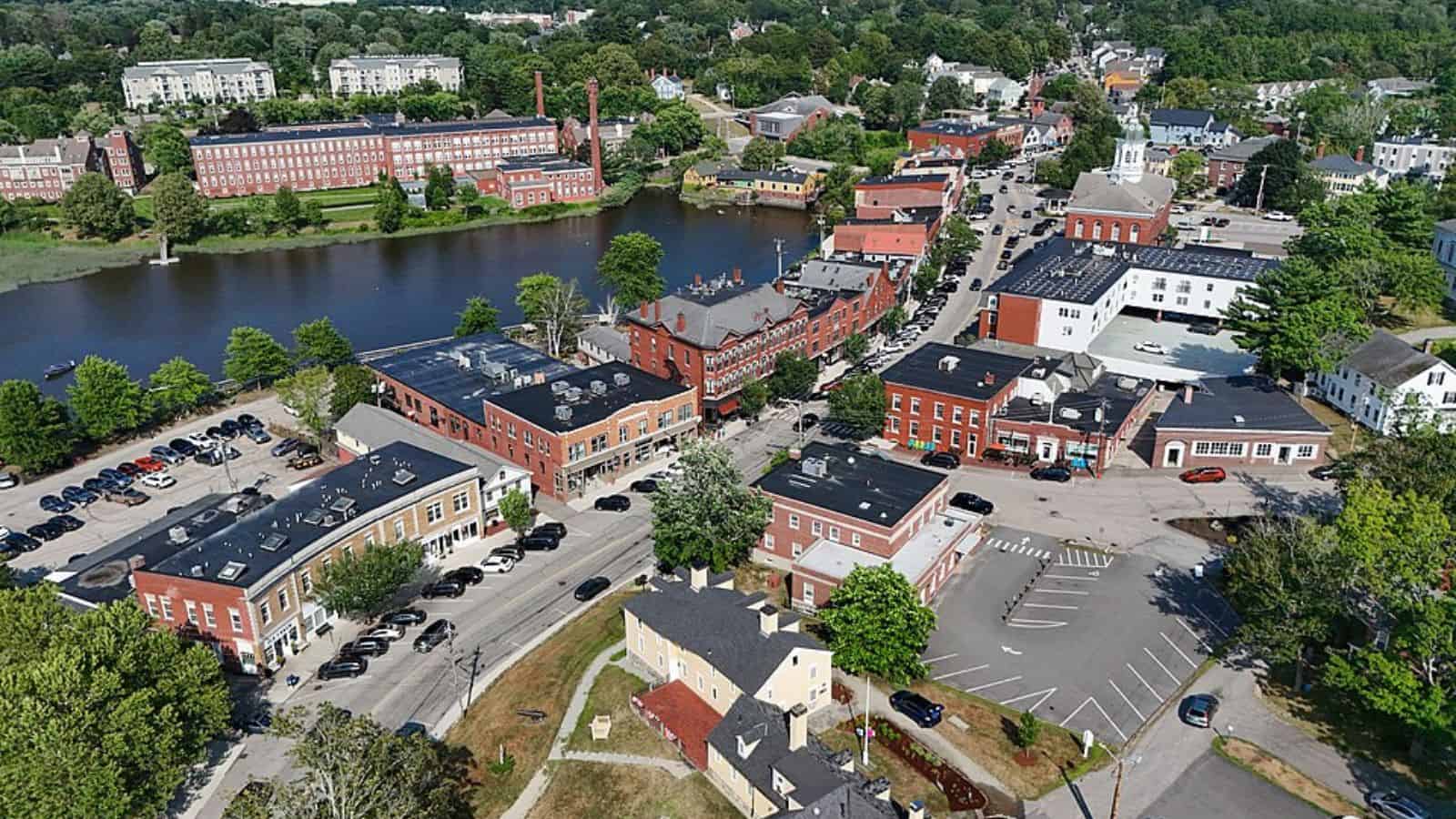
Many retirees look at New Hampshire and see an attractive benefit: no state income tax. It sounds like an easy win when you are trying to stretch retirement savings.
The catch appears on the property tax bill. With an average effective rate around 1.89%, homeowners can face high yearly costs that replace some of the savings from lower income taxes.
The lesson here is simple: a state can remove one financial burden and still create another. Retirement planning requires looking at the entire package, not just one attractive headline.
Connecticut

Owning a comfortable home in Connecticut can feel like the perfect retirement goal, especially after spending years building memories in a place you love. However, the state’s expensive housing market can make staying put more challenging, as higher home values often lead to larger property tax bills.
Many Connecticut retirees live in communities where homes carry significant value, especially in desirable suburban and coastal areas. While that home equity can look impressive on paper, it can also increase yearly housing costs and put pressure on retirees who rely on steady retirement income.
For many older homeowners, the decision becomes complicated: keep the home filled with decades of memories or move somewhere with lower housing costs. After all, a house is more than a financial asset, and leaving a place you love is rarely an easy choice.
Vermont

The quiet roads, scenic mountains, and slower pace of life make Vermont an attractive choice for many retirees searching for a peaceful place to settle down. However, the same charm that draws people to the state can also come with higher costs for homeowners.
Many retirees find themselves in a tricky situation: they may own a valuable property but still have limited monthly income after leaving the workforce. Rising housing costs can make it harder to comfortably maintain a home, even when that property represents years of hard work and memories.
It creates a retirement dilemma that many homeowners understand well. You can have significant wealth tied up in your house while still needing to carefully manage everyday expenses, because home equity does not always pay the grocery bill or cover unexpected costs.
Texas

Texas may have no state income tax, but that does not mean retirees escape high housing costs. In many parts of the state, rising home values and increasing local property taxes have made staying in a longtime home more expensive over the years.
The median property tax in Texas is about $2,275 per year for a home with a median value of approximately $125,800, based on a report by Tax Rates. However, costs can vary significantly because property taxes are collected at the county level, and each county uses its own process for assessing property values and setting tax rates.
For retirees, these differences can make a major impact on monthly budgets. The Texas experience shows why you should never judge a state by just one tax category. Saving money through no state income tax does not always mean lower overall retirement costs when housing and property taxes continue rising.
New York

New York offers everything from peaceful rural communities to busy metropolitan areas, but retirement costs can look very different depending on where you settle. For many homeowners, property taxes remain one of the biggest expenses to consider when deciding whether to stay or relocate.
The state does provide several property tax relief options for eligible homeowners. Marianela Collado, CPA/PFS, CEO of Tobias Financial Advisors, says, “New York offers several property tax relief programs. Eligible homeowners can receive exemptions that reduce the taxable value of their property, sometimes by as much as 50%.”
But even with available assistance, high home values and local school taxes can continue creating pressure for older residents. Many retirees eventually weigh a difficult choice: remain close to familiar communities and memories or move somewhere with lower costs. For some, property taxes become a major reason behind that decision.
Massachusetts

At first glance, Massachusetts may not seem as challenging as some states known for the highest property tax burdens. However, the state’s expensive housing market can quickly change the reality for many retirees.
A tax rate that appears manageable can become a significant expense when it applies to a high-value home. Many older homeowners discover that the value of their property can create large annual bills, even if they have already paid off their mortgage.
For retirees, the final dollar amount often matters more than the percentage itself. A valuable home can provide financial security, but it can also create ongoing costs that require careful planning during retirement.
Maine

The coastal views and relaxed lifestyle make Maine attractive for retirees searching for a peaceful place to settle. However, property taxes can create pressure for older homeowners.
The state provides senior-focused relief programs because officials recognize the challenges many retirees face.
Still, assistance programs often come with eligibility rules. You need to research the details carefully because relief may reduce costs without completely solving them.
Winsconsin

Wisconsin offers many communities that attract retirees, from peaceful small towns to areas with convenient access to larger cities. However, the cost of living in those communities can vary widely depending on the exact location you choose.
For many older homeowners, local tax differences can have a major impact on retirement budgets. A home that feels affordable in one community may become much more expensive just a short distance away because of different local expenses and assessment practices.
Wisconsin highlights an important retirement lesson: the city or county you choose can matter just as much as the state itself. Sometimes, a small move across a local boundary can create a noticeable difference in your long-term housing costs.
Iowa

Iowa often earns praise for affordability, but retirees still need to consider property taxes before making a move.
Some areas experience elevated property tax costs that can create challenges for homeowners relying on fixed retirement income.
A state can have lower housing costs and friendly communities while still creating pressure through yearly tax bills. The smartest retirees look at every expense before deciding where to settle.
Key Takeaways

Property taxes can become a major retirement challenge because they do not disappear after you pay off your mortgage. Many retirees discover that owning a home outright does not always mean living without housing expenses. Rising assessments, local government costs, and increasing home values can continue putting pressure on fixed retirement incomes.
The state you choose matters, but the specific community matters even more. Places like New Jersey, Illinois, Texas, and New York show how local tax policies, home values, and school district costs can shape your retirement budget. A state may appear affordable overall, but a certain county or city could create much higher expenses.
Before settling into a retirement home, you should look beyond the scenery and lifestyle appeal. Research senior tax relief programs, local property costs, and future affordability before making a move. The best retirement destination is not just the place you love visiting; it is the place where you can comfortably afford to stay.
Disclaimer – This list is solely the author’s opinion based on research and publicly available information. It is not intended to be professional advice.
Like our content? Be sure to follow us