12 dog breeds that may not be the best fit for senior owners
A dog can be the perfect retirement companion. Quiet mornings with a furry friend by your side, gentle walks through the neighborhood, and a loyal shadow following you from room to room. But what happens when that “perfect” dog turns out to have more energy than a personal trainer, more grooming needs than a celebrity, or enough strength to accidentally turn a simple walk into a tug-of-war?
Dogs can be wonderful companions as you get older. The American Kennel Club says that adults over 60 who own pets are 36% less likely to feel lonely than those without pets. Still, before you give in to a cute puppy, ask yourself: Are you looking for a calm companion or a dog that will keep you active?
According to the AKC, choosing the right dog as a senior is more about your lifestyle, physical ability, exercise habits, and how much care you can provide than your age. Some breeds are great for a slower pace, while others might make your retirement feel like a daily race.
These breeds are not bad dogs. They just have strong personalities and need a lot of attention and care.
Border Collie

The Border Collie is like a friend who figures things out before anyone else even starts.
This breed ranks among the smartest dogs in the world, and that powerful brain needs constant work. They often need daily exercise, training games, and mental challenges to stay happy and balanced.
This dog is very smart and always ready for action. While you are getting ready for a walk, your Border Collie might already be thinking about what to do next.
A simple walk around the neighborhood is often not enough for this smart dog. This breed needs to stay active and have something to do.
If you still want a Border Collie after retirement, remember that this is not a quiet dog who will relax on the couch. Instead, you will have a pet who wants to keep you busy every day.
German Shepherd

German Shepherds have earned their reputation as devoted protectors. They are smart, trainable, and incredibly loyal to their families.
The catch? This four-legged bodyguard still wants a job.
They often need exercise and mental stimulation each day. They enjoy training, activity, and having a role in the household. According to the American Kennel Club, a dog who is not exercised enough will become frustrated and likely to develop undesirable behaviors.
Health concerns can add another layer of responsibility. Hip and elbow issues are common concerns in the breed, which can create additional care needs over time.
A German Shepherd is a wonderful companion, but it may treat retirement like a temporary break between assignments.
Cane Corso

The Cane Corso looks like a dog that could guard a castle, and that powerful presence is part of its charm.
Originally bred for protection, this muscular breed carries confidence everywhere it goes. They are affectionate, loyal family dogs, but they need early training, proper socialization, and an owner who can comfortably handle their strength.
A Cane Corso may adore you, but you also need to feel in control during walks, excited greetings, and those unexpected moments when a 100-pound dog suddenly decides something is interesting.
Before bringing one home, ask yourself: Do you want a four-legged protector, or are you looking for a relaxed walking partner who keeps things simple?
Belgian Malinois
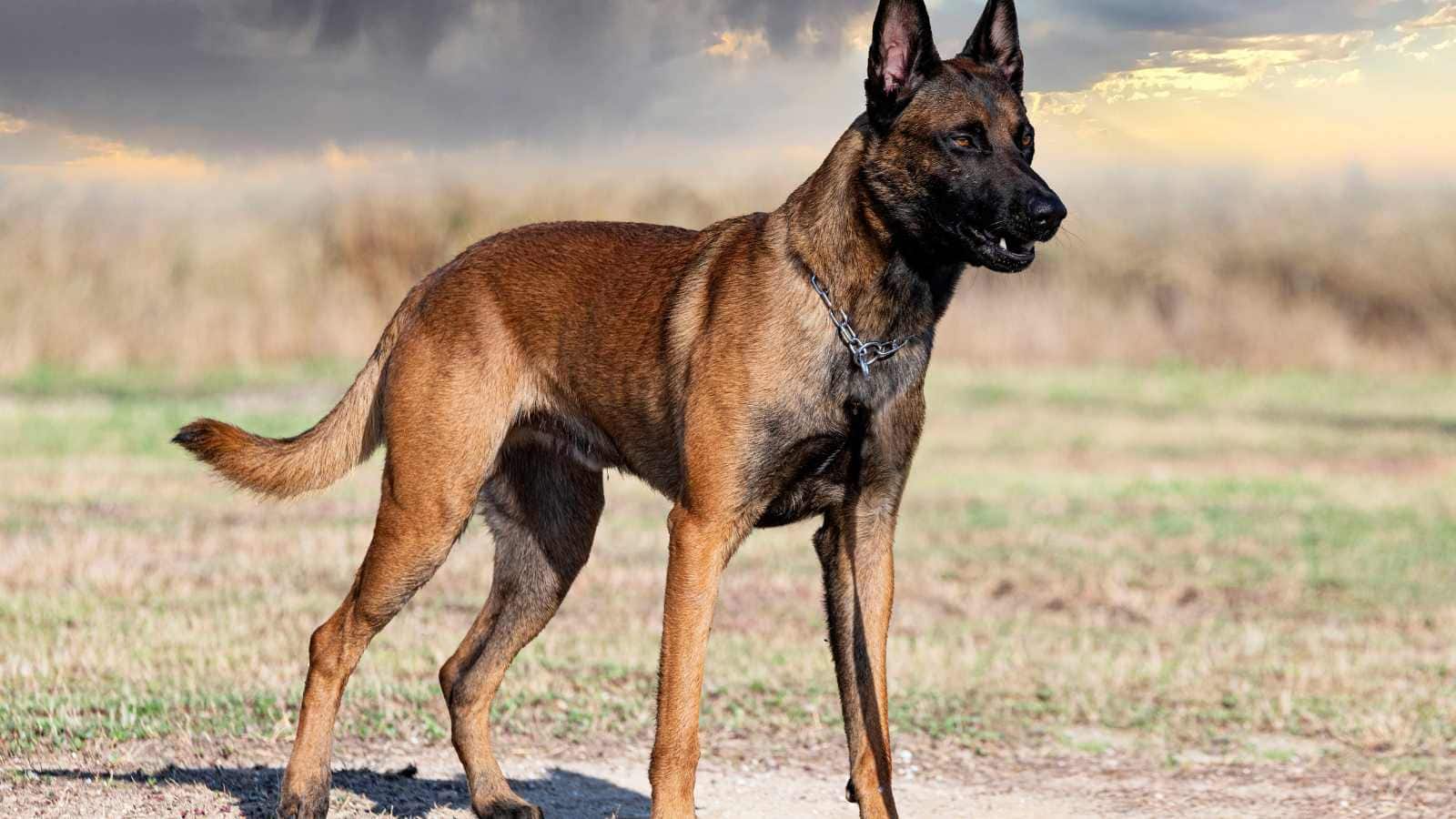
The Belgian Malinois is the kind of dog that makes you wonder if you adopted a pet or hired a personal trainer with paws.
Police departments, military teams, and working professionals rely on this breed because of its sharp intelligence, focus, and athletic ability. Those same traits that make the Belgian Malinois impressive can also make it a handful in a quieter home.
This dog does not want to follow you around the house and call it a day. It wants a mission. It wants training, exercise, challenges, and something to keep that busy mind working.
Want to settle into retirement with a peaceful daily routine, only to have your Belgian Malinois look at your schedule and think, “Perfect. We finally have time for more activities.” A quick walk and a cozy nap may sound like a dream to you, but this breed may see that as the opening act.
Great for an active owner who wants a loyal teammate. A tough match if your ideal afternoon involves a blanket, a book, and a dog that knows how to relax.
Siberian Husky
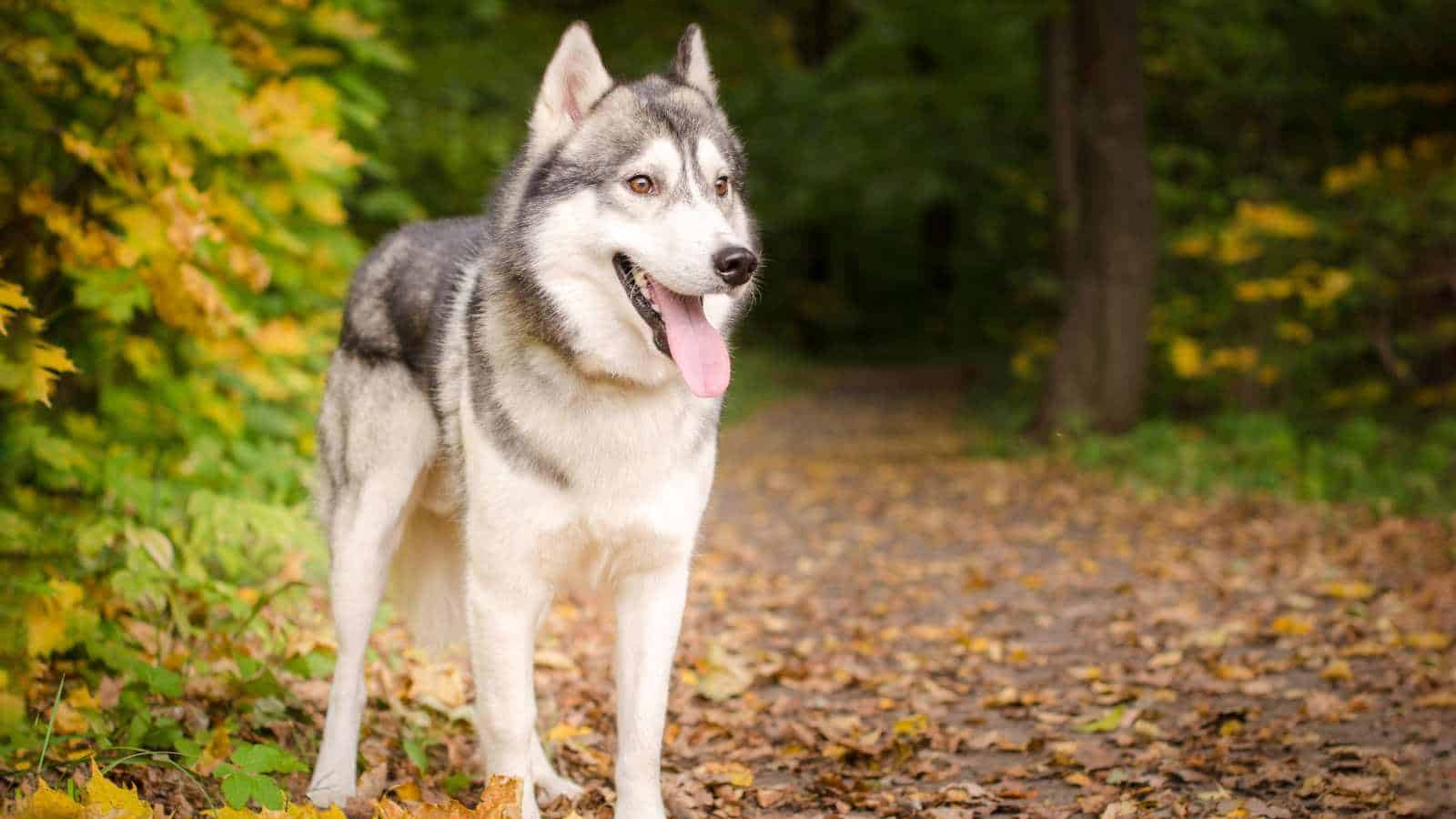
Few dogs turn heads like a Siberian Husky. Those bright eyes and fluffy coats make people stop and stare.
Then the Husky starts moving.
Originally bred to pull sleds across long distances, Huskies bring serious endurance. They often need daily exercise, and their independent nature can surprise new owners. Your fence is not always a boundary to a Husky. It is a puzzle waiting to be solved.
Huskies can be funny, affectionate, and full of personality. They can also make you question how one animal can have so much energy before breakfast.
Weimaraner
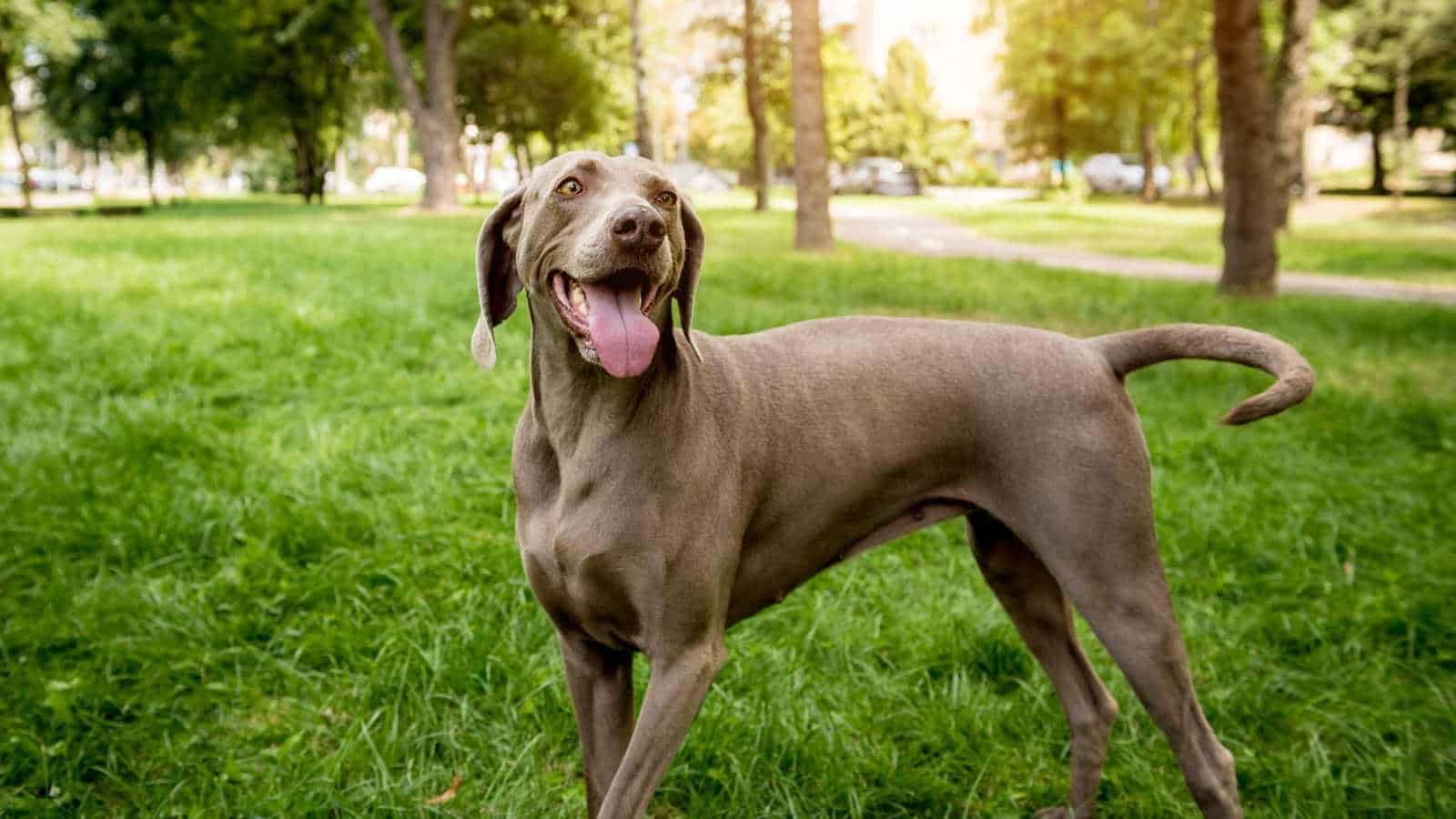
The Weimaraner has elegance, affection, and enough energy to power a small neighborhood.
Known as a “Velcro dog,” this breed loves staying close to its owner. Their strong attachment to their family can sometimes lead to separation anxiety if left alone for too long. The nickname sounds adorable until your personal shadow follows you everywhere and still wants more excitement.
They can also take several years to fully mature, meaning your grown dog may still act like an oversized puppy. Love the idea of a loyal shadow? Great. Just remember the shadow comes with running shoes.
Doberman Pinscher
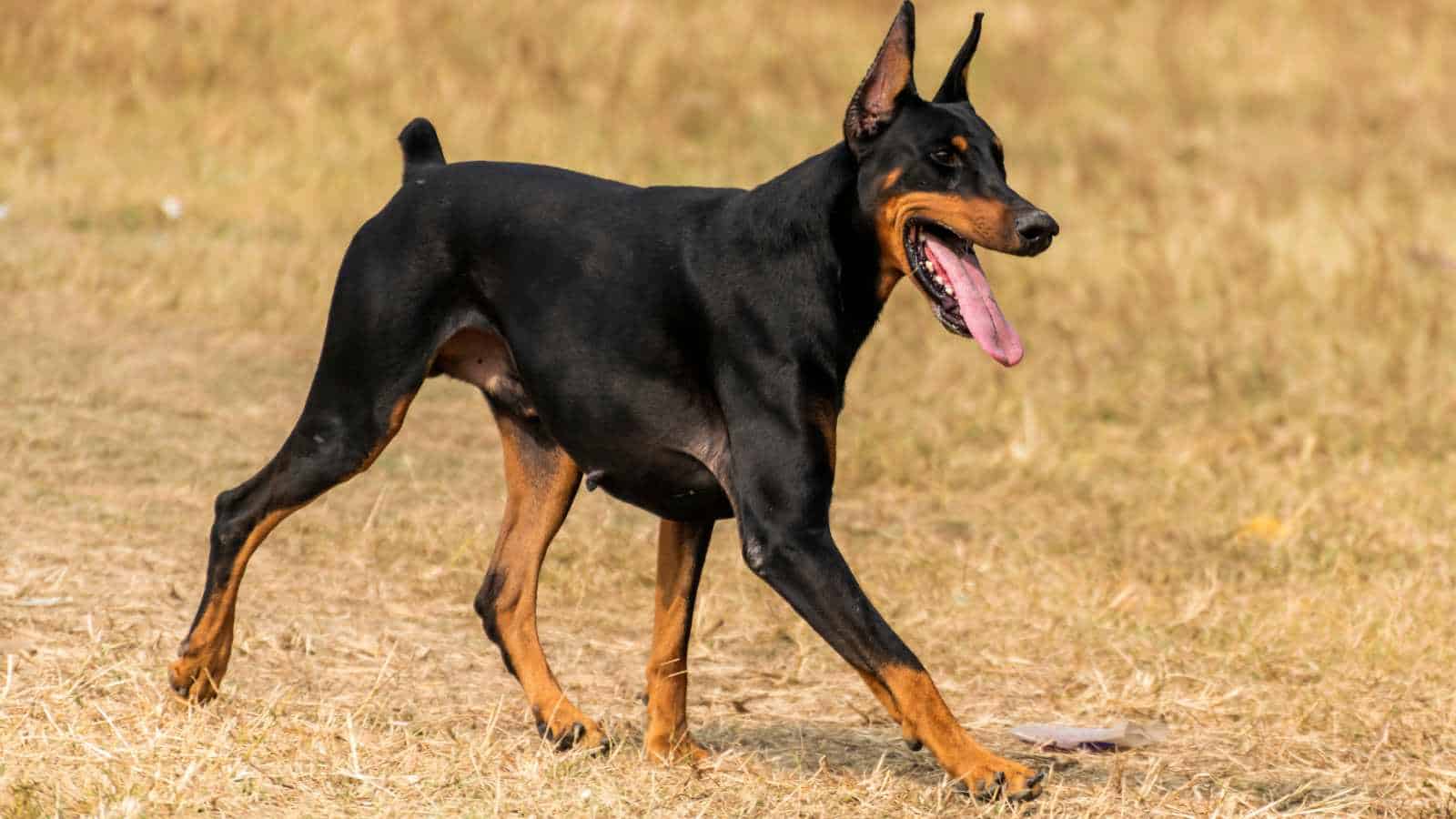
The Doberman looks like it was designed for a movie role: sleek, confident, and always ready for action.
This breed combines intelligence, loyalty, and athletic ability in one impressive package. They enjoy spending time with their owners, but they also need regular exercise, training, and mental stimulation to stay happy and well-balanced.
A quiet walk around the neighborhood may sound perfect to you, but your Doberman may prefer a faster pace, a training session, or a challenge that keeps its sharp mind busy. This is a dog that enjoys staying involved rather than simply tagging along.
Rottweiler
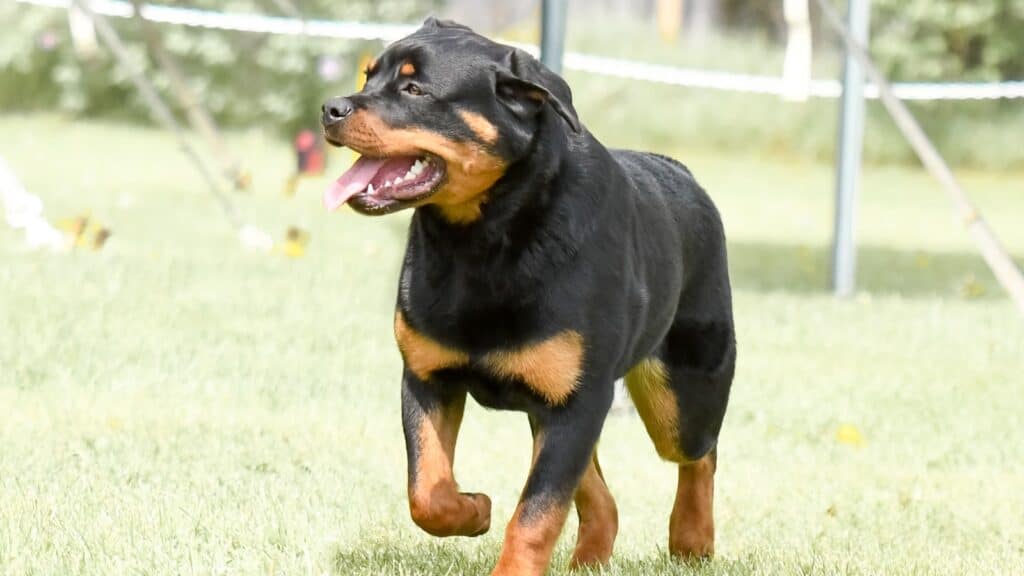
Rottweilers often surprise people because their powerful appearance can hide a gentle and affectionate personality. Many form strong bonds with their families and enjoy being part of everyday life. The challenge is not their loyalty or love. It is their size and strength.
A fully grown Rottweiler can weigh more than 100 pounds, and even a friendly dog can become difficult to manage if it pulls on the leash, jumps during greetings, or gets overly excited. They need at least 60 minutes of exercise every day, according to PubMed.
Still love the idea of a Rottweiler? This breed is like a gentle companion built with the strength of an athlete. A wonderful match for experienced owners who can manage their power, but a challenging choice if you want a smaller, easier-to-control retirement buddy.
Afghan Hound
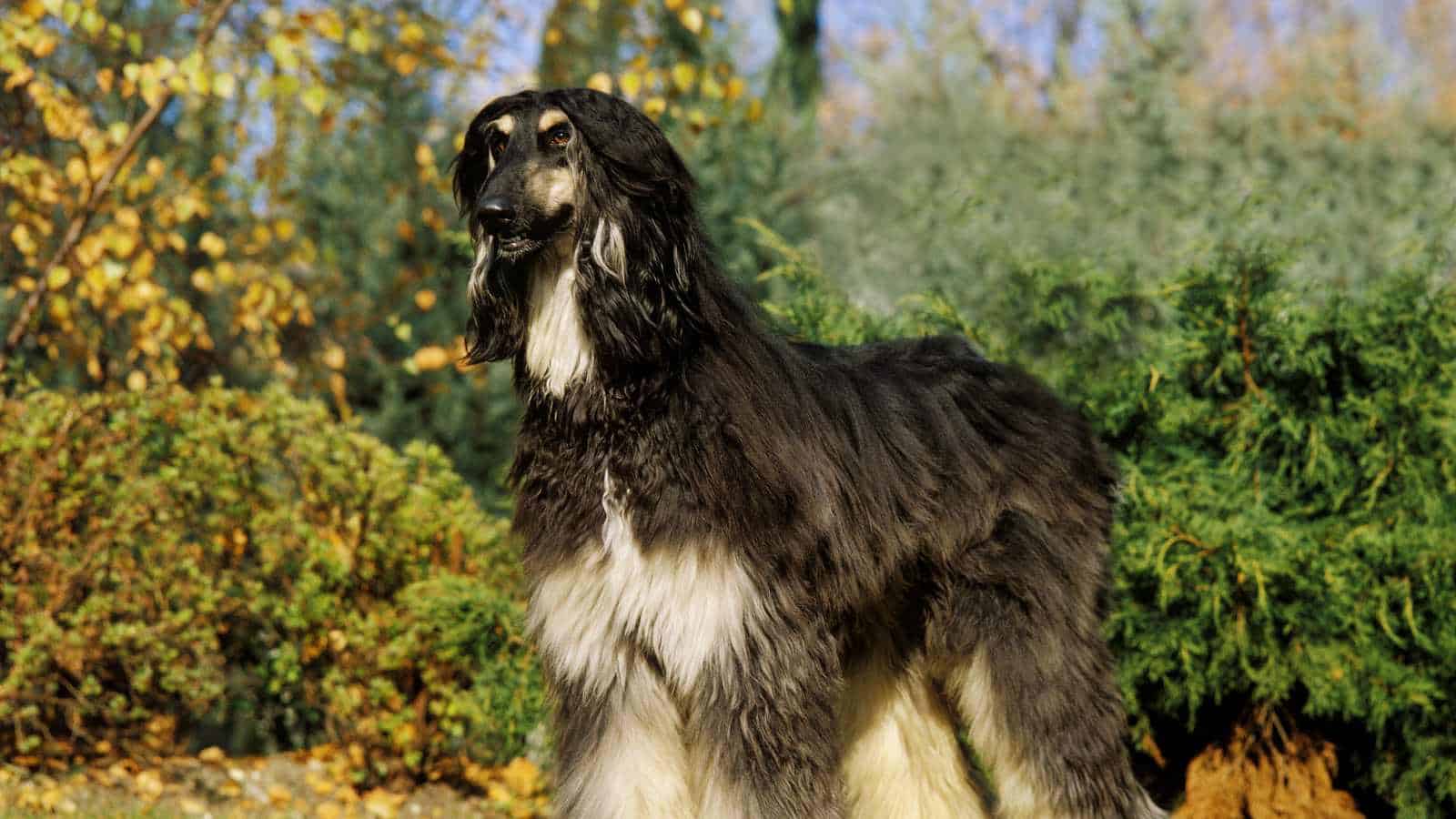
This breed looks like it walked straight out of a luxury fashion show, but that beautiful coat comes with a responsibility.
You need to brush and maintain its long, silky hair regularly to keep it healthy and tangle-free. Some owners enjoy the grooming routine and turn it into quiet bonding time. Others may feel like they added a weekly beauty appointment to their schedule.
Love the Afghan Hound’s elegant appearance? Just remember that show-stopping look takes work behind the scenes. A great match if you enjoy grooming. A tougher fit if your ideal weekend involves putting your feet up and doing nothing.
Akita
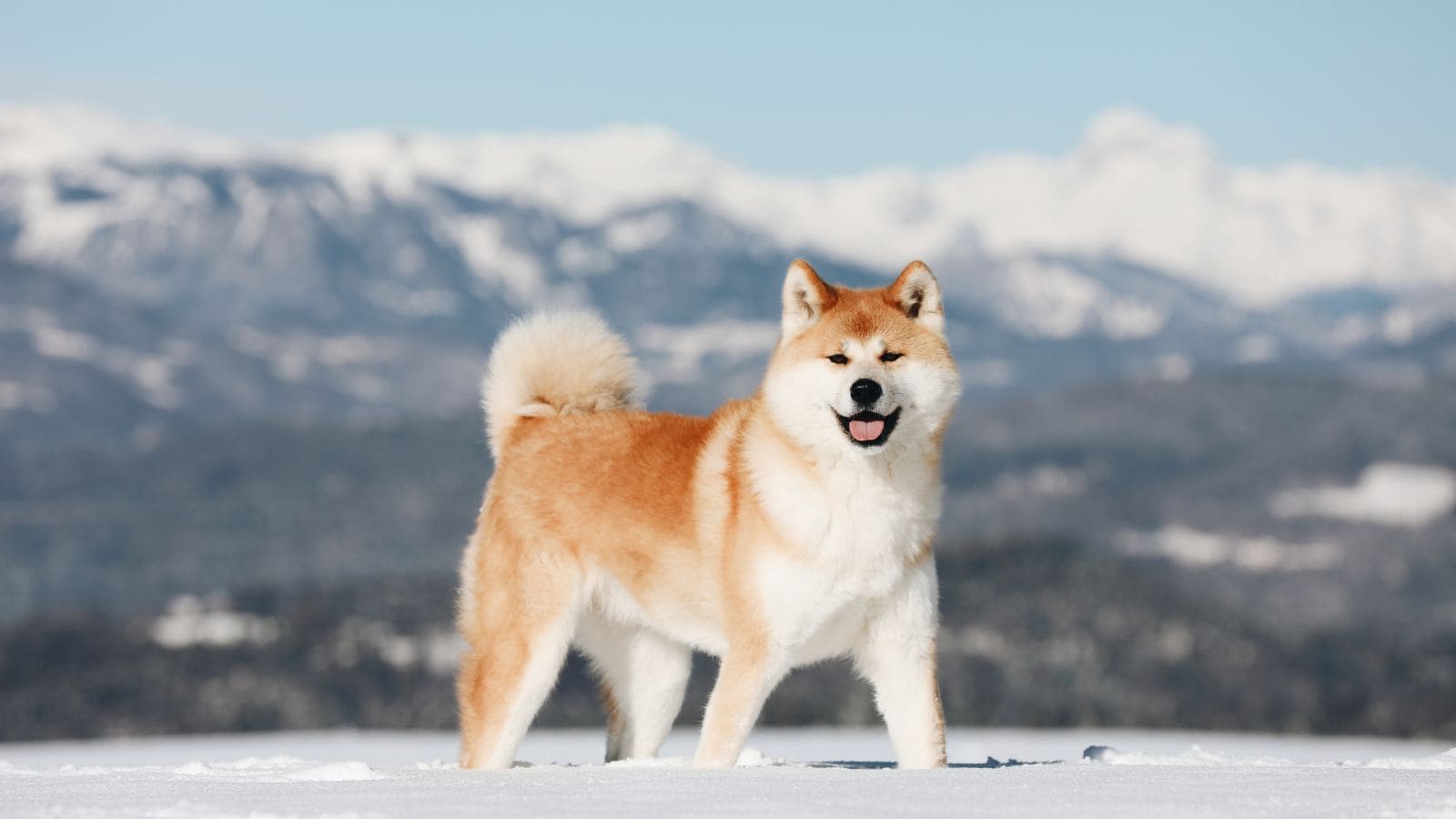
Originally from Japan, the Akita brings loyalty, confidence, and a personality that refuses to blend into the crowd.
The famous story of Hachiko shows the incredible loyalty Akitas can develop with their owners. You get a devoted companion with a calm, confident personality, but you also need patience with this breed’s independent streak. An Akita may not rush up to every stranger like an old friend. Instead, it often saves its affection for the people it knows and trusts.
You need to provide guidance, daily activity, and supervision because this breed likes making decisions for itself. Think of an Akita as the neighbor who politely waves but skips every neighborhood gathering.
Great Dane

Originating in Germany around 400 years ago, the Great Dane was bred to chase wild boar and deer. Today, this towering breed is less likely to hunt through forests and more likely to hunt for the softest spot on your couch.
Standing among the tallest dog breeds in the world, the Great Dane can reach nearly 100 centimeters in height and weigh around 110-140 pounds. That impressive frame brings plenty of love, but it also brings extra responsibility. You need to think about space, daily exercise, and health concerns such as bloat, heart conditions, and joint problems, notes WebMD.
The funny thing about Great Danes? They often have no idea how large they are. Your “gentle giant” may try to squeeze beside you on the couch, lean against you for attention, or claim your favorite chair like it paid the mortgage. The affection is enormous because, well, everything about this dog is enormous.
American Pit Bull Terrier
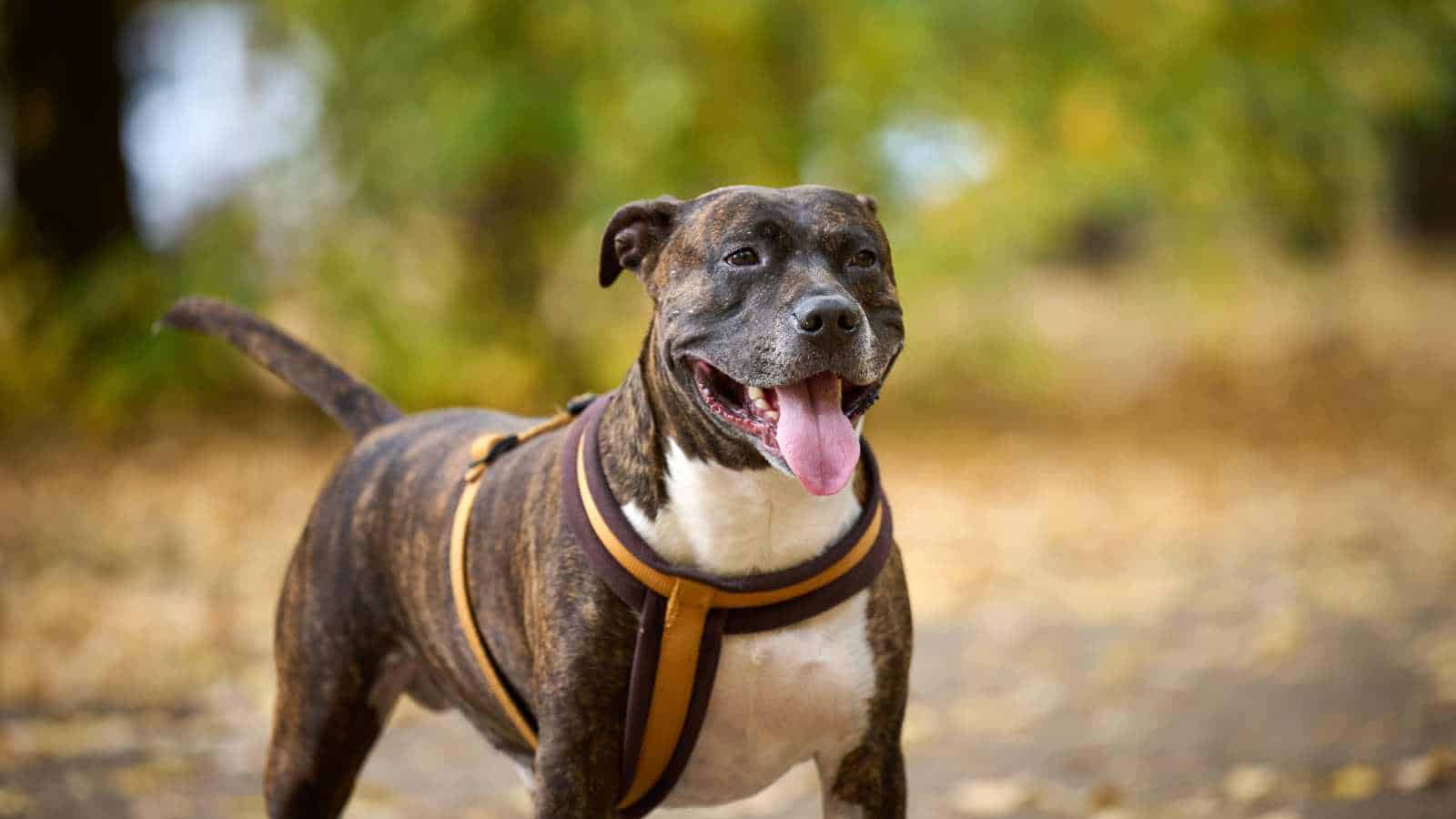
The American Pit Bull Terrier often catches people off guard. Behind that powerful build is a dog that can be goofy, affectionate, and eager to be part of the family.
You may get a companion that follows you from room to room, celebrates every greeting like a holiday, and treats your attention like the best gift you can give. The challenge comes with all that enthusiasm. This breed can pack a lot of strength, energy, and excitement into one furry body.
You need to provide training, structure, and plenty of interaction to help it thrive. If you are looking for a quiet roommate who spends the afternoon napping and asks for very little, a Pit Bull may feel more like the friend who always wants to join the party. If you dont have the energy to keep up with it, this might not be the best choice.
Key Takeaways

Choosing a dog during retirement is about finding the right match, not picking the most popular or impressive breed. Some dogs bring incredible loyalty and companionship but also require more exercise, grooming, training, or physical handling than many senior owners expect. A breed that fits an active lifestyle may feel overwhelming if you prefer a slower routine with shorter walks and more relaxed days.
Large and high-energy breeds such as Border Collies, Huskies, Belgian Malinois, and Great Danes can be wonderful companions in the right home, but they come with unique challenges. Before bringing one home, you should consider your daily schedule, living space, ability to manage the dog’s strength, and willingness to meet its needs. Those puppy eyes may be hard to resist, but your future self will appreciate making a practical choice.
The best retirement dog is the one that fits your pace, personality, and lifestyle. A smaller or calmer breed does not mean less love, and a powerful breed does not automatically mean a better companion. When you choose a dog that matches your energy and expectations, you create a relationship built on comfort, happiness, and many enjoyable years together.
Disclaimer – This list is solely the author’s opinion based on research and publicly available information. It is not intended to be professional advice.
Like our content? Be sure to follow us.