10 things thrift stores wish you’d stop donating
A donation is supposed to help someone else. But some items create more work for thrift stores than they’re worth.
Cleaning out your home can feel rewarding, especially when unwanted belongings can be donated instead of thrown away. It clears clutter, gives usable items a second life, and can support local charities at the same time.
But not everything belongs in a donation bin. Thrift store workers often spend hours sorting through broken, damaged, dirty, or unsafe items that cannot be sold or reused. In some cases, stores even have to pay to dispose of what donors leave behind.
Before you drop off your next bag or box, here are 10 things thrift stores wish people would stop donating.
Broken Electronics
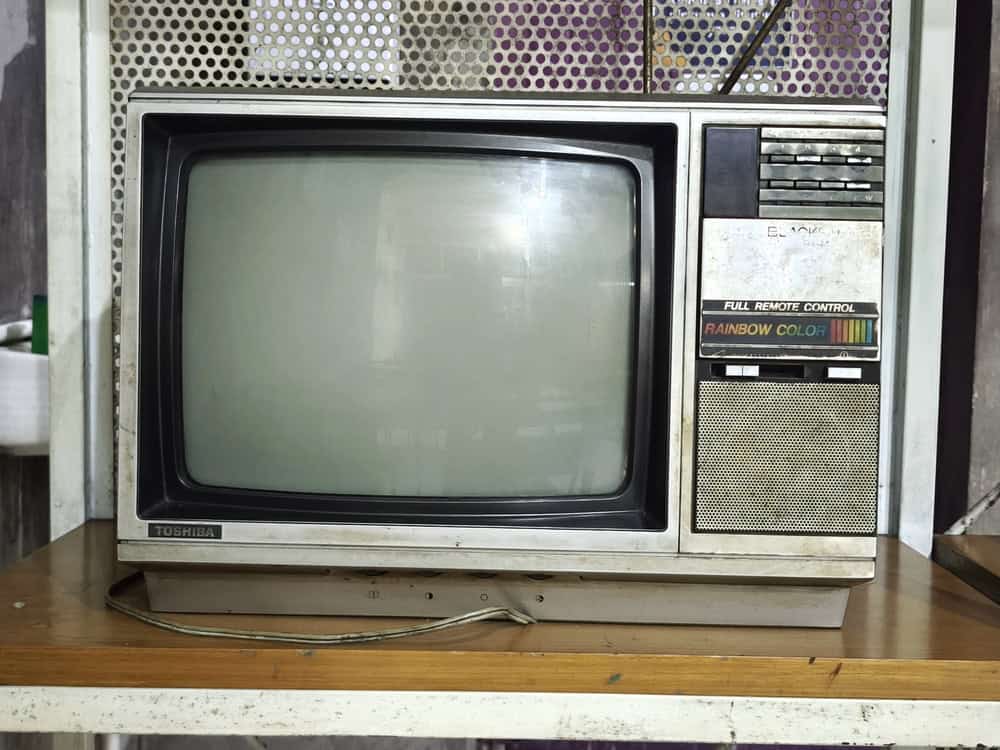
Dragging an ancient cathode ray tube television to a donation center creates a massive headache for the staff. These bulky electronics are practically impossible to sell to modern shoppers. Most charity shops strictly refuse them because they take up entirely too much valuable floor space.
Workers must carefully haul these heavy hazards directly into the dumpster. According to IDR Environmental Services, electronic waste represents just 2 percent of landfill trash but accounts for 70 percent of toxic waste. Please take your heavy vintage screens to a dedicated electronics recycling facility instead.
Mattresses And Used Box Springs
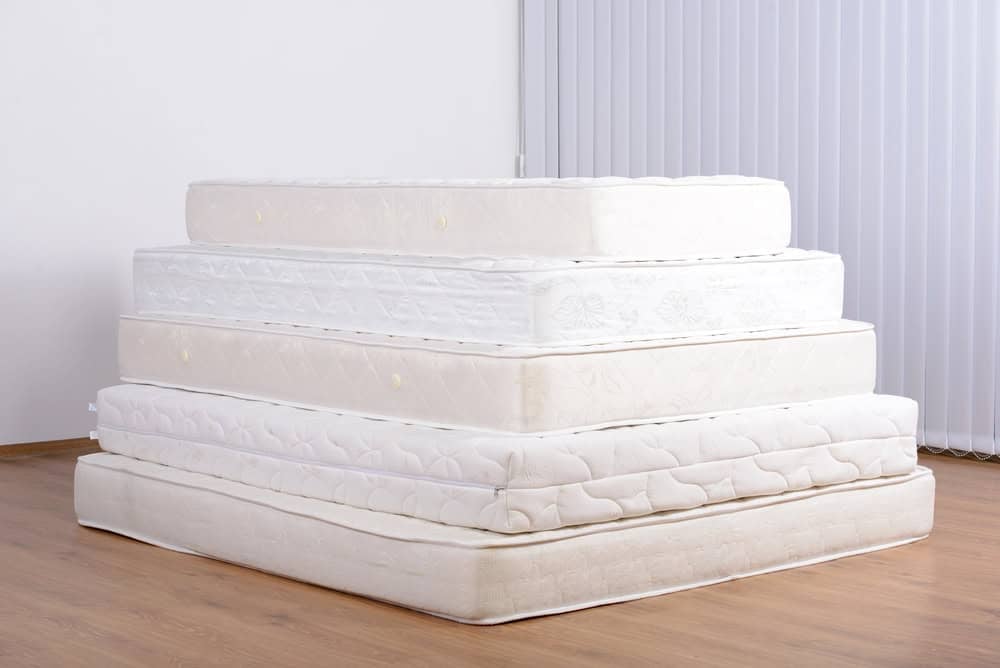
A good night of sleep is priceless, but nobody wants to buy a strange mattress with a questionable history. Sanitary regulations in many states actually prohibit secondhand stores from selling used beds. Bedbugs and dust mites are serious concerns that store managers refuse to risk introducing into their buildings.
Your old sleeping arrangement needs to go to a specialized recycling plant or the local dump. Americans discard over 50,000 mattresses every single day across the country. Thrift shops simply cannot handle the immense burden of disposing of your saggy old spring beds.
Recalled Baby Gear And Cribs
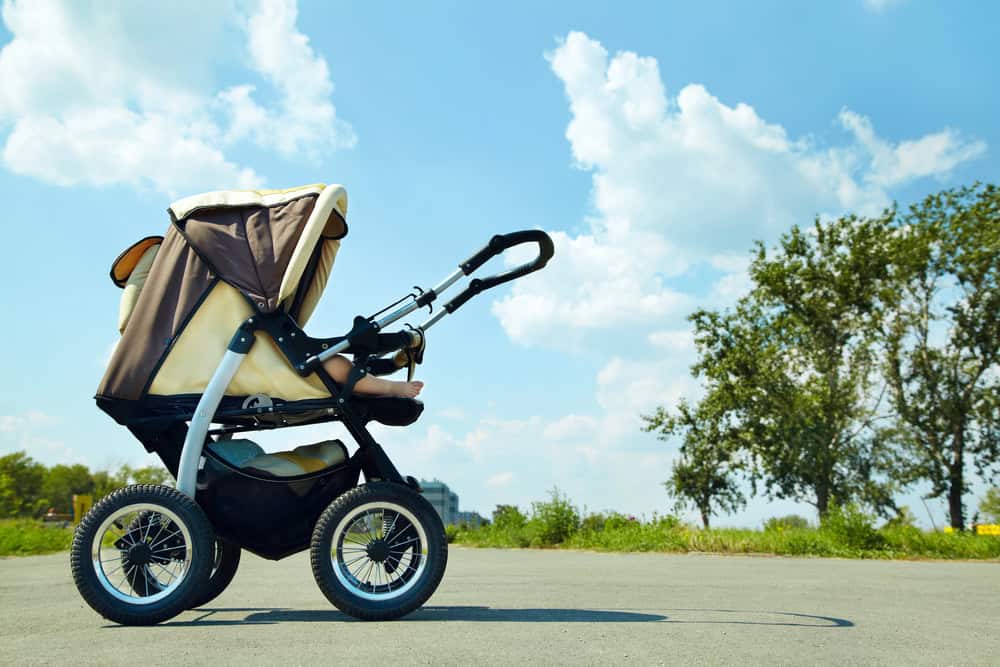
Parents naturally want to pass down expensive baby items once their little ones outgrow them. Federal safety standards change constantly, and older child products often pose hidden dangers. Drop-side cribs and expired car seats are prime examples of donations that charities must instantly reject.
Selling recalled infant items puts innocent children at risk of severe injury. It is no news that lots of recalled nursery products remain in homes today. Protect other families by dismantling and throwing away any baby gear that no longer meets current safety codes.
Heavily Stained Or Ripped Clothing

A faded concert shirt with gaping armpit holes is definitely not a desirable find for a thrifty shopper. Charity workers spend countless hours picking gross and unwearable garments out of donation bins. If you would be totally embarrassed to give the shirt to a friend, you should definitely toss it in the trash.
Textile recycling is a massive issue that charity organizations cannot solve alone. The Environmental Protection Agency reported that over 11 million tons of textile waste ended up in landfills in 2018. Do the sorters a massive favor and throw your completely ruined rags directly into the garbage.
Expired Cosmetics And Personal Care Items

Partially empty bottles of scented lotion and crusty eyeshadow palettes are a biohazard waiting to happen. Secondhand stores will instantly throw away any used makeup or unsealed hygiene products for sanitary reasons. Bacteria breed quickly in old beauty products, and sharing them spreads dangerous skin infections.
You might think someone less fortunate could use that expensive night cream you sampled once. Some women unknowingly use expired makeup that harbors harmful bacteria. Keep everyone safe by trashing any opened personal care items hiding inside your bathroom cabinets.
Old Encyclopedias And Textbooks

Heavy boxes of outdated encyclopedias from the nineteen nineties are completely useless to modern students. Information changes rapidly, and nobody wants to study from a textbook that still lists Pluto as a major planet. Charity book sections thrive on modern fiction and useful cookbooks rather than obsolete academic volumes.
Volunteers break their backs carrying heavy academic materials that eventually go straight to the paper recycler. Libraries and thrift shops alike will politely decline your vintage encyclopedia sets. Save them the trouble and toss those extremely heavy volumes straight into your curbside recycling bin.
Outdated Or Nonworking Electronics
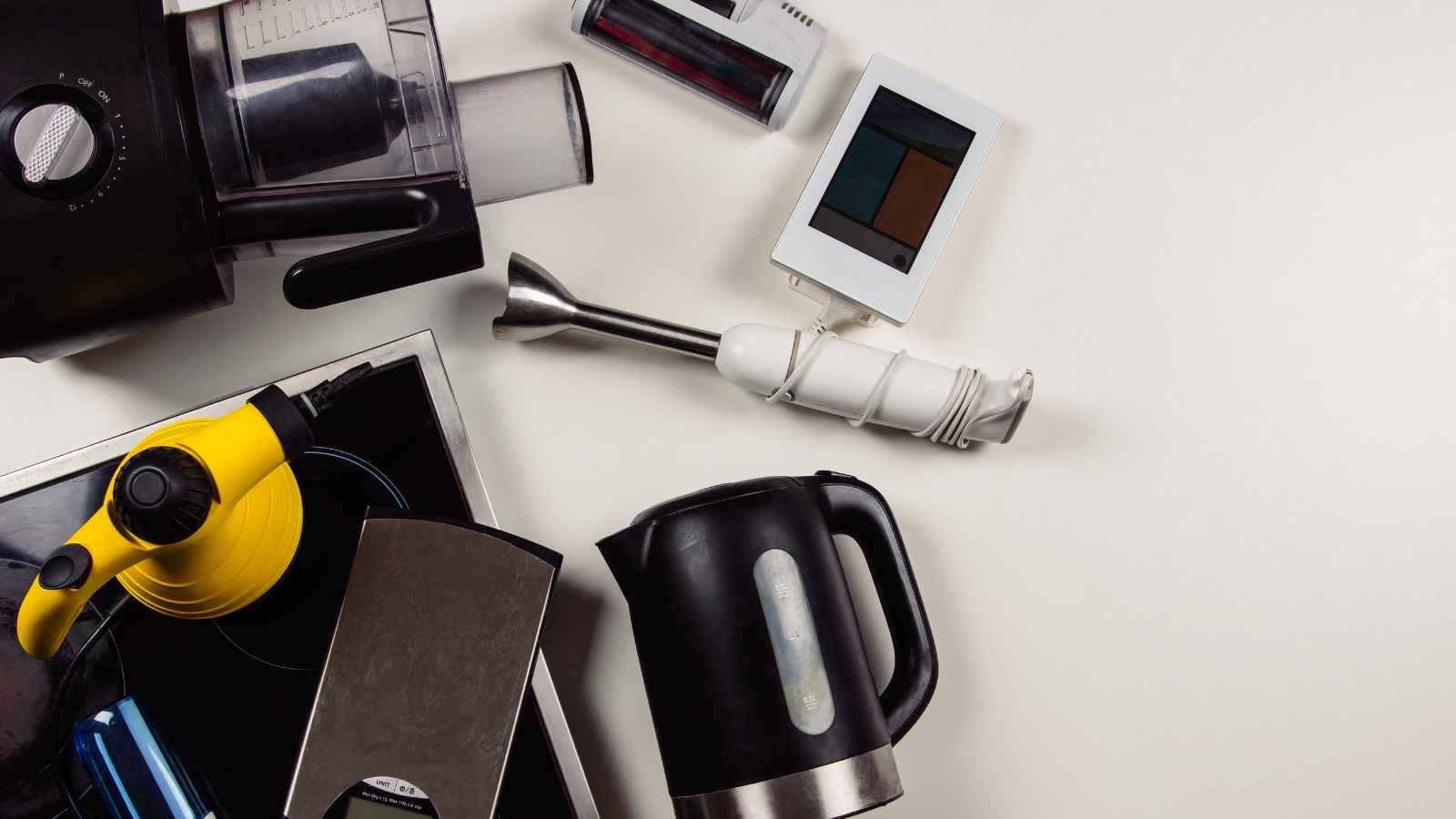
Tangled cords and broken kitchen appliances create dangerous clutter for the people sorting your donated goods. If a toaster fails to heat up or a blender smells like burning plastic, it belongs in the trash. Stores do not have magical repair departments waiting to fix your broken gadgets.
Nonprofit businesses lose huge chunks of their operating budget handling unwanted refuse. NPR reported that Goodwill of Omaha revealed they spend over 1,000,000 dollars annually just paying for trash disposal fees. Please test your electronic devices at home and only give away items that still function perfectly.
Used Underwear And Intimate Apparel

This rule feels like common sense, but sorters encounter dirty undergarments on a shockingly regular basis. No shopper wants to purchase worn intimate apparel from a secondhand clothing rack. Health department guidelines actively discourage or flatly forbid the resale of used underwear and bathing suits without tags.
Your gently used socks and old cotton briefs are destined for the immediate reject pile. Keep your donations focused on clean trousers, warm jackets, and stylish blouses. Always throw your used undergarments directly into the trash bag instead of placing them in a charity box.
Hazardous Materials And Household Chemicals
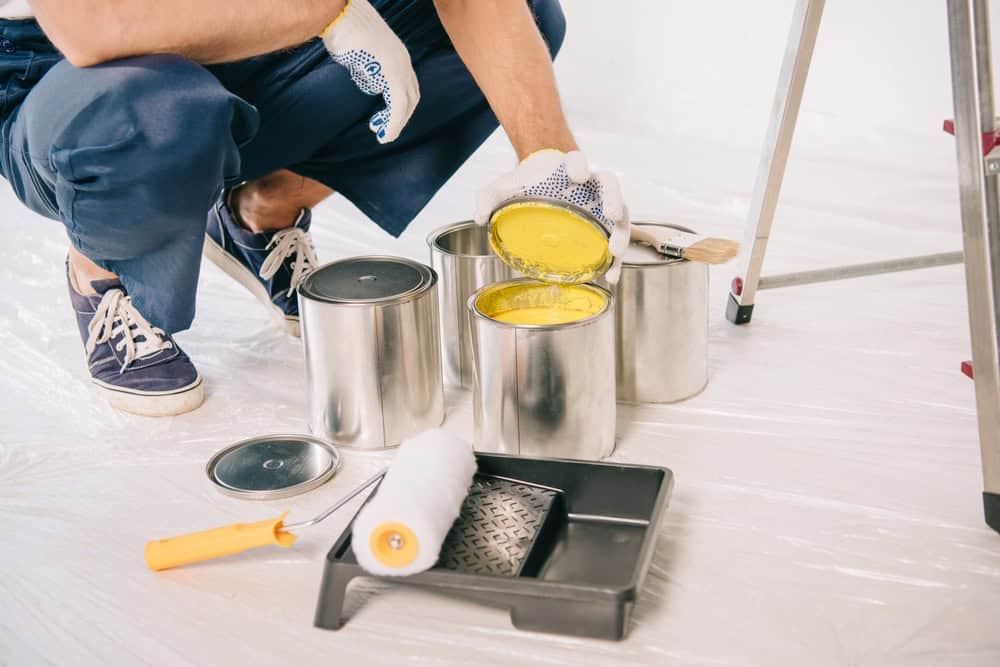
Old paint cans and partially empty bottles of weed killer pose a serious threat to retail workers. Chemical spills inside a collection truck can ruin hundreds of pounds of perfectly good clothing and shoes. Thrift shops are completely unequipped to safely handle or resell dangerous household solvents.
Every community has specific protocols for getting rid of leftover household chemicals safely. Check your local government website to find the nearest hazardous waste disposal facility. Never force a teenage volunteer at a donation center to handle your toxic cleaning supplies or leftover motor oil.
Worn Out Shoes And Footwear
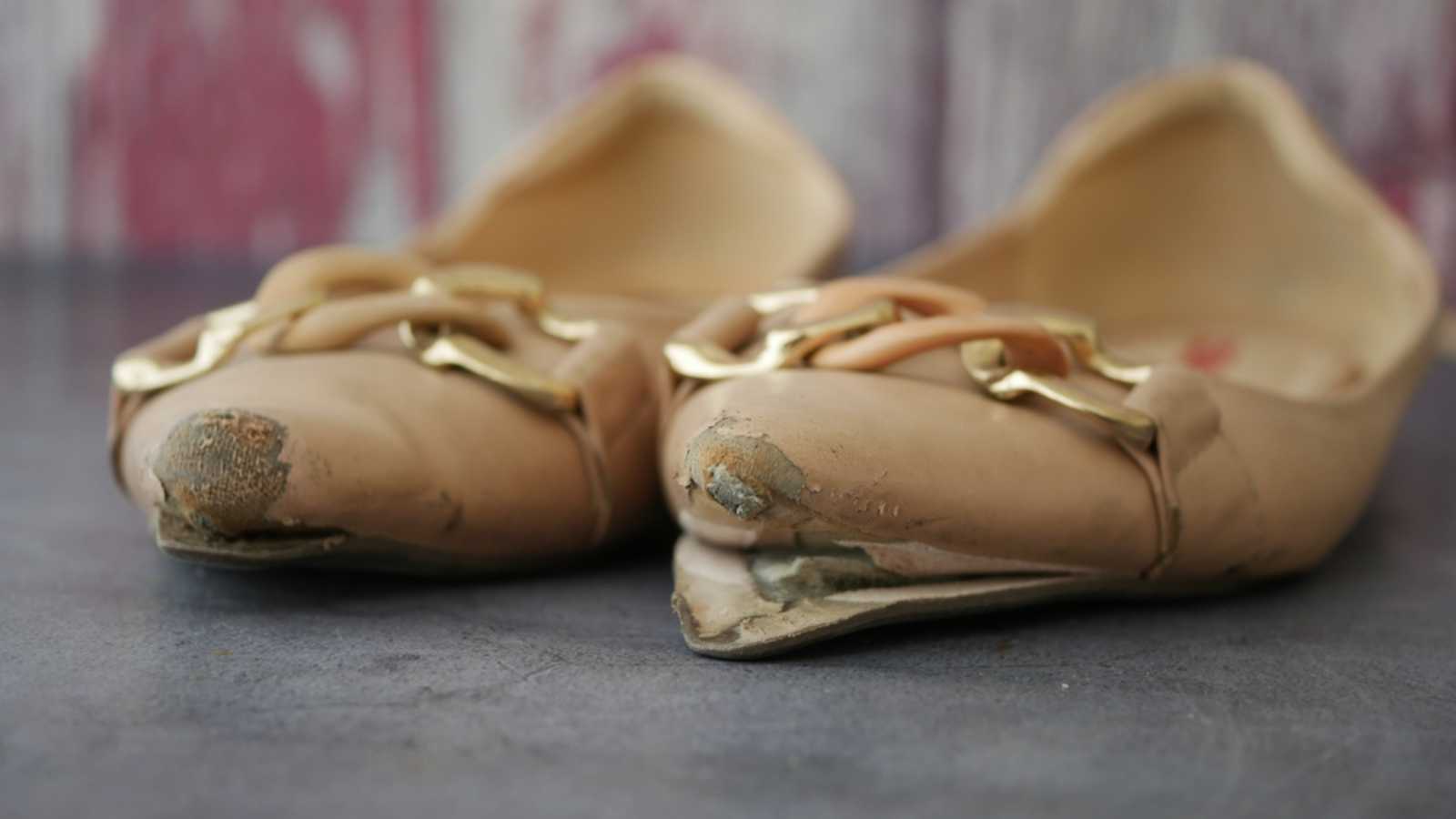
A pair of running shoes with completely bald soles will never find a second life on the sales floor. Footwear molds to the original owner, and severely worn shoes cause horrible posture issues for the next wearer. Store managers immediately discard any boots or sneakers covered in mud, pet waste, or extreme scuff marks.
Charity shops desperately need high-quality footwear that people can actually wear to a job interview. Inspect your shoes closely for missing laces or detached soles before tossing them in the giveaway pile. If the heels are completely ground down to the base, those old sneakers deserve a permanent resting place in the garbage.
QUESTION FOR READERS: What is the strangest thing you have ever found in a donation bin?
Like our content? Be sure to follow us