12 reasons why men stop pursuing women they like
The modern chase has ground to a sudden and quiet halt for millions of American men. Recent data reveals a massive shift in how singles navigate courtship in the United States. A growing number of men are choosing to step away from the dating market entirely due to rising emotional and financial costs.
According to the Hily State of Dating report, a staggering 51% of single American men had exactly zero dates in 2025. This sudden drop in romantic pursuit reflects a deeper crisis of fatigue, algorithm bias, and evolving lifestyle priorities.
The crushing weight of digital burnout
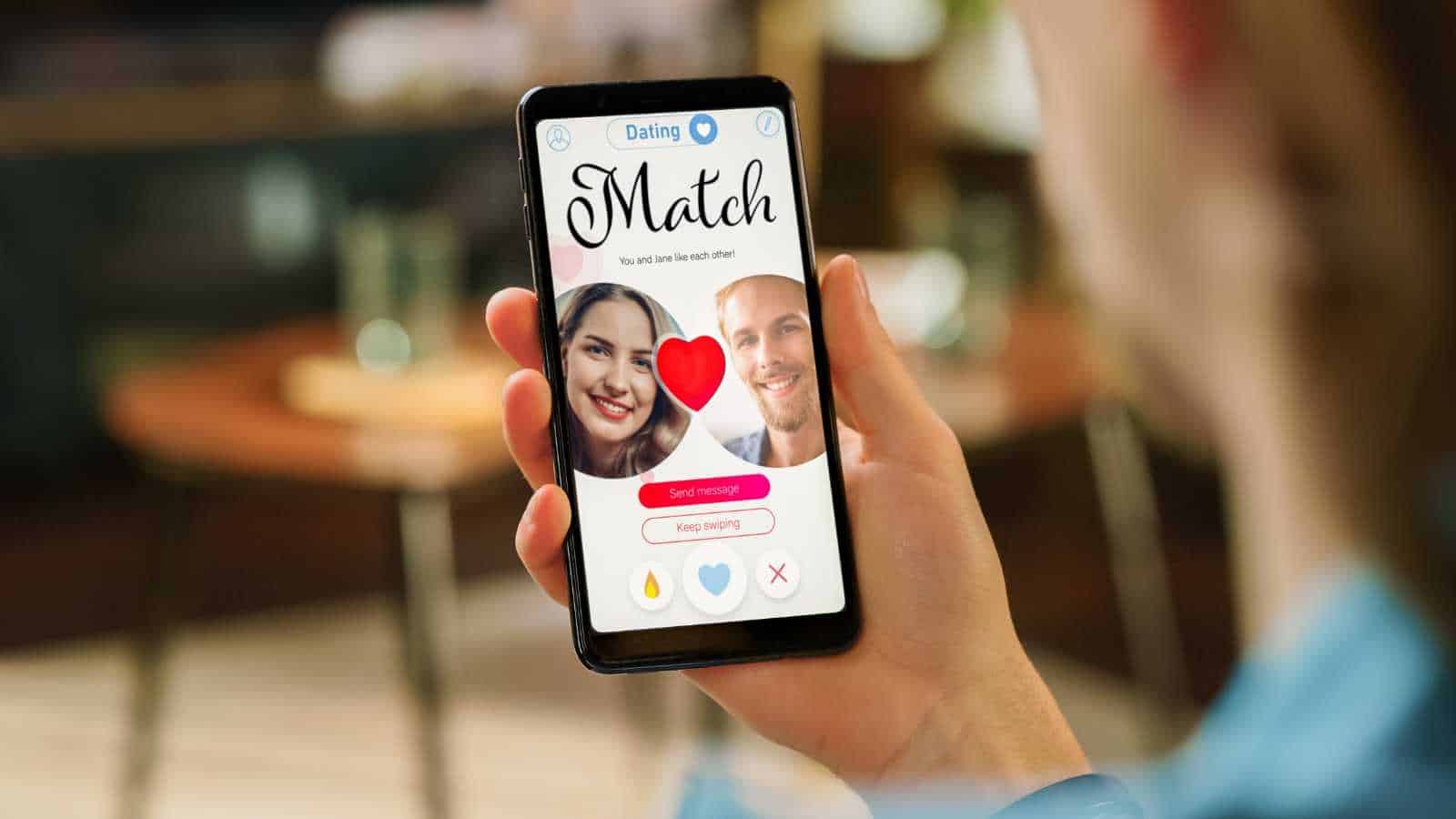
Dating apps have turned the search for love into a stressful second job. Digital matchmaking easily drains emotional energy when individuals fail to set firm boundaries. A notable 78% of dating app users report experiencing severe romantic burnout.
This constant exhaustion leaves men feeling emotionally numb and disconnected. When courtship begins to feel like a chore, stepping away becomes the only logical choice.
The structural penalty of the algorithm

The math behind modern matching platforms is heavily stacked against the average guy. Matchmaking algorithms create a winner-take-all system where a tiny fraction of profiles get the bulk of the attention. Indeed, the top 10% to 20% of male profiles receive a wildly disproportionate share of total matches.
Meanwhile, average profiles are buried beneath paid boosts and premium filters. Confronted with a system that monetizes frustration, men simply refuse to play anymore.
The psychological toll of ghosting

Sudden silence has replaced polite rejection in modern courtship. Researchers have found that being ghosted triggers elevated heart rates and higher blood pressure.
This cold dynamic makes men hesitant to invest emotional energy into new interactions. Rather than facing repeated, unexplained rejection, many choose to abandon the chase.
The fear of appearing too intense

A painful irony exists where men hold back their interest out of sheer caution. A Hinge internal study revealed that 65% of male users desire deeper, more meaningful conversations. However, 48% of those men actively restrict their effort because they worry about seeming too intense.
This anxiety creates a structural communication gap between potential partners. When men play it too cool to avoid looking desperate, the spark quickly dies.
The reality of the single tax

Dating in America has become an incredibly expensive luxury. According to the Match Group Singles in America study, singles spend about 40% more on their dating lives than they did a decade ago. With inflation squeezing budgets, men are forced to choose between groceries and a first date. When survival costs rise, pursuing romance becomes a secondary concern.
Warped standards of physical attraction

Photo-first dating platforms have completely distorted the perception of physical beauty. Analysis of database trends shows that women rate 80% of men as “below average” in attractiveness on apps. This statistical impossibility means magnetic, in-person qualities like humor and warmth are easily erased.
The medium itself forces immediate judgment based solely on photogenic qualities. Realizing they are deemed “not good enough” at first glance, ordinary guys check out.
A pervasive lack of dating confidence

The modern generation of young adults is facing a serious confidence crisis. Only about 1 in 3 singles express real faith in their own dating skills. Furthermore, only 36% of young adults feel confident picking up on social cues.
This emotional uncertainty makes the entire process of pursuing a partner feel terrifying. To avoid awkward missteps, many men choose the safety of solitude.
Shifting values and widening gender gaps

Finding common ground is becoming increasingly difficult for modern singles. Masculine energy naturally stops pursuing when there is no shared vision for the future. Without clear, mutual expectations, the drive to continue chasing simply evaporates.
The addictive trap of intermittent reinforcement

Mixed signals from a love interest can mimic the psychological loop of gambling. This creates a highly stressful loop of hope and sudden withdrawal. When a woman acts warm one day and cold the next, it causes severe texting anxiety. Eventually, men tire of the erratic feedback loop and choose emotional stability over drama.
The hidden burden of shame and inadequacy

Societal conditioning often forces men to hide their struggles behind a wall of silence. When facing personal or professional setbacks, men often feel an unspoken pressure to be strong. A therapist specializing in male psychology notes that men pull away because being around a loved partner reminds them of their own perceived shortcomings.
This retreat isn’t about apathy; it is a defense mechanism against deep-seated shame. Rather than risk showing vulnerability, men quietly withdraw to handle their issues alone.
The rise of intentional solo living

A growing number of men are discovering the distinct benefits of staying single. An Ally Bank survey reveals that 51% of singles enjoy the complete freedom to manage their lives and money exactly as they want. Additionally, 40% of single respondents prioritize personal growth over romantic partnerships.
This focus on self-care and mental health represents a massive shift in modern priorities. When solo living brings genuine peace, the exhausting chase loses its appeal.
Unrealistic expectations of instant chemistry

Modern singles often abandon potentially great relationships because they expect immediate fireworks. Match’s data reveals that 59% of singles actually do not expect to feel chemistry until at least the second date.
If a man expects an instant spark, he might walk away from a highly compatible partner. Slowing down the evaluation process is essential, but modern culture encourages instant dismissal.
Key takeaway

The decline in male romantic pursuit is a direct response to an increasingly stressful, expensive, and digitized dating landscape. By stepping away from the endless swiping and unrealistic standards, men are prioritizing their mental health and financial security. Rebuilding genuine romance requires a collective shift toward authentic, offline connections where real chemistry can actually grow.
Disclaimer – This list is solely the author’s opinion based on research and publicly available information. It is not intended to be professional advice.
You May Also Like: 6 Warning Signs Your Relationship Won’t Survive the Talking Stage
Like our content? Be sure to follow us