People who rarely make their bed often share these 12 traits
An unmade bed can inspire a surprisingly strong reaction.
To some people, making the bed is practically a character test: a tiny act of discipline that starts the day on the right foot. To others, it’s pointless housekeeping theater. Why carefully arrange sheets and pillows you’re just going to climb back into a few hours later?
But that little morning decision may say something interesting about how we approach routine, control, time, priorities, and even perfectionism.
It also happens in the context of increasingly complicated mornings. Millions of Americans are juggling work, children, caregiving, household chores, and chronic sleep deprivation before the day has barely begun. The 2025 Sleep in America poll found that 60% of U.S. adults don’t regularly get the recommended amount of sleep, while the 2025 American Time Use Survey found that 81% of Americans perform some type of household activity on an average day.
So leaving the covers in a heap doesn’t automatically mean someone is lazy or disorganized.
But psychologists and behavioral research suggest our attitudes toward small routines can offer clues about how we approach the rest of our lives. Here are some traits people who rarely make their beds may be more likely to share—and why none of them should be mistaken for a diagnosis.
Creative thinker
Researchers in a 2026 routine study tracked 1,086 people and found stable, person-specific patterns across everyday life. That finding matters because routines express individuality rather than one universal standard.
A creative thinker may skip bed-making because ideas, messages, sketches, or unfinished projects capture her attention first. Loose surroundings may energize her instead of disrupting concentration.
Untucked sheets cannot create imagination, yet they may suit someone who prizes mental momentum, experimentation, and possibility over decorative precision each morning plus spotless visual presentation.
Nonconformist
Bed-making carries a cultural script: responsible adults smooth sheets, arrange pillows, and begin the day neatly. A nonconformist may question that script instead of obeying it automatically. She may wonder why a polished bed deserves attention when nobody sees it before evening.
The same skepticism can shape her fashion, career decisions, parenting style, and relationships. Skipping the ritual may become a tiny declaration that private life needs no audience.
However, the choice reveals nothing definite about reliability, cleanliness, or commitment across work, caregiving, friendships, and finances in practice.
Spontaneous
Spontaneous people prefer enough room for detours, surprises, and sudden changes of plan. They may leave quickly for coffee, a walk, a school run, or an unexpected errand. A tightly sequenced morning can feel restrictive, so bed-making falls below whatever seems vivid or urgent.
This tendency can bring warmth, curiosity, and adventure, although it may also produce forgotten details.
The rumpled bed becomes less a protest than a clue that someone follows momentum, welcomes novelty, and makes decisions in real time, even when a conventional checklist would demand a slower and more orderly start amid daily pressure.
Independent
Census Bureau 2025 household data shows that one-person households now represent 29% of U.S. homes. That shift gives millions of adults wider control over domestic standards and private routines. An independent person may decide that a made bed matters only when it improves her comfort, not someone else’s approval.
She sets the rule, accepts the result, and continues her day. The habit may reflect self-direction, although shared homes still demand compromise, consideration, and honest conversation about responsibilities, shared comfort, and the amount of disorder everyone can reasonably tolerate in ordinary life.
Low-maintenance
Low-maintenance people often favor comfort, usefulness, and fewer ceremonial steps. They may straighten the duvet before guests arrive or after washing the sheets, then ignore it on ordinary mornings.
Staging a room they plan to use again can feel unnecessary and slightly theatrical. That practical streak may make them easygoing, flexible, and less preoccupied with appearances.
It can also irritate tidier partners, so the trait works best when everyone defines “good enough,” divides chores fairly, and respects different thresholds for visual order, especially during busy weekdays plus crowded family mornings too.
Time optimizer
In a 2026 Pew survey, 71% of working parents said flexible scheduling would help them balance employment and family. That finding captures the pressure behind countless tiny household decisions.
A time optimizer may skip the bed to pack lunches, answer email, exercise, or claim two quiet minutes. She measures chores by practical payoff instead of tradition.
The choice may look careless from the doorway. Yet, it can reflect deliberate triage during an overloaded morning when several meaningful duties compete for attention before the household has fully awakened.
Quietly rebellious
Some adults dislike rules that arrive without a persuasive reason or visible benefit. They may meet deadlines, care for relatives, and perform responsibly, then reserve small private spaces for harmless rebellion. Leaving the bed unmade can satisfy that impulse without creating serious damage.
The act quietly says, “I choose my own routine,” even when nobody else notices. This trait can protect autonomy and personal identity.
However, constant resistance may become exhausting when a simple compromise would preserve freedom, fairness, household peace, mutual respect, and an equitable division of labor.
Relaxed
The APA’s 2025 work survey found that 54% of U.S. workers said job insecurity significantly increased workplace stress. Against that backdrop, some people refuse to spend emotional energy on wrinkled bedding or decorative alignment. A relaxed personality may tolerate minor disorder without treating it as personal failure.
She separates a harmless mess from a genuine problem and keeps moving. That calm can feel refreshing and stabilizing, although excessive looseness may quietly shift unfinished work to a more orderly partner, who then handles the same neglected task after an already demanding day at work.
Authentic
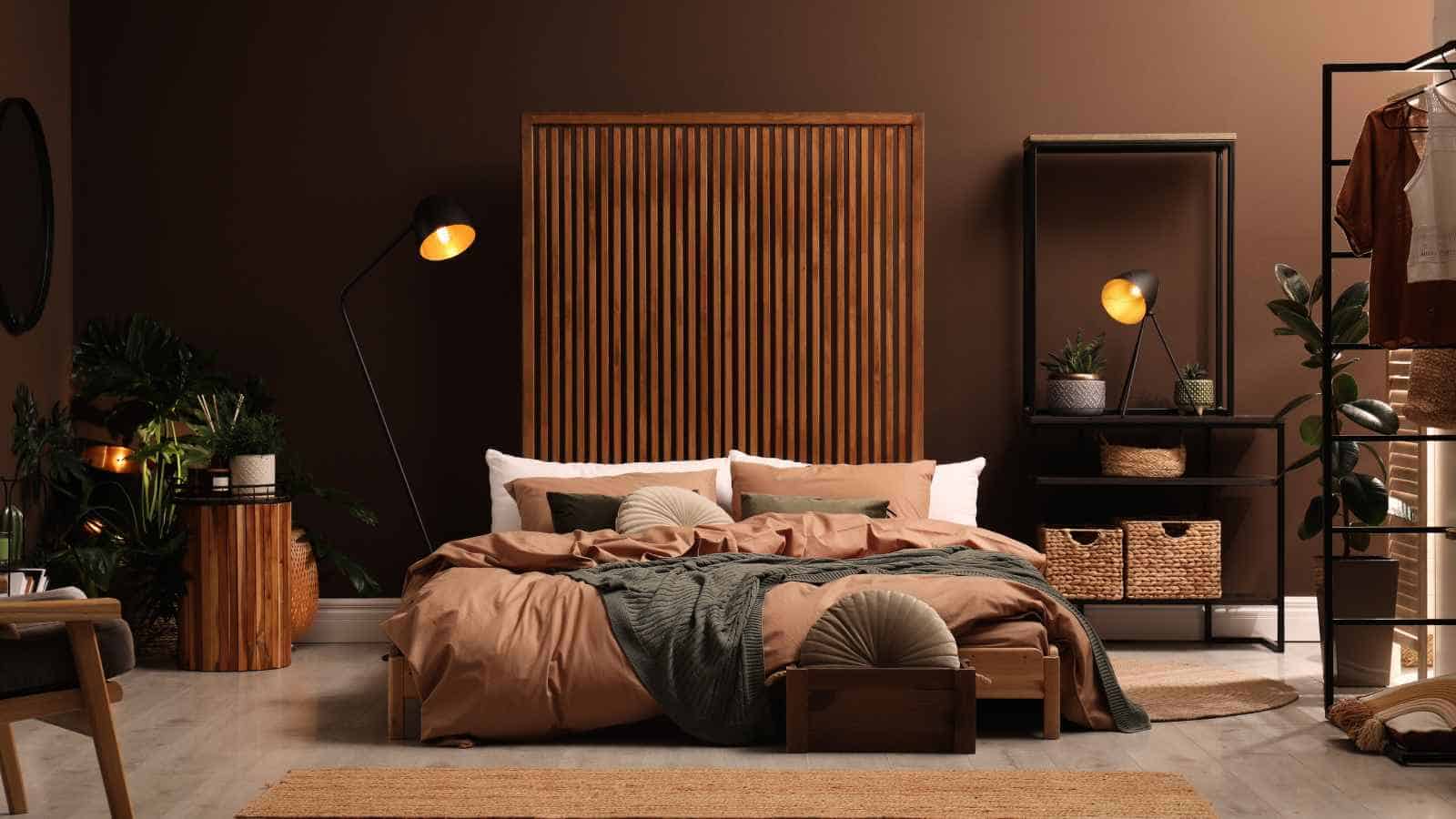
Authentic people often prefer homes that look genuinely inhabited rather than carefully staged for an audience. They may view perfect pillows, coordinated throws, and flawless folds as visual performance, especially inside a private bedroom.
An unmade bed can match their preference for comfort, honesty, and reduced self-monitoring. They may still clean deeply, wash linens regularly, and protect hygiene.
Their resistance targets polish rather than responsibility, which explains why an untidy surface can coexist with dependability, generous values, and thoughtful care for other people, beyond any showroom standard.
Less materialistic
A 2026 Gallup study found that 32% of U.S. adults experience consistent financial stress. That pressure encourages many households to emphasize usefulness, durability, and value over display. A less materialistic person may care little about coordinated cushions, hotel-style folds, or a camera-ready bedroom.
She values restorative rest and affordable comfort instead. Bare practicality can feel refreshing, although simplicity and neglect remain different conditions, especially when clutter threatens safety, hygiene, or another household member’s sense of ease, privacy, or belonging in practice.
Adaptive
The 2025 Future of Jobs report says employers expect 39% of workers’ core skills to change by 2030. Daily life rewards comparable flexibility as schedules, caregiving demands, and energy levels fluctuate. An adaptive person may abandon bed-making during a hectic season, then resume it during calmer weeks without guilt.
She changes the routine to fit the day instead of forcing every day into one pattern. That elasticity can strengthen resilience, provided she still protects sleep, hygiene, shared expectations, and essential household responsibilities amid unpredictable seasons.
Unconventional problem-solver
Creative problem-solving rarely follows a neat, predictable sequence. A 2025 Royal Society study found that task switching and sustained focus both helped people produce more original ideas. An unconventional problem-solver may also ignore familiar household scripts and invent a personal system.
She may air the bedding first, fold it later, or skip the ritual entirely. The visible disorder may conceal clear internal logic, which outsiders often miss because they expect one approved method, one tidy timetable, and one recognizable sign of competence inside every bedroom and every morning routine, plus mutual trust.
Key takeaway
An unmade bed cannot reveal personality or measure worth. Repeated choices may hint at creativity, autonomy, practicality, or flexibility.
The larger story centers on pressured mornings and domestic expectations. Healthy homes support rest, fairness, and cooperation rather than perfection. Context matters.
You may want to read:
- 13 habits of people who rarely let worry take over
- Caught in negative self-talk? Try these 10 responses instead
- 13 secrets of people who live anxiety-free lives