Women may be getting more from every minute of exercise than men
Women may be getting more health benefit from every minute they exercise than men—and researchers say the difference could be substantial.
Regular exercise benefits everyone, but a large study highlighted by the National Institutes of Health found an intriguing difference between women and men. Women who exercised regularly had a greater reduction in the risk of dying from any cause or from cardiovascular disease than men who reported comparable levels of physical activity.
Even more surprising, women appeared to reach similar survival benefits with less weekly exercise than men.
That doesn’t mean women should cut their workouts short or that exercise somehow matters less for men. Instead, the findings suggest that women’s bodies may respond differently to physical activity—and that women who struggle to find time to exercise may get more benefit from even modest amounts of movement than they realize.
Here are 13 reasons exercise can be such a powerful long-term investment in women’s health.
Women may get a bigger longevity payoff
The headline finding is hard to ignore. Compared with inactive people, women who exercised regularly had a 24% lower risk of death from any cause, while regularly active men had a 15% lower risk.
This was an observational study, so it cannot prove that exercise alone caused those differences. But the researchers accounted for numerous health and lifestyle factors, and the pattern persisted across different kinds and amounts of physical activity.
For women wondering whether a few workouts a week really matter, the answer appears to be a resounding yes.
Women may reach meaningful benefits in less time
Here’s where the research gets particularly interesting. Men reached their maximum observed survival benefit from moderate-to-vigorous activity at around 300 minutes per week.
Women achieved a comparable reduction in mortality risk at about 140 minutes per week—less than half that amount—and their benefits continued to increase as their activity increased.
That doesn’t make 140 minutes a magic number. It does suggest that women shouldn’t assume exercise only “counts” if they can devote hours to it every week. A brisk walk, bike ride, swim or workout squeezed into a busy day may be doing considerably more than you think.
The heart may be an especially big winner
Cardiovascular disease remains a major threat to women’s health, and exercise appears to offer substantial protection.
In the study, regular aerobic activity was associated with a 36% lower risk of cardiovascular death among women, compared with a 14% reduction among men.
That doesn’t mean exercise makes anyone heart-attack-proof. Blood pressure, cholesterol, smoking, diabetes, genetics and other factors still matter. But regular movement is one of the lifestyle factors women can actually do something about.
Strength training deserves a place beside cardio
If your idea of exercise is primarily walking, running or getting on an elliptical, don’t overlook the weights.
Women in the study who regularly performed muscle-strengthening exercise had a 19% lower risk of death from any cause compared with women who didn’t, while the reduction among men was 11%. For cardiovascular death, women who did strength training had a 30% lower risk.
The findings were especially striking because relatively few participants were doing it: only about one in five women reported regularly participating in muscle-strengthening exercise.
Related to Read: Why Women Over 50 Should Lift Weights: Building Strength, Health, and Confidence
Muscle becomes increasingly valuable as women age
Strength training matters for another reason that becomes increasingly important with age: we naturally lose muscle over time.
Maintaining muscle isn’t just about looking toned. Strength helps you climb stairs, carry groceries, get up from the floor, lift grandchildren and continue doing ordinary things without assistance.
That makes muscle a form of physical retirement savings. Building and preserving it earlier can help protect the independence you’ll want later.
Exercise helps protect aging bones
Women face a particular challenge as estrogen levels decline around menopause: bone loss accelerates, increasing the risk of osteoporosis and fractures.
Weight-bearing activities such as walking, hiking and stair climbing put healthy stress on bones, while resistance training strengthens the muscles that support them. Exercise alone cannot prevent every case of osteoporosis, but it is an important piece of maintaining skeletal health.
The goal isn’t simply to live longer. It’s to remain physically capable during those additional years.
Better balance can help prevent a life-changing fall
Falls become increasingly consequential as we age. A broken hip at 70 is very different from taking a tumble at 30.
Exercise that maintains leg strength, balance, coordination and mobility can help women stay steadier on their feet. Strength training is useful, but so are activities that challenge balance and movement, including yoga, tai chi and certain functional exercises.
Being able to catch yourself when you stumble may never appear on a fitness tracker, but it can become one of the most valuable physical abilities you have.
Movement can support mental health
Exercise doesn’t only affect the body. Regular physical activity can also support mood, reduce symptoms of anxiety and depression in some people, improve sleep and provide a valuable outlet for stress.
That doesn’t mean exercise should be treated as a substitute for therapy, medication or other mental-health treatment when those are needed. But movement can be one part of a much larger mental-health toolkit.
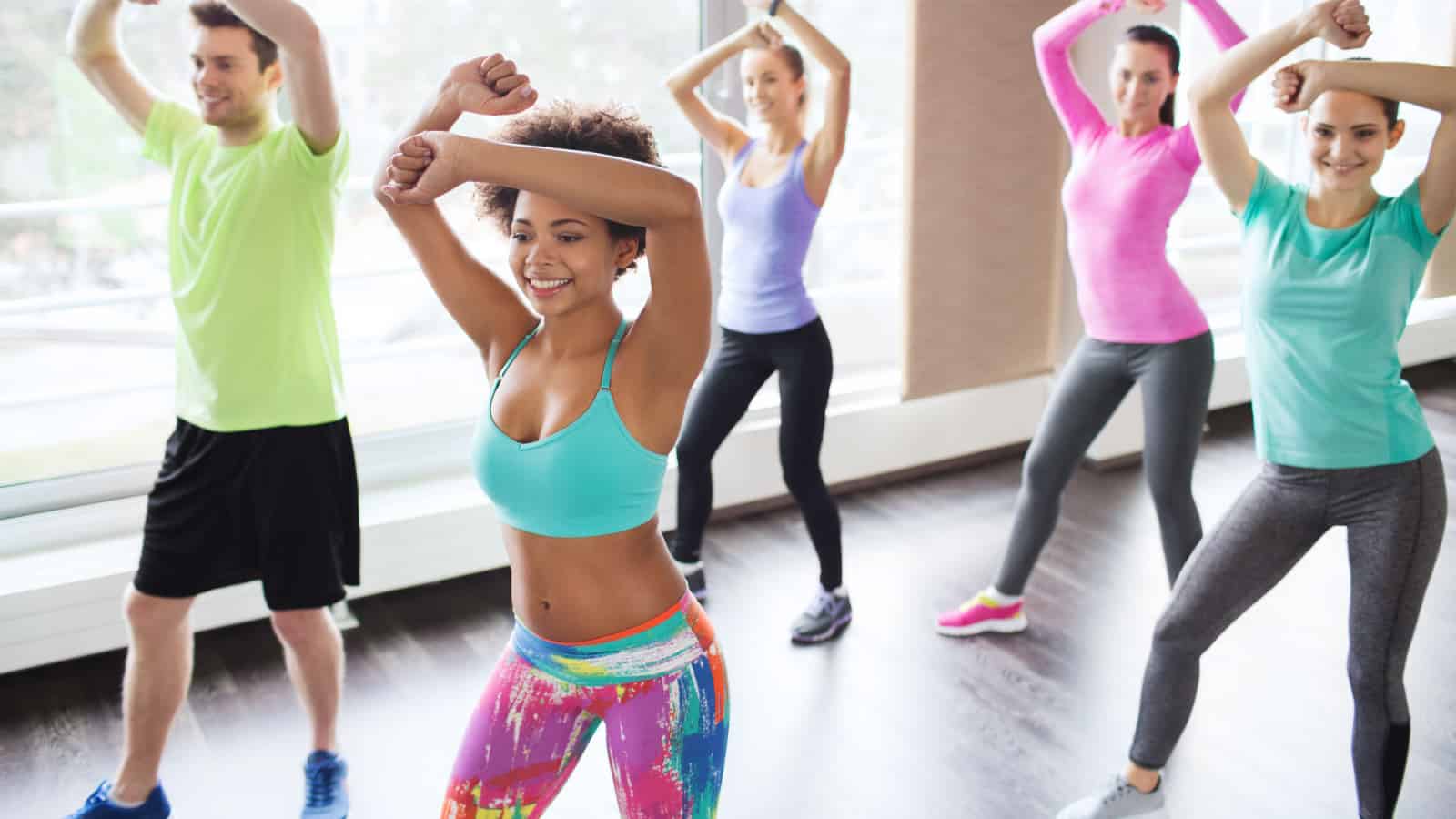
And it doesn’t necessarily require a gym. Walking outdoors, dancing in your kitchen, gardening or taking a class with friends all count as ways to get your body moving.
Related to Read: 13 Ways Women Can Prioritize Their Mental Health
Exercise can help preserve mobility
Living a long life sounds wonderful until you consider an important question: How much of that life will you be able to enjoy independently?
Regular movement helps maintain the strength, endurance, flexibility and coordination required for everyday life. That can mean continuing to travel, garden, play with grandchildren, walk through a museum or simply get around your own home without help.
The real goal of fitness isn’t necessarily running farther or lifting heavier. For many women, it’s making sure the body remains capable of supporting the life they want to live.
It can improve metabolic health
Physical activity helps muscles use glucose and can improve insulin sensitivity, making exercise an important part of reducing the risk of type 2 diabetes and managing blood sugar.
Exercise can also help with weight management, although the benefits extend far beyond what happens on the scale.
That’s worth emphasizing because women are often sold exercise primarily as a way to become smaller. A workout can be improving your health even when your weight doesn’t change at all.
Exercise can make everyday life physically easier
Fitness has a practical payoff that rarely makes it into before-and-after photographs.
A stronger body makes it easier to carry bags, move furniture, shovel snow, climb stairs, haul a suitcase through an airport or get up after kneeling on the floor.
Cardiovascular fitness matters for the same reason. When your heart, lungs and muscles are accustomed to working, everyday physical demands require less effort.
The best evidence that your workout is working may not be visible in the mirror. It may be realizing that something that used to exhaust you suddenly doesn’t.
You don’t have to become an athlete
One of the most encouraging messages from the research is that women don’t need to become marathon runners or spend every morning in a gym to benefit.
The Physical Activity Guidelines for Americans recommend that adults work toward 150 to 300 minutes of moderate-intensity aerobic activity per week, or 75 to 150 minutes of vigorous activity, along with muscle-strengthening activity on two days.
But doing less than the recommended amount doesn’t mean you’re getting nothing.
If you’re currently inactive, starting with 10 or 20 minutes and gradually doing more can be far more realistic than setting an ambitious fitness goal that lasts two weeks.
Consistency matters more than the perfect workout
People can spend an astonishing amount of time debating which exercise is best. Walking or running? Pilates or weights? HIIT or steady cardio?
For most people, the more important question is simpler: What kind of movement will you actually continue doing?
A theoretically perfect workout isn’t very useful if you hate it enough to quit. Walking counts. Dancing counts. Gardening can involve substantial movement. Swimming, hiking, cycling, strength training and exercise classes all have advantages.
Finding something you genuinely don’t mind doing makes it much easier to keep moving month after month and year after year.
Exercise may help you stay younger where it actually counts

There’s a difference between looking young and remaining functionally young.
Healthy aging isn’t about eliminating wrinkles or trying to have the body you had at 25. It’s about maintaining enough strength, cardiovascular capacity, balance, mobility and energy to continue participating in your own life.
Exercise cannot stop aging. But it can influence how you age.
Related to Read: Could these 12 habits be the reason some people look younger than their age?
The takeaway
The most interesting message from this research isn’t that women can exercise half as much as men and call it a day. Researchers aren’t proposing a separate, easier set of exercise recommendations for women.
It’s that women may have more to gain from getting moving than they realize.
In the study of more than 400,000 adults, women consistently experienced greater reductions in all-cause and cardiovascular mortality associated with regular physical activity than men. Women also appeared to achieve comparable survival benefits with fewer minutes of exercise.
That is especially encouraging for anyone who has been avoiding exercise because she doesn’t have an hour a day to devote to it.
You don’t need to become a different person, join an expensive gym or suddenly love burpees. Start walking. Pick up some weights. Take the stairs. Swim. Dance. Garden. Find movement you enjoy enough to keep doing.
Because the best exercise for your future health may not be the hardest workout you can survive. It’s the movement you can keep coming back to for years.
This article is for informational purposes only and is not a substitute for individualized medical advice. Anyone with health conditions or concerns about beginning a new exercise program should consult an appropriate healthcare professional.