AI Wants to Manage Your Life. Should You Hand Over the Keys or Hit the Brakes?
Once upon a time, artificial intelligence (AI) seemed like the stuff of sci-fi movies and Silicon Valley labs. Today, it’s quietly sitting in your pocket, helping you find the best flight deal, generate recipes based on what’s left in your fridge, or even write the text you don’t want to send your ex. From the mundane to the emotionally complex, AI is stepping in—and sometimes taking over—tasks we once handled ourselves. But just because it can do it all, doesn’t mean it should. Let’s unpack the rise of AI in everyday life, where it’s helping, where it’s crossing boundaries, and how to know where to draw the line.
Your Life, Automated
If you’ve used your phone to make a grocery list, suggested by what you ordered last week, you’ve already let AI into your life. Planning a trip? AI-powered tools like Google Maps suggest when to leave based on traffic patterns. Netflix knows what you want to watch before you do. AI algorithms anticipate your next purchase, your next binge, even your next move.
Time Saved

This convenience is no accident. These systems are fueled by patterns—your data, preferences, habits—and optimized to reduce friction in your day-to-day life. The upside? Saved time, better decisions, and fewer forgotten items at the store. The downside? A creeping dependency on technology that thinks for us, even when it shouldn’t.
The Emotional Frontier: Breakups, Therapy, and Grief

Here’s where things get a little more personal. A growing number of people are using AI to write breakup texts, express condolences, or craft apology messages. For instance, a viral TikTok trend earlier this year showed people inputting messy relationship scenarios into ChatGPT to get “the perfect breakup message.” Others turn to AI chatbots designed to emulate a deceased loved one for comfort.
Is this progress or a symptom of emotional outsourcing?
Helpful—To A Degree

Psychologists warn that while AI might generate convincing words, it doesn’t understand human emotion the way we do. It can’t feel heartbreak or empathy. “Using AI to manage emotional conversations may hinder your ability to develop crucial interpersonal skills,” says Dr. Lindsey Gomez, a licensed therapist specializing in digital wellness. “Avoiding hard conversations by letting a bot do it for you can become a crutch.”
AI as Therapist or Coach?

There’s a boom in mental health apps that use AI to offer therapy-like services. Woebot Health, for example, is a chatbot trained in cognitive behavioral therapy techniques. It offers 24/7 support and may be helpful in supplementing professional help, especially for those without access to traditional therapy. But these apps come with limits. They’re not substitutes for licensed professionals and may fail to recognize serious mental health crises.
Moreover, relying on AI to validate emotions can feel hollow. At best, it’s a Band-Aid. At worst, it gives a false sense of security, making users believe they’re being truly “seen” or understood—when in fact, it’s just a pattern of learned responses.
Creative and Professional Uses: Helpful or Harmful?

For writers, students, marketers, and coders, AI tools like ChatGPT, Grammarly, Jasper, and GitHub Copilot offer time-saving solutions—from generating blog posts to debugging code. Even wedding vows and cover letters are being AI-assisted these days. Is this efficiency, or is it the slow erosion of individual voice and authenticity?
It’s A Fine Line

There’s a fine line between getting help and letting a machine speak for you. If you’re applying for a job and your cover letter was written entirely by AI, what happens when you land an interview and can’t articulate what you wrote?
Educators are also grappling with the shift. While AI can support learning, it can also be a shortcut that short-circuits actual comprehension. If students rely on AI to write essays, are they learning to think critically—or just how to prompt a chatbot effectively?
Can You Really Trust It?
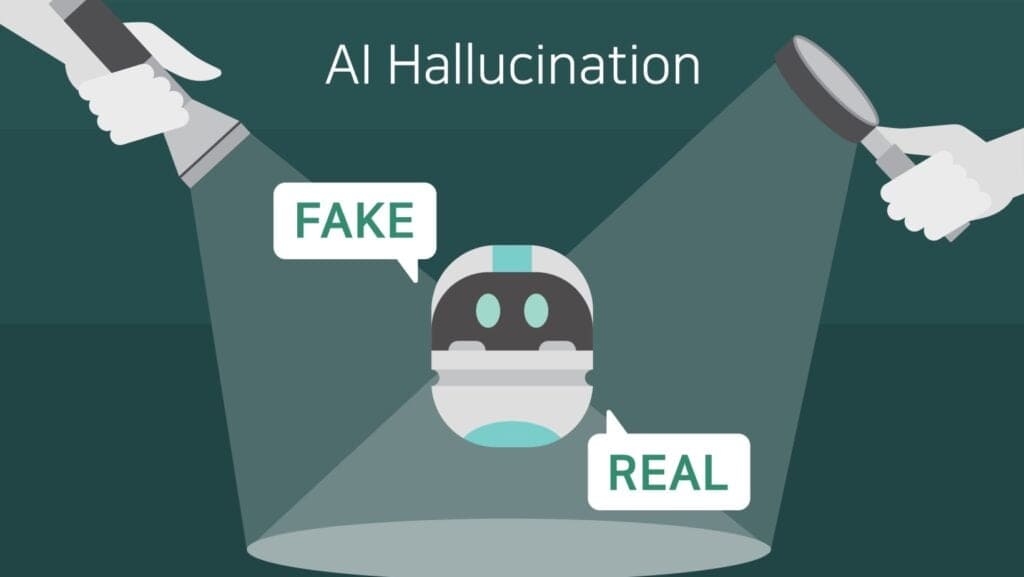
AI isn’t perfect. It can hallucinate facts, perpetuate biases, and deliver inaccurate or even harmful advice. Tools like ChatGPT pull from vast pools of online content, which means that sometimes it regurgitates stereotypes or misinformation. Some users are even lulled into thinking AI can offer legal or medical advice—despite clear disclaimers.
A well-known case involved a lawyer submitting a brief written by ChatGPT, only to discover that the AI had fabricated case citations. In health, a wrong suggestion could have far more dangerous consequences. AI can support human judgment, but it should not replace it.
Where to Draw the Line

So, should you use AI to do your grocery list? Absolutely—if it saves you time and reduces stress. Should you let it decide what to say to your partner when you’re breaking up? Maybe not. The key lies in knowing when to lean on technology and when to lean into being human.
Here are some simple guidelines:
- Use AI for structure, not soul. It’s fine to let it organize ideas or streamline your calendar—but emotional nuance and human values require your voice.
- Review before you rely. If you’re using AI for something important—emails, job applications, or medical queries—double-check the output.
- Don’t skip growth. Letting AI write everything robs you of chances to improve your communication, creativity, and problem-solving skills.
- Ask yourself: Would I stand behind this? If an AI writes it, would you be comfortable saying it aloud? If not, revise until it feels like you.
The Human Element Still Matters

What makes us human isn’t just our ability to reason—it’s our capacity for empathy, emotional complexity, and connection. AI may be able to mimic our words, but not our wisdom. It can generate thousands of condolence notes, but it can’t hold your hand through grief. It can offer a perfectly phrased breakup message, but it can’t process the consequences of ending a relationship.
We don’t need to fear AI—but we do need to stay mindful. Let it help you build a to-do list, not a life script. Let it suggest a recipe, not define your palate. Let it give you ideas—but make sure they’re still your ideas in the end.
Final Thought

AI is a remarkable tool, but it’s just that—a tool. The responsibility still rests with us to use it wisely, ethically, and humanely. From grocery lists to breakups, AI might do it all, but only you can decide when it’s worth letting go—and when it’s worth showing up in person, imperfect but real.
More AI Articles:
- AI Chatbots Can Trigger Psychosis: 12 Alarming Signs Mental Health Experts Are Watching
- AI Tools In Education: A Threat To Integrity Or A New Learning Ally?
- AI Girlfriends: A Step Toward Equality or a Dangerous Setback for Women?
- AI Jesus Might ‘Listen’ to Your Confession, But It Can’t Absolve Your Sins − a Scholar of Catholicism Explains
Join Us
Join us on this empowering journey as we explore, celebrate, and elevate “her story.” The Queen Zone is not just a platform; it’s a community where women from all walks of life can come together, share their experiences, and inspire one another. Welcome to a space where the female experience takes center stage. Sign up for our newsletter so you don’t miss a thing, Queen!