Coffee prices have been very volatile, and cafes are quietly reducing cup sizes to hide the hike
The shrinking coffee cup reveals how everyday rituals absorb global economic volatility without obvious warning.
If you grab a latte on your way to work, you might have noticed a subtle change in your daily routine. The price you pay at the register feels the same, but the cup in your hand feels strangely lighter. This sneaky practice is sweeping through cafes across the nation as shop owners scramble to stay afloat.
Cafes are quietly trimming their cup sizes to avoid scaring off loyal customers with sudden price hikes. The reality is that global markets for beans are experiencing wild swings that make it hard for small businesses to plan. This article dives into ten essential talking points about why your caffeine fix is shrinking and what is driving these crazy market fluctuations.
The Hidden Cost Of Your Morning Brew
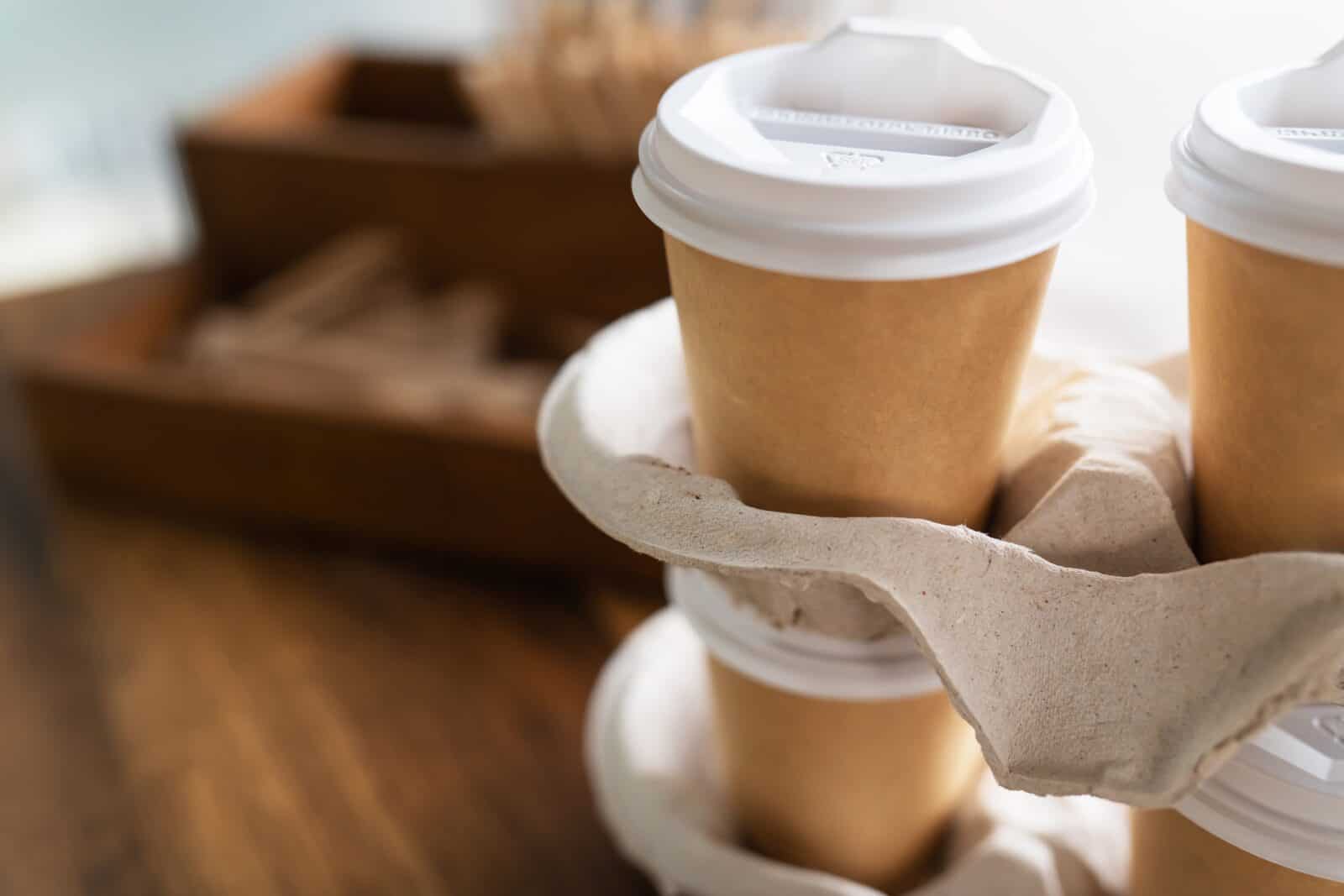
The sticker shock at your local cafe tells only half the story of what is actually happening behind the counter. Many shops are terrified of losing their regular visitors, so they keep their menu prices relatively flat. Instead of charging more, they simply serve you less liquid gold in a slightly smaller paper cup.
This clever tactic keeps the cash register ringing while masking the underlying financial strain on the business. You might think you are getting a great deal, but you are actually paying more per sip. It is a classic retail trick that has finally made its way into the neighborhood coffee shop.
Weather Extremes Ravage Top Growing Regions

Climate change is wreaking havoc on the countries that produce the vast majority of our favorite beans. To put this in perspective, the ICO Composite Indicator Price hit an all-time monthly high of $3.54 per pound in February 2025. That staggering figure reflects the severe droughts and heavy rains disrupting harvests in places like Brazil and Vietnam.
Farmers are struggling to maintain their crop yields as the weather patterns become increasingly unpredictable. These agricultural struggles send shockwaves straight to the wholesale markets where buyers bid for limited supplies. Consequently, your local barista has to pay a hefty premium just to keep the hoppers full.
How Shrinkflation Sneaks Into Your Kitchen

This downsizing trend is happening in grocery store aisles just as aggressively as it is in local coffee houses. For example, traditional 48-ounce cans of coffee have been quietly downsized to 40.3 ounces to hide recent price hikes. Shoppers grab their usual brand without realizing the container is significantly lighter than it used to be.
Companies rely on the fact that most buyers do not scrutinize the net weight printed on the label. They maintain the physical dimensions of the packaging while simply putting less product inside. This strategy allows big brands to protect their profit margins without facing an immediate public backlash.
Supply Chain Snags Continue To Squeeze Markets

Shipping delays and increased transportation costs are adding another layer of financial pressure to the industry. Despite these hurdles, global coffee production is expected to hit a record 178.848 million bags in the 2025 to 2026 season. Even with that impressive harvest, the logistical nightmare of moving beans across oceans keeps costs artificially high.
Fuel prices and labor shortages at major ports cause massive bottlenecks that delay crucial deliveries. Roasters often have to pay expedited shipping fees just to avoid running out of stock. Those extra transportation fees inevitably trickle down to the final price of your morning Americano.
Consumer Awareness Grows Around Smaller Portions

People are starting to catch on to the subtle changes happening to their favorite food and drink products. A 2025 YouGov poll revealed that 31 percent of consumers have noticed shrinkflation in beverages like coffee. Social media is buzzing with videos of customers comparing old cup sizes to the new diminished versions.
This growing awareness puts immense pressure on cafes to be transparent about their pricing and portion sizes. No one likes feeling tricked, and loyal patrons will quickly turn their backs on a dishonest business. Shop owners must tread carefully if they want to retain the trust of their local community.
Roasters Grapple With Unpredictable Future Costs
The folks who roast the beans are caught in a constant guessing game about where the market will go next. Experts at the World Bank project Arabica prices declining 13 percent in 2026 after a massive 50 percent surge in 2025. This wild roller coaster makes it nearly impossible for small roasting operations to set annual budgets.
Many roasters are forced to lock into long contracts at high prices just to guarantee their supply. If the market suddenly crashes, they are stuck overpaying for beans while their competitors slash prices. It is a high-stakes gamble that frequently results in bankruptcies for smaller independent coffee brands.
Finding Balance Between Quality And Affordability
Cafe owners face a brutal dilemma between serving top-tier beverages and keeping their menu accessible. They know that switching to cheaper beans will immediately alienate the coffee snobs who keep their lights on. So they chose to reduce the volume of the drink instead of compromising on the flavor profile.
This delicate balancing act requires constant tweaking of recipes and milk ratios to maintain a perfect taste. A slightly smaller latte still tastes incredible if the barista uses high-quality ingredients and proper technique. Customers often forgive a smaller portion if the beverage itself remains an exceptional culinary experience.
The Rise Of Cheaper Bean Alternatives
As premium Arabica beans become prohibitively expensive, the industry is turning to alternative bean varieties to fill the gap. This affordable alternative is an incredibly attractive option for budget-conscious buyers.
Historically viewed as a lower-quality alternative, these cheaper beans are now finding their way into upscale espresso blends. Skilled roasters are discovering innovative ways to mask their bitter notes and highlight deep chocolate flavors. This shift allows cafes to lower their overhead without significantly altering the taste of their signature drinks.
Cafes Adopt Stealthy Tactics To Survive

Beyond just shrinking cups, shop managers are finding other creative ways to pinch pennies behind the scenes. They are reducing the number of syrup pumps per drink and filling cups with extra ice to displace liquid. These tiny adjustments save fractions of a cent per order, which adds up to massive savings over a fiscal year.
Some places are even charging extra for alternative milks that used to be included as a complimentary upgrade. These hidden fees are a direct response to the crippling overhead costs plaguing the hospitality sector. While frustrating for the customer, these micro changes are often the only thing keeping the business open.
What The Future Holds For Your Daily Caffeine

The days of cheap oversized coffees are likely gone forever as the industry adapts to a harsh new reality. Climate change and shifting global economies guarantee that pricing instability will be the new normal. Coffee drinkers need to prepare their wallets for a permanently elevated cost of living.
However, this crisis is also sparking incredible innovation in agricultural practices and brewing technologies. We might see completely new bean varieties engineered to withstand extreme heat and require less water. Until then, you should savor every single drop of that slightly smaller morning brew.
Like our content? Be sure to follow us