Consciousness explained: 12 new theories you haven’t heard
A study published in the journal Psychological Science found that our brains perceive objects in everyday life of which we may never be aware.
Humans react, navigate, and decide with this invisible stream operating behind the scenes, a fact neuroscientists have known for decades.
Some of the theories we’ll explore in this piece are decades old, some recent, but all reveal ways of understanding awareness that most of us have never encountered. From neural loops that echo perception to AI models simulating conscious agents, these twelve frameworks shed light on what it means to experience the world.
Global Workspace Theory

Studies show that roughly 50% of brief visual stimuli never reach conscious awareness, even when the eyes detect them.
Neuroscientist Stanislas Dehaene calls this phenomenon ignition, a sudden widespread activation in the fronto-parietal cortex that marks conscious access. Global Workspace Theory proposes that awareness arises when information is broadcast across multiple brain systems: perception, memory, and decision-making, enabling coordinated responses.
Stimuli that fail to ignite the workspace remain processed unconsciously, explaining why you might react to something without realizing it. EEG and fMRI studies confirm that conscious perception correlates with measurable patterns of cortical activity.
Bicameral Mentality
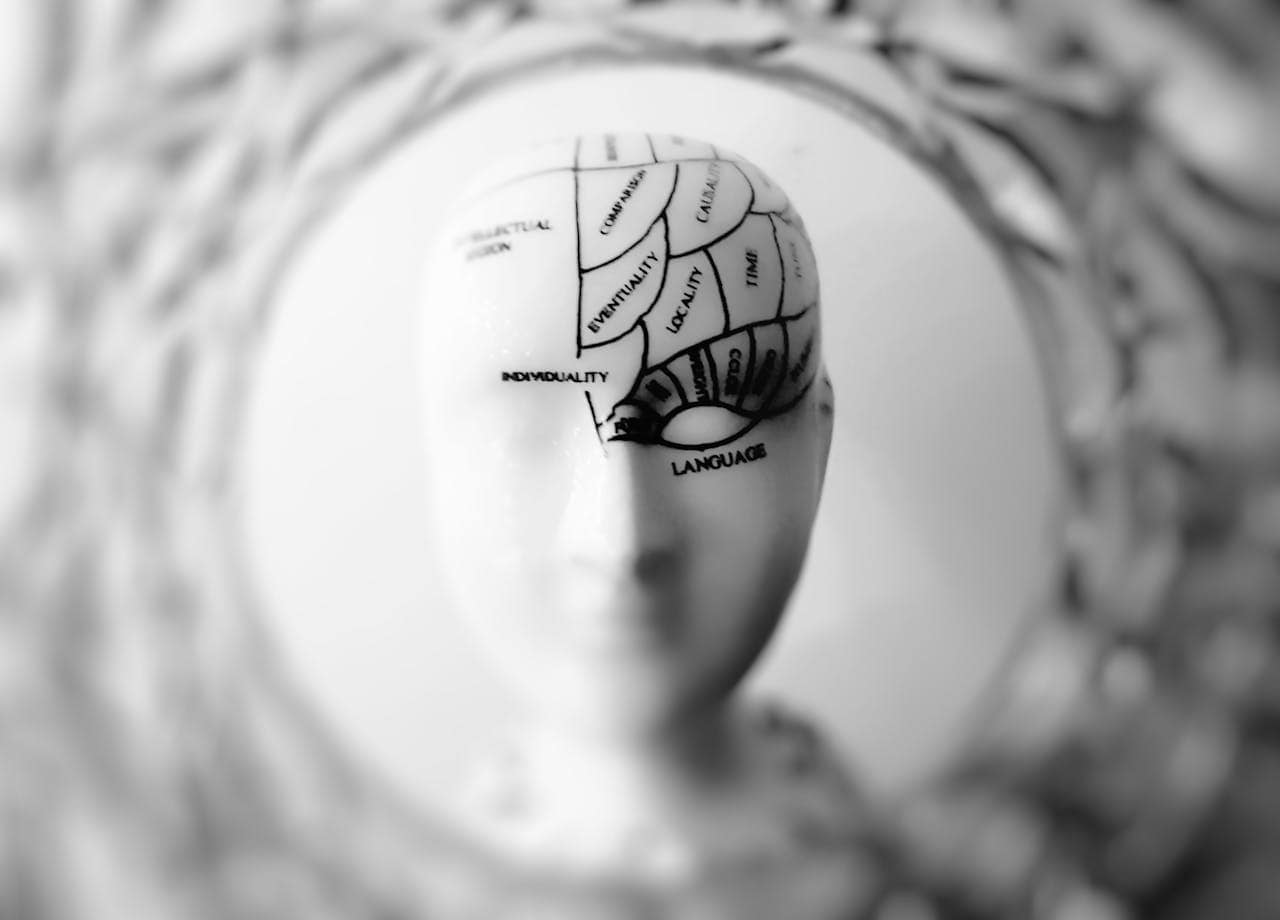
Ancient texts, such as Homer’s Iliad, describe warriors receiving direct instructions from gods.
Julian Jaynes hypothesized that these were not metaphorical but literal accounts of a bicameral mind, where decision-making occurred through auditory hallucinations rather than introspective thought.
Archaeological and linguistic evidence suggests that complex self-reflection emerged only around 3,000 years ago, coinciding with the development of written language.
Jaynes’ theory frames consciousness as both a neurological and cultural evolution: humans learned to internalize commands and create a reflective mind. While controversial, this perspective highlights that awareness is shaped by history and society, not only by neurons.
Cultural Construction of Consciousness

Research in developmental and cross-cultural psychology shows that the way people talk about thoughts and feelings influences how they perceive their own minds. For example, children acquiring inner speech gradually develop self-reflective consciousness, while linguistic communities with fewer terms for introspection may report different experiences of awareness.
Julian Jaynes’ theory aligns with this, suggesting that written language and cultural practices helped humans internalize thought rather than rely on the voices of gods.
Modern studies confirm that meditation, literacy, and narrative training can measurably alter neural networks associated with self-awareness. Consciousness, therefore, is not only a biological phenomenon but also a cultural technology shaped by language, social interaction, and education.
Local Recurrence

When a visual stimulus hits the retina, signals bounce within local cortical circuits multiple times before reaching conscious awareness. This repetition, called local recurrence, can last just tens of milliseconds, but it is crucial: experiments using backward masking show that stimuli disrupted before these loops fail to be consciously perceived.
Neuroscientist Victor Lamme proposes that consciousness emerges from these reverberating signals, rather than requiring global cortical broadcasting. In practice, this explains why you might sense movement or color without immediately recognizing it. Local recurrence demonstrates that awareness can originate in high-speed neural echo chambers, highlighting a subtle, rapid, and localized mechanism of perception.
Attention Schema Theory

Some stroke patients fail to notice objects on one side of their visual field, despite intact eyes, a condition called hemispatial neglect.
Attention Schema Theory, proposed by Michael Graziano, explains this as the brain’s internal model of its own attention. The theory suggests consciousness arises when the brain represents where attention is directed, allowing flexible behavior and self-monitoring.
fMRI studies show that parietal and frontal networks track attentional focus, and damage to these networks impairs awareness. Consciousness, under AST, is functional: it’s the brain’s way of keeping tabs on itself, turning perception into actionable insight.
Conscious Agent Networks

Donald Hoffman proposes that perception is not a window onto reality but a user interface shaped by evolution. In simulations, conscious agents interact using simplified rules, and these interactions generate complex behaviors without any direct representation of objective reality.
Experimental AI models show that agents operating on fitness-optimized interfaces thrive even when their sensory inputs do not reflect true environmental states. Hoffman’s theory reframes awareness as relational and strategic: your perceptions are icons on a survival dashboard, optimized for adaptive behavior rather than truth.
While counterintuitive, this computational perspective emphasizes that consciousness emerges from interaction networks rather than just brain structures, providing a testable framework that bridges psychology, evolution, and computer science.
Integrated Information Theory
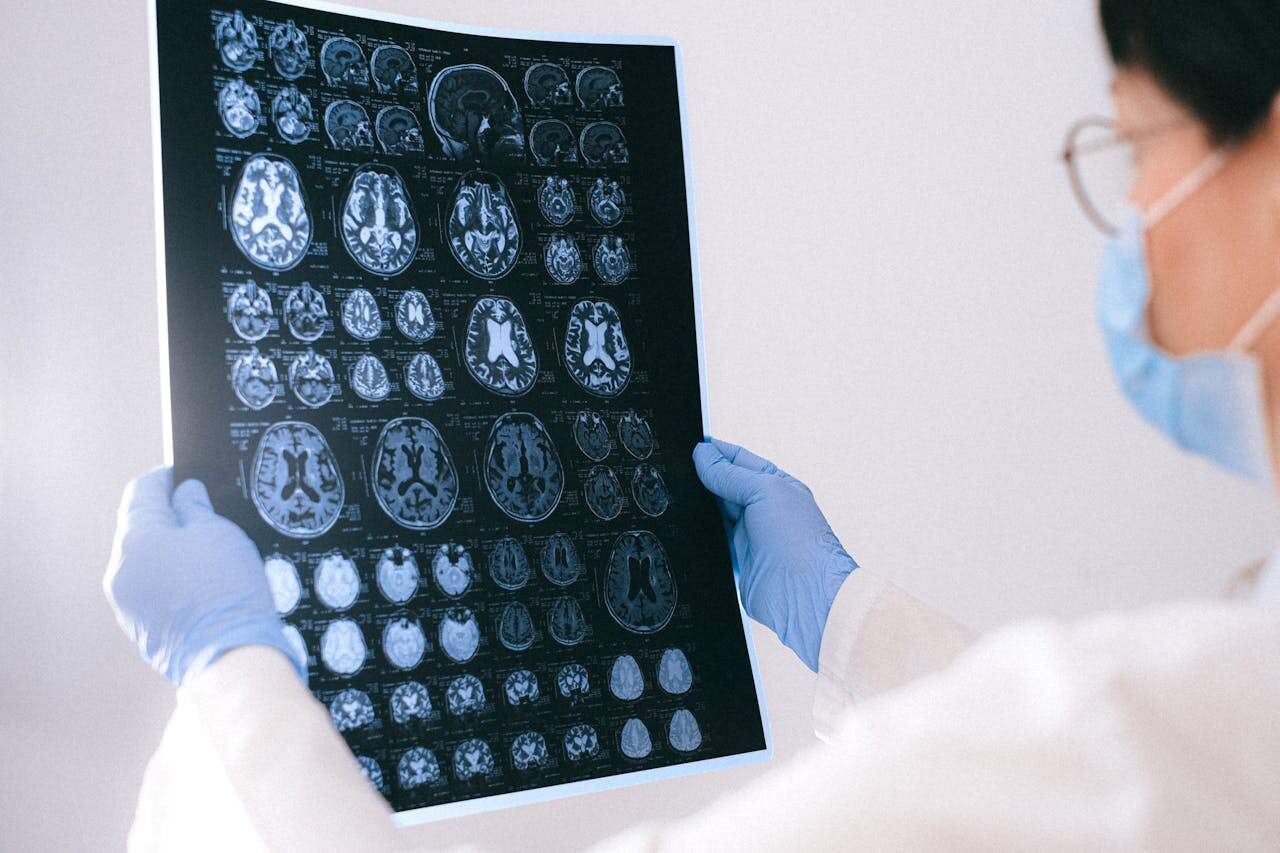
Experiments using the perturbational complexity index (PCI) show that patients in minimally conscious states often exhibit PCI values below 0.3, whereas fully awake individuals exhibit PCI values above 0.6.
Integrated Information Theory (IIT), developed by Giulio Tononi, proposes that consciousness corresponds to the amount of integrated information, measured as phi, in a system.
Even simple neural networks could, theoretically, support minimal awareness if the causal structure is complex enough.
IIT transforms consciousness from a subjective experience into a measurable property of brain organization, bridging the gap between phenomenology and empirical neuroscience.
Integrated Information Theory

Giulio Tononi, the founder of Integrated Information Theory (IIT), describes consciousness as a property of causal structure, not of matter itself. IIT proposes that the degree of awareness corresponds to the amount of integrated information, measured mathematically as phi.
Clinical applications support this: patients in vegetative states often have PCI (perturbational complexity index) values below 0.3, while healthy awake adults exceed 0.6, showing a measurable correlation between brain integration and conscious experience.
IIT also predicts that even artificial networks could, in theory, possess minimal consciousness if their internal connectivity produces sufficient integration. This approach reframes consciousness from a purely subjective experience into a quantifiable property, providing a bridge between neuroscience, computation, and philosophy.
Critical Brain Hypothesis

Your brain operates near a delicate balance: too much order, and it becomes rigid; too much chaos, and signals dissolve. Neuroscientists have found that neuronal networks at criticality, the boundary between order and disorder, maximize responsiveness and information processing.
Studies of brain activity in sleep, anesthesia, and coma show that consciousness diminishes when networks move away from this critical point. In these conditions, EEG readings reveal reduced neuronal avalanches, indicating less coordinated activity.
This suggests that awareness emerges not from a single region but from the dynamic interplay of neurons poised at the edge of chaos, explaining why minor disruptions can dramatically alter conscious experience.
Electromagnetic Field Theory
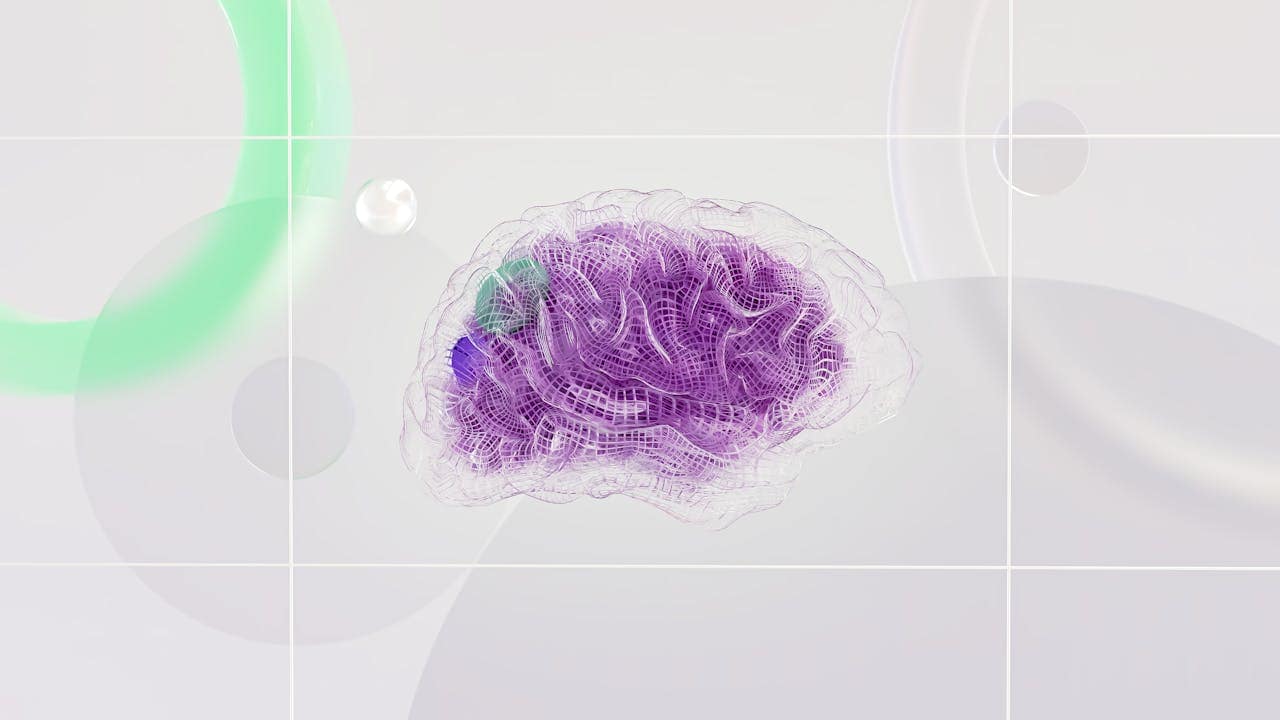
When neurons fire, they create not only electrical signals but also overlapping electromagnetic (EM) fields. Researchers have observed that altering these fields in experimental settings can shift perception, even when neural firing patterns remain unchanged.
This suggests that EM fields may play a causal role in consciousness. For example, studies using transcranial magnetic stimulation can transiently disrupt awareness in localized regions by manipulating the brain’s EM patterns, revealing the field’s influence on experience.
Unlike theories that focus solely on neuron spikes or network structure, EM field theories propose that consciousness arises from the collective resonance of brain waves, offering a measurable physical substrate for awareness.
Orch-OR

Roger Penrose and Stuart Hameroff propose that consciousness arises from orchestrated quantum events in microtubules within neurons.
Unlike classical neural models, this theory links awareness to subcellular physical processes. Evidence remains limited, but studies suggest that microtubules may support coherent oscillations that can influence neural activity.
Orch-OR suggests that each moment of consciousness corresponds to an objective reduction of quantum states, producing discrete experiential events. While highly debated, this framework challenges the assumption that classical computation alone generates awareness, offering a bridge between neuroscience and fundamental physics.
If correct, consciousness would be a phenomenon embedded in the very fabric of the brain’s quantum machinery, not just its electrical activity.
Panprotopsychism
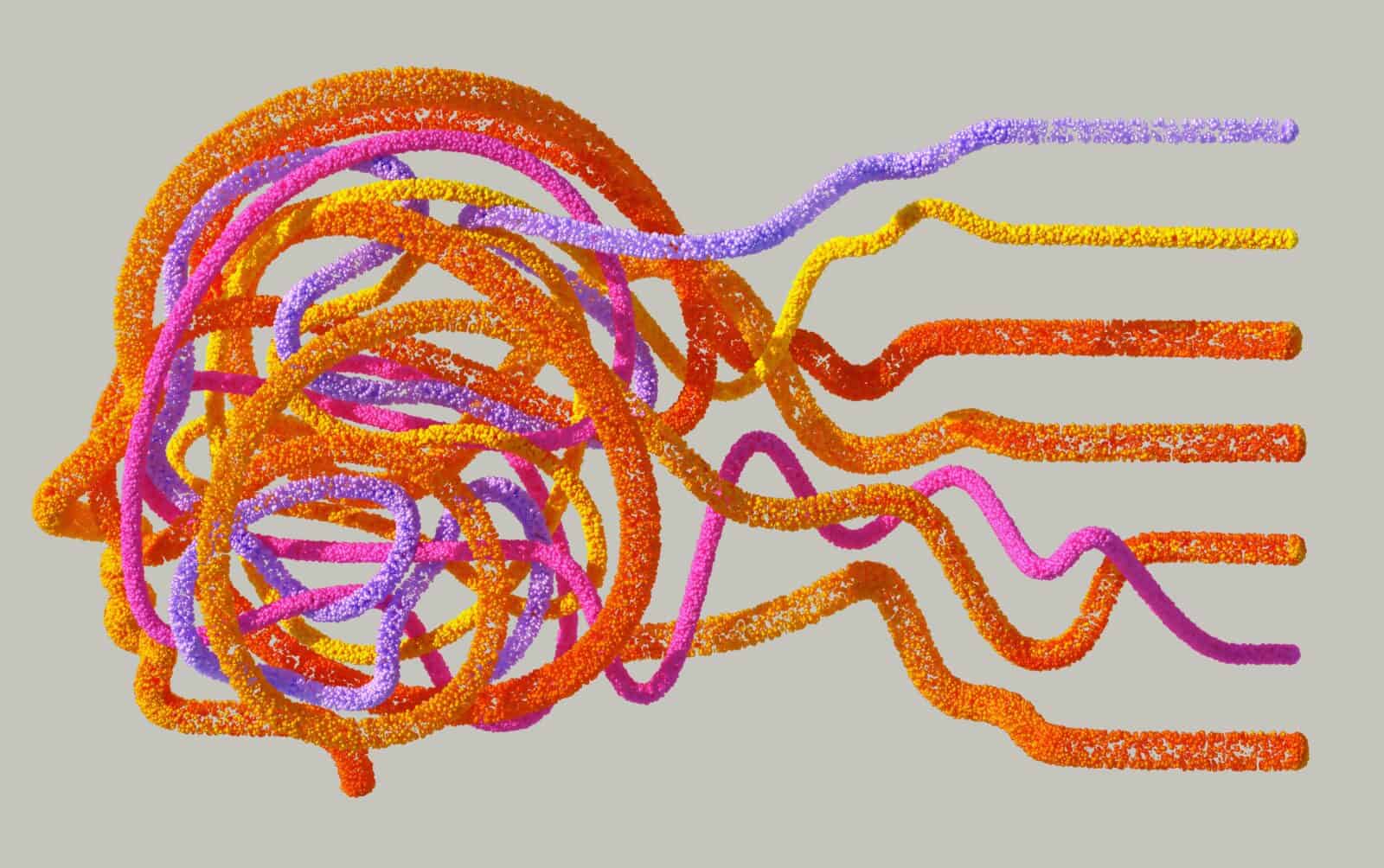
Some contemporary theorists suggest that consciousness may be a fundamental property of structured systems, not just brains. Modern panprotopsychism proposes that complex organization, rather than material substance, can support rudimentary awareness.
Neural networks, and even sufficiently organized artificial systems, could, in theory, exhibit proto-conscious experience if their causal structures are sufficiently complex. This approach reframes consciousness as an emergent property of interactions within a system, measurable and testable in principle, rather than an epiphenomenon of biology alone.
Philosophically, it challenges the traditional duality of mind and matter, inviting reflection on whether awareness is woven into the very architecture of the universe, rather than being confined to humans.
Key Takeaways

- Consciousness is multi-dimensional: Awareness cannot be fully explained by a single model; neuroscience, psychology, quantum physics, computation, and cultural evolution all offer valuable insights.
- Awareness is measurable and observable: Experiments with EEG, fMRI, TMS, PCI, and AI simulations show that consciousness can be linked to quantifiable neural patterns or functional models.
- Function and perception are intertwined: The brain’s attentional systems, feedback loops, and evolved interfaces highlight that experience is often about adaptive processing rather than the direct representation of reality.
- Consciousness spans biology, culture, and computation: From bicameral minds and language shaping self-reflection to quantum microtubules and AI simulations, these theories illustrate that awareness emerges from interactions across multiple levels, not a single brain mechanism.
Like our content? Be sure to follow us