Do You Still Need a Phone Case? 12 Reasons Some Say It’s Becoming Less Necessary
Unboxing a new phone has become a predictable ritual: peel off the protective film, admire the design for a moment, then cover it with a case before it ever leaves the house. That instinct made sense when smartphones were fragile by default. But the devices themselves have changed faster than the habits around them.
Today, most phone damage doesn’t come from gradual wear; it comes from a single drop, with studies showing that roughly two-thirds of breakages occur in a single high-impact moment. At the same time, modern phones are built with reinforced glass, water resistance, and structural designs that are meant to withstand everyday handling without help.
So the question isn’t simply whether phones still break. It’s whether covering them by default is still the smartest response or just a habit from a more fragile era.
Glass Has Actually Improved- A Lot

The evolution of smartphone surfaces has moved away from the brittle sheets of a decade ago.
Manufacturers now use chemically strengthened aluminosilicate glass, such as Corning’s Gorilla Glass Victus 2, which is engineered to withstand drops from surfaces as unforgiving as concrete from heights of up to 2 meters.
The glass was re-engineered specifically for phones that are now 15% heavier and 10% larger than they were 4 years ago.
While a stray pebble can still cause a disaster, the frequency of a dead-on-arrival screen after a pocket slip has plummeted. Many users find that the necessity of a case to prevent catastrophic shattering is largely mitigated by these engineering feats, making the device’s naked form more resilient than most people assume.
Scratch Resistance Is Now Good Enough for Many

We often mistake micro-scratches for structural failure, but current hardware is winning the war against pocket debris. The Mohs scale of mineral hardness remains the gold standard for testing, and most flagship phones today don’t show visible marking until a level 6 or 7 pick is applied.
Since common items like brass keys (hardness of 3) and coins cannot physically scratch this glass, the frantic need for a protective lip or screen protector is fading. While sand and quartz remain the primary enemies, Apple’s Ceramic Shield has significantly narrowed the gap between glass and sapphire.
For the average person who keeps their phone in a dedicated pocket, the screen remains pristine for the duration of a standard contract. The protection has shifted from a mandatory requirement to a niche choice for those who frequently find themselves at the beach or in dusty construction environments.
Most Damage Comes From Drops and Not Daily Use

There is a logical gap between how we perceive wear and tear and how phones actually break. Statistically, the SquareTrade Labs DropTest series consistently shows that 66% of phone damage results from a single, high-impact event rather than the slow accumulation of scratches.
Think of it like wearing a helmet to walk to the mailbox; it’s technically safer, but the actual risk of a traumatic head injury on that path is near zero. Clumsiness is a personality trait rather than a universal constant.
If your history shows you haven’t cracked a screen in five years, the case is essentially a heavy, $50 insurance policy for a risk you’ve already managed through habit. Modern ergonomics, which focus on center-of-gravity balance, are designed to keep the phone in your hand during routine use without external help.
Water and Dust Resistance Reduced Another Risk Category

A major reason for bulky, sealed cases in the past was the toilet dunk, or the sudden rainstorm.
However, the industry has standardized on IP68 ratings, which certify that a device can survive immersion in 1.5 meters of water for up to 30 minutes. The IEC 60529 standard for IP68 specifically tests for immersion in up to 1.5 meters of water for 30 minutes. Since the average toilet is 0.4 meters deep and the average sink is 0.2 meters, the hardware-level protection effectively covers almost every real-world scenario a non-diver will encounter.
We have reached a point where the hardware is its own raincoat. Because the internal components are now protected by gaskets and hydrophobic coatings at the port level, the thick rubber gaskets in a case no longer serve a unique purpose.
You can literally wash your phone under a tap if it gets dirty. This technological leap has removed an entire category of environmental anxiety, making the additional layer of plastic feel like an artifact of a more fragile era.
Cases Don’t Solve the Core Weakness

It is important to be realistic: even the thickest case is a dampener, not a magic shield. Physics dictates that the energy of a fall has to go somewhere.
A study by the tech firm Allstate Protection Plans found that even with military-grade cases, certain side-impact drops still result in internal OLED failure or spiderwebbing because the glass remains the most rigid part of the structure.
The case might look fine, but the screen can still die from the shockwaves traveling through the frame. This creates a false sense of security. If a drop is severe enough to break a modern, toughened phone, there is a high probability that it would have bypassed the case’s protection anyway.
The nuance here is that we are often protecting the resale value of the frame while the most expensive component, the display, remains vulnerable to the laws of inertia, regardless of the silicone wrap.
Design Trade-Off: Phones Are Built to Be Used Naked

Industrial designers at firms like Apple and Samsung spend years perfecting a device’s hand feel. When Jony Ive spoke about the tactile nature of glass and aluminum, he wasn’t referring to a $10 plastic shell from a mall kiosk.
By adding a case, you are effectively muting the premium experience you paid for. Titanium frames and frosted glass backs are chosen specifically because they offer a sophisticated friction that plastic cannot replicate. Furthermore, modern gesture navigation requires your thumb to swipe from the very edge of the screen; in many cases, it makes these daily interactions clunky and less responsive.
You are essentially buying a Ferrari and then wrapping the steering wheel in duct tape for protection. The ergonomics of a modern 6.7-inch phone are already at the limit of human hand spans; adding even 2mm of case thickness can be the difference between a comfortable grip and repetitive strain.
Bulk and Heat Are Real Downsides

One of the most overlooked stats in the case vs. no-case debate is thermal throttling. Research into lithium-ion battery longevity shows that heat is the primary killer of capacity. Modern processors, like the Snapdragon 8 series, generate significant heat during fast charging or high-end gaming.
Cases act as thermal insulators, trapping that heat against the glass back, which is supposed to act as a heat sink. Consistently operating a phone at temperatures just 10 degrees above the recommended limit can degrade battery health by 15% over a single year.
By removing the case, you allow the device to breathe, ensuring that the cooling system works as intended. Not only does the phone feel slimmer in your pocket, but you also extend its functional life by preventing it from baking in its own skin.
Insurance + Upgrade Cycles Change the Math

The financial logic for cases is crumbling under the weight of trade-in programs and protection plans like AppleCare+ or Samsung Care+. If you are paying $10 a month for insurance, a screen replacement might only cost you $29. When you compare this to a high-end $60 case, the break-even point is skewed.
Furthermore, the average upgrade cycle in the US is roughly 2.5 to 3 years. Most flagship phones now retain significant trade-in value even with minor cosmetic scuffs.
If the loss in trade-in value for a few scratches is only $50, but you spent $80 on two different cases over the phone’s life, you’ve actually lost money by trying to save it.
For the modern consumer, the math suggests that enjoying the device in its intended form is more cost-effective than obsessively guarding its pristine state for the next owner.
Aesthetic Value Is Part of the Purchase

The smartphone has become a status symbol and a piece of functional jewelry. In the luxury market, the colors Titanium Gray and Deep Purple are significant drivers of sales. Visual appeal ranks among the top three reasons for choosing a specific model. Hiding that aesthetic under a generic black shell is a psychological contradiction.
There is an emerging trend of stealth wealth in tech, where carrying a naked, high-end phone signals a level of financial comfort; it suggests you value the object’s experience more than its eventual resale.
While some argue that cases offer personalization, the reality is that most cases are mass-produced plastic that pales in comparison to the device’s precision-milled glass and metal. Why invest $1,200 in a piece of art only to view it through a foggy window?
Grip Has Improved (Sometimes)

The soapy phones of 2015 are largely gone. Manufacturers have moved toward flatter edges and matte textures that provide significantly more natural friction than the curved, polished surfaces of the past. The iPhone 15 and 16 series, for instance, moved to a contoured edge that nests into the palm.
These tactile anchors reduce the frequency of accidental ejections from the hand. Some silicone cases actually make the phone harder to pull out of a pocket, leading to more drops during retrieval.
A naked phone slides out smoothly and stops when it hits the friction of your skin. By relying on the engineered grip of the phone’s frame, you are using the device exactly as the biomechanical testing intended, often resulting in a more secure hold than a bulky, uneven case would provide.
Edge-to-Edge Cases Create New Risks

The case itself can cause damage. Hard-shell cases can trap tiny grains of sand or debris between the case and the phone. Over time, the vibration of daily use causes these grains to act like sandpaper, pitting the metal frame’s finish and even scratching the back glass, damage that wouldn’t occur if the phone were naked.
Furthermore, certain rugged cases exert constant pressure on the screen’s edges to stay attached. This localized pressure can occasionally lead to ghost touching or even hairline fractures if the phone is placed in a tight pocket.
By trying to seal the phone away from the world, you create a microenvironment where dirt is trapped and pressure is magnified. A naked phone is easily wiped clean, preventing the slow-motion abrasion that occurs inside a protective shell.
Behavioral Adaptation Is Underrated
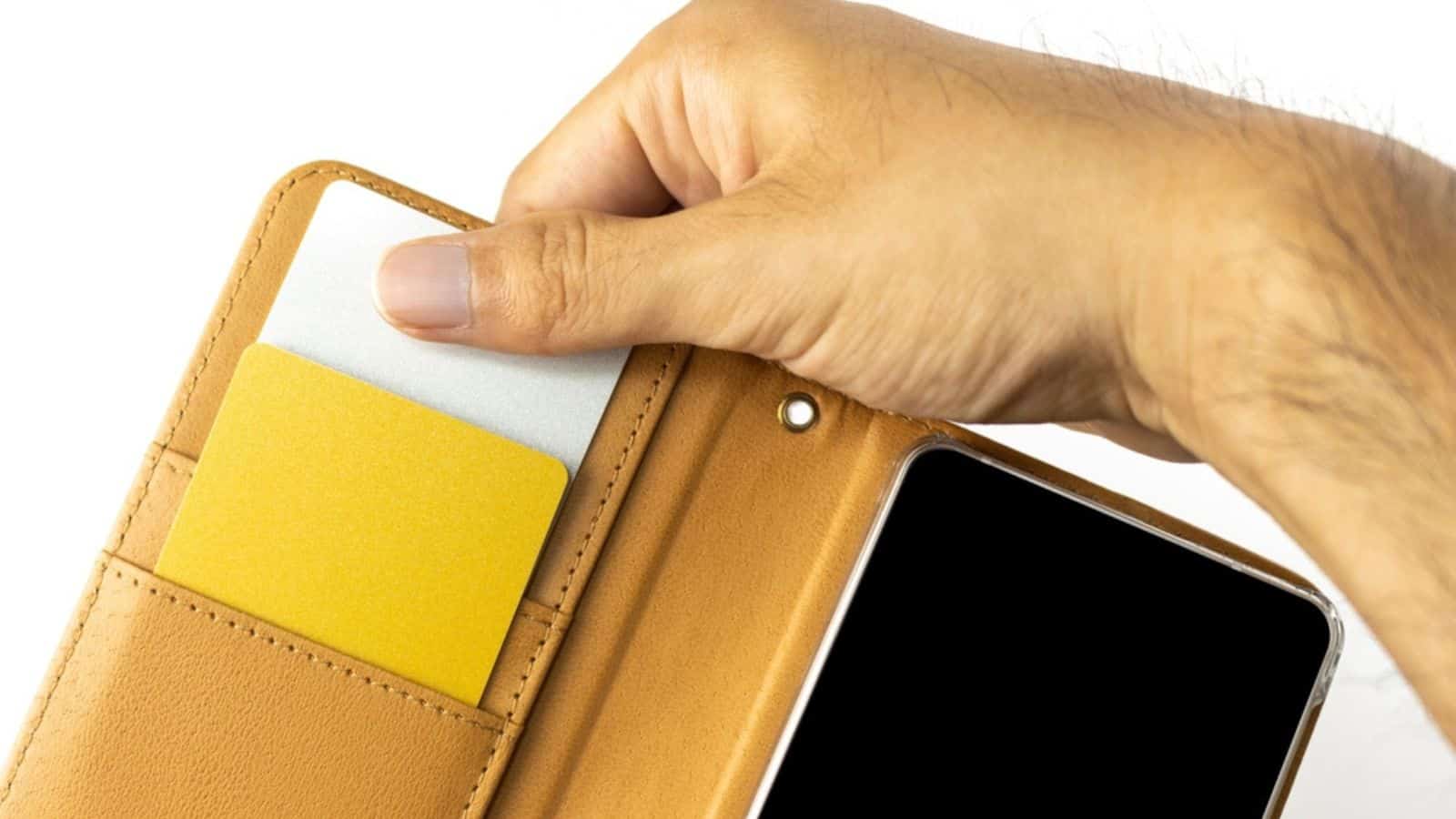
Risk compensation is a well-documented psychological phenomenon. When people feel protected by a heavy-duty case, they tend to treat their device with less care, tossing it onto tables or handling it with one hand in precarious situations.
Conversely, naked phone users exhibit a heightened state of situational awareness. Once the safety net is removed, users become more careful by instinct. This behavioral shift is often more effective than any layer of plastic.
Much like drivers are statistically safer when they aren’t wearing a seatbelt (a controversial but real study in risk homeostasis), phone users who feel the danger of glass are less likely to place the phone in a position where it could fall.
The best protection isn’t a case; it’s the 10% increase in mindfulness that comes from feeling the premium, fragile reality of the device in your hand.
Key takeaway
Smartphones are stronger than most people assume, but the consequences of a drop are still high, making phone cases a situational choice rather than a default necessity.
- Modern glass and water- and dust resistance reduce everyday risks.
- Most damage comes from rare, high-impact events.
- Cases protect some aspects but don’t eliminate the most expensive failures.
- Upgrades, insurance, and careful handling change the cost-benefit calculus.
- Choosing caseless is now a conscious trade-off between aesthetics, ergonomics, and the risk of damage.
Like our content? Be sure to follow us