
Eat Your Way to Stronger Hair: Expert Tips for Seasonal Shedding
Finding more hair than usual in your shower drain or hairbrush can be alarming—especially when it seems to happen out of nowhere. But before you blame your shampoo, the weather or your latest hair treatment, it may be worth looking at what’s happening inside your body.
Hair follicles are surprisingly sensitive to changes in nutrition, stress, illness, hormones and everyday routines. When the body isn’t getting what it needs—or has been under unusual physical or emotional stress—more hairs can shift from the growing phase into the resting and shedding phase.
And there’s a frustrating catch: the shedding you see today may reflect something that happened weeks or even months ago. A stressful period, illness, weight loss or nutritional shortfall can show up on your head long after you’ve stopped thinking about it.
Seasonal changes may play a role too, but suddenly seeing more hair fall doesn’t necessarily mean there’s something wrong with your hair itself. Sometimes your hair is simply one of the first places your body reveals that something has changed.
Iron-Rich Foods Are the Foundation of Hair Growth
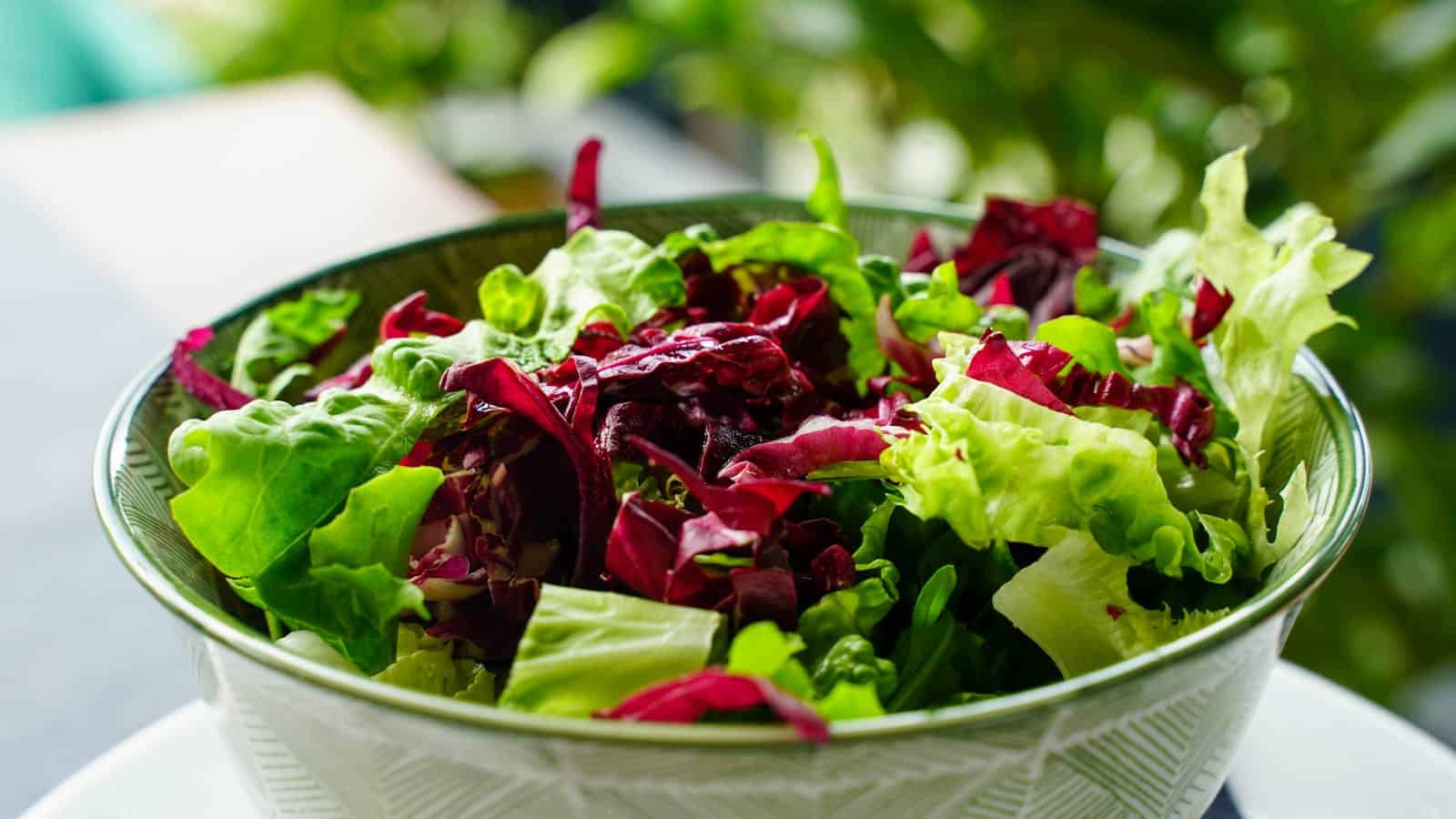
Iron deficiency is one of the most commonly cited drivers of seasonal hair shedding, especially among women. Nutrition experts note that low ferritin levels can reduce oxygen delivery to the scalp, weakening follicle activity over time. According to clinical insights from dermatology professionals, iron is essential for maintaining the hair growth cycle and preventing premature shedding, as discussed in resources such as Harvard Health on iron and nutrition.
This is why foods like spinach, lentils, and leafy greens are repeatedly recommended in hair-supportive diets. When iron intake is insufficient, the body prioritizes vital organs over hair follicles, which can lead to visible thinning. Over time, this imbalance becomes more noticeable during seasonal transitions when the body is already under mild physiological stress.
Protein Intake Directly Impacts Hair Strength
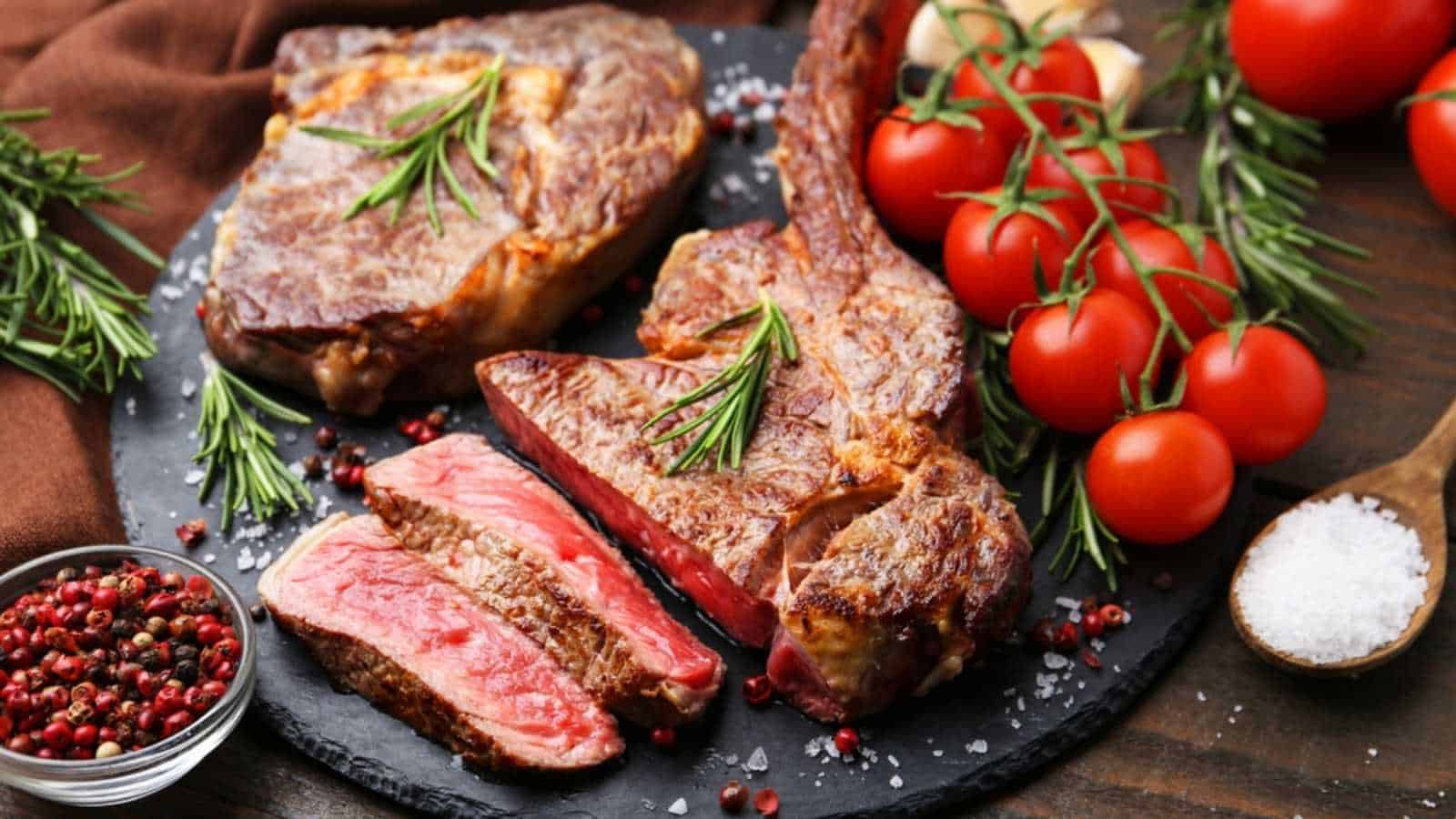
Hair is primarily made of keratin, a structural protein, which means protein intake plays a direct role in strand resilience and growth. Nutritionists consistently highlight that inconsistent protein consumption can trigger shedding cycles, especially when diets are restrictive or unbalanced. Wellness guidance from platforms such as Johns Hopkins Medicine reinforces the importance of steady protein intake for tissue repair and regeneration.
When the body lacks adequate protein, it redirects available resources to essential functions, thereby deprioritizing hair growth. This often results in weaker strands, slower regrowth, and increased shedding over time. Maintaining consistent protein intake throughout the day helps stabilize this cycle and supports stronger follicle activity.
Omega-3 Fatty Acids Help Calm Scalp Inflammation
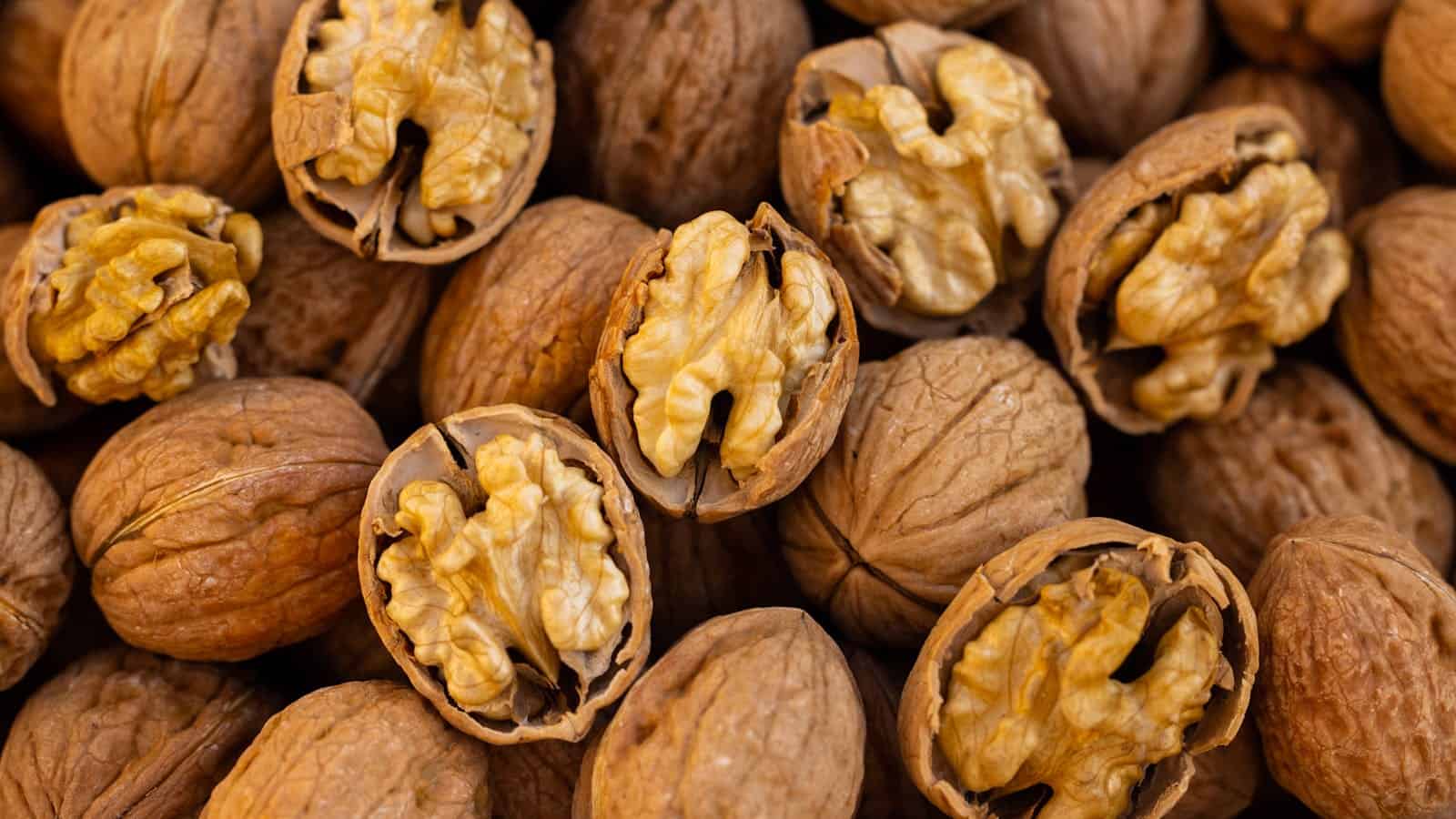
Healthy fats, particularly omega-3 fatty acids, play a significant role in scalp health and in controlling inflammation. Haircare professionals advise that chronic inflammation can disrupt the hair growth cycle, leading to dryness, irritation, and increased shedding. Research summarized in nutrition-focused health resources, such as NIH dietary fat studies, highlights omega-3s as key contributors to skin and follicle balance.
Foods like chia seeds, walnuts, and salmon are often recommended because they help maintain scalp hydration and reduce inflammatory stress. Over time, this creates a more stable environment for hair growth, especially during seasonal changes when the scalp may already be more sensitive.
Related Read: Is your hair getting thinner? 9 reasons women lose hair and what may actually help
Vitamin D and B12 Deficiencies Are Hidden Triggers

One of the most overlooked causes of hair shedding is micronutrient deficiency, particularly vitamins D and B12. These nutrients play essential roles in follicle cycling, red blood cell production, and overall energy metabolism. Clinical insights referenced in Cleveland Clinic hair health guidance suggest that deficiencies in these vitamins can significantly affect hair density.
Because these deficiencies are often subtle, they can go unnoticed until shedding becomes more visible. This is why many experts recommend routine blood checks for individuals experiencing persistent seasonal hair fall, especially if fatigue or low energy accompanies it.
Gut Health Influences Nutrient Absorption
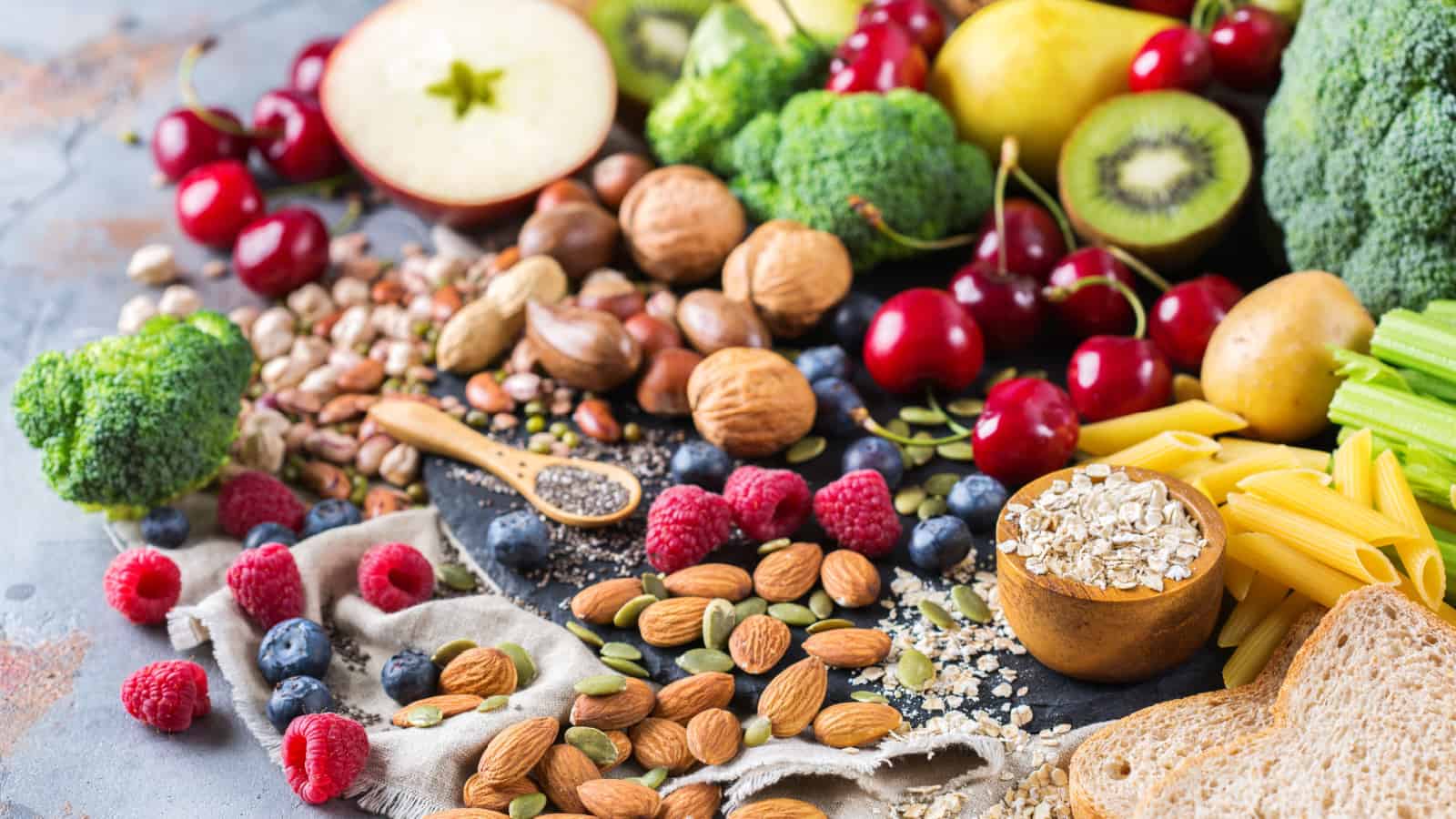
Even a nutrient-rich diet can fall short if the gut is not absorbing vitamins and minerals efficiently. Conditions like bloating, inflammation, or irregular digestion can interfere with the absorption of iron, zinc, and vitamins, indirectly affecting hair health. Studies referenced in digestive health research, such as NIH gut microbiome resources, highlight the gut’s role in nutrient metabolism.
This means hair shedding is not always about what you eat, but about how well your body processes it. Supporting gut health through balanced meals, hydration, and fiber-rich foods can significantly improve nutrient availability for hair follicles.
Stress and Cortisol Disrupt the Hair Growth Cycle

Stress is a major but often underestimated factor in seasonal hair shedding. Elevated cortisol levels can prematurely push hair follicles into the telogen (shedding) phase, a condition known as telogen effluvium. Mental and physical stressors alike can contribute to this cycle, especially during periods of lifestyle disruption.
Wellness experts often cite mindfulness practices, consistent sleep, and breathwork as tools for regulating stress hormones. As noted in the American Psychological Association’s lifestyle health guidance, chronic stress has measurable effects on both physical and biological systems, including hair growth regulation.
Related Read: Mastering Curly Hair: Tips for Perfect Curls Every Day
Scalp Health Is the Foundation of Strong Hair
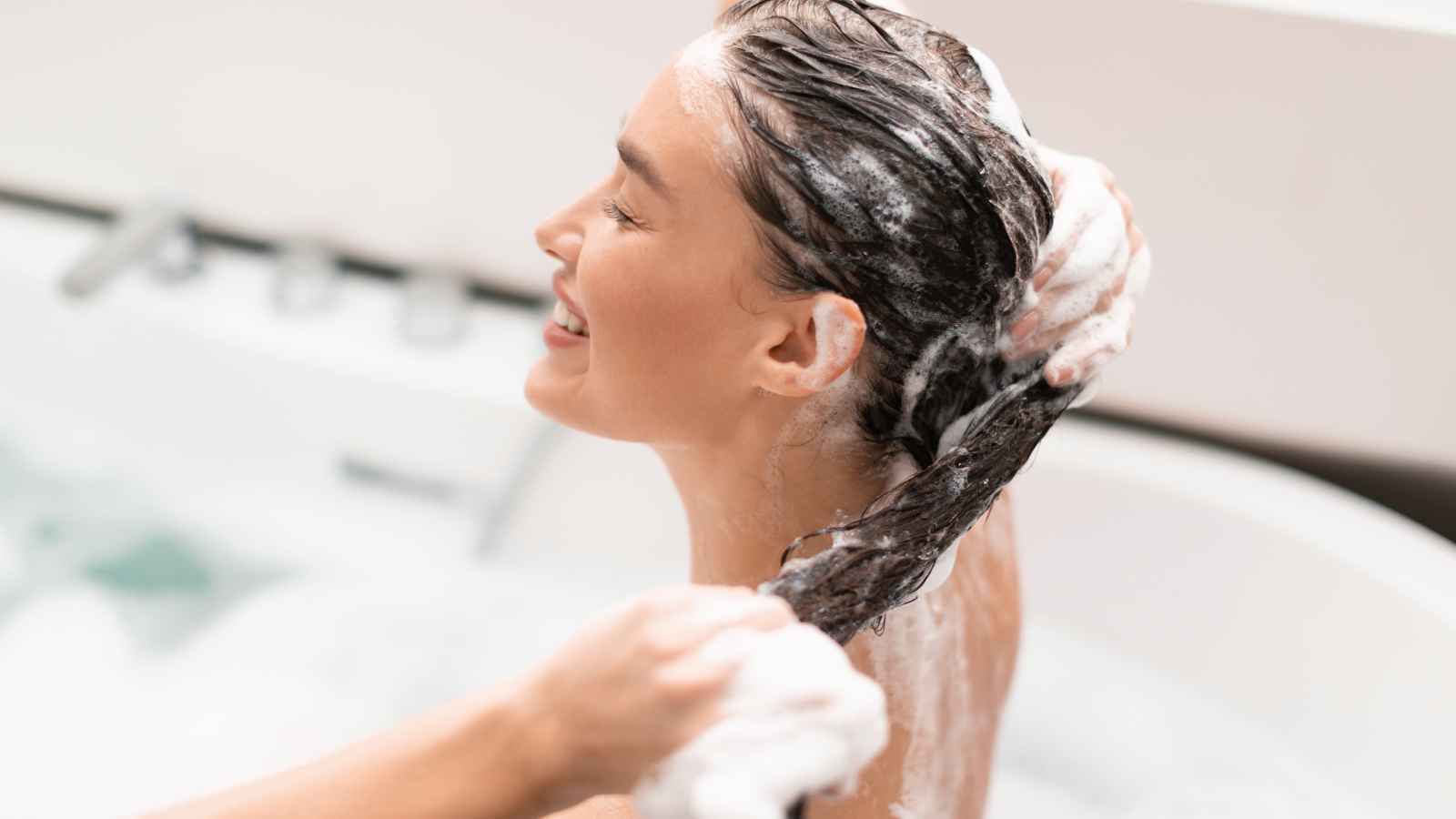
A healthy scalp environment is essential for consistent hair growth and long-term hair density. Issues such as dandruff, excess oil, or product buildup can clog follicles and disrupt natural growth cycles, potentially leading to increased shedding or stunted regrowth. Dermatologists frequently emphasize scalp care as a primary step in addressing both temporary and chronic shedding concerns, as supported by clinical skincare guidance from the American Academy of Dermatology and other dermatology experts.
Regular cleansing, gentle exfoliation, and avoiding overly tight hairstyles can significantly improve scalp function. Over time, this creates a more balanced environment in which follicles can function without unnecessary stress or blockage.
Hydration Plays a Bigger Role Than Most People Realize

Dehydration affects more than the skin; it directly influences hair texture, elasticity, and strength. When the body is not properly hydrated, hair strands can become brittle and more prone to breakage, which is often mistaken for shedding. Nutrition and wellness experts consistently highlight water intake as a foundational part of hair health.
Maintaining steady hydration helps transport nutrients more efficiently through the bloodstream, ensuring that follicles receive what they need to function properly. Even mild dehydration over time can contribute to visible changes in hair quality.
Over-Exercising and Lifestyle Imbalance Can Increase Shedding

While exercise is generally beneficial for circulation and overall health, excessive physical stress without proper recovery can negatively affect hair growth cycles. High-intensity training combined with low-calorie intake may push the body into a stress-response state, increasing the risk of shedding. Additionally, overtraining can elevate cortisol and other stress hormones, which are known to disrupt the normal hair cycle and trigger premature shedding. To protect hair health, it is important to balance rigorous exercise with adequate rest, nutrition, and hydration to ensure the body has time to recover.
Health research platforms, such as the Mayo Clinic, note that extreme physical stress can disrupt hormonal balance, which directly affects hair follicle behavior. Balance, rather than intensity alone, is key to maintaining healthy growth patterns.
Supplementation Works Best as Support, Not Replacement
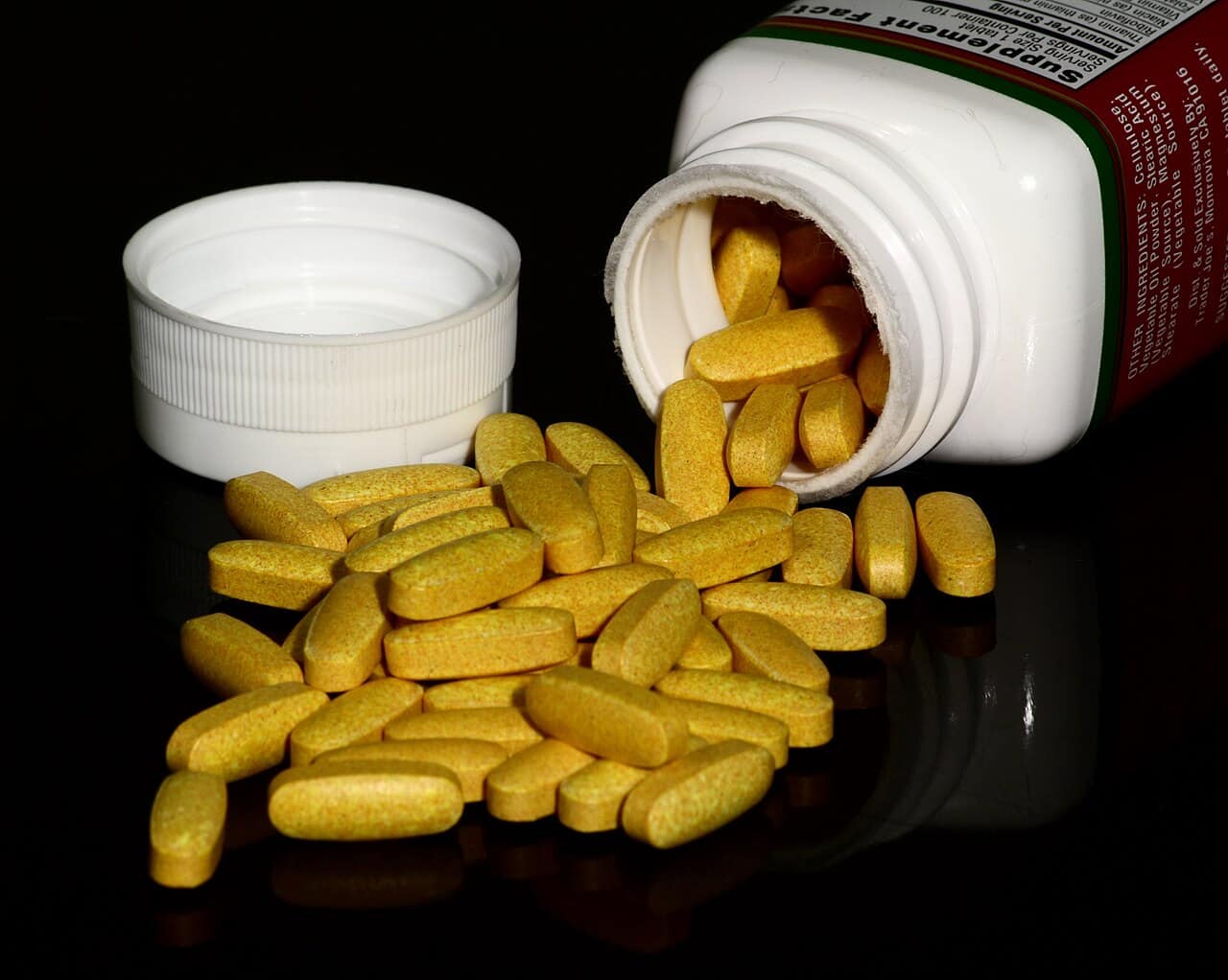
Experts increasingly agree that supplements can support hair health, but they should not replace a balanced diet. Vitamins like D, iron, and B-complex nutrients are often recommended when deficiencies are confirmed, but their effectiveness depends on overall lifestyle consistency, including sleep quality and stress management. Supplementation can help fill nutritional gaps that food alone may not fully cover, especially during periods of increased physiological demand or dietary restriction. The strongest results, however, come from combining supplements with balanced nutrition, regular exercise, and proper scalp care, creating a full-system approach to lasting hair health.
When used correctly, supplementation can help fill nutritional gaps that food alone may not fully cover. However, the strongest results come from combining supplements with stable nutrition, stress management, and proper scalp care, creating a full-system approach to hair health.
Blood Sugar Spikes Can Quietly Worsen Hair Shedding

One overlooked factor in seasonal hair shedding is blood sugar instability. Diets high in refined carbs and irregular eating patterns can create insulin spikes that indirectly affect hormone balance and inflammation levels in the body. Over time, this internal stress can push more follicles into the resting (shedding) phase.
Research in dermatology and metabolic health suggests that chronic inflammation and hormonal imbalance can disrupt normal hair cycling, especially when combined with nutritional deficiencies. As explained in PubMed research on metabolic stress and hair loss, maintaining stable energy levels throughout the day helps support both scalp circulation and follicle activity.
This is why experts often recommend balanced meals rich in protein, fiber, and healthy fats rather than relying on sugary snacks or skipping meals. It’s not just about what you eat, but how consistently your body receives energy.
Caffeine Overload May Be Affecting Nutrient Absorption
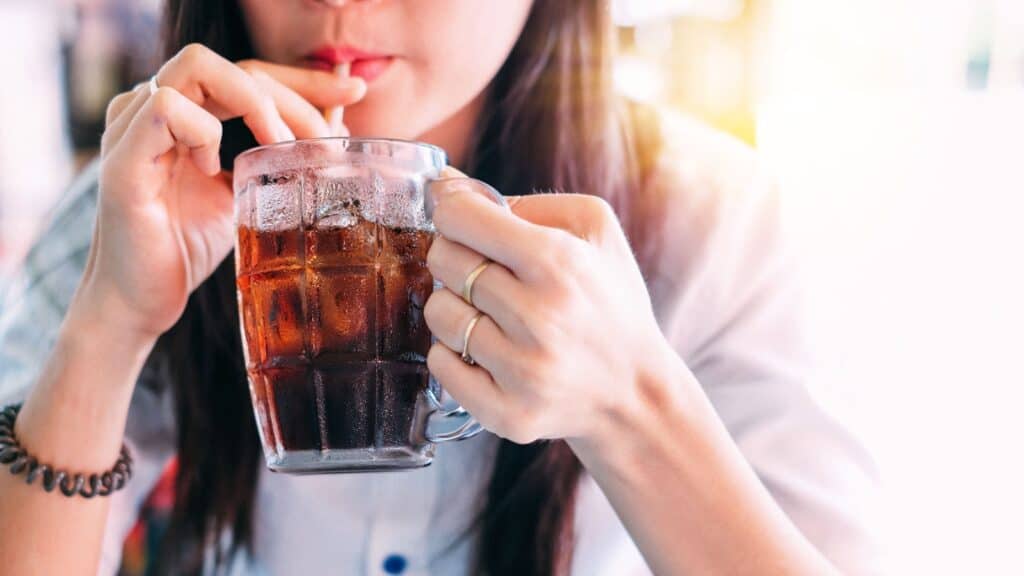
While caffeine itself is not directly responsible for hair loss, excessive intake can interfere with nutrient absorption particularly iron and B vitamins, which are essential for hair growth. High caffeine consumption can also contribute to dehydration, which may indirectly affect scalp health and hair texture over time.
Health guidance from nutrition-focused medical resources like Harvard Health highlights that excessive caffeine, especially when paired with low iron intake, can reduce the body’s ability to properly utilize key minerals. This becomes more noticeable during seasonal shedding periods, when the body is already undergoing biological adjustment.
Moderation is key here. Instead of eliminating coffee or tea completely, experts suggest spacing caffeine intake apart from iron-rich meals and increasing water intake to maintain hydration.
Hair Growth Is Connected to Your Body’s Internal Clock
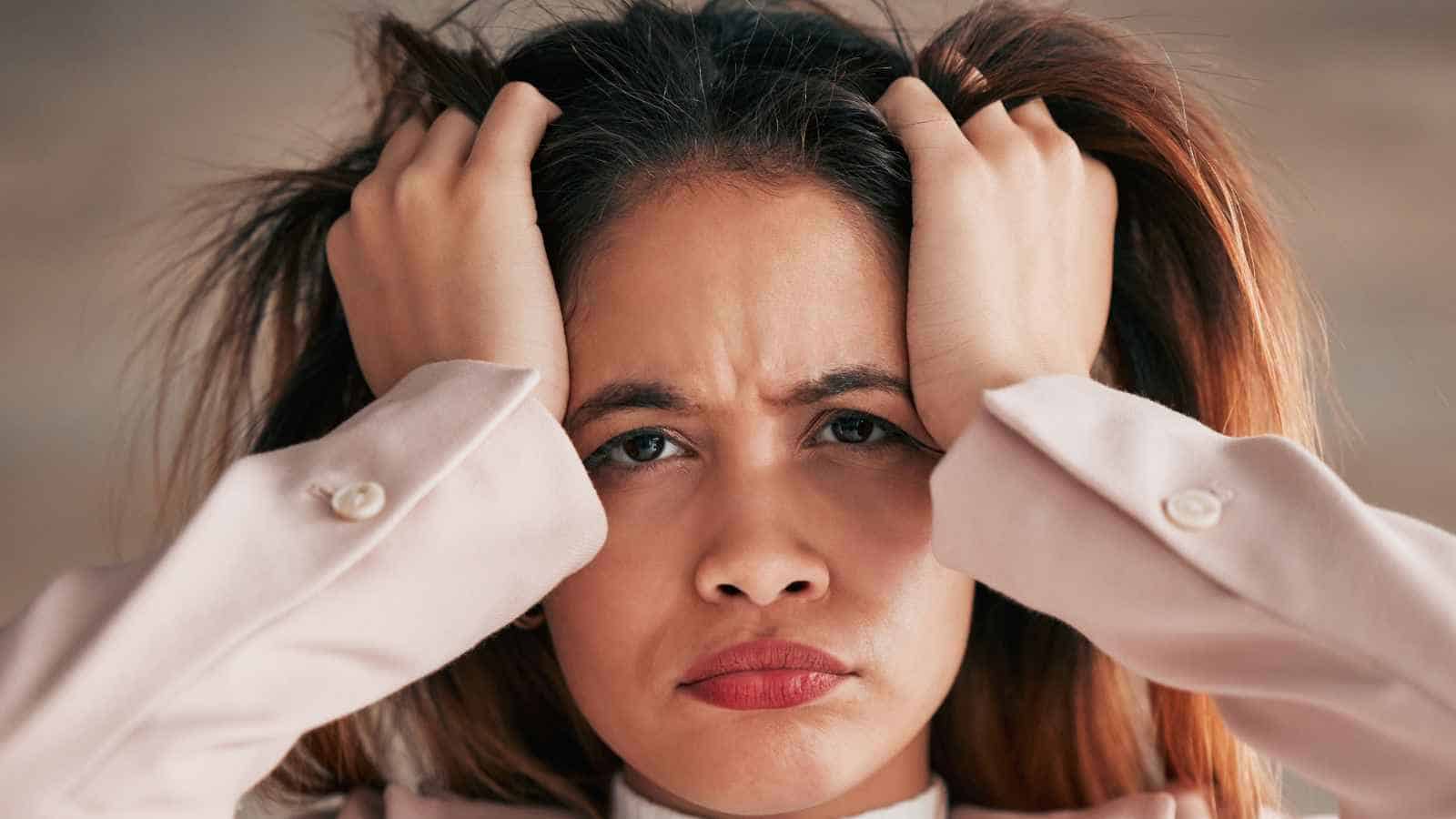
One of the most underrated influences on hair shedding is circadian rhythm disruption. Late nights, inconsistent sleep, and heavy screen exposure can interfere with hormone regulation, which plays a key role in hair follicle cycling. When the body’s internal clock is disrupted, hair growth signals can weaken over time.
Studies in chronobiology suggest that poor sleep quality is linked to elevated stress hormones, such as cortisol, which may contribute to premature follicle shedding. According to wellness research discussed in Sleep Foundation resources, consistent sleep patterns are essential for cellular repair and regeneration, including skin and hair tissue.
This means that strengthening hair is not only about diet—it’s also about recovery. Regular sleep, reduced nighttime screen exposure, and a stable daily rhythm help create the biological conditions needed for stronger, more resilient hair growth.
Related Read: The hair color that could change how people see you at first glance
Closing Perspective

Seasonal hair shedding is not simply a cosmetic issue; it is often a reflection of internal balance. Nutrition, stress, hydration, and lifestyle habits all work together to influence how hair grows and sheds. Rather than relying solely on topical treatments, experts increasingly emphasize a holistic approach that starts with what you eat and how your body functions day to day.
In that sense, stronger hair is not built in the bathroom; it is built in the kitchen, the gut, and the daily habits that support long-term biological stability.