National Coffee Day: A Celebration of the Brew That Powers Our Days
With nearly 2 billion cups consumed worldwide each day, coffee isn’t just a beverage: it’s one of the most powerful rituals shaping global culture.
Every September 29, the aroma of roasted beans seems to linger a little longer in the air. National Coffee Day isn’t just another made-up holiday; it’s a recognition of one of the world’s most beloved beverages, a drink that connects people across continents, sparks conversations, and keeps us fueled through the everyday grind.
Whether you’re an espresso devotee, a cold brew enthusiast, or someone who just needs a basic drip to get moving, this day invites you to pause and appreciate the humble bean that became a global powerhouse.
The Origins of the Bean That Changed the World
The story of coffee begins in Ethiopia, where legend has it a goat herder named Kaldi noticed his flock dancing energetically after nibbling red cherries from a mysterious bush. Curious, Kaldi tried the fruit himself and felt a sudden burst of energy. Monks in a nearby monastery experimented with the cherries too, finding that a beverage made from them helped them stay awake during long hours of prayer.
Where It Started
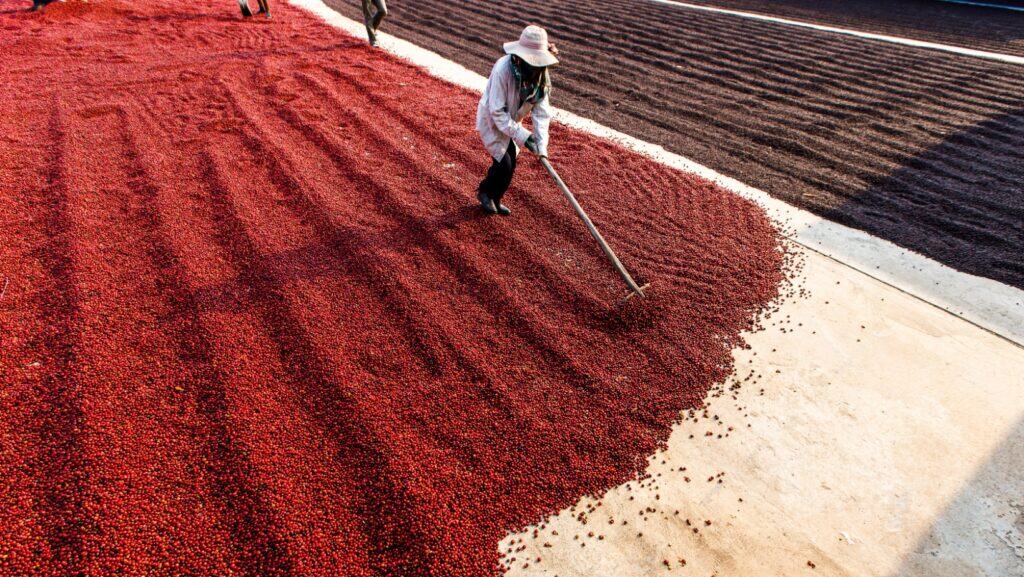
From those early days, coffee traveled through trade routes to the Arabian Peninsula, whereby the 15th century coffee houses began popping up in cities like Mecca and Constantinople. These establishments weren’t just about the drink; they became gathering places for conversation, storytelling, and even political debate. Coffee was more than caffeine; it was a cultural movement.
Why Coffee Became More Than a Drink
By the 1600s, coffee had reached Europe, and it caused quite a stir. At first, some called it the “bitter invention of Satan,” but its popularity soon won over skeptics, even earning approval from Pope Clement VIII, who reportedly declared that coffee was “so delicious it would be a sin to let only unbelievers enjoy it.” Coffee houses became known as “penny universities” in London because for the price of a cup, anyone could join stimulating discussions about science, politics, and art.
Across the Atlantic, coffee gained symbolic weight during the American Revolution, when colonists embraced it as a patriotic alternative to British tea. From that point forward, coffee became part of the American identity, fueling everything from westward expansion to the workdays of industrialization.
America’s Love Affair with Coffee
Today, nearly two-thirds of Americans drink coffee daily, and the average coffee drinker consumes more than three cups a day. What explains this devotion? Coffee is more than a beverage; it’s a ritual. The act of grinding beans, boiling water, and savoring the first sip is a moment of pause before the rush of daily life.
For some, it’s the comfort of a diner mug refilled endlessly. For others, it’s the precision of weighing beans on a scale and timing a pour-over to perfection. And for many, it’s the convenience of a drive-through cup, ordered the same way every morning, creating a familiar rhythm that feels grounding.
Modern Trends Brewing in Coffee Culture
National Coffee Day is also a chance to notice how coffee culture keeps evolving. Cold brew, once a niche trend, is now mainstream, with canned and bottled options filling grocery store shelves. Plant-based milk alternatives like oat, almond, and soy have become standard offerings, with oat milk in particular finding a devoted fan base for its creamy texture.
Specialty roasters highlight single-origin beans, allowing coffee drinkers to taste the unique flavor profiles of beans from Ethiopia, Colombia, or Guatemala. Fair-trade certifications and direct-trade practices have also gained traction, reminding us that behind every cup is a chain of farmers, roasters, and baristas whose livelihoods depend on how we value coffee.
Even technology has joined in; smart brewers controlled by phone apps, grinders that measure the perfect dose, and subscription services that deliver freshly roasted beans to your doorstep are redefining how we enjoy our daily brew.
How to Celebrate Without Leaving Home

You don’t need to visit a café to mark National Coffee Day. Here are a few ways to make it special from home:
- Experiment with brewing methods: Try a French press, an Aeropress, or a moka pot if you’ve never used one. Each method brings out different notes in the beans.
- Treat yourself to something new: Buy a bag of beans from a local roaster and take the time to notice its aroma, grind size, and flavor profile.
- Pair it with a homemade treat: Coffee and cookies are a classic duo. You could even bake fresh mint chocolate chunk cookies
- for a sweet pairing.
- Slow down: Instead of gulping your coffee between tasks, sit for five quiet minutes and savor it.
A Global Toast to Coffee
While National Coffee Day is American in origin, the drink is truly global. In Italy, espresso is a quick ritual: ordered at the bar, downed in a few sips, and enjoyed with community. In Sweden, “fika” is a cherished coffee break that’s as much about connection as it is about caffeine. In Turkey, strong coffee grounds are sometimes read to tell fortunes.
The Takeaway
National Coffee Day is a reminder that the simple act of sipping a hot (or iced) cup of coffee is a shared experience that transcends borders and time. It’s the fuel for our mornings, the companion to our conversations, and the backdrop for countless memories. Whether you’re a purist who drinks it black or someone who loves caramel-drizzled creations, today is the day to raise your mug and celebrate the bean that powers the world.