Retirement in flux: will our kids even know what a 401(k) is?
You finally reach age 65 and are ready to hang up your hat, only to realize the financial ladder you spent decades climbing has missing rungs.
It scares me to think about it, but the retirement landscape is shifting so fast that the “gold watch and a handshake” era feels like ancient history. We need to talk about where we are heading, because the 401(k) system we rely on today might look completely different by the time Gen Z starts to gray. Larry Fink, the CEO of BlackRock, recently sounded the alarm in his 2024 annual letter by calling it a “retirement crisis,” and honestly, he is not wrong.
You might wonder if we are just being paranoid. But when you look at the data, the cracks in the foundation become undeniable. We are living longer, saving less effectively, and facing economic headwinds that our parents never had to deal with.
I dug into the latest numbers from Vanguard, Northwestern Mutual, and the Social Security Administration to paint a clear picture. Let’s walk through the messy, changing world of retirement planning.
The pension is basically a dinosaur now

Remember when you could work for one company for 30 years, and they would pay you for the rest of your life? Yeah, me neither. The shift from defined benefit plans (pensions) to defined contribution plans (401(k)s) placed the entire burden on us.
According to the Bureau of Labor Statistics, only about 15% of private industry workers had access to a defined benefit plan in recent years. We traded security for portability, and now we are realizing that managing our own longevity risk is harder than it looks. Most of us are not investment experts, yet we are expected to manage portfolios that need to last 30 years.
It feels a bit like being asked to fly a plane just because you bought a ticket. This shift is the root cause of the anxiety many of us feel. Companies love it because it saves them money, but it leaves regular folks exposed to market crashes right when they can least afford it.
Social security is running on fumes
We cannot talk about retirement without addressing the elephant in the room. The Social Security Board of Trustees projects that the trust funds could be depleted by the early to mid 2030s. That does not mean the checks stop coming, but it likely means benefits get cut by roughly 20% if Congress does not act. IMO, relying solely on Uncle Sam to fund your golden years is a risky bet.
I look at these projections and see a clear warning sign for younger generations. You have to build your own safety net, because the government’s might have some major holes. The math simply does not add up with an aging population and fewer workers paying into the system. We need to plan as if Social Security is a bonus, not a guarantee.
The gig economy breaks the traditional mold
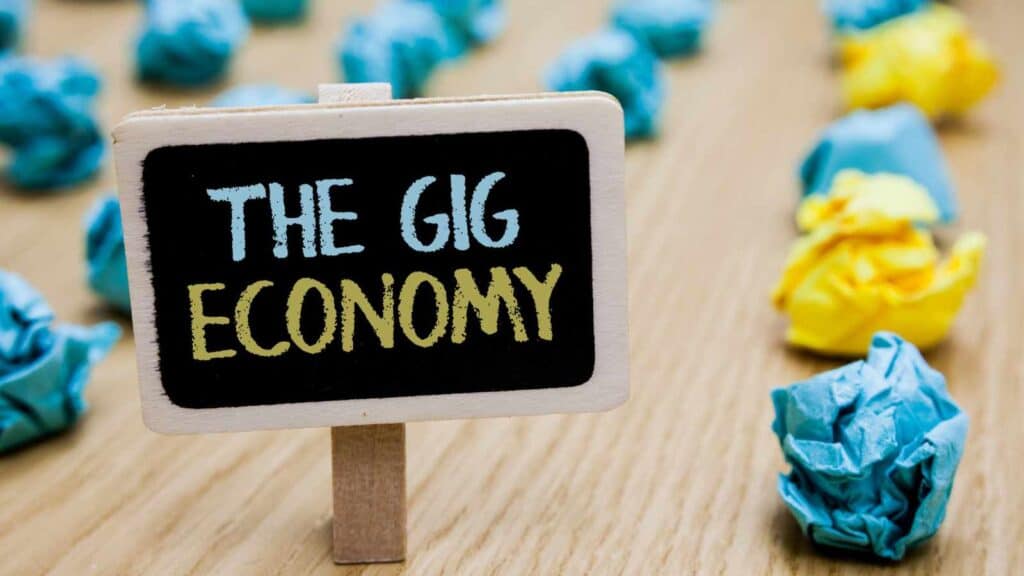
The 401(k) was built for a world where you have a steady employer, but the gig economy has thrown a wrench in that engine. Upwork studies show that nearly 38% of the US workforce worked as freelancers in 2023. These workers often lack access to employer-sponsored retirement plans. They are out there hustling without the automated safety mechanisms that traditional employees enjoy.
This leaves a large portion of the population with no retirement savings. I have friends in the gig economy who constantly stress about this. They make good money, but without that automatic deduction from a paycheck, saving for the future falls to the bottom of the priority list. We need portable benefits that follow the worker, not the job.
Student loans are eating the nest egg
It is hard to save for the future when you are paying for the past. The Federal Reserve reports that the total US student loan debt is hovering around $1.7 trillion. For many young professionals, the choice between paying down debt and funding a 401(k) is not even a choice. They have to tackle the debt first, which means they miss out on the most powerful force in finance: compound interest.
Secure Act 2.0 aims to address this by allowing employers to treat student loan payments as 401(k) contributions. It is a game-changer for sure. But until that becomes widespread, debt remains a massive anchor dragging down retirement readiness. You simply cannot get ahead when you start the race miles behind the starting line.
Auto enrollment is the new normal
One bright spot in all this chaos is the rise of auto-enrollment. Vanguard’s “How America Saves 2024” report indicates that auto-enrolled plans have significantly higher participation rates. Basically, if you make people opt out instead of opt in, they save money. It works because humans are naturally lazy (myself included), and inertia is a powerful force.
This trend suggests that the future of the 401(k) is automation. We will see more plans that sign you up automatically and automatically increase your savings rate each year. It takes the willpower out of the equation. I wish this had been the standard when I started working, as I definitely missed a few years of matching simply because I forgot to fill out a form.
The magic number keeps going up
How much do you actually need to retire? Northwestern Mutual’s 2024 Planning & Progress Study found that US adults believe they need $1.46 million to retire comfortably. That is a massive jump from just a few years ago. Inflation has skewed our perception of wealth, and a million bucks just does not buy what it used to.
This moving goalpost discourages people. You save and save, only to find out the finish line moved another hundred yards. It highlights why we need to focus on income replacement rates rather than just a scary lump sum number. FYI, obsessing over a specific number can paralyze you into doing nothing.
The rise of the soft retirement
The idea of stopping work completely at 65 is fading away. Many people are opting for a “soft retirement” or “phased retirement,” where they scale back hours rather than quitting cold turkey. A survey by the Transamerica Center for Retirement Studies shows that more than half of workers plan to work after they retire. It keeps the mind sharp and the bank account padded.
I actually love this trend. It redefines retirement as a new chapter rather than the end of the book. It allows you to pursue passion projects or part-time work that you actually enjoy. The strict divide between “working life” and “retired life” is blurring, and that is a healthy evolution.
Crypto and the wild west of assets
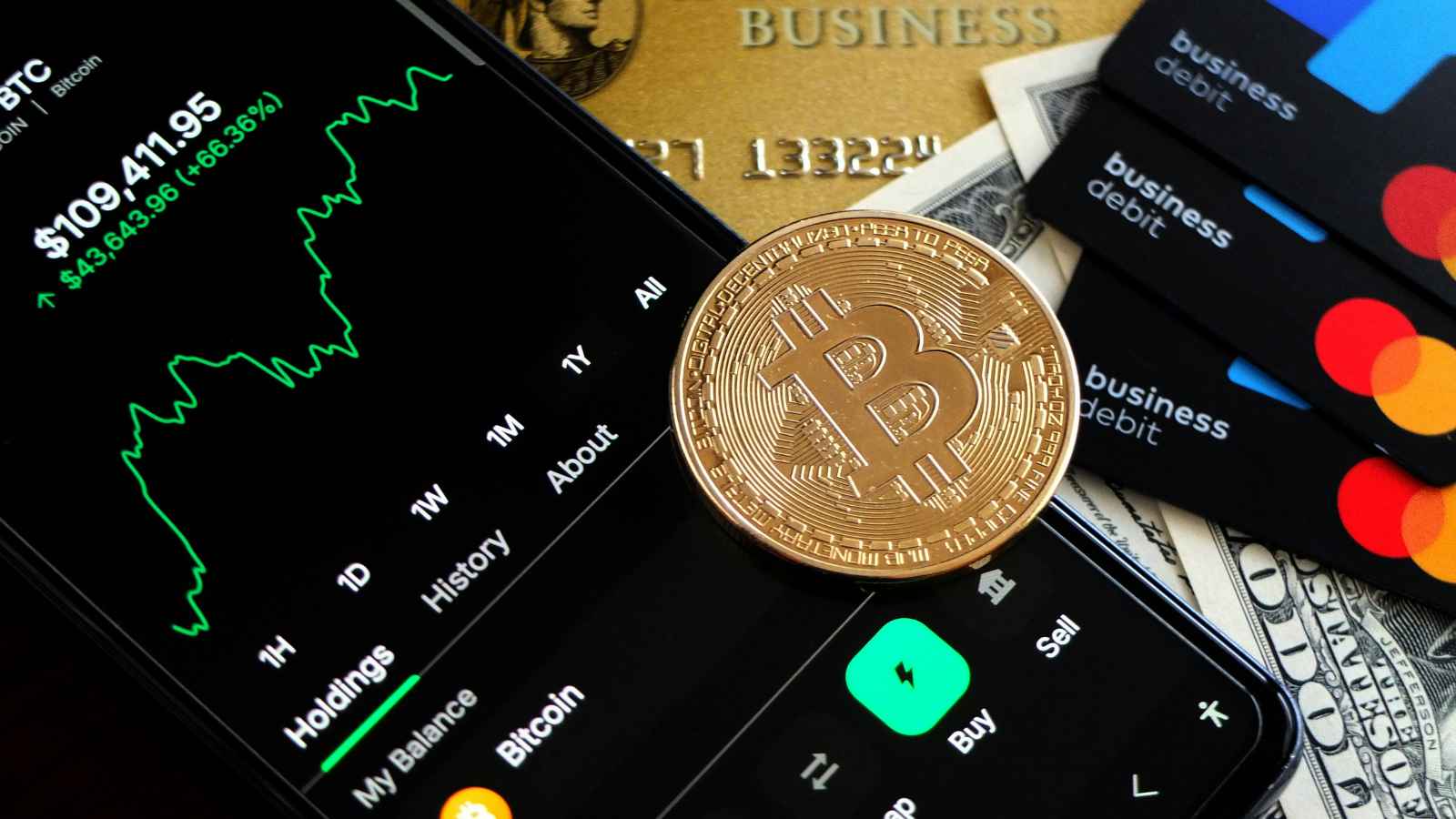
Younger investors are looking at assets that would make a traditional financial advisor faint. A study by Investopedia found that Gen Z and Millennials are far more likely than older generations to include cryptocurrency in their retirement strategy. They view the stock market as rigged or too slow, so they look for moonshots.
This scares me a little because the volatility is insane. But it also shows that the 401(k) menu needs to evolve. Fidelity has already started allowing Bitcoin in 401(k) accounts. We are watching the definition of a “safe asset” change in real time.
Longevity is a double-edged sword
Living to 100 sounds great until you realize you have to pay for it. The Stanford Center on Longevity reports that half of 5-year-olds today can expect to live to 100. This means a 30-year career has to fund a 30 or 40-year retirement. The math on that is brutal.
We have to rethink the entire timeline of our lives. Maybe we work until 75 but take more sabbaticals along the way. The current model assumes we die much sooner than we actually do. It is a good problem to have, but it is an expensive one.
The government is trying to fix it
Legislators know the system is creaking. The Secure Act 2.0, which was recently passed, introduces major changes, like increasing the age for Required Minimum Distributions (RMDs) and expanding catch-up contributions. The goal is to make it easier for people to keep money growing tax-deferred for longer.
These changes are helpful, but are they enough? Probably not. They are patches on a leaking tire. We likely need a more structural overhaul, but at least Washington is paying attention. It gives me a glimmer of hope that we won’t be left entirely on our own.
Key Takeaways
- The Pension is Dead: We have moved almost entirely to a self-funded model, increasing individual risk.
- Social Security is shaky: Benefits will likely be reduced by the 2030s, making personal savings critical.
- The Gig Economy needs help: Traditional 401(k)s don’t work for freelancers, underscoring the need for portable benefits.
- Automation is saving us: Auto-enrollment and auto-escalation are the most effective tools we have to boost savings rates.
- The timeline has changed: We are living longer and likely working longer, redefining what “retirement” actually means.
Disclosure line: This article was developed with the assistance of AI and was subsequently reviewed, revised, and approved by our editorial team.
Simple Habits to Recharge Your Mind and Body

10 Simple Habits to Recharge Your Mind and Body
These 10 simple habits to recharge your mind and body demonstrate that sustainable wellness starts with everyday choices, not drastic changes.
And if you’re looking for an easy way to support those habits, try pairing your morning ritual with a wellness-focused coffee.