The brutal new way workers are finding out they’ve been fired
The new pink slip does not always come in an envelope. Sometimes it arrives as a 6 a.m. text, a dead Slack account, a badge that will not open the door, or a video call so short the shock outlasts the meeting.
BLS data from April 2026 shows layoffs and discharges at 1.7 million, while the Federal Reserve’s 2026 household report found that 42% of adults were worried about finding or keeping a job. That fear has given viral firing stories a sharp edge. People are not just reading them for drama. They are reading them because a tiny part of them wonders, “Could that be me?”
The firing has moved from the office to the screen

Getting fired has always carried a sting. The difference now is the delivery system. A generation ago, a worker might have been called into a manager’s office, seen the folder on the desk, felt the room go cold, and known what was coming. Today, the first sign can be silence: a missing calendar invite, a failed login, or a message asking someone to check their personal email before starting work.
The most viral examples have become workplace folklore. Better.com’s CEO fired about 900 employees during a 2021 Zoom call, with CBS News reporting that the speech lasted about 3 minutes.
Some Twitter workers lost access to company systems during the 2022 cuts before full clarity arrived. Business Insider reported that some Amazon employees learned of 2025 layoffs through early-morning texts tied to a 14,000-role corporate reduction.
These examples are different in scale and context, but they share one chilling feature: the worker often receives the blow through a system before a person can soften it.
Why do these stories hit so hard
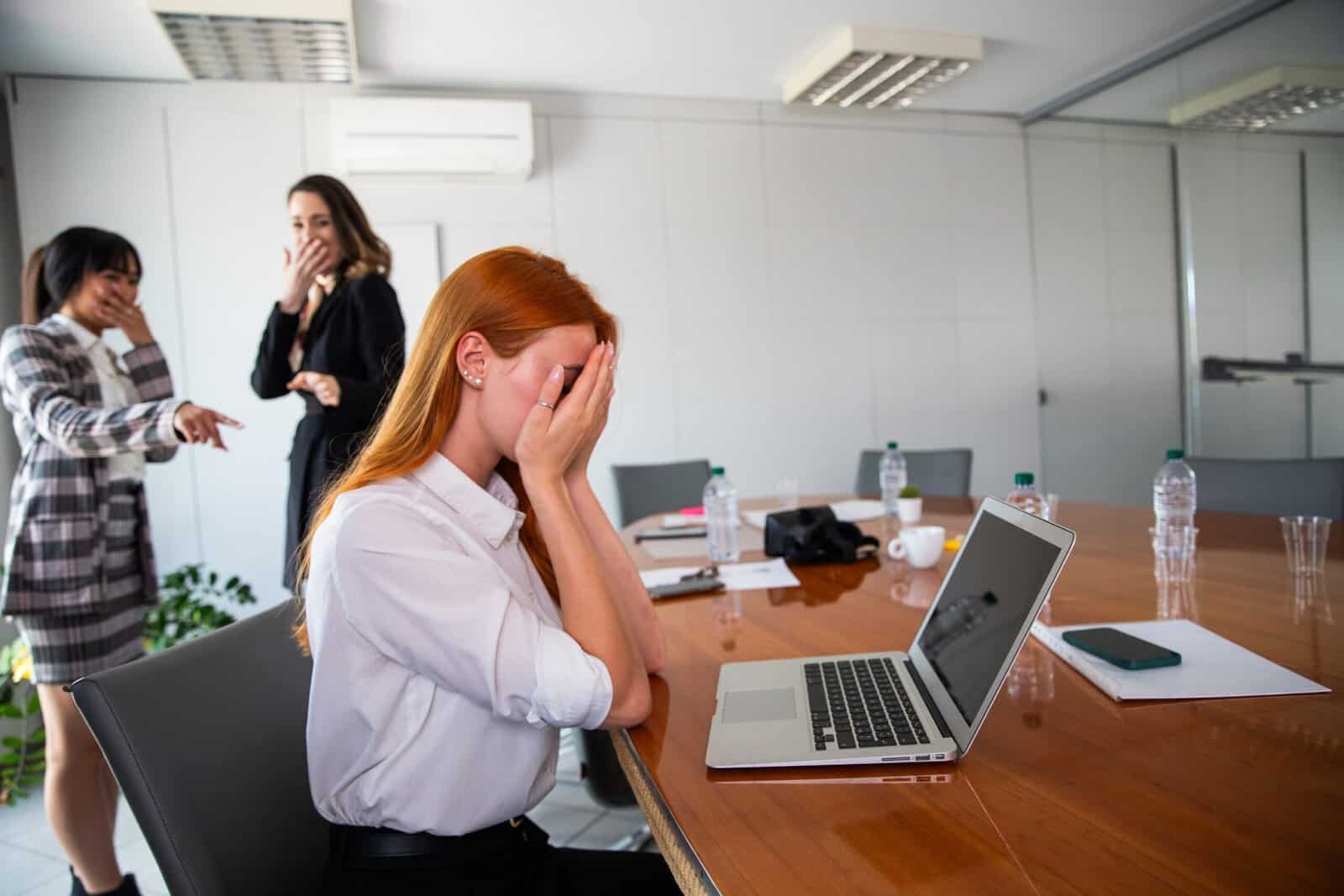
The stories stick because they contain three wounds at once: surprise, distance, and lost dignity. Surprise turns an ordinary morning into a before-and-after line. Distance makes the moment feel processed rather than spoken. Lost dignity is the part people remember years later, after the severance form is gone and the laptop has been returned.
That is why a fired worker’s story can spread across Reddit, TikTok, Facebook, and workplace forums with such force. Pew Research Center’s 2025 social media report found that 84% of U.S. adults use YouTube, 71% use Facebook, and 37% use TikTok, up from 21% in 2021. Reddit use also rose to 26% of U.S. adults.
These platforms are built for short, emotional stories, and a brutal firing story has a natural shape: a normal day, a cold message, a sudden fall. There is also a strange comfort in the sharing.
Zety’s worker survey found that 58% of respondents were afraid of getting fired, 54% said getting fired scared them more than death, and 75% said they had felt ashamed after being fired. Shame grows in silence. Online, people can hand that shame to strangers and hear, almost at once, that the wound is common.
A stable job market can still feel scary

The U.S. labor market has not collapsed, which makes the fear more interesting. BLS data from April 2026 showed quits at about 3 million, higher than layoffs and discharges.
That means millions of workers were still choosing to leave jobs on their own. Yet the Federal Reserve found that concern about finding or keeping work rose from 37% in 2024 to 42% in 2025, suggesting a softer mood beneath the headline numbers.
Part of that anxiety comes from the kind of cuts people keep seeing. Challenger, Gray & Christmas reported that U.S.-based employers announced 97,006 job cuts in May 2026, the highest May total since 2020.
The firm also said AI was cited in 38,579 cuts that month, about 40% of the May total. Even workers whose jobs are safe can feel the tremor when a company says “restructuring,” “automation,” or “efficiency.”
That is where the viral firing story becomes more than gossip. It turns private job anxiety into a public script. One person loses access to a system. Another gets a two-minute call. Another finds out from a group email. The details change, but the mood stays the same: work can vanish fast, and the goodbye can feel colder than the cut itself.
The company examples are symbols, not the whole story

Better.com, Amazon, Twitter/X, and GM appear in these conversations because large companies provide clear examples for the public. They are not the full story. The same kind of shock can happen in a bakery, a hospital office, a school district, a warehouse, a bank branch, or a small marketing firm with six people on payroll.
A hypothetical worker named Marissa might start her day by making coffee, opening her laptop, and seeing that every shared document is locked. Her manager has not called yet. Her team chat is gone. Her inbox has one message from HR, and the meeting starts in nine minutes. That fictional scene feels real because so many workers now understand the language of digital disappearance.
Professor of management practice at Harvard Business School, Sandra Sucher, has warned that common practice is not the same as good practice. She told Business Insider, “The fact that something’s a common practice doesn’t make it a good practice.” That line captures the heart of the issue. A company can be legal, efficient, and prepared, yet still leave a person feeling erased.
The real injury is often the method

Employers do have real concerns. Large layoffs bring legal requirements, security risks, timing challenges, market pressure, and the need to treat employees in similar roles consistently.
If someone works with sensitive data, a company may shut down access fast to protect systems and customers. If hundreds of workers are affected, HR may struggle to provide every person with a careful, individual conversation at the same time.
Still, workers rarely remember the legal memo. They remember the human moment. They remember the hour, the sentence, the blank camera square, the badge that blinked red, or the manager who read a script with no space for grief.
Ashley Herd, a former corporate lawyer and HR executive, told Business Insider, “People want to feel like they matter just at a basic level.” That is not softness. It is workplace memory.
Zety’s survey found that 64% of respondents said a layoff or firing eventually turned out to be good for their career. That hopeful number matters. Many people rebuild, earn more, change industries, or leave toxic cultures behind. Yet a better later chapter does not excuse a careless final page.
What should companies do differently?

Companies cannot make job loss painless, but they can make it less cruel. SHRM guidance urges employers to communicate clearly, prepare managers, give accurate information, and treat affected workers with respect. Manny Campione of Normandin Beaudry told SHRM that leaders should avoid canned phrases and acknowledge that employees have lost friends and colleagues.
A better firing process does not need poetry. It needs a real conversation, a clear reason, time for questions, written next steps, and a person who does not sound like a form letter. If access must be cut fast, the human explanation should not lag far behind. If the meeting is virtual, cameras and voices should not disappear behind a wall of corporate caution.
The strongest employers will understand that a firing is also a story. The person leaving will tell it to a spouse, a friend, a recruiter, a former colleague, and maybe thousands of strangers online. In a job market shaped by AI, remote work, and constant restructuring, the last five minutes of someone’s employment can say more about a company than its polished culture page ever could.
Why the stories keep spreading

People are sharing brutal stories of being fired because work is personal, even when companies describe it in numbers. A job pays rent, but it also shapes identity, routine, friendships, pride, and the story someone tells about their future. Losing that through a locked account or rushed call can feel like being turned off rather than let go.
That is the quiet power behind this trend. The screen may be new. The ache is old. Workers are not asking for every ending to feel warm. They are asking for the ending to recognize that a human being is on the other side of the message.
The next wave of work may bring more AI, more remote teams, and more restructuring. But even in a digital workplace, dignity still has to travel person to person. A company can end a job in minutes. The worker may remember the way it happened for years.
Disclaimer – This list is solely the author’s opinion based on research and publicly available information. It is not intended to be professional advice.
Like our content? Be sure to follow us