The Marvel of the Octopus: 10 Mind Bending Facts About Nature’s Escape Artist
On World Octopus Day, scientists and ocean lovers alike are spotlighting the eight-armed escape artist whose alien-like biology is reshaping our understanding of intelligence.
When you picture the ocean’s most fascinating creatures, whales and dolphins may come to mind first. But on October 8, World Octopus Day, attention turns to one of the sea’s true marvels. With three hearts, blue blood, and an intelligence that rivals some mammals, the octopus seems more like a visitor from another world than a common inhabitant of Earth’s oceans. These slippery, curious, and often mischievous animals have been amazing scientists and delighting the public for centuries. Here are ten reasons why the octopus is celebrated as one of nature’s greatest escape artists and thinkers.
Masters of Camouflage
Few creatures can change their appearance as completely and quickly as the octopus. Using specialized cells in their skin called chromatophores, iridophores, and leucophores, they can shift colors, patterns, and even textures. This allows them to blend into coral reefs, sandy bottoms, or rocky crevices almost instantly, fooling both predators and prey. Their camouflage is not just visual. By altering the tiny muscles under their skin, they can mimic the feel of surrounding objects like algae or stones.
An Intelligence That Stuns Scientists
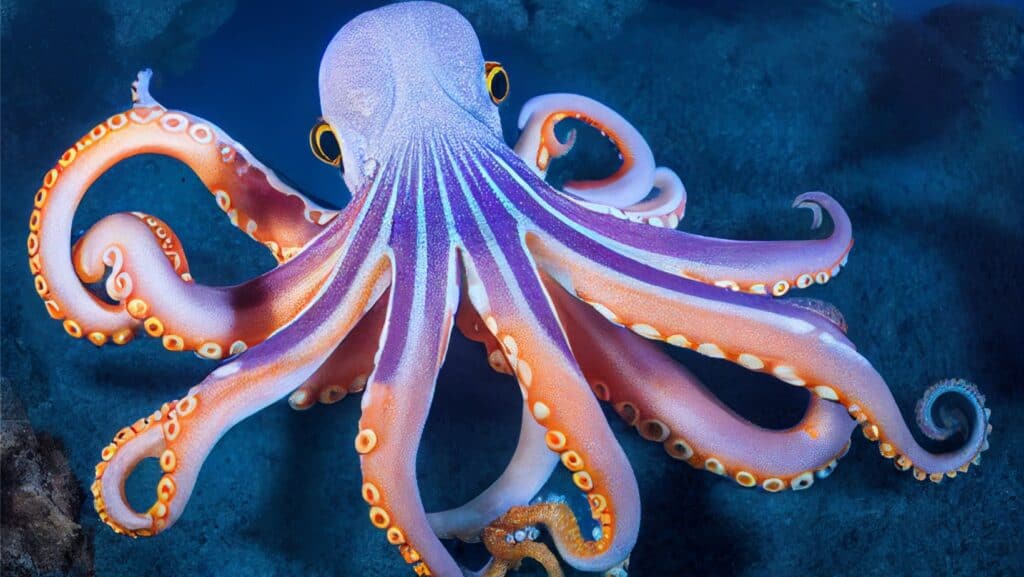
Octopuses have demonstrated problem solving skills that suggest a high degree of intelligence. In laboratory tests, they have unscrewed jar lids, navigated mazes, and remembered solutions to puzzles. Their short lifespans limit what scientists can observe over time, but within just a few years of life they show an ability to learn through both trial and error and observation. Some experts have even called them the most intelligent invertebrates in the world.
The Great Escape Artists
Stories of octopuses slipping away from aquariums are legendary. In one famous case, an octopus named Inky squeezed out of his enclosure in New Zealand, crossed the floor, and slid down a drainpipe to the ocean. Others have been caught lifting tank lids, dismantling filters, or sneaking into neighboring tanks for a midnight snack. Their boneless bodies mean they can fit through openings no larger than their beaks, which are the only hard parts of their anatomy.
Eight Arms That Work Like Brains
Each arm of an octopus contains a dense network of neurons, almost as if each limb has its own brain. This setup allows the arms to act independently, feeling, tasting, and responding to stimuli without waiting for instructions from the central brain. It is one reason they are so dexterous when opening containers or manipulating objects. Watching an octopus explore with its arms is like seeing eight curious minds working at once.
Regeneration That Inspires
If an octopus loses an arm to a predator, it has the remarkable ability to regrow it completely. The regenerated limb is fully functional, complete with nerves, muscles, and suckers. Scientists study this process closely, hoping it may one day lead to medical breakthroughs in regenerative medicine for humans.
Three Hearts and Blue Blood
Unlike humans, who rely on one heart to pump red, iron based blood, octopuses have three hearts and blue blood. Two of their hearts pump blood through the gills to gather oxygen, while the third circulates it to the rest of the body. Their blue blood is due to hemocyanin, a copper based molecule better suited to cold and low oxygen environments. This adaptation is one of the reasons octopuses thrive in such diverse ocean habitats.
Tool Users Under the Sea
Octopuses have been seen carrying coconut shells to use as mobile shelters and arranging rocks around their dens as barriers. These behaviors demonstrate foresight and planning, qualities once thought to belong only to higher vertebrates. Tool use in animals is rare, making these discoveries all the more extraordinary.
Short Lives, Big Impact
Most octopuses live only one to two years, with some larger species lasting up to five. Yet in that brief time they grow rapidly, reproduce, and display an astonishing range of behaviors. Females invest everything into raising their eggs, often fasting and dying once the young hatch. Their fleeting lives add an almost poetic dimension to their intelligence and adaptability.
Cultural Icons and Myths
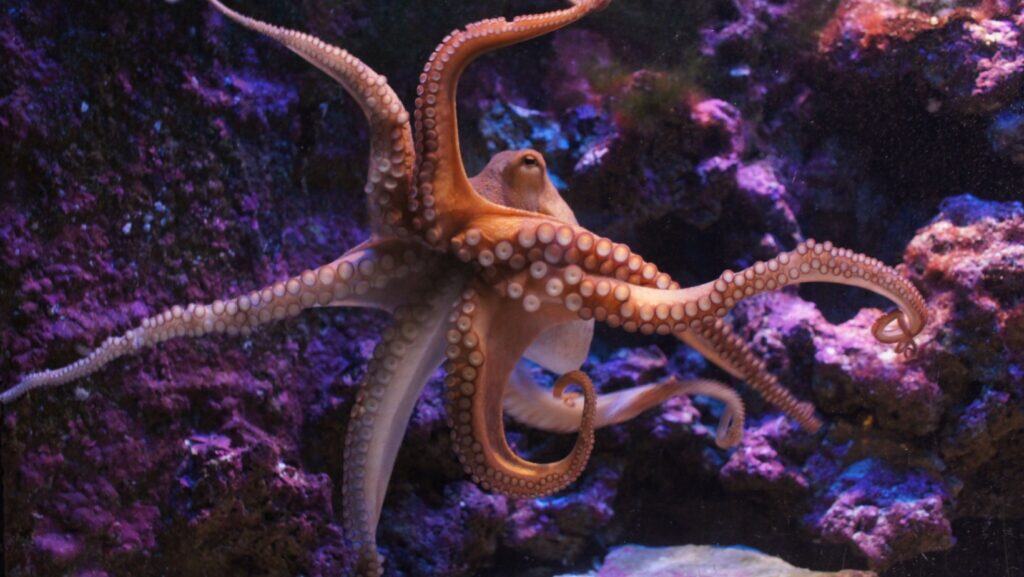
From ancient sea monster legends to modern films, octopuses have long captured human imagination. The Kraken of Norse mythology was said to drag entire ships beneath the waves. Today, octopuses appear in everything from children’s books to tattoos, symbolizing mystery, adaptability, and strength. They bridge the gap between scientific wonder and cultural storytelling.
Protecting the Future of Octopuses
As with many marine animals, octopuses face threats from overfishing, climate change, and habitat destruction. Sustainable seafood choices and marine protected areas can help ensure their survival.By celebrating World Octopus Day, we also shine a light on the need to protect the oceans that make such extraordinary creatures possible.
The Takeaway
The octopus is more than just a creature of curiosity. It is a living demonstration of how diverse, surprising, and inventive life on Earth can be. From slipping out of tanks to changing color in an instant, octopuses remind us that the natural world still holds mysteries worth protecting.