The “own nothing” future still makes consumers nervous: 13 reasons the idea won’t go away
The concept of an “own nothing” future famously crystallized in 2016 when the World Economic Forum published a video featuring Danish MP Ida Auken, who suggested that by 2030, “I don’t own anything. I don’t own a car. I don’t own a house. I don’t own any appliances or any clothes.”
While the WEF’s Great Reset narrative was framed as a utopian shift toward efficiency and sustainability, the reality of 2026 feels more like a mandatory toll road. We are currently navigating the fallout of a global economic shift in which asset ownership is being systematically replaced by ‘usership’.
This transition is underpinned by the Zuora Subscription Economy Index, which has consistently shown that subscription-based businesses grow nearly 3.7 times faster than the S&P 500 product benchmarks. The following breakdown explains why this model persists despite a growing sense of renter’s remorse worldwide.
Subscription Creep Is Quietly Replacing Ownership
The average American now spends $219 a month on subscriptions, according to a 2024 study by C+R Research, though most consumers initially estimate their spend at just $86. This $133 blind spot is exactly where subscription creep lives.
It is no longer just Netflix; it is heated seats in a BMW and ink for your HP printer that stops working the moment your payment fails. In his book The Age of Access, Jeremy Rifkin argued that the very nature of property is changing from physical assets to “points of access” in a network.
While this offers the flexibility to upgrade to the latest version of everything, it creates a poverty trap in which wealth cannot be stored. When you own a car, you have an asset to sell; when you subscribe to mobility, you have a receipt. This shift represents a fundamental move from capital accumulation to perpetual operating expenses for the individual.
The Sharing Economy Promised Efficiency but Delivered Platform Dependence
In the early 2010s, collaborative consumption was the buzzword. We were told that because the average power drill is used for only 13 minutes in its lifetime, we should share it.
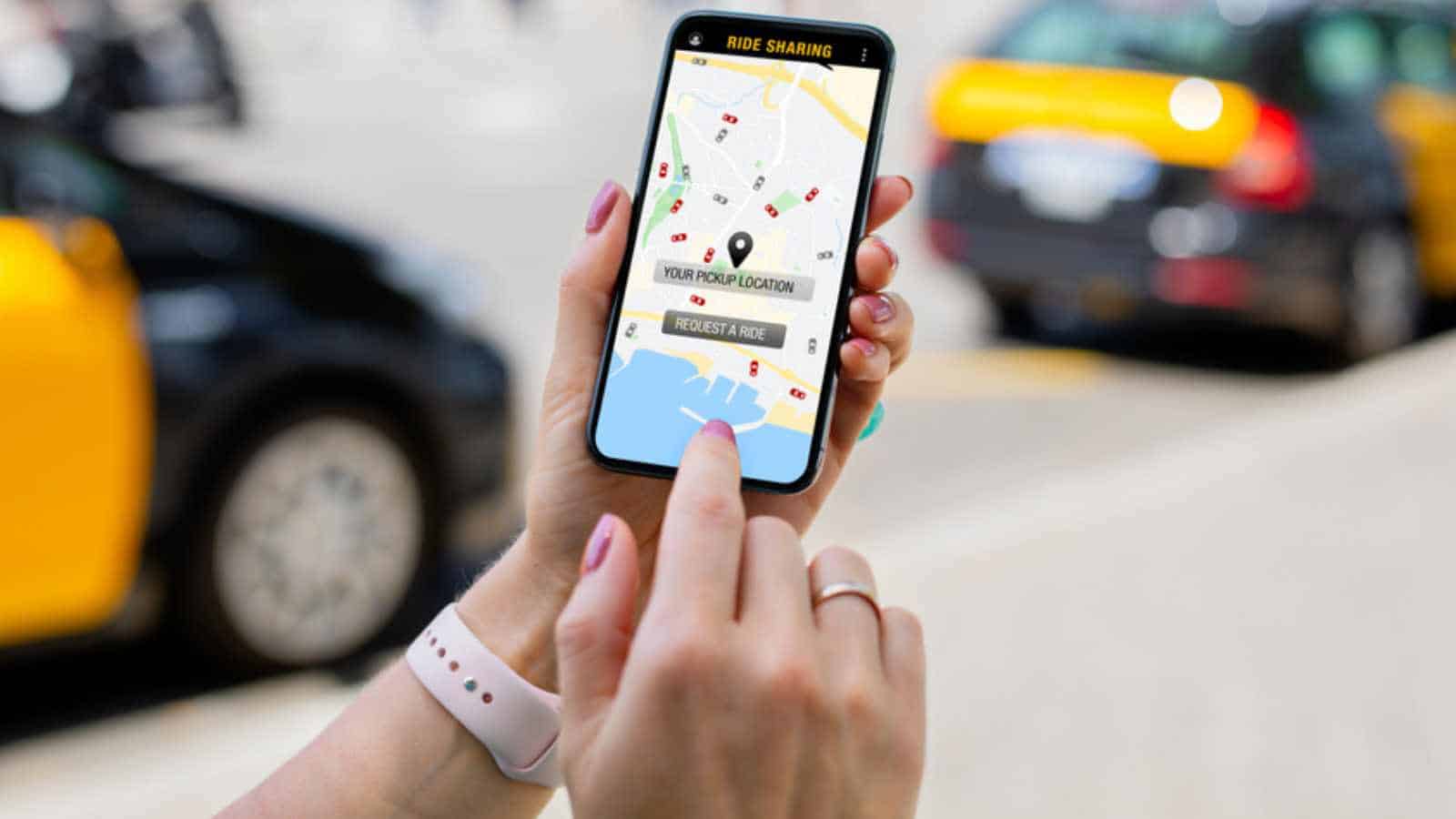
However, the dream of a peer-to-peer utopia was quickly swallowed by ‘Platform Capitalism,’ a term coined by Nick Srnicek in the same year, 2016, in which Ida’s article was also born.
Instead of neighbors sharing drills, we got Uber and Airbnb, multi-billion-dollar intermediaries that take a 20% to 30% cut of every transaction. A 2023 report from the Economic Policy Institute suggests that while these platforms provide gig flexibility, they strip away the safety nets of traditional employment and ownership.
We aren’t sharing resources; we are renting them back from centralized digital landlords who control the pricing algorithms, effectively turning the sharing economy into a toll-taking economy.
Housing Costs Are Turning Ownership Into a Luxury

The financialization of housing has turned the traditional family home into a high-yield asset class for institutional investors. Data from Redfin indicates that in certain US metros, nearly 25% of starter homes are purchased by investors rather than families.
This creates a permanent renter class. In the UK, the Resolution Foundation acknowledges that up to a third of Millennials may never own a home, spending their retirement years paying rent to private landlords. This represents more than an economic shift; it marks a psychological one.
Without the forced savings of a mortgage, the wealth gap widens. As homeownership rates for under-40s remain stagnant, the rent-forever model becomes a default necessity rather than a lifestyle choice, even though 88% of renters still say they want to buy.
Digital Goods Prove You Can Pay Without Owning

You don’t own your Kindle books; you own a non-transferable license to view them. This distinction became painfully clear when Sony announced it would remove Discovery content from PlayStation libraries, even for people who bought it.
This is “The End of Ownership,” a concept explored by law professors Aaron Perzanowski and Jason Schultz. They argue that digital retailers use Buy Now buttons to create a false sense of property. In reality, 100% of your digital library is subject to the whims of licensing agreements.
A survey by the American Library Association found that libraries often pay 3 to 5 times more for a digital license than for a physical book, yet they can lose that access at any time.
Your digital legacy is essentially a rental agreement that expires when the server shuts down.
Companies Prefer Access Models Because Revenue Becomes Predictable

Wall Street hates lumpy revenue. If a company sells a software package for $500 once every five years, its stock price is volatile. If it charges $15 a month, the revenue is a smooth, predictable line.
This is why Adobe famously moved its entire Creative Suite to the cloud in 2013, a move that saw its valuation skyrocket from $20 billion to over $200 billion over the next decade. Research from the Subscription Trade Association (SUBTA) indicates the subscription market is projected to reach $1.5 trillion by 2025.
This predictability allows companies to take on more debt and reinvest with greater certainty, but it shifts the burden of stability onto consumers.
The company’s stability is built on the consumer’s commitment to a never-ending bill.
Consumers Want Flexibility Until They Lose Control
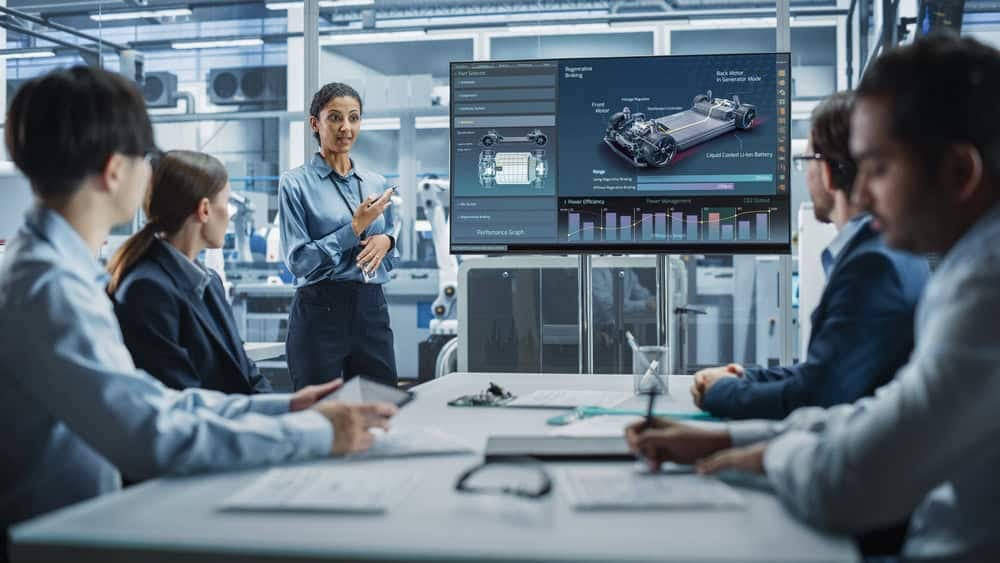
The freedom of not being tied down to a 30-year mortgage or a 5-year car loan is the primary marketing hook for the access economy. But flexibility is a double-edged sword.
When a hardware company like VanMoof- the “Tesla of e-bikes”- declared bankruptcy in 2023, owners found their high-tech bikes could become bricks because the proprietary app and servers went offline.
You have the flexibility to quit, but the provider can disappear. Unlike a 1970s analog bike that can be fixed with a wrench, modern service-based products require the manufacturer’s permission to function.
This loss of agency is leading to a resurgence in the Right to Repair movement, championed by figures like Kyle Wiens of iFixit, who argues that if you can’t fix it, you don’t really own it.
Data Collection Is the Hidden Price of Access

When you rent a car through a service like Zipcar or use a smart appliance, the product is watching you. Access-based models are often Trojan horses for data harvesting.
In a study by Mozilla’s Privacy Not Included project, cars are the worst category for privacy, with 84% of car brands sharing or selling your data.
In an ownership model, a toaster is just a toaster. In an access model, a toaster is a data point that tells a corporation when you wake up, what bread you buy, and where you live. This Surveillance Capitalism, as Shoshana Zuboff calls it, turns the consumer into the product.
The monthly fee is the primary revenue stream; the secondary, often more lucrative, stream is behavioral data sold to advertisers and insurers.
Younger Generations Value Mobility More Than Possessions

The narrative that Millennials and Gen Z prefer experiences over things is widely cited, but the Deloitte Gen Z and Millennial Survey 2023 paints a more nuanced picture. While 40% of these cohorts prioritize travel and freedom, a staggering 50% live paycheck to paycheck.
The preference for mobility might be a psychological defense mechanism against the reality that they cannot afford the ball-and-chain of traditional assets. However, some data support the Nomad trend; the number of digital nomads increased by 131% between 2019 and 2023.
For this group, a heavy wardrobe or a garage full of tools is a liability. They value liquid assets and ‘light living’, suggesting that for a specific segment of the population, the WEF’s prediction of “owning nothing and being happy” is actually a chosen lifestyle.
Ownership Still Signals Security and Status

Despite the rise of the sharing world, the most successful people still buy. Billionaires don’t rent their primary jets; they own them through shell companies.
Ownership remains the ultimate signifier of old money and stability. Non-financial assets, primarily real estate, make up the bulk of the world’s middle-class wealth.
Thorstein Veblen’s Conspicuous Consumption has shifted slightly: owning a physical, dumb version of a product (like a mechanical watch or a vintage car) is now a status symbol, representing an escape from the subscription grid.
Ownership is becoming a luxury boutique experience, while access is the mass-market standard for the general public.
Access Models Shift Risk From Companies to Consumers
In a traditional sale, the manufacturer assumes the risk that the product will sit on a shelf. Once sold, the consumer takes the risk of maintenance. In the as-a-service world, the company claims to take on the maintenance risk, but it often passes the costs back through dynamic pricing.
When the price of electricity or labor rises, your subscription fee rises. You are no longer insulated by the sunk cost of a past purchase.
Furthermore, as seen with companies like John Deere, software locks can prevent farmers from repairing their own equipment, forcing them into expensive service contracts.
This monopoly on maintenance keeps consumers perpetually vulnerable to price hikes they cannot opt out of without losing the tool entirely.
The Circular Economy Argument Makes “Owning Less” Sound Sustainable

The strongest moral argument for owning nothing is the environment. The Ellen MacArthur Foundation argues that a circular economy could reduce CO2 emissions by 45% through product sharing and material recycling. If 10 people share one car, we need to manufacture 9 fewer cars.
However, the contrarian view is that access actually fuels overconsumption. If you have a subscription to clothing (like Rent the Runway or Shein), you might cycle through 50 garments a year instead of owning 5 high-quality ones.
The logistics of shipping, cleaning, and returning rented goods often create a larger carbon footprint than traditional ownership.
Sustainability is the hook, but without strict regulation, it often serves as greenwashing for a model that encourages faster turnover of goods.
Economic Inequality Could Create Two Different Ownership Worlds
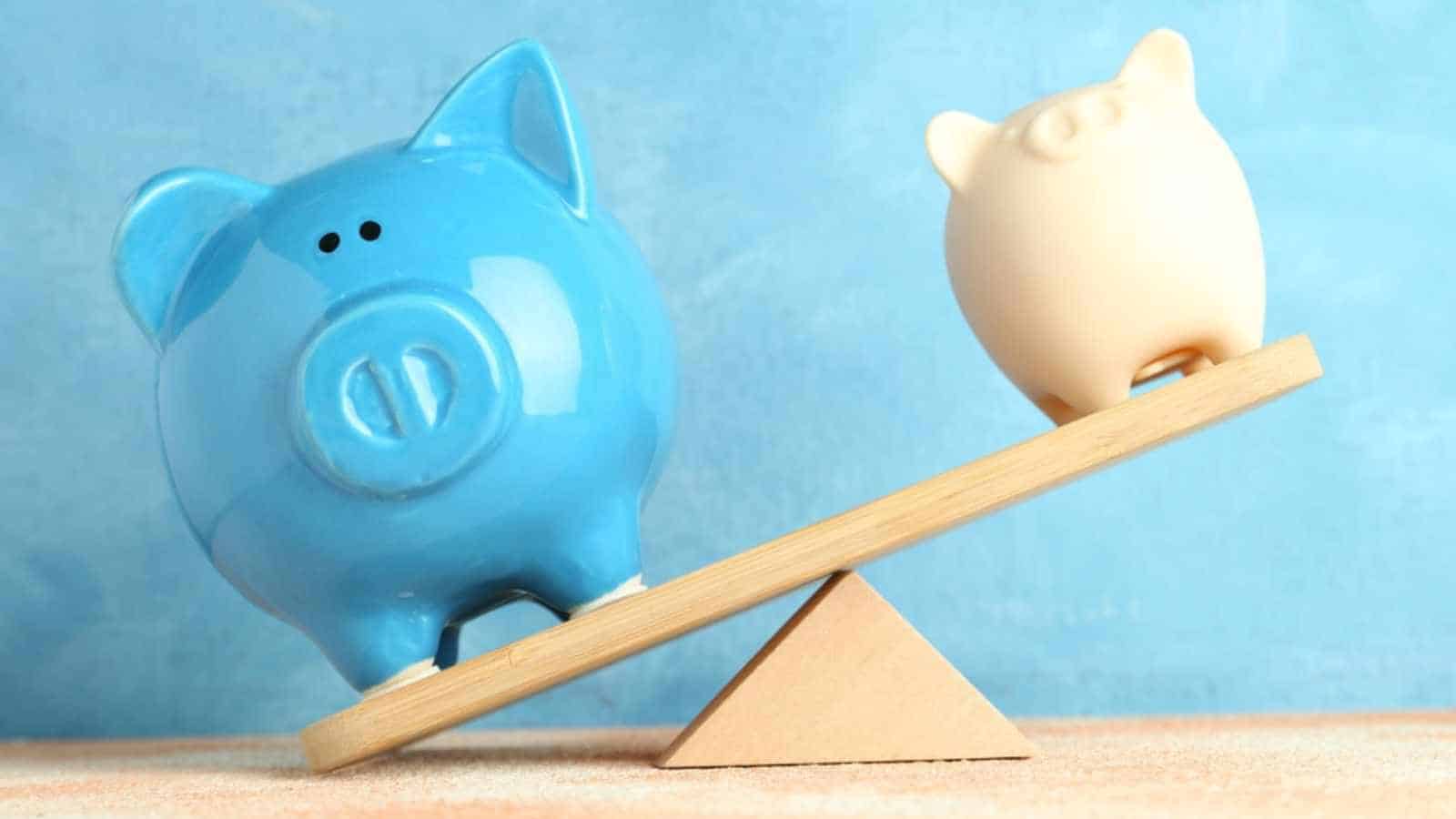
We are trending toward a neo-feudalist structure.
On one side, you have the asset owners: the 10% who own the land, the software patents, and the server farms. On the other hand, you have the subscribers: the 90% who pay rent to the 10% for the right to live, work, and play.
Thomas Piketty’s Capital in the Twenty-First Century points out that when the return on capital ($r$) exceeds the rate of economic growth ($g$), wealth concentrates at the top.
Access models accelerate this by ensuring that the working class never builds equity.
If your entire income is consumed by rent, leases, and subscriptions, your net worth at age 65 will be zero. This creates a two-tier reality: those who own the future, and those who merely stream it.
The Idea Persists Because Technology Keeps Enabling It
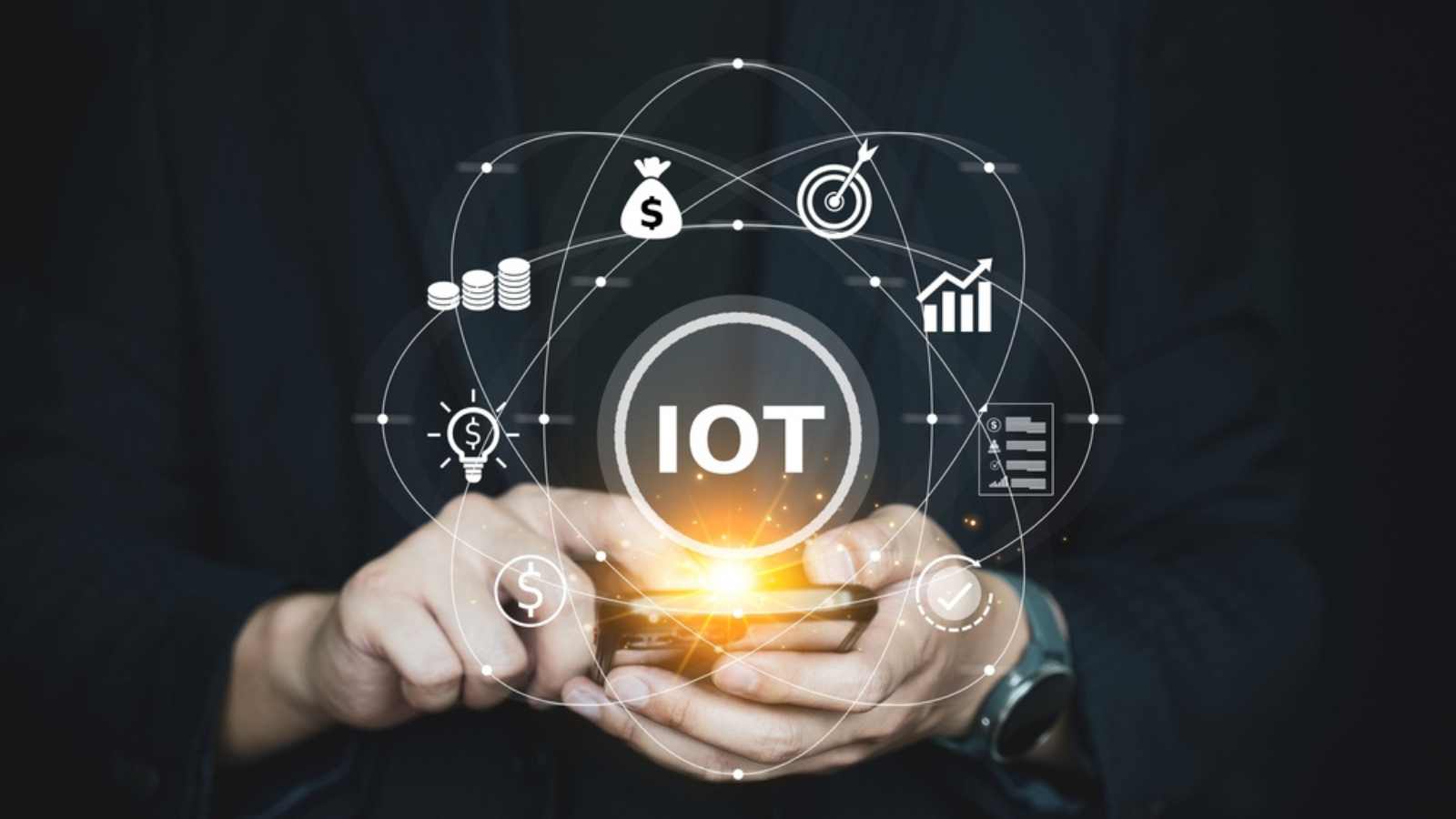
The own nothing future isn’t just a political agenda; it’s a technological inevitability. The Internet of Things (IoT) provides the infrastructure to track and bill every heartbeat of a product.
With 5G and ubiquitous sensors, a company can know exactly how many miles you’ve walked in your subscribed sneakers. This Smart Everything environment eliminates the friction of renting.
Why buy a power tool when a drone can drop a rented one at your door in 10 minutes via an app? As AI optimizes logistics, the inconvenience of not owning things disappears, leaving only the economic and psychological consequences.
The technology is here, the infrastructure is in place, and consumer nervousness is the only thing standing between us and a world where even your front door lock requires a premium monthly fee to stay open.
Key Takeaways

- Ownership is quietly being replaced by access. Subscription models for software, transportation, media, and household products are turning one-time purchases into recurring expenses.
- The sharing economy evolved into platform dependence. Instead of neighbors sharing assets, centralized companies like ride-hailing and rental platforms now control access and pricing.
- Rising housing costs are accelerating the renter economy. Institutional investors and high property prices are pushing homeownership further out of reach for younger generations.
- Digital ownership is often an illusion. Movies, books, and games are increasingly licensed rather than owned, meaning access can disappear when platforms change policies or contracts.
- The future may be split into two economic classes: owners and subscribers. Wealthy individuals accumulate assets while most consumers pay recurring fees to access housing, tools, and services.
Like our content? Be sure to follow us