The second heat dome this month is here. 9 things to do before it peaks
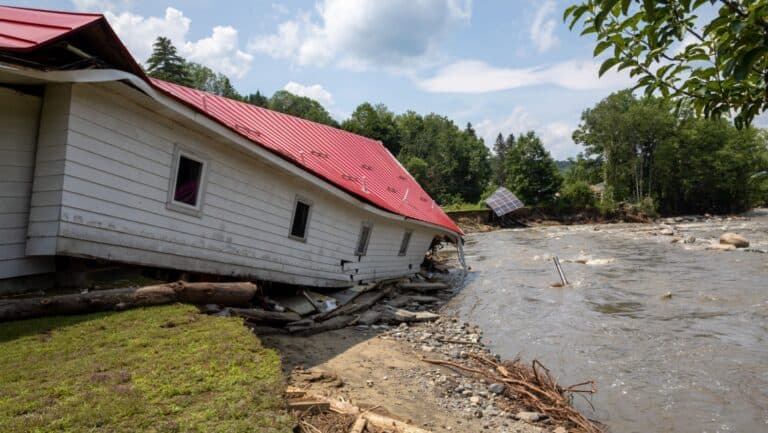
The heat has stopped knocking and started letting itself in. After an early-July heat dome drove temperatures 10°F to 20°F above normal across much of the country, another major episode has pushed temperatures to 115°F in Miles City, Montana, 111°F in Billings, and 109°F in Sheridan, Wyoming. NASA says all three locations set all-time records on July 12, so this heat deserves more preparation than a cold drink and a dramatic complaint about the electric bill.
NOAA’s Climate Prediction Center now flags a moderate risk of extreme heat from July 25 through July 28 across parts of the Southern and Central Plains, Lower Mississippi Valley, and Desert Southwest. Forecasters see chances for heat indexes above 110°F in parts of that zone, while climate scientist Daniel Swain called the broader event “long duration, widespread and high-intensity.” That sounds less like ordinary summer weather and more like a deadline, so handle these nine tasks before the heat dome peaks.
Check HeatRisk, not just the temperature
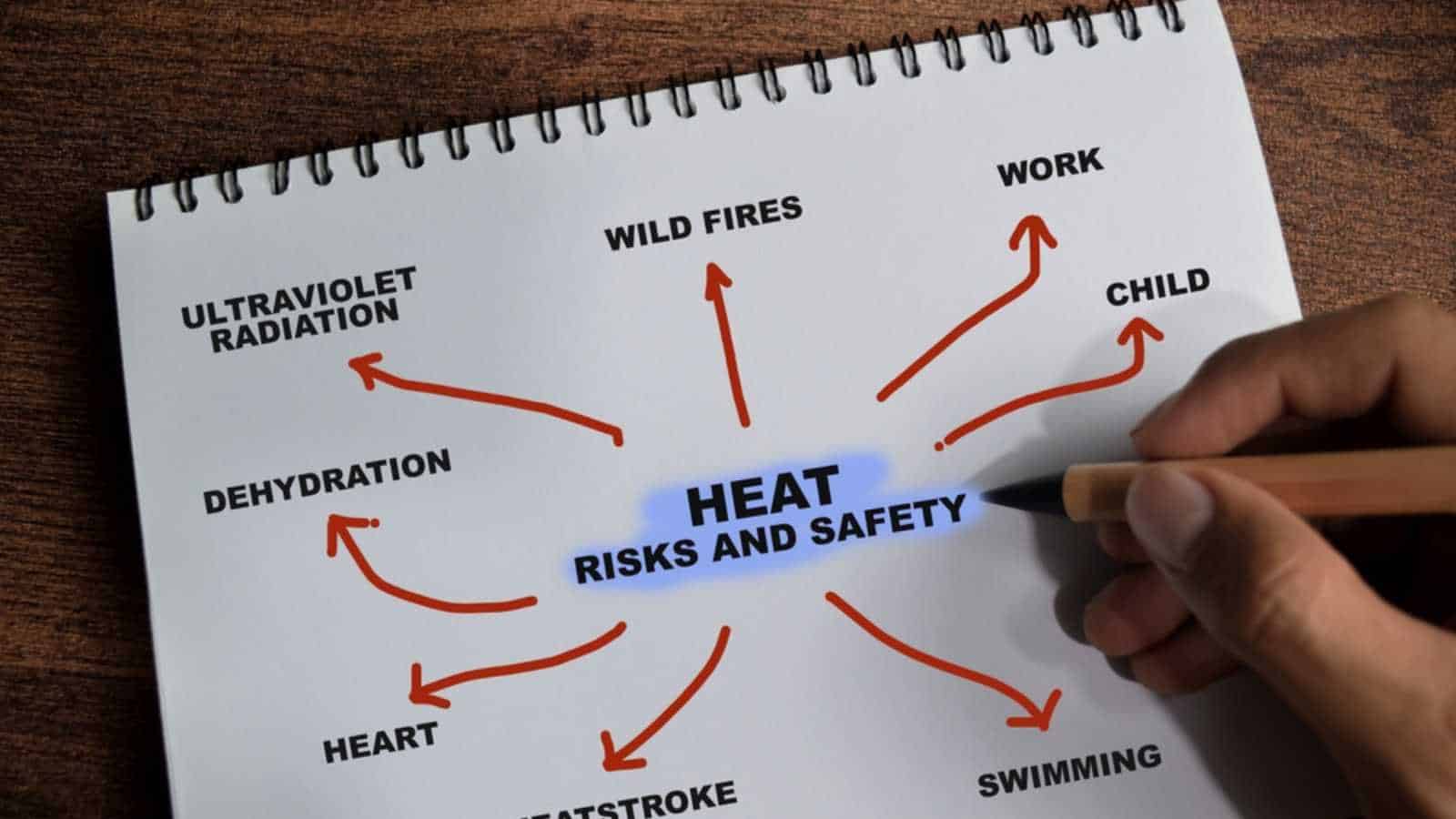
Start with the National Weather Service HeatRisk map and your local hourly forecast, because a plain temperature reading leaves out duration, nighttime heat, humidity, and local tolerance. HeatRisk uses a five-level scale from green to magenta and looks up to seven days ahead. CDC researchers also found that higher HeatRisk levels were associated with higher rates of heat-related emergency room visits in New York during the 2024 warm season, so the colorful map does more than make the forecast look dramatic.
Turn on local emergency alerts, note when your county enters orange, red, or magenta, and check the Air Quality Index at the same time, especially if wildfire smoke drifts into your area. Write down the hottest hours and the warmest overnight period, then plan errands, dog walks, exercise, and work around those windows rather than relying on a generic “avoid the afternoon” rule.
Ever checked a 9 p.m. forecast and found 90°F staring back at you like it pays rent? NOAA notes that warmer nights deny people and infrastructure a chance to cool down, so treat the overnight forecast as part of the emergency.
Turn one room into your cooling headquarters

Test your air conditioner now, replace a dirty filter, and choose one room that you can keep cooler than the rest of the home. Close blinds or curtains on south- and west-facing windows before direct sunlight hits them, keep windows shut when outdoor air runs hotter than indoor air, and avoid heating the kitchen with a long oven session. The Department of Energy says window coverings can limit solar heat gain, while routine air-conditioning maintenance can improve cooling performance and reduce energy waste.
Place a basic indoor thermometer in that room, then move water, chargers, medications, pet supplies, and light bedding nearby. Do not trust a fan as your only defense when the room reaches the mid-90s; the Environmental Protection Agency says fans move air but cannot prevent heat illness at those indoor temperatures. A fan in a 96°F room is not air conditioning with a positive attitude, so move to an air-conditioned building if your home keeps heating up.
Make hydration automatic before thirst shows up

Fill bottles, chill water, and set phone reminders before the heat peaks, because thirst often arrives after your body has already started losing ground. For moderate activity in heat lasting less than two hours, the National Institute for Occupational Safety and Health recommends 8 ounces of water every 15 to 20 minutes. It also advises balanced electrolyte drinks when heavy sweating lasts for several hours and generally caps fluid intake at six cups per hour.
Pair water with regular meals or snacks rather than treating neon sports drinks as magical potions, and limit alcohol plus drinks loaded with caffeine or sugar during the hottest stretch. People with heart, kidney, or fluid-restriction conditions should follow their clinician’s plan instead of copying a one-size-fits-all hydration challenge from social media. My heat-dome rule stays simple: put water where you will see it, carry it before you feel thirsty, and never let “I got busy” become the day’s most avoidable plot twist.
Move outdoor plans away from the real danger hours

Reschedule workouts, yard work, practices, deliveries, and long walks around your local hourly HeatRisk and heat-index forecast. The National Weather Service urges people to postpone outdoor activity during dangerous heat, drink water, and take frequent breaks in the shade when they must go outside. Start earlier, shorten the session, reduce the intensity, and use a buddy system, because ambition does not cool the human body.
Do not assume sunset solves everything. During the latest heat-dome stretch, forecasters expected more than 90 U.S. temperature records to fall or tie, mostly overnight records, and several coastal cities faced nighttime lows near or above 80°F. University of Georgia meteorologist Marshall Shepherd said high overnight temperatures amplify health effects for “the elderly and vulnerable communities,” so check the actual evening numbers before moving a run or children’s practice to 8 p.m.
Pick a cooling destination and solve the ride now

Choose at least two air-conditioned backup locations, such as a cooling center, library, mall, community center, relative’s home, or place of worship, and confirm their hours before the worst day arrives. CDC guidance directs people to 2-1-1, local health departments, and emergency management agencies for help finding air conditioning. Save the address, phone number, route, parking details, pet rules, and closing time, because “we’ll figure it out later” has never improved during a 110°F heat index.
Transportation deserves its own plan. A CDC study in Maricopa County found that heat-related deaths rose from 61 in 2014 to 645 in 2023 even as the county doubled its cooling centers from 56 to 112. However, 31% of cooling-center visitors named transportation as their biggest access barrier, so arrange a ride, fuel the car, load a transit card, identify a helpful neighbor, or ask local services about transportation before the heat peaks.
Review medications and medical equipment

Call your pharmacist or clinician if you use diuretics, some blood-pressure drugs, antihistamines, stimulants, psychiatric medicines, or other treatments that may affect thirst, sweating, circulation, or temperature control. CDC guidance warns that heat and medications can interact in several ways, including dehydration, fainting, electrolyte problems, impaired sweating, and reduced heat loss. Do not stop or change a prescription on your own; ask for a hot-day medication plan instead.
Check storage instructions and move medicines away from cars, garages, sunny windows, and other hot spots. CDC says extreme heat can damage inhalers and EpiPens and reduce the effectiveness of insulin, while power outages can threaten refrigerated medicines and electric devices such as oxygen concentrators or nebulizers. Refill essential prescriptions, charge backup batteries, write down device settings, and keep provider and manufacturer numbers handy before the grid starts sweating too.
Prepare for a power outage and smoky air
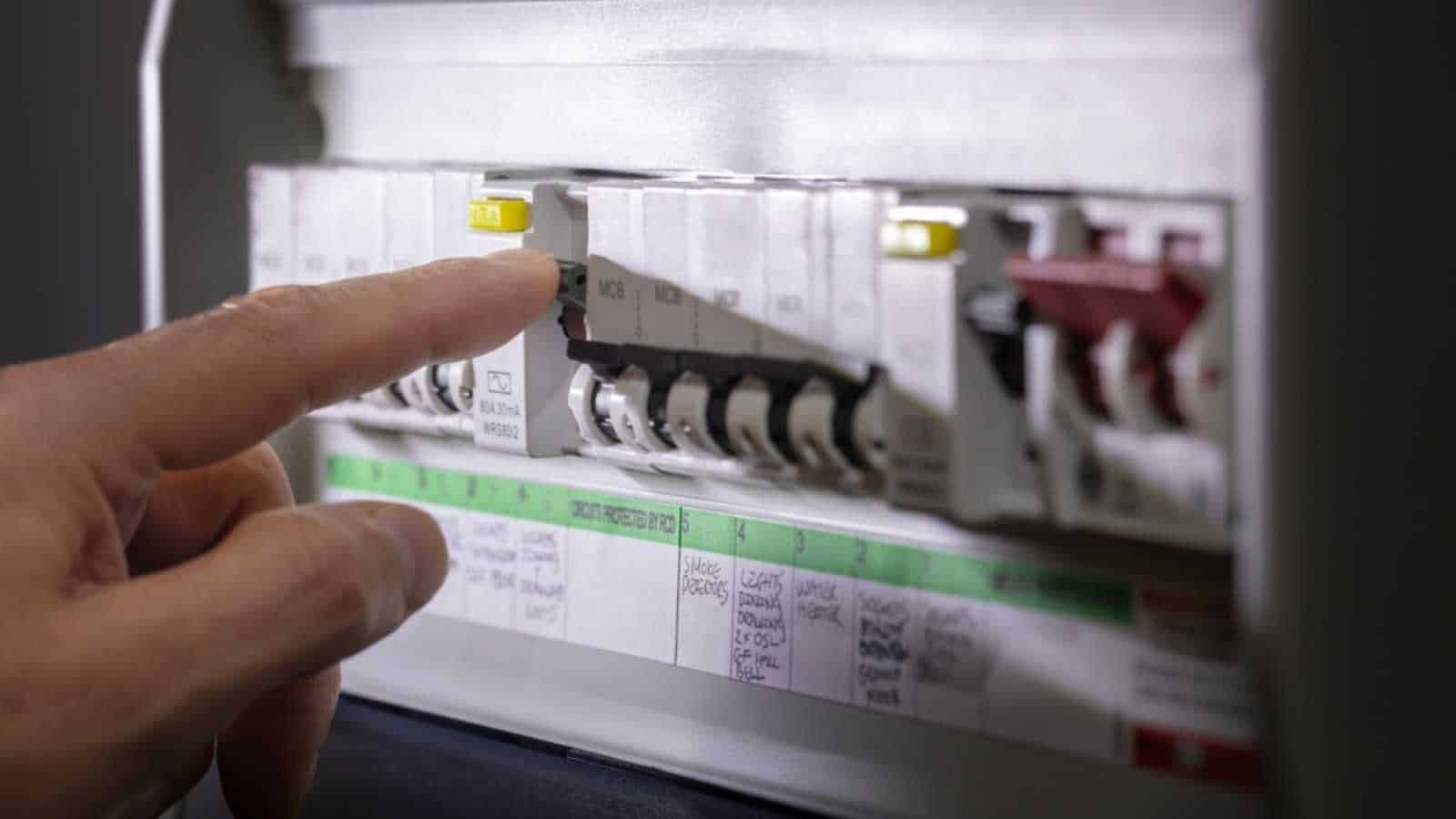
Charge phones, power banks, medical devices, rechargeable lights, and battery fans, then freeze water containers or ice packs that can help keep food and medicine cold. Keep flashlights ready, identify a place with backup power, and store enough easy-to-eat food and water to avoid unnecessary trips during the peak period. On July 17, wildfire smoke placed more than 100 million Americans under air-quality alerts, showing how heat and smoke can combine and turn an open window from a cooling strategy into a lung problem.
Check AirNow before opening windows, and close them when outdoor air carries heavy smoke or is hotter than the air inside. If you use a portable generator, the EPA says you must run it outdoors and at least 20 feet from buildings, never in a garage, shed, or home, because carbon monoxide can kill without warning. That rule does not bend for convenience, weather, extension-cord length, or the classic phrase, “I’ll only run it for a minute.”
Set up check-ins for people, workers, and pets

Make a short list of people at higher risk of heat-related harm, including older adults, infants, pregnant people, outdoor workers, athletes, people with chronic illnesses, and anyone who lives alone or lacks reliable air conditioning. Schedule morning and evening calls, ask specific questions about indoor temperature, water, symptoms, medications, and transportation, and send help if answers sound confused or unusually weak. A vague “you good?” text invites a vague “yep,” which may tell you almost nothing.
Also change work and pet routines before the peak by adding shade, water, rest, shorter shifts, cooler walk times, and a buddy who watches for symptoms. Never leave a child or pet in a vehicle, even with cracked windows; the National Weather Service says a car’s interior can climb 20°F in 10 minutes and 50°F in an hour. Cracking the window offers roughly the same protection as cracking a joke at the sun, so check the back seat during every trip.
Learn the warning signs and rehearse your response
Heat exhaustion often brings heavy sweating, pale or clammy skin, nausea, cramps, weakness, dizziness, or fainting. Move the person to a cool place, loosen clothing, apply cool, wet cloths, and let the person sip water; seek medical help if vomiting starts, symptoms worsen, or symptoms last longer than 1 hour. Public-health scientist Kristie Ebi warned that “mortality starts the second or third day” when repeated hot nights prevent recovery, so do not wait for symptoms to become cinematic.
Treat confusion, collapse, loss of consciousness, a fast, strong pulse, or a body temperature near 103°F or higher as possible heat stroke. Call 911 immediately, move the person to a cooler place, and lower body temperature with cool cloths, a cool bath, ice packs, or sprayed water while help travels; do not give fluids to an unconscious or confused person.
Key takeaway
Check HeatRisk, cool your home, automate hydration, move outdoor plans, secure a cooling destination, review medicines, prepare for outages, check on vulnerable people, and memorize heat-stroke signs before the second heat dome reaches its peak.
Disclaimer – This list is solely the author’s opinion based on research and publicly available information. It is not intended to be professional advice.
Like our content? Be sure to follow us