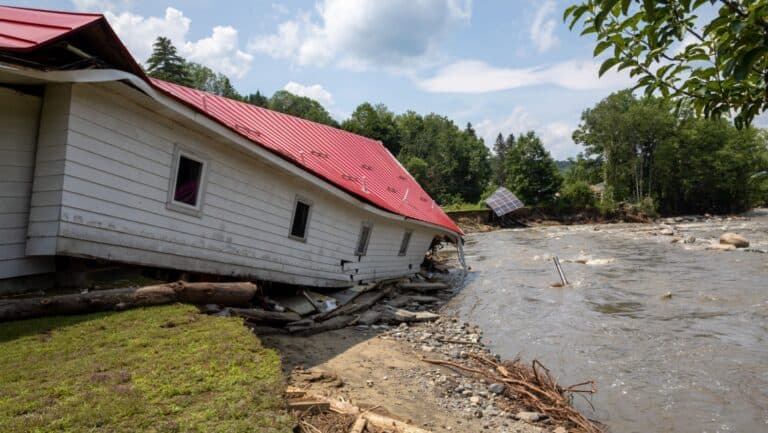
The Texas floods exposed a costly insurance blind spot—9 things every homeowner and renter should check now
You pay your premiums. Maintain your home. Think you’re covered. Then disaster strikes. And your insurance leaves you stranded.
That painful discovery became reality for many Texas residents after the deadly July 4, 2025, Hill Country floods. The disaster claimed around 135 lives and caused an estimated $18 billion to $22 billion in economic losses. Yet many households in the hardest-hit communities had no separate protection against rising water. In Kerr County, one of the areas hit hardest, only about 2.5% of residential properties had active National Flood Insurance Program (NFIP) policies, according to CNBC.
The disaster exposed a problem that stretches far beyond Texas. Across the country, many people have insurance but may still have a costly gap between what they think is protected and what their policy actually covers.
A home does not need to sit beside a river to face serious danger. A bank does not need to demand extra protection for a storm to create financial damage. Before the next major storm arrives, here are nine things every homeowner and renter should review.
The Water Damage Your Home Insurance May Not Pay For

Many people assume homeowners insurance covers any water-related disaster. That assumption can become expensive.
Insurance companies treat different types of water damage differently. A broken pipe inside your home may be handled one way, while water rushing in from outside after heavy rainfall is treated another way.
That difference catches many families off guard.
Imagine walking into your living room after a night of intense storms. The carpet is soaked, your furniture is damaged, and your belongings are ruined. You call your insurer expecting help because you have paid premiums for years. Then you learn your policy does not cover the water that entered from outside.
Many Texas residents discovered this gap after the 2025 floods. According to Investopedia, Standard homeowners policies usually exclude damage caused by rising water, river overflow, flash flooding, and similar events. Separate flood protection is generally needed through the NFIP or private insurers.
Take a few minutes to read your policy documents. Look beyond the word “water” and find out exactly what situations are included.
The FEMA Map Problem That Could Affect Your Home
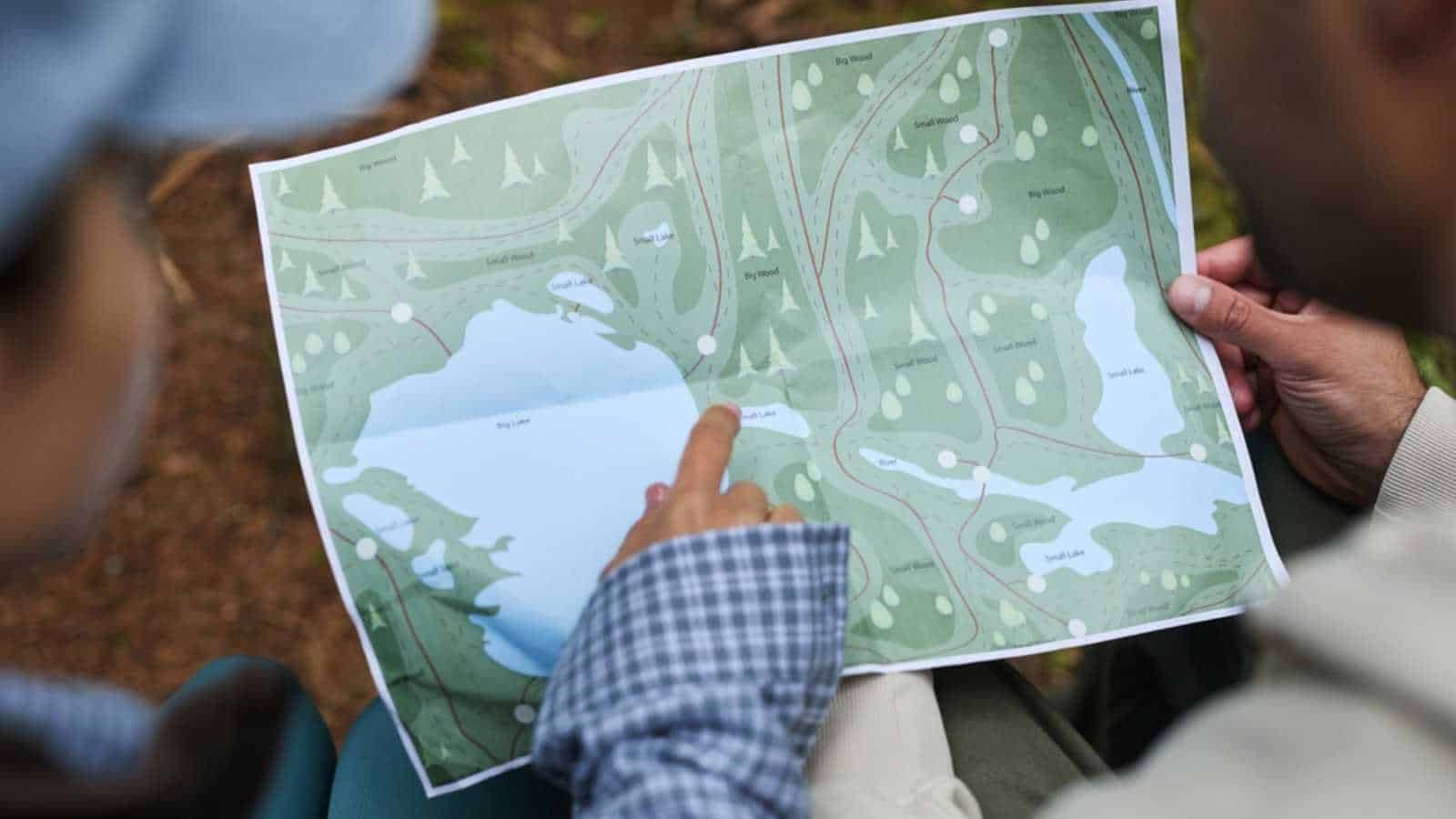
Most homeowners make a quick decision based on one question: “Am I in a flood zone?”
The answer can be misleading. FEMA maps are useful, but they do not capture every place where serious flooding can happen.
The issue is national. Research by Nature estimates that about 26 million people across the contiguous United States live in federally overlooked flood areas. These communities often have lower insurance participation and fewer financial resources available after disasters. In Greater Houston only, nearly one million residents live in areas with at least a 1% annual chance of flooding but outside FEMA’s Special Flood Hazard Areas.
A neighborhood can look perfectly safe during a sunny afternoon and become vulnerable after hours of heavy rain.
Your surroundings matter just as much as the label attached to your property.
Check If Your Mortgage Requirement Is Giving You False Security

One of the most common misunderstandings is thinking a lender’s requirements tell the whole story. They do not.
Federal rules generally require flood insurance only for certain properties with federally backed mortgages that are located in FEMA-designated high-risk areas. That means many homeowners can live with real exposure without ever receiving a warning from their bank.
Your mortgage company is protecting its investment. You are protecting the place where you live, your possessions, and your financial future.
Lisa buys a house outside a mandatory flood zone. Her lender never mentions flood insurance, so she assumes she does not need it. Years later, intense rainfall overwhelms local drainage and floods her neighborhood. The absence of a requirement never meant the absence of danger.
Your home’s location, drainage, and history tell a bigger story than a mortgage requirement.
The Rising Cost Question Behind Flood Insurance

For some households, the challenge is not understanding the risk. It is paying for protection.
Flood insurance pricing has changed in recent years as FEMA introduced Risk Rating 2.0, a system designed to better reflect property-level risk. The change led to more accurate pricing but also increased costs for some policyholders.
Environmental Defense Fund notes that the Risk Rating 2.0 is associated with an 11% to 39% decline in new NFIP policies and a 5% to 13% decline in renewals. The largest drops occurred in places where premiums increased the most.
For families already balancing mortgages, rent, groceries, and other expenses, another monthly bill can feel difficult to manage. Still, canceling protection without exploring alternatives can create a much larger problem later.
Compare different options, understand your deductible, and make sure you know what you are actually buying.
The Coverage Amount That Could Leave You Short

Having a policy does not always mean you have enough protection.
Many homeowners focus on what their property is worth today. After a disaster, the more important question is how much it would cost to repair or rebuild.
Damage from severe storms can go far beyond walls and floors. Appliances, furniture, electronics, clothing, and personal items can add up quickly.
NFIP residential policies typically provide up to $250,000 in building coverage and up to $100,000 for contents coverage. For some households, those limits may not replace everything lost after a major event.
Take a fresh look at your policy limits. Your home may have changed since you first bought insurance, especially after renovations or major purchases.
A policy that worked five years ago may not match your life today.
The Hidden Warning Signs Around Your Neighborhood

Flood risk does not always arrive with a warning.
Sometimes it shows up in small ways: a street that turns into a stream after heavy rain, a backyard that stays muddy long after a storm passes, or a drainage system that cannot keep up when the clouds open.
Those signs may seem harmless during normal weather, but they can reveal how water moves through your neighborhood when conditions become extreme.
Pay attention to what happens around your home during storms. Notice where water collects, ask longtime neighbors about past flooding, and learn how your area handles heavy rainfall.
Your home’s biggest risk may not be written on a sign or shown on a map. Sometimes the warning signs are already right outside your door.
The Reality of Disaster Aid After Your Home Is Damaged

Many people assume government assistance will cover the damage if their insurance is not enough. That belief can lead to a difficult surprise.
Disaster aid can provide important assistance after a major event, but it is not meant to replace comprehensive insurance coverage. It may help with immediate needs, but rebuilding a damaged home, replacing lost belongings, and covering major repairs can cost far more than many families expect.
A flooded house can leave behind ruined floors, damaged walls, broken appliances, and personal items that are difficult to replace.
Government support can help you get back on your feet after a disaster. But having the right insurance in place can make the difference between recovering and struggling for years.
The Renters Insurance Gap Many Tenants Miss

Renters often think insurance is mainly a homeowner’s concern. That is a mistake.
Your landlord’s policy usually protects the building, not everything you own inside it. If rising water damages your furniture, electronics, clothing, or personal items, you may be responsible for replacing them.
Many renters assume the property owner’s insurance covers their belongings. That misunderstanding can become more painful after a disaster.
They are among the groups with lower flood protection, even though many live in areas vulnerable to severe weather.
Review your renters policy carefully. Know what it covers, what it excludes, and what options exist for protecting your belongings.
The Records That Could Make Recovery Easier

After a disaster, one of the hardest questions you may face is simple: “What exactly did I lose?”
When your home has been damaged, stress and confusion can make it difficult to remember every item that was inside. That is why keeping records before anything happens can make recovery much easier. Photos and videos of your home, receipts for valuable items, and notes about renovations can help you show what was damaged and what needs to be replaced.
Taking a few minutes to document your home while everything is normal can save you from a much bigger challenge later. It may feel unnecessary on a quiet day, but after a disaster, those small steps can become incredibly valuable.
Key Takeaways

The Texas floods revealed a costly mistake many homeowners and renters make: assuming they are fully protected simply because they have insurance. Standard homeowners policies often do not cover damage from rising water, so separate flood protection may be needed.
Flood risk is not limited to homes near rivers or coastlines. FEMA maps do not always capture every vulnerable area, and millions of Americans live in locations where serious flooding can happen outside traditional high-risk zones.
Your mortgage company’s requirements are not the same as your personal protection needs. A lender may not require flood insurance, but that does not mean your home is safe from severe weather damage.
Insurance coverage should match your real situation. Review your policy limits, understand what is excluded, and ensure your belongings and rebuilding costs are covered.
Renters should remember that a landlord’s insurance usually protects the building, not their personal belongings. Your furniture, electronics, clothing, and other possessions may need separate protection.
Disaster assistance can help after a major event, but it is not a replacement for insurance. Preparing before a storm gives you a much better chance of recovering after one.
The biggest lesson from the Texas floods is simple: the best time to discover an insurance gap is before water reaches your home.
Disclaimer – This list is solely the author’s opinion based on research and publicly available information. It is not intended to be professional advice.
Like our content? Be sure to follow us