These 12 parenting hacks were standard in 1970—now they’re considered neglect
Looking back at the casual freedoms of seventies childhood reveals how dramatically our understanding of risk, safety, and responsibility toward children has changed.
Back in the days of disco and bell-bottoms, parents had a completely different rulebook for raising their kids. You probably remember piling into the back of a station wagon without a seatbelt in sight while your folks puffed on cigarettes up front.
It was a freewheeling era where scraped knees and roaming the neighborhood until the streetlights flickered on were just part of growing up. Things were definitely simpler then, but safety standards were practically non-existent by modern rules.
Let us take a trip down memory lane and look at twelve normal things parents did back then that are now totally forbidden.
Riding In The Back Of A Pickup Truck

There was nothing quite like the thrill of tossing a bunch of neighborhood kids into the truck bed for a breezy ride to the local swimming hole. It felt like the ultimate summer adventure, complete with wind whipping through your hair and zero regard for traffic laws. Back then, folks figured a tailgate was all the protection a bunch of rowdy youngsters needed.
Today, letting your child ride unsecured in a truck bed is a massive red flag for severe neglect. The National Highway Traffic Safety Administration reports that in 2023, 43% of children killed in car crashes were unrestrained. We now know that one sudden stop or minor fender bender could easily result in a devastating tragedy.
Leaving Kids In The Car While Shopping

Running into the grocery store for a gallon of milk used to mean leaving the kids parked in the driveway with the windows cracked. Moms and dads simply assumed their children would sit tight and listen to the radio for a few minutes. It was considered a practical shortcut rather than a dangerous gamble with a child’s life.
Modern parents understand that a parked vehicle can turn into a deadly oven in a matter of minutes. According to the National Highway Traffic Safety Administration, 39 children died of heatstroke in vehicles in 2024, representing a 35% increase from the previous year. Nobody takes that horrific risk anymore, as even a quick errand can end in an unimaginable disaster.
Sending Kids Out To Play Until Dark

Parents routinely shoved their kids out the front door after breakfast with the strict instruction to return only when the streetlights turned on. You were expected to entertain yourself all day with whatever sticks, stones, and imaginary games you could invent. It was the golden age of free-range childhood, where adults rarely checked in on your whereabouts.
Letting a young child wander the neighborhood unsupervised all day is now a quick way to alarm the entire community. Safe Kids Worldwide reports that teenagers ages 15 to 19 have a pedestrian death rate twice that of younger children, accounting for half of all child pedestrian deaths. Parents now carefully monitor outdoor playtime to protect their kids from fast cars and unpredictable strangers.
Secondhand Smoke In Enclosed Spaces

Lighting up a cigarette in the living room or the family sedan was completely normal behavior for adults in the seventies. Kids sat in the backseat, breathing in thick clouds of smoke while rolling down the window just a crack for fresh air. Nobody thought twice about the lingering haze that coated the walls and filled little lungs.
Doctors have since proven that exposing growing children to cigarette smoke causes severe respiratory issues and lifelong health problems. The World Health Organization reports that secondhand smoke causes around 1.6 million deaths annually worldwide, including thousands of deaths among children and adolescents. Breathing clean air is a non-negotiable right for kids today, and smoking indoors with minors is heavily frowned upon.
Using Whiskey On Teething Gums

When a baby started fussing over painful new teeth, grandma’s favorite remedy was rubbing a little bourbon straight on the gums. A quick dab of strong liquor was widely praised as the best way to numb the pain and put a crying infant to sleep. It was a folk remedy passed down through generations without a single worry about the alcohol content.
Handing any amount of hard liquor to an infant is currently considered dangerous and highly abusive. Pediatricians strongly warn that even tiny drops of alcohol can cause serious toxicity and dangerous drops in a baby’s blood sugar. Today, we rely on safe teething rings and approved pediatric pain relievers to soothe our crying babies.
No Helmets For Bicycle Riding

Every kid had a shiny bicycle with a banana seat, but absolutely nobody wore a helmet while popping wheelies in the street. Strapping a piece of hard plastic to your head would have made you the laughingstock of the entire neighborhood. Scraped elbows and the occasional bump on the noggin were just the accepted price of admission for a fun afternoon.
Riding a bike bareheaded is now widely recognized as a completely unnecessary risk for serious brain trauma. According to the CDC, there are an estimated 120,000 emergency department visits annually for bicyclists treated for non-fatal crash-related injuries. Helmets are now mandatory accessories that save countless lives and prevent permanent neurological damage.
Babysitting Younger Siblings At Age Seven

It was totally standard practice to leave a second grader in charge of the toddlers while parents went out for a dinner date. A seven-year-old was basically considered a fully capable adult who could easily heat frozen dinners and manage bedtime routines. People simply trusted that older siblings would step up and handle any minor emergencies that popped up.
Leaving a small child to supervise even smaller children is now universally viewed as a recipe for disaster. Child welfare experts agree that kids under twelve lack the cognitive maturity to handle a real crisis like a fire or severe injury. Parents now hire trained teenage sitters or adult professionals to watch their little ones.
Applying Mercurochrome To Open Wounds

Every medicine cabinet in America contained a little glass bottle of Mercurochrome for treating everyday playground scrapes. Mothers generously painted this bright red liquid onto fresh cuts, completely ignoring the intense stinging sensation it caused. It was the universal bandage of the decade, leaving a trail of neon orange knees across the country.
Medical professionals eventually realized that this popular antiseptic was actually packed with toxic mercury. Macsen Labs reports that the FDA completely halted the sale of Mercurochrome in 1998 because the potential for mercury poisoning heavily outweighed any antibacterial benefits. Modern parents stick to simple soap, water, and safe antibiotic ointments to heal those minor injuries.
Sunbathing With Baby Oil And No Sunscreen
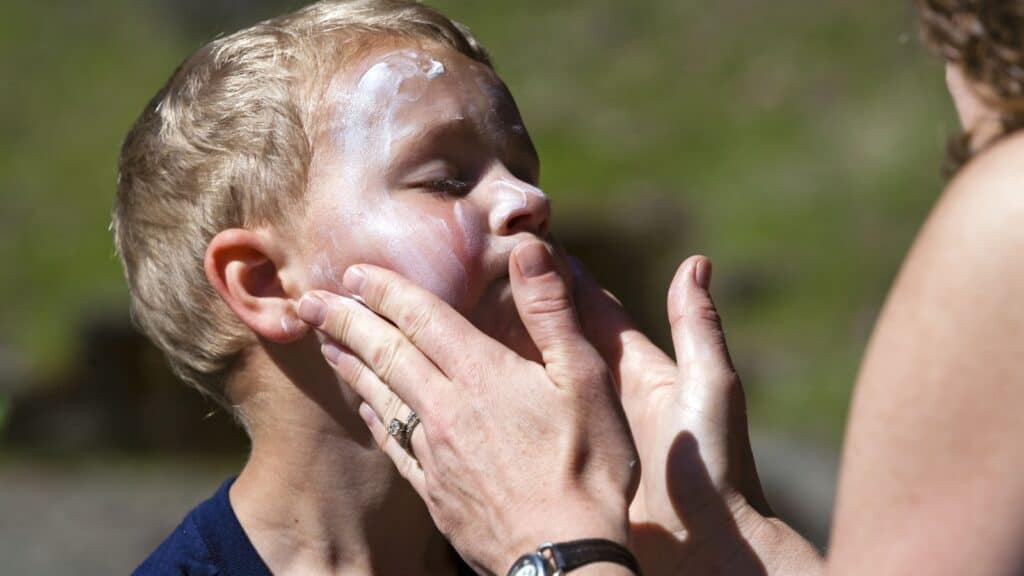
Slathering on baby oil to catch a deep, dark tan was the ultimate summer goal for teens and their parents alike. Nobody bothered with sunscreen, preferring to bake by the pool until they reached the perfect shade of bronze. Peeling shoulders and painful pink skin were just minor inconveniences on the path to a glorious summer glow.
Dermatologists now cringe at the thought of intentionally roasting unprotected skin under harsh ultraviolet rays. The American Academy of Dermatology states that experiencing five or more blistering sunburns between the ages of 15 and 20 increases your melanoma risk by 80 percent. Slathering kids in high SPF sunblock is now a vital part of basic daily hygiene.
Feeding Babies Solid Food At Two Weeks

Moms were often told that adding a scoop of rice cereal to a newborn’s evening bottle would help the baby sleep through the night. Parents proudly started spoon-feeding mushy solids to infants who were barely a few weeks old. It was considered a great trick for keeping fussy babies full and giving exhausted mothers a break.
Modern pediatric guidelines clearly state that introducing solid foods too early can choke a baby and disrupt their delicate digestive system. Doctors now recommend exclusively breastfeeding or formula feeding until an infant is at least six months old. Rushing the transition to solid meals is recognized as a major choking hazard rather than a clever hack.
Letting Kids Drink From The Garden Hose

Stopping a game of tag to gulp down warm water directly from the backyard hose was a quintessential childhood experience. You simply let the water run until the metallic taste faded, completely ignoring the grime on the brass nozzle. It kept everyone hydrated without tracking muddy sneakers across the clean kitchen floor.
Public health officials now warn that those old rubber hoses are breeding grounds for harmful bacteria and toxic chemicals. Many older garden hoses were manufactured with lead and other dangerous compounds that easily leach into stagnant water. Today, kids carry insulated, reusable water bottles to stay safely hydrated during outdoor play.
Riding Without Proper Car Seats

Before the era of strict safety laws, toddlers basically used the expansive back seat of the family sedan as a personal jungle gym. Parents often let their little ones stand up between the front seats to get a better view of the road. If a family actually owned a car seat, it was usually a flimsy plastic bucket that hooked loosely over the upholstery.
Buckling a child into a crash-tested, age-appropriate car seat is now the most critical rule of modern parenting. Law enforcement officers will immediately issue hefty fines and report parents who allow kids to ride unrestrained. We now understand that proper restraints are the only thing standing between a child and a catastrophic accident.
Like our content? Be sure to follow us.