Walmart Knows When You’re Stealing — Here’s How
That pause at the self-checkout is not random, Walmart’s systems may have already flagged your cart.
Walmart, the world’s largest retailer, has stepped up its theft-prevention measures in a major way — targeting everything from organized retail crime to simple “missed scans” at self-checkout. With billions of dollars in losses each year, advanced monitoring technology now plays a pivotal role in protecting stores, products, and honest shoppers.
Why Theft Detection Matters More Than Ever

Retail theft isn’t petty — it’s a massive, industry-wide problem. Rising cases of self-checkout fraud and organized shoplifting have forced major chains like Walmart to invest heavily in new loss-prevention strategies. Analysts estimate U.S. retailers lose tens of billions annually to inventory shrink — a blend of theft, fraud, and operational errors.
Those losses ripple through every corner of retail, often leading to higher prices, fewer staff, and tighter store security for everyday customers.
How Walmart Detects Potential Theft

Walmart now uses a multi-layered detection system that combines cutting-edge AI with traditional monitoring. From checkout cameras to smart sensors, here’s how the tech works behind the scenes.
AI-Powered Self-Checkout Monitoring

At many locations, Walmart operates AI-driven systems that watch for discrepancies between what’s scanned and what’s bagged. If an item appears in the bagging area without a corresponding scan, the system temporarily freezes the checkout and sends an alert for an associate to review the situation.
These systems rely on video analytics and object recognition to distinguish genuine errors from suspicious behavior — a digital watchtower in real time.
Invisible and Hidden Barcodes

Some Walmart products now feature “invisible” or enhanced barcodes readable from multiple angles. These scannable markers — often imperceptible to shoppers — make it harder to intentionally conceal barcodes or angle products to evade detection.
The innovation stems from collaborations with specialized tech suppliers who design packaging that safeguards against both accidental and intentional mis-scans.
RFID and Other Scanning Technologies

Although still in testing phases, Walmart has explored radio-frequency identification (RFID) and similar high-tech tagging systems to track inventory from shelf to register. Unlike traditional barcodes, RFID tags don’t require line-of-sight scanning and can verify multiple items simultaneously.
In the long run, RFID could enable near-effortless cart verification — a potential future where self-checkout becomes nearly foolproof.
Electronic Article Surveillance (EAS)

Those familiar security tags and exit sensors haven’t gone anywhere. Electronic Article Surveillance remains a reliable frontline defense. If an item leaves the store without proper deactivation at checkout, antennas will trigger an alert at the doors.
What Happens If the System Flags You?
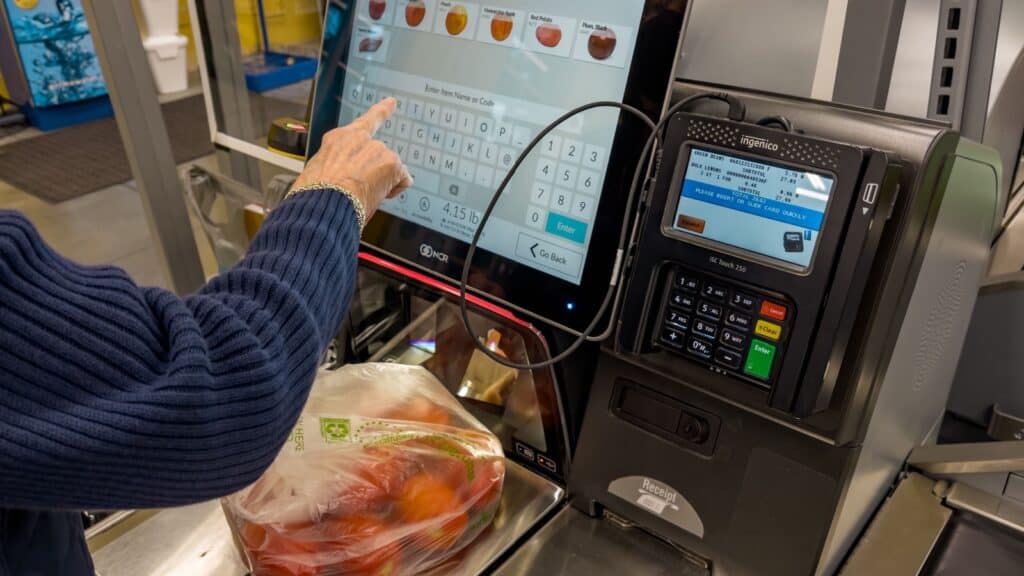
If an error or skipped scan is detected, the self-checkout lane may:
- Lock temporarily until an associate reviews the issue.
- Display a message such as “Associate is on the way.”
- Highlight or replay a clip showing the potential missed item.
In most cases, it’s an honest mistake, a misplaced item, double bag, or awkwardly positioned barcode. Walmart associates are trained to assist, not accuse, ensuring the issue is resolved quickly and respectfully.
Is Walmart Tracking Your Face or Following You Around?

Rumors of Walmart secretly tracking customers with facial recognition have circulated online, but verified reports and official statements don’t support this. Walmart has said it does not use facial identification to track shoppers, focusing instead on behavioral monitoring and checkout analytics.
Privacy advocates, however, continue to monitor whether future rollouts of AI could blur the line between loss prevention and surveillance..
What Theft Prevention Means for Shoppers

Enhanced theft detection can feel intrusive, especially if the system mistakenly flags a purchase. Still, the goal is deterrence, not intimidation. Better monitoring reduces theft-related costs — and those savings can help stabilize prices and support store investment.
For most customers, it’s simply a brief pause, a side effect of Walmart’s effort to protect both its bottom line and the integrity of self-checkout convenience.
A Constantly Evolving Technology Landscape
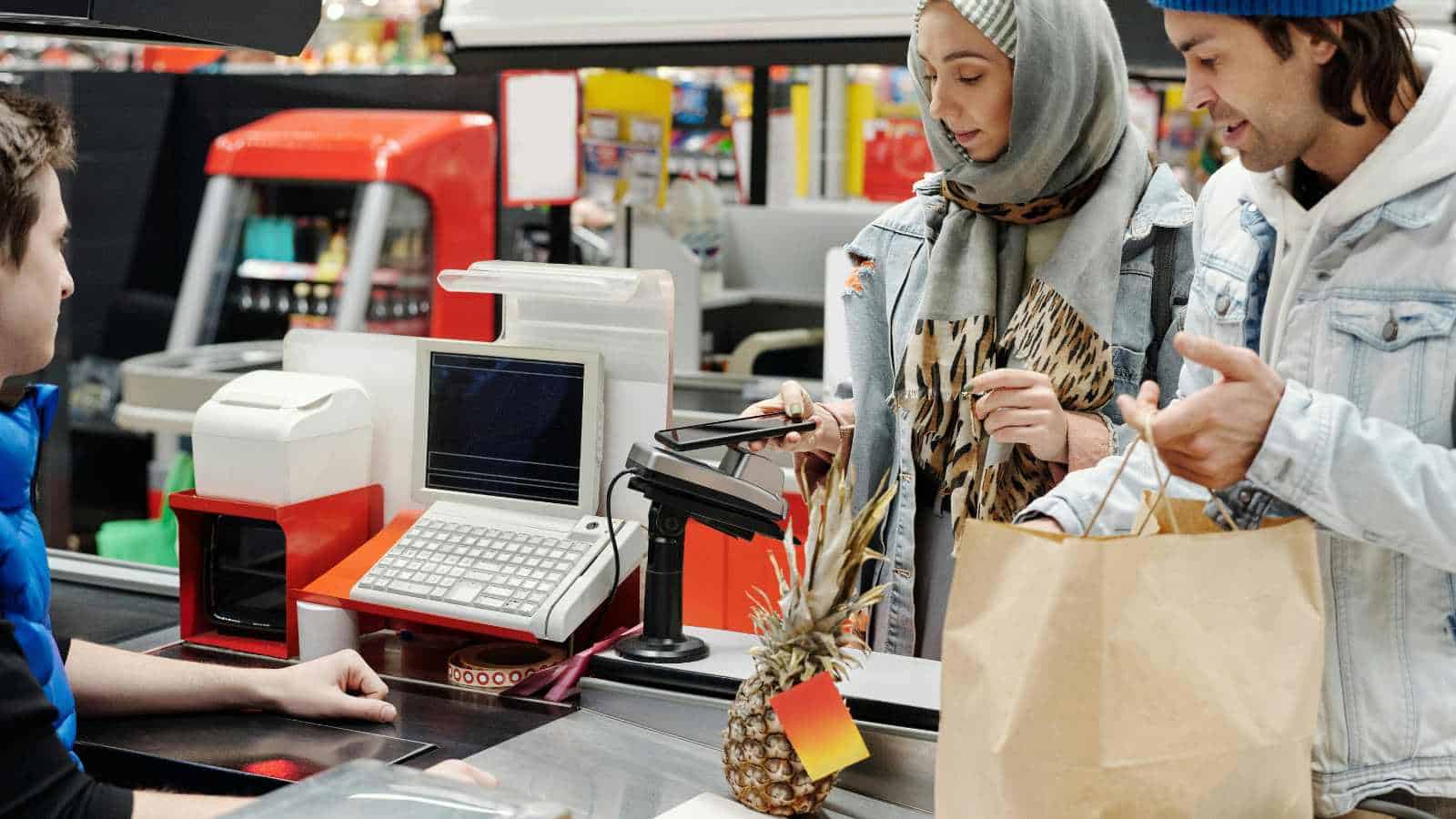
Modern retail security is in constant motion. Walmart’s systems evolve with new data and innovation — from smarter cameras to AI-powered weight sensors — in pursuit of a delicate balance: maximum protection with minimal disruption.
As technology refines, the self-checkout of tomorrow may become both more secure and more seamless than ever before.
Are You Being Tracked Without A Warrant? How Tools Like Locate X Threaten Your Privacy
Read: Are You Being Tracked Without A Warrant? How Tools Like Locate X Threaten Your Privacy
With a few clicks, an analyst can rewind a person’s movements across days and cities, all through a tool that rarely leaves a paper trail.
Locate X, a powerful location tracking tool developed by data broker Babel Street, has sparked controversy due to its widespread use by government agencies for surveillance without warrants. As reported by Vice, this tool allows users to monitor the precise movements of mobile devices, raising significant concerns about privacy and civil liberties in the digital age. Read more.