Western Monarch Day warns us about loss we barely notice
The most unsettling declines aren’t sudden collapses but slow thinnings that force us to realize, too late, that “still here” is not the same as safe.
Western Monarch Day appears on the calendar every February 5, and most people never notice it has arrived. There is no advertising push announcing its approach, no seasonal décor tied to it, and no cultural shorthand that signals its meaning at a glance. Even among people who care about environmental issues, the day often requires explanation. That invisibility is not an accident or a failure of outreach. It reflects the exact kind of loss the day exists to confront. Western Monarch Day exists because some forms of disappearance happen so gradually, and so quietly, that they do not register as crises until the system they depend on is already dangerously weakened.
The western monarch butterfly population has been declining for decades, but its story has never fit neatly into the way environmental decline is usually framed. There was no single moment of destruction. No dramatic before-and-after. No singular event that forced the public to pay attention. Instead, there was a slow unraveling of the conditions that made survival possible, spread across landscapes people see every day, and decisions that felt too small to matter at the time they were made.
The butterfly did not vanish. It thinned.
That distinction is critical because thinning is psychologically easy to accept. It allows people to adjust expectations downward without ever confronting the reality that something foundational is being lost.
The Monarch Story People Think They Know
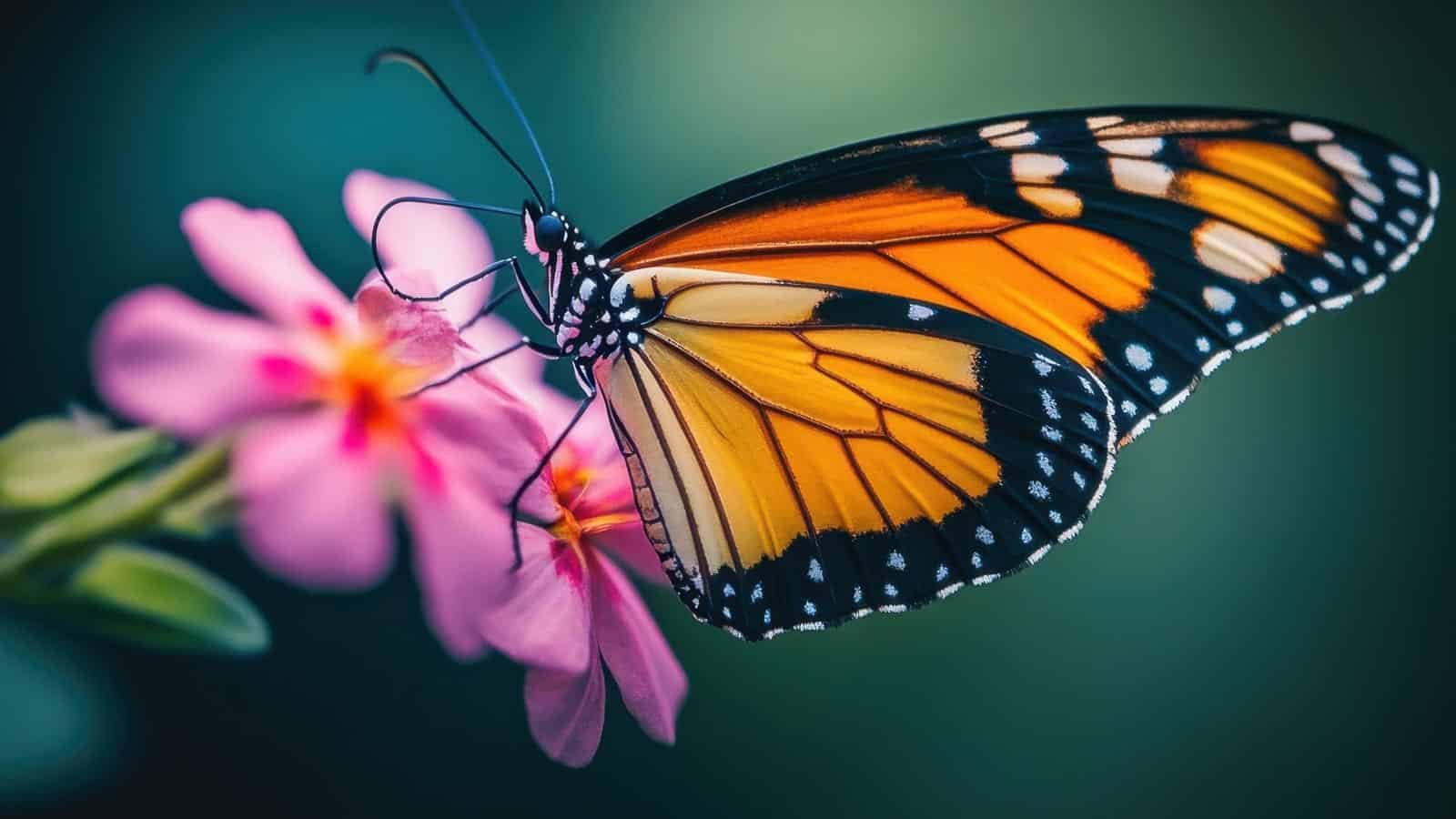
For many Americans, the monarch butterfly is already a familiar symbol. It appears in school lessons, documentaries, children’s books, and environmental campaigns. Most people can describe its migration to Mexico, the way millions of butterflies cluster together in forests, and the idea that this fragile insect somehow completes an epic journey generation after generation. That story is real, but it is not the whole story.
It centers almost entirely on the eastern monarch population.
West of the Rocky Mountains, monarch butterflies follow a different migratory pattern. They do not travel to Mexico. Instead, they migrate shorter distances and overwinter along the California coast, gathering in specific groves of eucalyptus, pine, and cypress trees. These overwintering sites are often located near beaches, residential neighborhoods, highways, and public parks. They are not hidden or remote.
People walk beneath them, park beside them, and pass them on daily commutes without realizing what is happening above.
This proximity to everyday life has made the western monarch easier to overlook. When wildlife exists alongside human routines, it is often assumed to be adaptable by default. Its needs are treated as flexible. Its presence is taken for granted.
For many years, that assumption seemed harmless.
A Life Cycle Built on Predictability
Western monarchs are not especially demanding creatures, but they are precise ones. Their survival depends on a chain of conditions that must align reliably over time. Milkweed is essential, as it is the only plant monarch caterpillars can eat. Nectar plants are necessary for adult butterflies to fuel migration and reproduction. Overwintering groves provide the microclimates that protect monarchs from temperature extremes, storms, and dehydration during the colder months.
None of these requirements are extraordinary on their own. What makes the system fragile is that it relies on consistency rather than abundance. Monarchs do not need vast untouched wilderness. They need landscapes that change slowly enough for their life cycle to remain synchronized with the seasons.
Over time, that synchronization began to fail.
Roadside milkweed disappeared as herbicide use became routine. Agricultural efficiency eliminated the margins where native plants once grew. Landscaping trends favored ornamental species that offered visual appeal but no ecological support. Coastal development removed or fragmented overwintering groves, often incrementally, one property at a time.
Each decision made sense in isolation. Together, they narrowed the range of conditions under which monarchs could survive.
How Decline Happens Without Feeling Like a Crisis
Environmental decline is often imagined as sudden and visible. A wildfire burns through habitat. A chemical spill poisons water. A species is declared endangered after a clear collapse. The western monarch decline did not follow that pattern. For decades, winter counts along the California coast suggested a population that, while fluctuating, remained substantial. Numbers in the hundreds of thousands created a sense of stability that masked growing vulnerability.
As conditions worsened, the population thinned unevenly. Some years showed partial recovery. Other years showed sharper drops. The variability made it easy to believe that the system was self-correcting, even as its margins narrowed.
By the late 2010s, winter counts revealed just how far the population had fallen. At its lowest recorded point, fewer than two thousand western monarchs were counted across all known overwintering sites. For scientists and conservationists, this represented a near-collapse. For the general public, it barely registered.
There were no dramatic images to circulate. No single cause to point to. The butterflies were still present, just vastly reduced.
Gradual loss does not trigger an alarm in the way a catastrophe does. It allows people to normalize decline without consciously acknowledging it.
Why Western Monarch Day Happens in February
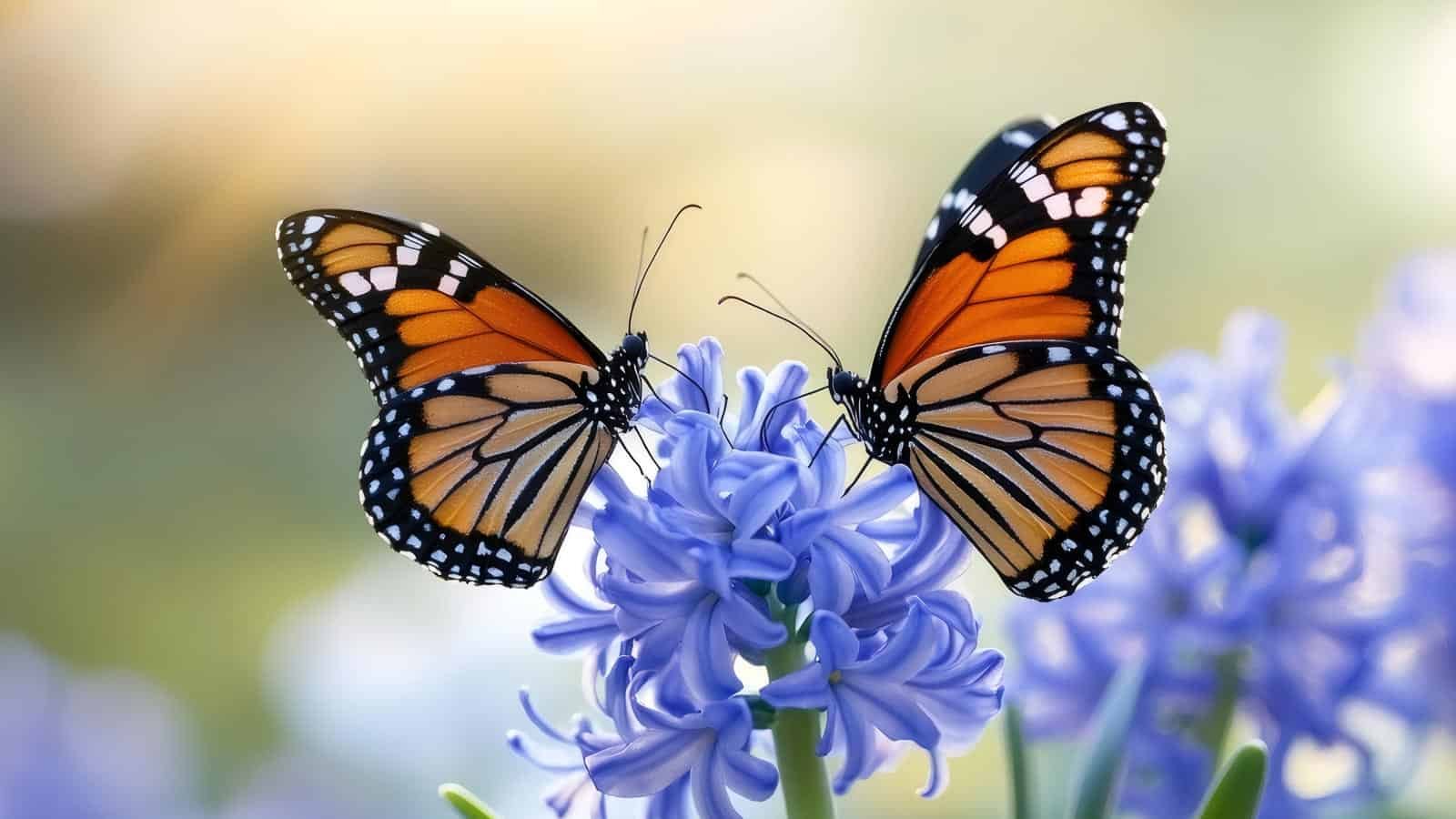
Western Monarch Day is observed on February 5 because it coincides with the end of the overwintering season. This timing is not symbolic or arbitrary. It is practical. February is one of the last points in the year when western monarchs are still clustered together in their overwintering groves, making it possible to assess the population as a whole.
Once dispersal begins, monarchs spread across wide geographic areas to breed. At that point, population health becomes harder to measure and easier to underestimate. The clustering period offers a rare moment of visibility, when trends cannot hide behind dispersal or anecdote.
Western Monarch Day exists in this narrow window because it emphasizes attention grounded in observation rather than memory. It asks people to look while evidence is still present, not after absence becomes the only indicator left.
The Problem With Treating Monarchs as Purely Symbolic
Monarch butterflies are often used as symbols of environmental health, transformation, or resilience. While symbolism can be powerful, it can also obscure reality. Symbols encourage emotional response without demanding structural understanding. Western monarchs are not metaphors. They are participants in a system shaped by land use decisions, agricultural practices, climate stability, and long-term planning.
Their decline mirrors broader patterns affecting pollinators and wildlife across North America. Habitat fragmentation, chemical dependency, and climate volatility rarely affect a single species in isolation. They weaken ecosystems cumulatively, often without obvious warning signs.
Western Monarch Day pushes against sentimental environmentalism. It does not ask people to admire a butterfly. It asks them to recognize how systems fail when stress is applied gradually and consistently.
What the Day Is Really Warning About
Western Monarch Day is not a celebration and it is not a solution. It is a signal. It marks a moment when attention can still make a difference, but only if it extends beyond a single day. The western monarch population has shown signs of partial recovery in some years, but recovery does not equal security. Lost habitat is not automatically restored. Narrow margins remain narrow.
The deeper question the day raises is uncomfortable. How many other species are thinning right now without triggering alarm because their disappearance is slow enough to feel manageable?
The butterfly is not the message. The pattern is.
Western Monarch Day exists to remind us that disappearance does not always arrive with noise. Sometimes it arrives quietly, while routines continue uninterrupted. Whether the western monarch remains part of the landscape will depend on whether attention becomes consistent rather than occasional.
February 5 is not a finish line. It is an early warning placed deliberately before silence becomes permanent.
11 rare animals that are endangered or on the brink of extinction in Florida

Florida’s wild icons—from panthers to butterflies—are vanishing fast, caught in the crosshairs of development and climate change.
Florida, a state synonymous with sunshine, beaches, and vibrant wildlife, harbors a secret less celebrated: it’s a critical refuge for numerous species teetering on the edge of vanishing forever. This peninsula, stretching into the warm Atlantic and Gulf waters, boasts an incredible biodiversity, a living tapestry woven over millennia. However, human expansion and a shifting climate are fraying the edges of this precious fabric. Learn more.