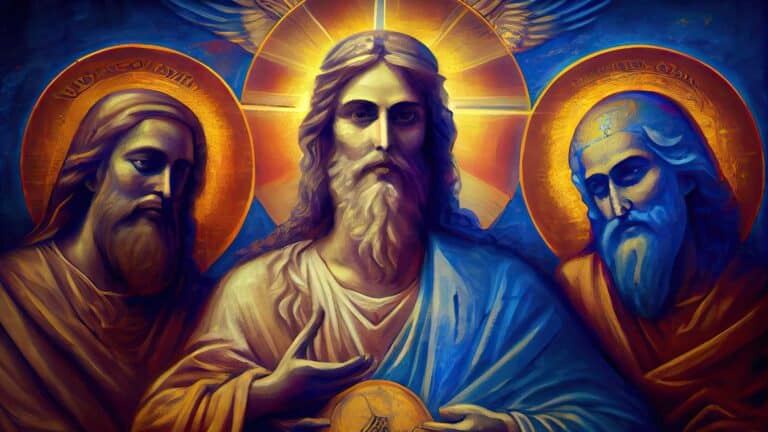
What historians agree on about the life of Jesus
Strip away theology and tradition, and historians still agree on a surprising amount about a Jewish preacher whose short life reshaped world history.
Trying to figure out exactly what happened two thousand years ago can feel like trying to read a book in a dark room. You might be surprised to learn that for a figure as famous as Jesus of Nazareth, there is actually quite a bit of solid ground to stand on. Most experts, regardless of their personal spiritual beliefs, firmly hold that a real itinerant preacher named Jesus walked the earth.
We often get caught up in the heated debates over miracles or specific theological issues that separate different denominations. If you strip away the stained glass windows and the centuries of tradition, you find a historical core that scholars rarely dispute. It is fascinating to see where hard history meets deep belief in the dusty roads of first-century Palestine.
He Was A Real Person Who Actually Existed
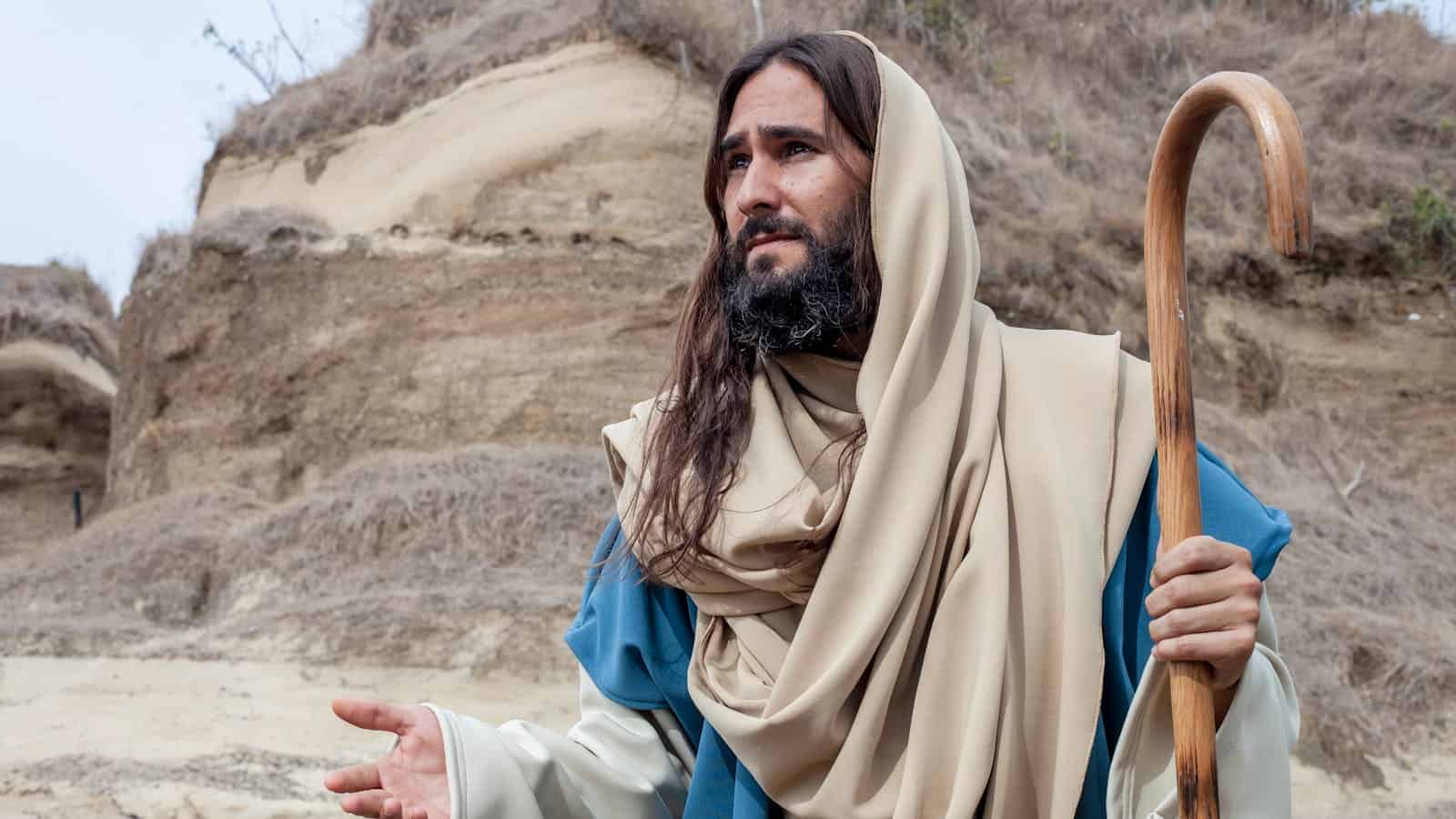
There is a popular fringe theory on the internet claiming Jesus was a total myth, but serious historians do not buy that for a second. We have too many ancient sources that mention him to dismiss his existence entirely. Even scholars who are atheists generally agree that a man named Jesus lived in the first century.
You do not need to be a believer to accept that a charismatic leader started a movement in Judea. In a study by Ligonier Ministries and Lifeway Research, 76 percent of American adults reported believing that Jesus was a real historical person. That is a massive consensus that cuts across almost all demographic lines.
He Was A Jewish Man From Galilee
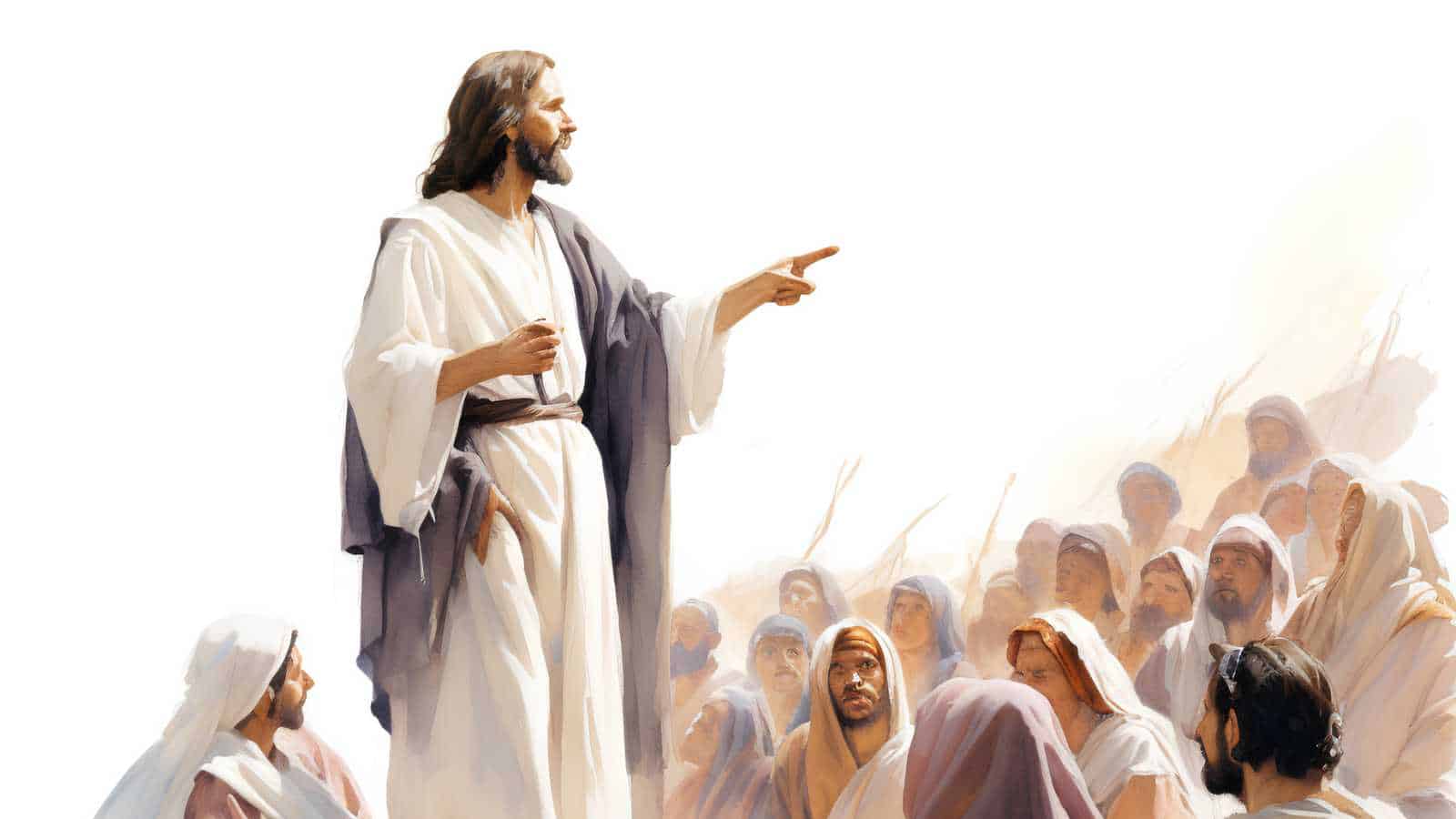
It seems obvious, but the fact is sometimes overlooked in Western art depicting him with European features. Jesus was thoroughly Jewish and deeply embedded in the culture and traditions of his people. He grew up in Nazareth, which was a small and somewhat insignificant village in the region of Galilee.
He would have resembled a typical Middle Eastern man of his time rather than the pale figure depicted in movies. His teachings and his life only make sense when viewed through the lens of first-century Judaism. Everything he did was rooted in the Jewish scriptures and the specific struggles of his community.
He Was Baptized By John The Baptist

Historians look for events that the early church would have been unlikely to invent, and this one fits the bill perfectly. It might have been embarrassing for early Christians to admit their leader was baptized by someone else, so it is likely true. This event marks the beginning of his public life and sets the stage for what follows.
John was a fiery preacher who drew crowds out into the wilderness, and Jesus was among them. Most scholars agree that Jesus started his own ministry shortly after this pivotal moment in the Jordan River. It establishes a clear historical timeline and connects him to the wider religious movements of that era.
He Spoke Aramaic As His Daily Language

While the New Testament was written in Greek, the words Jesus spoke were almost certainly Aramaic. This was the common language of Judea and Galilee for ordinary people during that time period. You can still find traces of it in the Bible, where the writers retained original phrases, such as “Talitha koum”.
He likely knew some Hebrew for reading the scriptures, and maybe a little Greek for business, but Aramaic was his mother tongue. Understanding this helps experts approach the original meaning of his pithy sayings and parables. It adds a layer of authenticity to the voice that echoes through history.
He Was A Teacher And A Healer

You cannot separate the man from his reputation as a wonder worker, because even his enemies acknowledged that he did inexplicable things. According to Think Eternity, roughly 51 percent of Americans believe in the miracles of the bible. Historical records show that people in his time certainly believed he had the power to heal.
Whether you explain these events as miracles or psychosomatic cures, the fact remains that crowds flocked to him. He was widely known as a teacher who used memorable stories and acted as a physician for the soul. This reputation for healing was a major reason his fame spread so quickly in the villages.
He Called A Group Of Disciples

Jesus did not work alone, and he famously gathered a close circle of followers to travel with him. Recruiting twelve specific men to represent the twelve tribes of Israel was a deliberate, symbolic political act. These followers abandoned their livelihoods to learn from him and support his mission.
This group included fishermen and tax collectors, who were quite a motley crew for a holy man. The historical reality of these disciples is supported by the gospels’ frank depiction of their failures and misunderstandings. If you were making up a story you probably would have made your heroes look a lot smarter.
He Debated Jewish Authorities

Jesus was not just a gentle sage floating above the fray; he was often in the thick of heavy arguments. He frequently clashed with the Pharisees and Sadducees over how to interpret the law and live a holy life. These debates were standard for Jewish teachers, but Jesus had a radical edge that ruffled feathers.
He challenged the status quo and critiqued the behavior of the religious elites, which naturally made him a target. History is full of troublemakers who spoke truth to power, and Jesus fits that profile perfectly. Those conflicts are what eventually led to the tension that cost him his life.
He Created A Disturbance In The Temple
One of the few events that explains his sudden arrest is the incident where he flipped tables in the Jerusalem temple. Most historians agree that this dramatic act of protest occurred and directly prompted the authorities to intervene. It was a public challenge to the power structure right during the busy Passover festival.
Passover was a time of heightened tension and large crowds, so the Romans and priests were on high alert for disturbances. Causing a scene in the most sacred site in the city was basically signing his own death warrant. It moved him from being a rural nuisance to an immediate threat in the capital.
He Was Crucified By Pontius Pilate

The single most certain fact about Jesus is arguably the manner of his death. Tacitus a Roman historian and Josephus a Jewish historian both confirm that Jesus was executed by Pilate. This isn’t just a religious belief; it is a brutal historical fact recorded by non-Christian sources.
Crucifixion was a shameful and agonizing punishment reserved for slaves and rebels against the empire. The fact that his followers worshiped a crucified man was shocking and counterintuitive to everyone in the ancient world. It is not the kind of ending anyone would invent for their messiah unless it really happened.
His Ministry Was Short

Jesus was not active on the public stage for decades, as a modern politician or a tenured professor might be. Most experts estimate that his public career lasted between one and three years at most. It is astonishing to consider how much impact he had in such a brief period.
He burned bright and fast before his life was cut short by the Roman authorities. According to Beliefnet, data from the American Bible Society indicate that more than 65 million Americans used the Bible in 2024, suggesting that its brief lifespan continues to have ripple effects today. It is a testament to the intensity of his message that we continue to discuss him.
His Movement Continued After His Death

Usually, when a rebel leader is killed, their followers scatter, and the movement dissolves into nothing. Something very unusual occurred with Jesus because his group not only survived but also expanded rapidly. Within a few weeks of his death, his followers were boldly proclaiming he was alive.
Historians may disagree on the cause of this belief, but they agree that the belief itself was real and powerful. A Gallup poll notes that while church attendance is shifting, 74 percent of Americans still believe in God or a higher power. That enduring faith can be traced back to this small group of convinced Jewish disciples.
15 Things Women Only Do With the Men They Love

The 15 Things Women Only Do With the Men They Love
Love is a complex, beautiful emotion that inspires profound behaviors. We express our love in various ways, some universal and others unique to each individual. Among these expressions, there are specific actions women often reserve for the men they deeply love.
This piece explores 15 unique gestures women make when they’re in love. From tiny, almost invisible actions to grand declarations, each tells a story of deep affection and unwavering commitment.