What shocks foreigners when they visit America? These 11 things come up again and again
Americans barely notice them. International visitors can’t stop talking about them.
For someone visiting the United States for the first time, some of the biggest surprises aren’t famous landmarks or tourist attractions. They’re the completely ordinary things Americans encounter every day.
It might be the enormous portion that arrives at a restaurant, the amount of ice in a drink, a stranger striking up a conversation in the grocery store or discovering that the price on the shelf isn’t necessarily the amount you’ll pay at the register.
Some visitors arrive expecting America to look familiar after seeing it portrayed for years in movies and television—only to discover that experiencing those everyday customs in person feels very different.
From habits Americans rarely think twice about to conveniences and customs that can seem downright strange to outsiders, these are some of the things international visitors say surprise them most about life in the United States.
The Friendliness Of Strangers

Walking down a street in a small town can be a bizarre experience for someone from a more reserved culture where people keep to themselves. Being asked how you are today by a random person in a grocery store can feel like an interrogation or a scam to a wary traveler. Americans have a way of striking up a conversation with anyone within earshot, often sharing their life story in minutes.
Surveys of American values from major research organizations regularly find that many people see being helpful and friendly to strangers as an important social norm, even as they worry about broader social divisions. This openness can be a breath of fresh air or a bit overwhelming, depending on where you are from, and it shapes how visitors experience everyday errands and chats.
The Massive Portion Sizes

One of the first things a visitor notices is that a small soda in the States could easily hydrate a small village for a week. Many travelers are genuinely shocked when their dinner plate arrives looking more like a serving platter meant for a family of four. It is a world where the doggy bag is an essential part of the dining ritual because finishing a meal is a Herculean task.
Common U.S. portion sizes grew markedly from 1977 to 1996, with many items increasing by 50% or more, which helps explain why a single restaurant meal can feel like food for an entire day. This “more is more” mindset can make it tough to keep an eye on budget and appetite at the same time when you are just trying to enjoy dinner on vacation.
Turning Right On Red Lights
For many international drivers, the idea of running a red light to make a right turn feels like a one-way ticket to jail. Watching American drivers do this with total confidence is a terrifying sight for those used to much stricter road rules in Europe or Asia. It is a quirk of the American road that symbolizes the country’s fast-paced, individualistic nature.
Guides to U.S. traffic law explain that, starting in the 1970s energy crisis, states were encouraged to adopt right-turn-on-red rules, and today it is generally legal across the country after a full stop unless signs say otherwise. While it helps people reach their destination faster, it often leads to a lot of honking at confused tourists who are still waiting for the green light.
The Tipping Culture Intensity
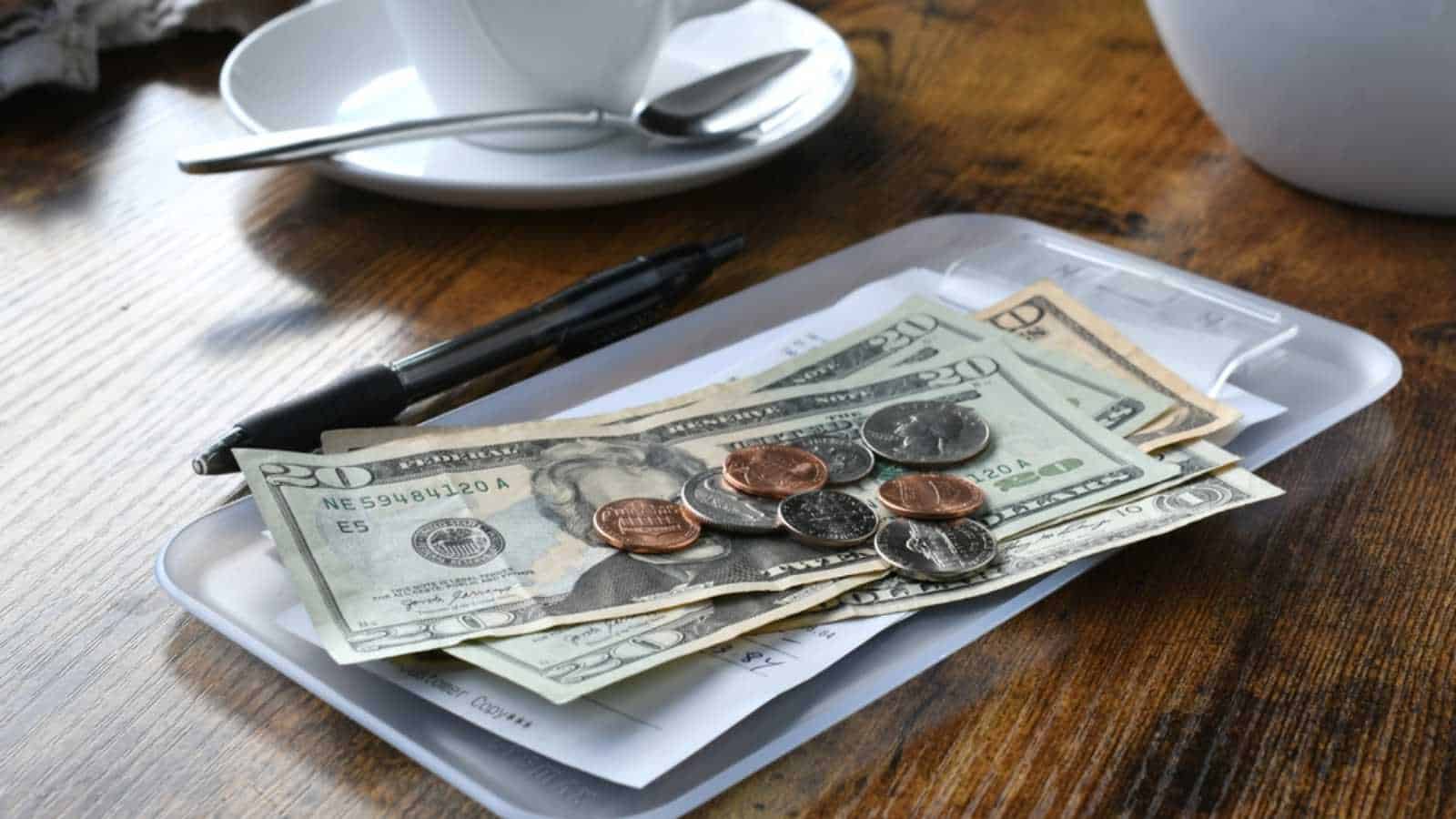
In many countries, a tip is a small gesture for exceptional service, but in the United States, it is a mandatory part of the bill. Visitors are often baffled to learn that they must add an extra 20 percent to almost every service they receive during their stay. It feels like a hidden tax that makes it very difficult to stick to a strict daily financial plan while exploring a new city.
Modern tipping guides note that restaurant servers in the U.S. are typically paid a lower tipped minimum wage and are expected to receive gratuities of 15% to 20% of the bill, making tips a core part of their income rather than a rare bonus. This cultural expectation means that a simple meal can end up costing significantly more than the menu price, leaving many visitors quietly doing the math at the table.
You may want to read: 13 reasons Americans are saying “no more” to tipping
Public Restroom Stall Gaps

Many travelers have a hard time believing the massive gaps in American public bathroom doors are a real design choice. The wide spaces around the edges and the large opening at the bottom make many visitors feel like they are performing on a stage. It is a lack of privacy that feels completely alien to those used to the floor-to-ceiling doors common in other parts of the world.
Design commentators point out that these open-stall designs are often justified on the grounds of easier cleaning, better ventilation, and quick safety checks, even if they clash with international expectations of privacy.
While locals might not even notice the gaps anymore, newcomers find themselves making awkward eye contact with people waiting in line and wondering who thought this was a good idea.
The Lack Of Sidewalks In Suburbs
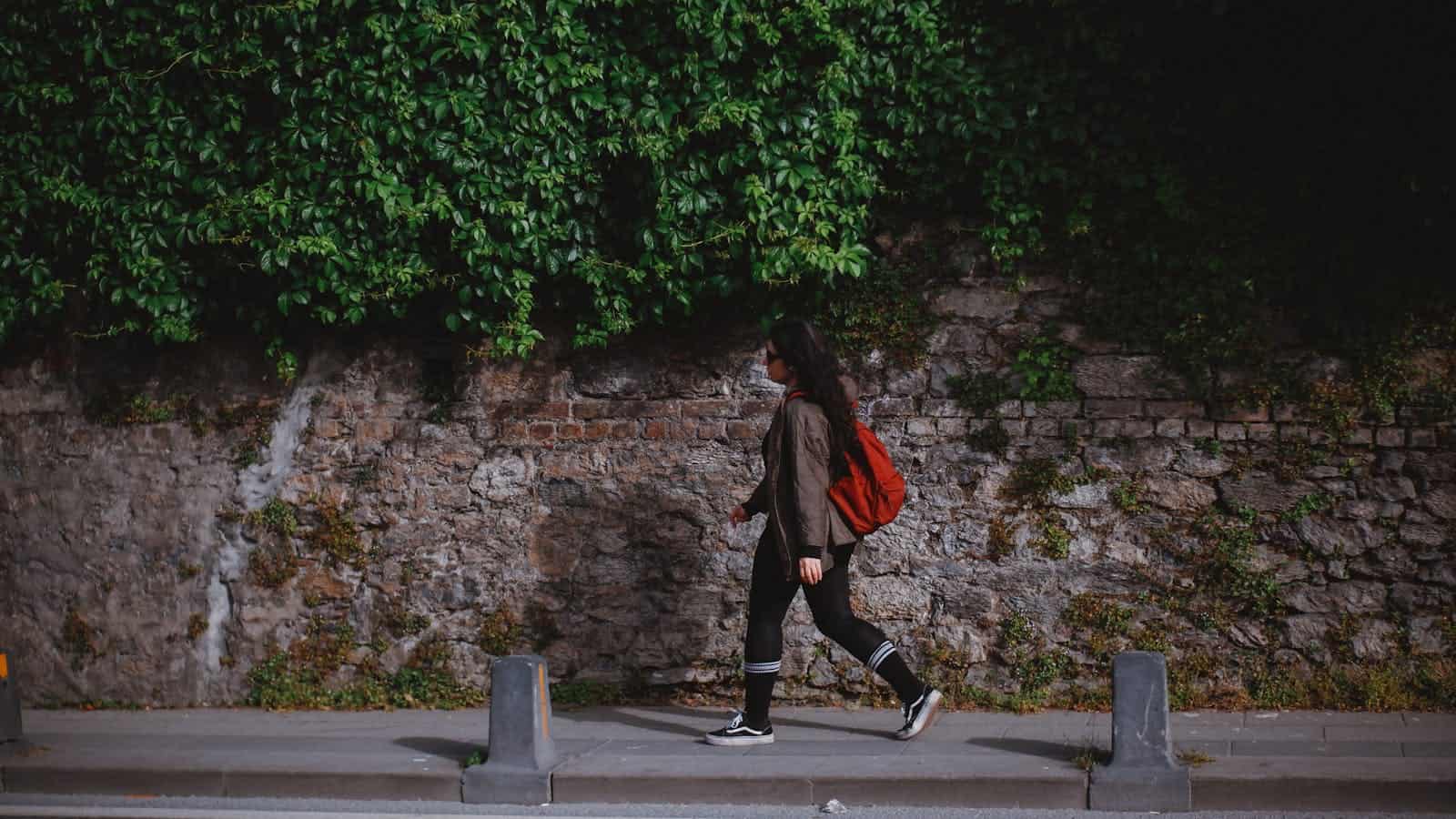
Many visitors arrive expecting to walk from their hotel to a nearby shop, only to find that the road simply ends in a ditch. The car is king in the U.S., and many suburban areas are built without any consideration for those who prefer to use their own two feet. It is a strange sight to see a shop just across the street, but have no safe way to get there without a vehicle.
Transportation data show that only about 12% of trips in the U.S. are made by walking or bicycling, reflecting how much of the built environment is designed around driving rather than pedestrians.
This reliance on the automobile makes the American travel experience feel a bit disconnected from the ground and can affect overall well-being when you would rather stretch your legs than sit in traffic.
The Variety Of Everything

Stepping into a massive supermarket is like entering a temple dedicated to the gods of infinite choice and consumerism. Finding fifty different types of breakfast cereal or a dozen varieties of milk can turn a quick shopping trip into a two-hour research project.
It is a level of abundance that feels both impressive and slightly insane to those accustomed to more modest, focused local markets. Industry reports note that a typical American supermarket now stocks around 31,000 different items on its shelves at any given time, far more than many small neighborhood shops around the world.
This overwhelming selection means you can find a recipe for almost anything, but it also leads to major decision fatigue for the uninitiated who just wanted a simple snack.
The High Price Of Healthcare

While the ads are everywhere, the actual cost of getting a checkup can be a major source of horror for those from countries with socialized medicine. Hearing stories of people being charged thousands of dollars for a simple ambulance ride is a common topic of conversation for worried tourists.
Comparisons from organizations like the OECD consistently show that the U.S. spends a higher share of its GDP on health care than any other wealthy nation, yet still struggles with medical debt and coverage gaps. This reality makes health insurance a top priority for anyone visiting the country, and it can really change how you think about saving money and risk when you travel.
The Intensity Of Patriotism

Seeing a giant American flag flying over a car dealership or a local car wash never fails to amaze international guests. The sheer number of flags in residential neighborhoods and on clothing reflects a level of national pride rarely seen in other parts of the world. It is a visual reminder that Americans are very serious about their identity and their history as a unique nation.
Large public opinion surveys find that a clear majority of Americans say they are proud to be citizens of the United States, even if the intensity of that pride rises and falls with politics and world events. This patriotism is baked into the daily routine, from the national anthem at ball games to flags on every street corner, and it can feel like a constant parade to newcomers.
Ice In Every Single Drink

If you order a glass of water in a restaurant, you can bet your bottom dollar it will be filled to the brim with ice cubes. Many Europeans find this custom a bit excessive, especially when it is freezing cold outside, and they just want a room-temperature drink. It is as if the American hospitality industry has a secret obsession with keeping everything at a subzero temperature.
The International Packaged Ice Association notes that the U.S. ice industry produces millions of tons of packaged ice annually, and that commercial ice machines are standard in restaurants, hotels, and convenience stores nationwide. This demand for frozen water turns every drink into a mini Arctic expedition for unsuspecting visitors and quickly becomes one of those tiny details they never forget.
The Size Of The Roads

The interstate highway system is a marvel of engineering that feels like it was built for giants rather than regular-sized humans. Having six or eight lanes of traffic moving in a single direction is a mind-blowing sight for someone used to narrow and winding country roads.
The scale of the infrastructure is a testament to the vast distances that Americans must travel every day to get around. According to federal transportation statistics, the United States has over 4 million miles of public roads, including some of the widest and busiest highways in the world.
This expansive network enables a level of mobility central to the American way of life and its economy, but it can make driving feel intense for newcomers unfamiliar with such massive arteries.
Key Takeaway
Visiting the United States is a lesson in the power of scale and the beauty of a culture that truly marches to the beat of its own drum. While some of the quirks might seem baffling at first, they are the very things that make the country such a fascinating place to explore and understand.
Embracing the abundance is part of the fun of any international journey to the States. So, the next time you see a right turn on red or a massive portion of fries, just lean in and enjoy the ride. The American dream is a big, loud, and friendly place that is always ready to welcome you with open arms and a very large soda.