Where Burglars Search for Valuables When They Break In
It’s shocking how many of our go-to “secret spots” are basically welcome signs for burglars who walk through our door.
It’s a gut-wrenching feeling: coming home to find your front door kicked in and your private space violated. You may harbor a few secret spots for cash, jewelry, or important documents, assuming your cleverness will outsmart a casual thief. The cold truth is that most burglars are looking for an easy, fast score, and they know all the “secret” spots that homeowners have been using for decades. They are working against a ticking clock, usually spending less than ten minutes inside, so they hit the most common targets first.
The unfortunate reality is that a break-in is often an opportunistic, smash-and-grab affair. While the movies show master thieves cracking high-tech safes, the typical burglar is just checking the low-hanging fruit where people tend to hide items they use frequently but want out of sight. By understanding the search patterns that convicted burglars have admitted to, you can level up your security game and choose far better concealment locations.
Portable Safes

A small, lightweight safe might give you peace of mind, but it often acts like a road sign pointing directly to the most valuable items in your home. If a safe is small enough to be carried, a burglar will almost always take the whole thing. They figure it’s faster and quieter to open it up later on their own time, away from your house.
This is especially true if the safe is not bolted down to the floor or a wall stud. The very presence of a lockbox signals that something valuable is inside, making it an attractive target. If you feel you need a safe, it is highly recommended to invest in a model that is both heavy and professionally secured to the structure of your home.
Master Bedroom

The master bedroom is the first stop for almost every burglar who makes it past the entryway, and the dresser is a treasure chest in waiting. They know this is where people keep their most intimate and costly items, like watches and fine jewelry. It’s an open secret that people store their belongings in the top drawer or tucked away beneath their socks and underwear. The sheer speed of the search means they often empty drawers right onto the floor, making a quick selection of what’s worth taking.
Think of your dresser as a sign that says “Valuables Here.” These pieces of furniture are typically easy to access, and they hold the sort of high-value, small items that are easy to pocket and quick to resell. According to Reolink, approximately 75% of burglars head straight for the master bedroom as their first target. This single room, more than any other, is viewed as the primary jackpot during a swift invasion.
Under The Mattress
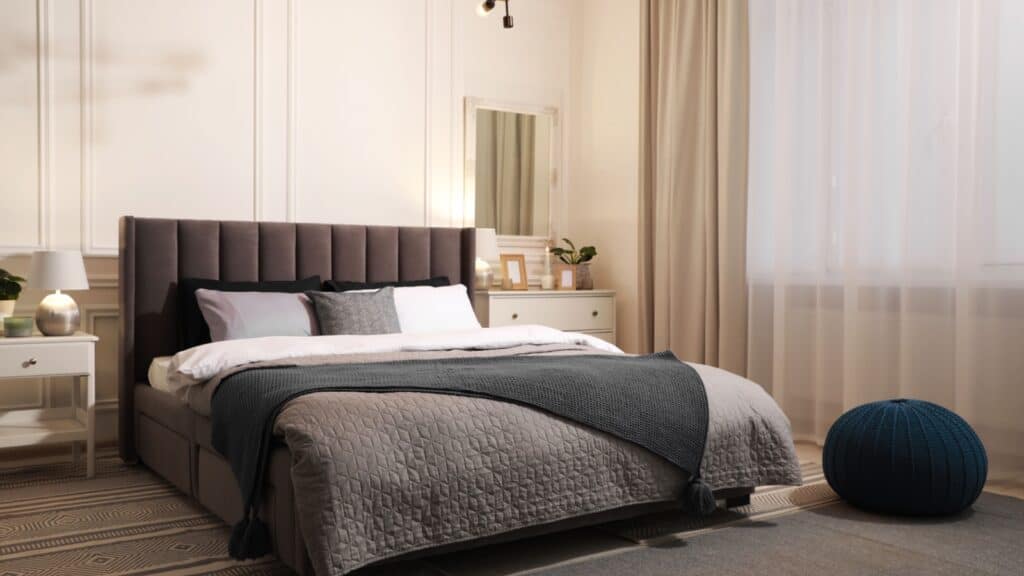
There is no more classic, and thus more predictable, hiding spot in the history of home security than stuffing cash or a small item beneath the mattress. It’s an old trick played out in countless movies and TV shows, so it holds no mystery for anyone who has done this job before. A burglar will absolutely flip or pull up your mattress in the master bedroom, often as one of their first moves upon entering the room.
If you’re still using the “mattress bank” or the “box spring safe,” you are essentially leaving a deposit for a criminal. Most people keep a small amount of emergency cash there, which is exactly what a hurried thief is hoping to grab. The average burglar has only 12 minutes to steal, making easy places like under your mattress an irresistible part of their routine.
Nightstand Or Bedside Table

The nightstand is the ultimate convenience spot for a homeowner, and that convenience translates directly into opportunity for a burglar. We tend to stash things in the drawers we use often or need quickly, such as spare keys, wallets, or jewelry we take off before bed. These items are often high-value and small, which perfectly fit the burglar’s preference for portability and speed.
A thief won’t waste time being polite; they will yank the drawers out entirely and dump the contents, looking for cash and anything metallic. They know this spot is a magnet for quick-access items. This is why it is best to avoid keeping anything of significant value in this highly exposed and expected location.
Medicine Cabinet

While it may seem counterintuitive, your medicine cabinet is a high-priority search area, not necessarily for your grandmother’s diamond ring, but for prescription medication. Pills are easily resold, and a wide array of drugs, from pain relievers to sleeping aids, are popular targets. Criminals will quickly check this spot for any bottles they can grab and pocket for later illicit sales.
This means that even if you don’t store jewelry here, your important documents or other small valuables might be exposed if you use this spot as a secondary hiding place. It’s a quick, high-yield location for certain criminals. You should relocate any items of value away from this area, which is primarily searched for its medicinal contents.
The Freezer

Hiding cash or jewelry in the freezer, wrapped up like frozen peas or stashed inside a box of old fish sticks, is a tactic that became popular and, consequently, became compromised. The logic was that no one would want to root around in your frozen food, but burglars are very much in on the joke.
Experienced thieves will often check the freezer, particularly for items wrapped in unusual non-food packaging, such as plastic bags or foil. The refrigerator and freezer are two places where people frequently try to employ a kind of “hide in plain sight” strategy. However, the unexpected or oddly shaped container will always draw attention.
Office Or Desk Drawers
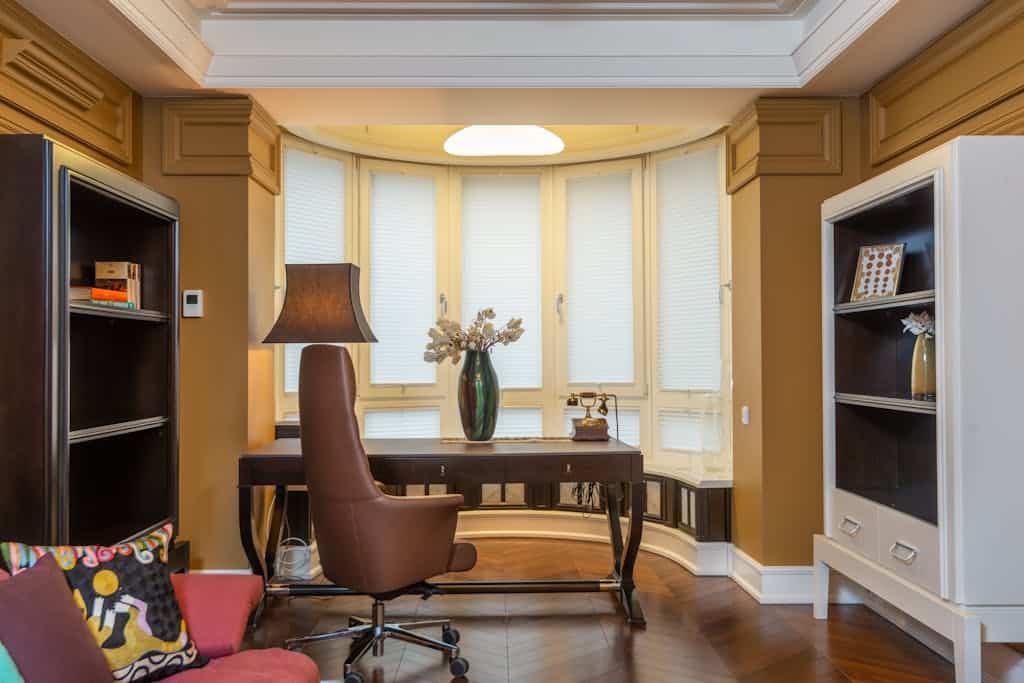
For burglars, an office or a desk drawer is less about finding jewelry and more about a different kind of prize: your identity. These drawers are the resting places for important papers, passports, checkbooks, and spare keys, all of which are highly useful to a criminal. The convenience of keeping documents labeled and organized for your own ease also makes a thief’s job much simpler and faster.
A quick rummage through these files can give a thief everything they need for identity theft, which can be far more damaging in the long run than the loss of physical property. It’s unfortunately common to believe that home offices are safe, but they are high-risk areas for financial and personal information. Laptops, tablets, and external hard drives are also easy-to-grab electronics with high resale value, typically located here.
Sock Drawers
This falls firmly under the umbrella of “too obvious.” The common wisdom of hiding small valuables, especially cash or jewelry, balled up inside a sock or stashed beneath a stack of folded clothes, is completely transparent to a burglar. They know that people use these soft-fabric hiding spots to protect fragile items or keep them out of sight from casual observers.
A burglar with limited time won’t unfold your entire laundry pile, but they will certainly toss the entire contents of a sock drawer onto the floor and shake out the socks. It’s an easy, low-effort search. Only 8% of stolen jewelry and precious metals are recovered by law enforcement, underscoring the need for better hiding places.
High Kitchen Cabinets

Kitchens might not be the first stop, but if a burglar has a little extra time, they will check places where people store things for extended periods, like those high cabinets above the fridge or the stove. People often store “rainy day” cash or less frequently used fine silver here, believing the location is less evident than the bedroom.
The belief is that the kitchen is primarily for food and cooking, so valuables are often overlooked. Thieves are well aware of this assumption. They will quickly sweep through a few key cabinets, not for dinner plates, but for tins or containers that might hold something more lucrative.
Vases And Decorative Containers

In the living room or entryway, people sometimes attempt to hide small amounts of money or a key inside an empty vase, a cookie jar, or a decorative box on a shelf. The idea is to hide the treasure in plain sight, blending it in with other household items. A thief will not hesitate to dump the contents of these containers or even shatter a vase if they suspect it holds anything of value.
These objects are easy to spot and can be checked quickly, making them highly vulnerable during a hurried search. If the item looks like it could hold something, it will be checked, especially in a common area like the living room, where people often leave small, loose change or items they forgot to put away. On average, a break-in occurs every 26 seconds in the US, stressing the need for better concealment.
Closets And Suitcases
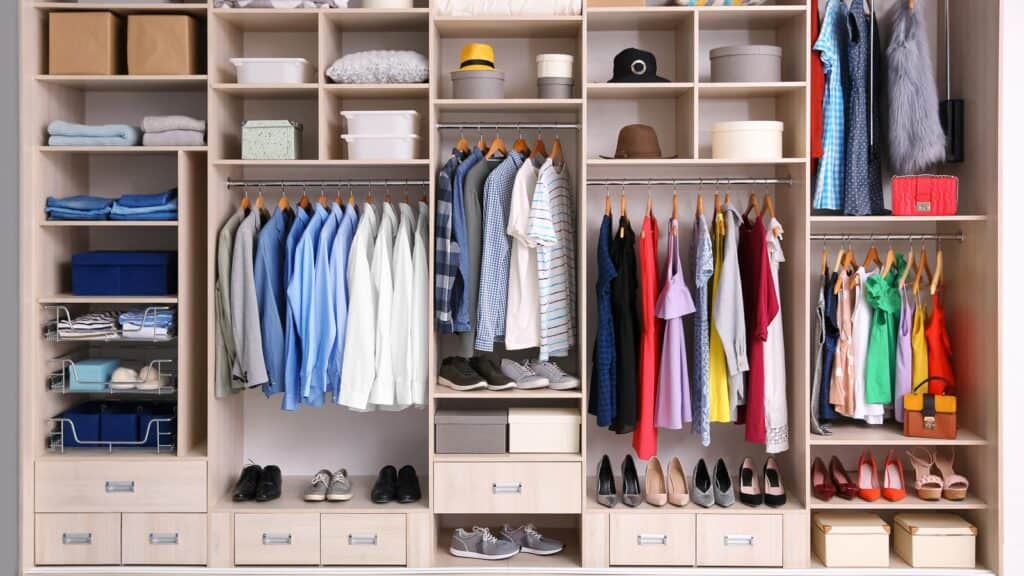
The bedroom closet is a prime spot for stashing items in containers typically used for storage, such as shoeboxes, purses, or luggage. Since many people use old suitcases to store items they rarely need, burglars often check them, assuming they hold out-of-season valuables or travel money. A thief will efficiently rifle through coats and bags hanging in the closet, especially checking pockets for forgotten cash.
If you have a collection of old shoeboxes, consider mislabeling the one with valuables as something mundane like “old tax receipts.” Criminals will quickly focus on containers that look new or fancy, or that are clearly used to store something special. Furthermore, 34% of burglars enter through the front door, often heading straight for the master bedroom and its closet.
15 Things Women Only Do With the Men They Love

The 15 Things Women Only Do With the Men They Love
Love is a complex, beautiful emotion that inspires profound behaviors. We express our love in various ways, some universal, while others are unique to each individual. Among these expressions, there are specific actions women often reserve for the men they deeply love.
This piece explores 15 unique gestures women make when they’re in love. From tiny, almost invisible actions to grand declarations, each tells a story of deep affection and unwavering commitment.