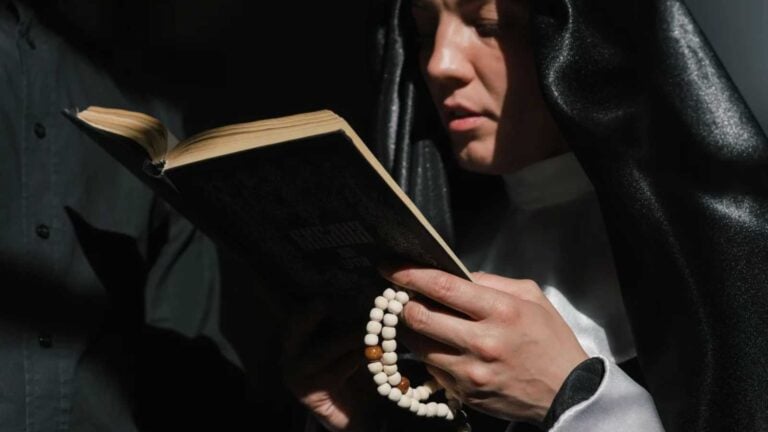
Why Montessori classrooms feel so different. How a 100-year-old method still feels revolutionary.
Maria Montessori changed the way the world thinks about education. Over a century ago, she introduced a philosophy that placed children at the center of their own learning experience, radically different from the rigid, teacher-led systems of her time. Today, her method continues to inspire thousands of schools worldwide. But who was Maria Montessori, and why is her approach still so influential? Let’s dive into the principles that make Montessori education so remarkable.
The Woman Behind the Movement

Maria Montessori was born in Italy in 1870 and made history as one of the first female physicians in her country. While working with children who had learning challenges, she noticed something profound: when given the right environment and tools, children taught themselves more effectively than traditional methods allowed. In 1907, she opened the first Montessori school, Casa dei Bambini, and her ideas quickly spread across the globe.
Maria: “Scientific observation has established that education is not what the teacher gives; education is a natural process spontaneously carried out by the human individual, and is acquired not by listening to words but by experiences upon the environment.”
Education That Starts With the Child

At the heart of Montessori education is the belief that children learn best when they follow their own curiosity. Instead of a teacher dictating what comes next, the child takes the lead within a structured environment designed for exploration and growth.
Maria: “Human teachers can only help the great work that is being done, as servants help the master. Doing so, they will be witnesses to the unfolding of the human soul and to the rising of a New Man who will not be a victim of events, but will have the clarity of vision to direct and shape the future of human society.”
The Prepared Environment
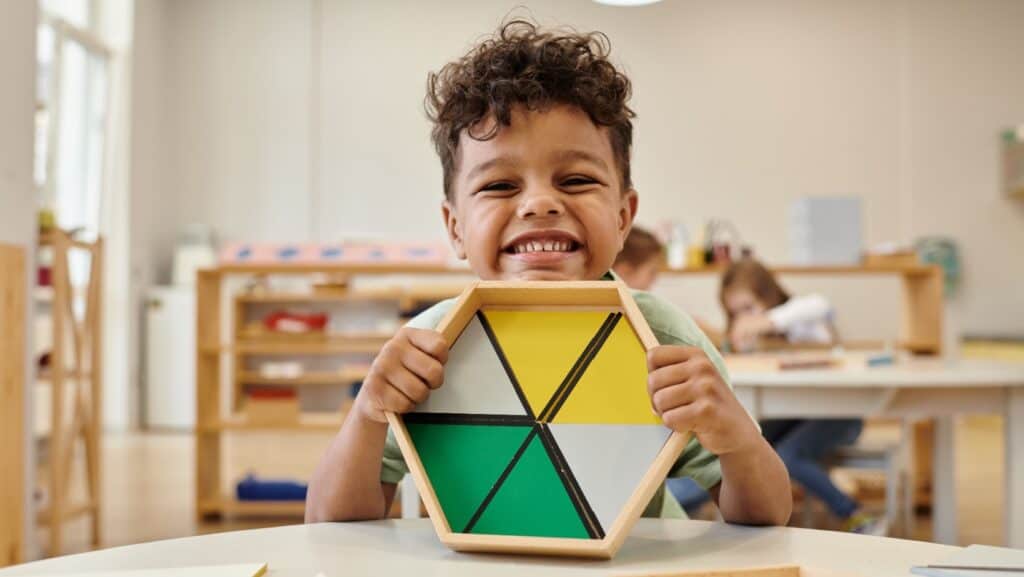
Walk into a Montessori classroom, and you’ll notice it looks nothing like a typical classroom. Everything, from the shelves to the furniture, is designed for children. Materials are within easy reach, fostering independence and self-confidence.
Maria: “Never help a child with a task at which he feels he can succeed.”
Mixed-Age Learning

Unlike traditional classrooms divided by grade, Montessori classrooms group children of different ages together. This approach encourages collaboration, mentorship, and social development in a natural setting.
Maria: “Free the child’s potential.”
Hands-On Learning Materials
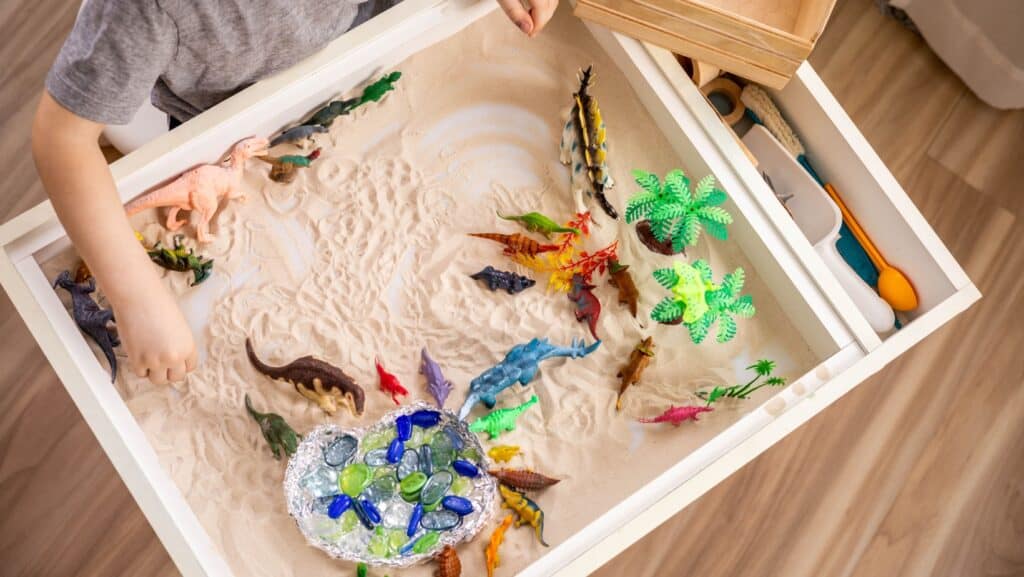
Montessori believed in learning by doing. That’s why classrooms feature tactile materials like counting beads, sandpaper letters, and puzzles that teach math, language, and science in a tangible way. These tools help children understand abstract concepts through physical interaction.
Maria: “The child gives us a beautiful lesson – that in order to form and maintain our intelligence, we must use our hands.”
Respecting the Child’s Pace

In Montessori education, there’s no rush. Children progress at their own speed, mastering concepts fully before moving on. This creates a deep understanding rather than surface-level memorization.
Maria: “The absorption of the environment is an intellectual activity. It is a psychic necessity that the child explores the environment; it satisfies his spirit.”
Sensitive Periods of Development
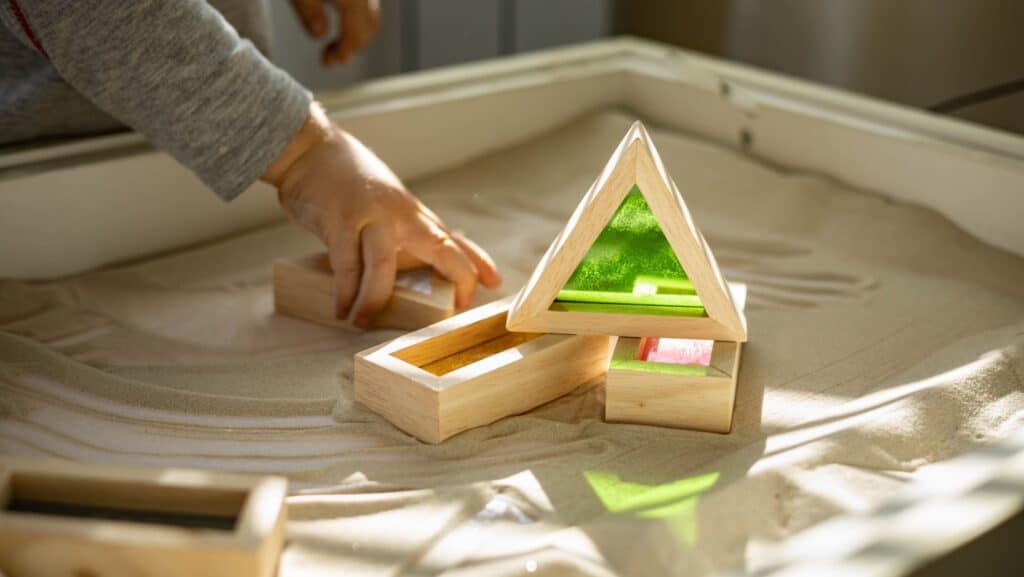
Montessori identified “sensitive periods” when children are especially receptive to learning certain skills, like language, order, or movement. Her method nurtures these natural windows of opportunity instead of forcing a rigid timeline.
Maria: “The attention of little children is continually being drawn to one thing or other on their walks. They stop to observe and admire things they see. They are like explorers. This is a preparation for the adaptation to the environment.”
Practical Life Skills in the Classroom

From pouring water to tying shoes, Montessori classrooms incorporate everyday activities that build independence and coordination. These life skills boost confidence and prepare children for the real world.
Maria: “We must respect the child, and he must understand that he is respected.”
The Teacher as a Guide, Not a Boss

In a Montessori classroom, teachers don’t stand at the front giving lectures. Instead, they observe, support, and guide each child based on individual needs. This fosters a sense of ownership and responsibility for learning.
Maria: “The child does not work in order to move or in order to become intelligent. He works to adapt to his environment. It is essential that he has many experiences in the environment if he is to do this.”
A Global Legacy

Today, Montessori schools exist in more than 140 countries, and her ideas have influenced countless educational reforms. Her approach continues to resonate because it respects children as capable, curious learners, something modern parents and educators value more than ever.
Maria: “Even though I have studied this question for a long time, I am continually surprised. I understand more and more how advanced and able small children can be.”
The Takeaway
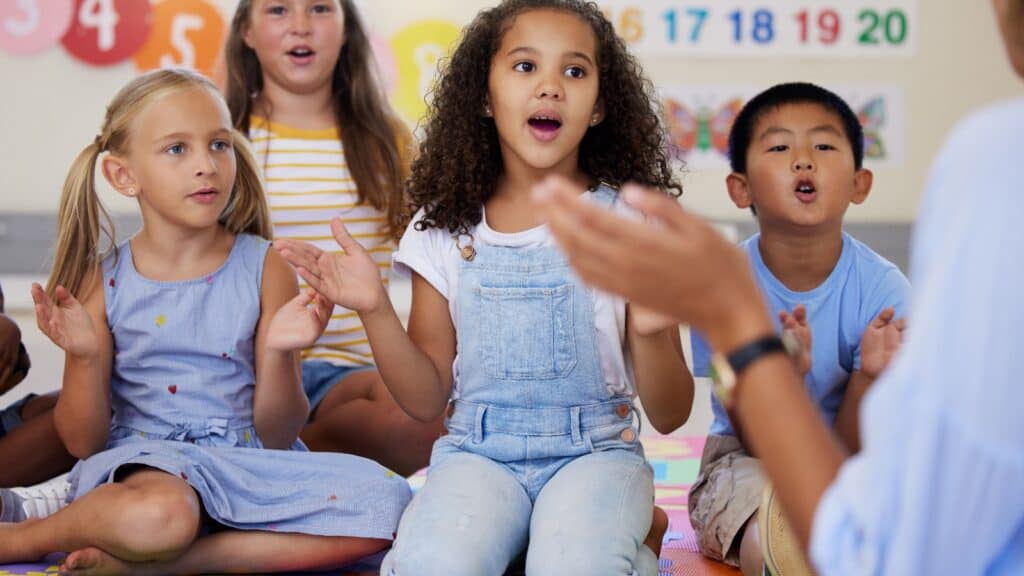
Maria Montessori believed that education should nurture a child’s natural curiosity and independence. Over 100 years later, her philosophy feels as fresh and forward-thinking as ever. Whether in a preschool classroom or an elementary school setting, the Montessori method proves one timeless truth: when children are trusted and respected, their potential is limitless.
Maria: “We can only help man if we aid the child to be better adapted to the future of civilisation.”
Emma Goldman: Joyous Warrior
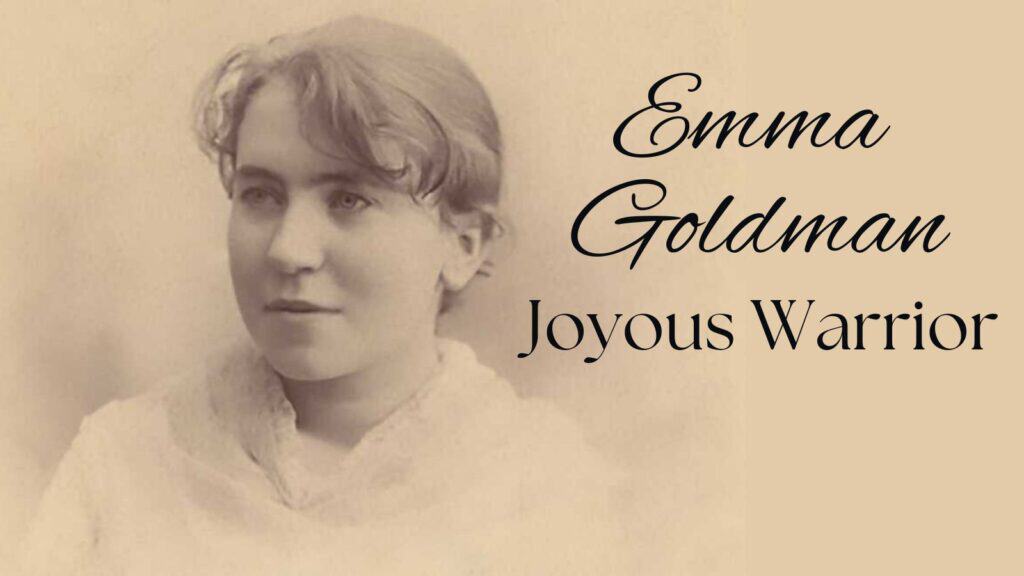
Although the deck was stacked against her in every way: she was born at the wrong time, in the wrong country, and in the wrong gender, religion, temperament, and intellect, Emma Goldman was a genius; she knew it, and she refused to hide her light under a bushel.
READ: Emma Goldman: Joyous Warrior