Why “my body my choice” doesn’t make sense to people
A phrase meant to settle an argument now exposes how differently Americans define life, duty, and freedom.
The famous slogan has served as a passionate rallying cry for decades, but it often fails to bridge the deep cultural divide regarding personal autonomy and ethics. Many citizens feel the phrase drastically oversimplifies difficult moral questions that require much more than just catchy chants to fully resolve in our state laws.
We often see this tension playing out in town halls and heated dinner table debates where the concept of absolute freedom clashes with community responsibility or religious beliefs. The result is a stalemate where one side sees liberation while the other sees a tragic loss of life that no slogan can explain away.
The Biology Of Two Bodies

Critics argue that pregnancy involves two distinct genetic codes rather than just the mother’s own biological system. Science shows the fetus has its own unique DNA separate from the parents. This biological fact makes the “my body” claim feel factually incorrect to them.
If there is a second independent body involved in the equation, then the autonomy argument hits a logical wall for many. They believe protecting a separate human life overrides personal freedom. That distinction changes the entire moral conversation.
Public Health Mandates

The same slogan was ironically used by opponents of vaccine mandates who felt forced to accept medical treatment. It creates a confusing double standard when used only for specific political issues. People noticed the inconsistency during the pandemic years immediately.
Data from KFF in August 2025 shows 3.6% of kindergarteners now have vaccine exemptions, which is the highest rate ever recorded. This rise suggests a growing distrust in public health officials. The slogan has successfully crossed party lines in unexpected ways.
Religious Moral Frameworks
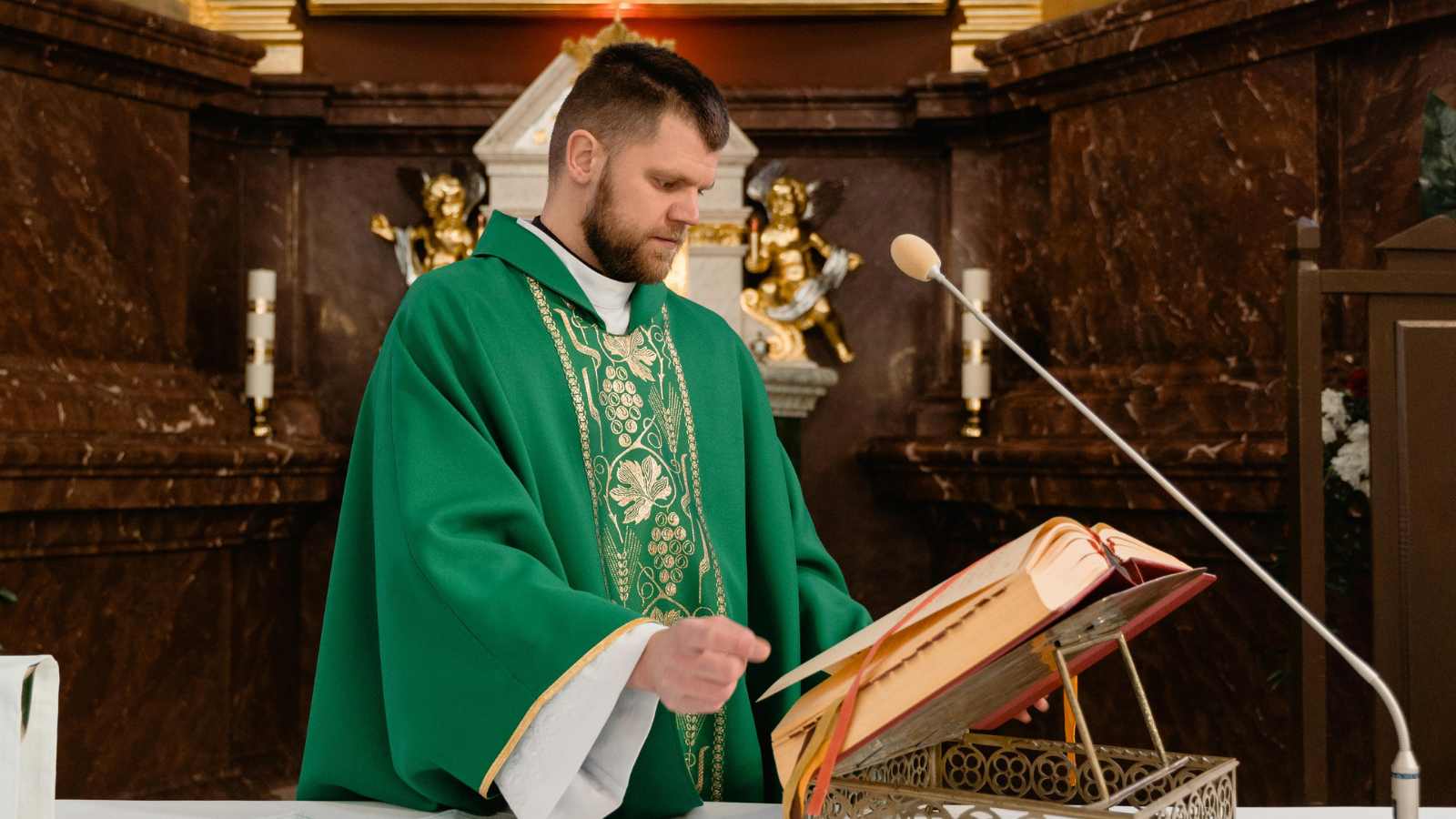
For many believers, the concept of total bodily ownership contradicts the idea that our lives ultimately belong to a Creator. A Pew Research Center poll notes 73% of White evangelical Protestants oppose abortion. Their worldview prioritizes divine law over individual human desires.
This perspective views the body as a temple that must be stewarded rather than a property to be modified at will. Faith communities often emphasize duty and sacrifice over personal autonomy. Consequently, the slogan feels spiritually hollow to them.
The Third Trimester Reality

Support for autonomy drops significantly when the discussion shifts to the later stages of a pregnancy. Gallup data from May 2024 reveals 70% of Americans oppose abortion in the third trimester. Most people draw a hard line as development progresses.
The visual reality of a fully formed fetus makes the “clump of cells” argument impossible for the average voter to accept. Moral intuition kicks in when viability outside the womb becomes possible. The slogan loses its power against such strong imagery.
Paternal Rights And Exclusion

Men often feel completely shut out of the decision-making process despite their equal genetic contribution to the child. Many fathers argue they should have a legal say in the future of their offspring. The slogan effectively silences their emotional stake in the matter.
This exclusion creates resentment among partners who want to be involved parents but have no legal standing to intervene. They view the phrase as a tool that invalidates their role as fathers. It frames reproduction as a solo act rather than a shared one.
The Nuance Of Circumstance

Most Americans actually exist in the gray area between total bans and unrestricted access to all procedures. According to Gallup in May 2025, about 55% of people say legality depends on circumstances. They reject absolute slogans from either side of the aisle.
People generally want exceptions for emergencies, but also favor restrictions on elective procedures late in the term. The bumper sticker slogan fails to capture this complex middle ground. Real life rarely fits into a three-word phrase.
Child Support Inconsistencies

Critics point out that men are legally required to pay child support even if they did not want the child. The law does not allow men to opt out based on their own bodily autonomy. This legal discrepancy feels unfair to those analyzing the system.
If a woman can choose to end parental responsibility, then some argue men should have a “paper abortion” option too. Current laws enforce financial duty regardless of the father’s choice. The slogan seems to apply only to one gender’s obligations.
Rising Distrust In Experts

The push for autonomy often stems from a deep skepticism of medical institutions and government overreach. A CIDRAP study reports that nonmedical vaccine exemptions rose significantly to 3.1% recently. People are reclaiming authority over their families.
This trend shows that “my body, my choice” is becoming a libertarian cry against all forms of centralized control. Citizens are increasingly rejecting expert advice in favor of personal research. The phrase has evolved beyond its original intent.
The Adoption Alternative

Pro-life advocates argue that the parents’ choice is separate from the choice to allow the baby to live. They emphasize adoption as a solution that respects both the mother and the child. This reframes the slogan as a false dichotomy.
Thousands of families are currently on waiting lists, hoping to adopt infants into loving homes right now. The existence of willing adoptive parents weakens the necessity of termination. Critics see the slogan as ignoring this life-affirming option.
The Persistent Divide

Despite decades of use, the country remains almost perfectly split on the core issue of reproductive rights. Gallup found in May 2025 that 51% identify as pro-choice while 43% identify as pro-life. The slogan has not succeeded in shifting the opposition.
The persistence of this close division proves that the phrase does not address the fundamental moral concerns of millions. Half the country simply operates under a different ethical framework. We remain two distinct cultures sharing one zip code.
Like our content? Be sure to follow us