Why the Graduate Crisis Isn’t Just About Universities: 12 Hidden Causes
Even the remote work sector, which promised freedom and flexibility, is not immune to the credential arms race.
They now demand an avalanche of degrees, certifications, and references before a single application is read. The paradox is striking: graduates who should thrive in a borderless, skill-driven market find themselves trapped in the same systemic filters that have plagued traditional workplaces for decades.
The graduate crisis is currently a problem that stretches far beyond campuses, into living rooms, co-working spaces, and home offices across the globe.
When Degrees Become Credentials

In today’s job market, a college diploma increasingly acts as a filter rather than proof of skill. Employers often treat degrees as a baseline screening tool, and in practice, holding a certificate doesn’t guarantee that a graduate can solve complex problems or navigate real-world workplace challenges.
This gap is evident in labor data: nearly half of recent U.S. graduates, 40–50%, are in jobs that do not formally require a degree, highlighting the mismatch between educational attainment and actual workplace demand. Universities, especially in the era of mass higher education, have capitalized on this by monetizing enrollment, offering credentials in exchange for tuition without always ensuring mastery of critical skills.
Studies of employer surveys consistently identify weaknesses in applied problem-solving, communication, and collaboration, demonstrating that academic achievement often fails to translate into workplace readiness. As the proportion of adults holding bachelor’s degrees grows, the relative distinction of any single diploma diminishes, leaving hiring managers with a surplus of candidates yet fewer demonstrably competent professionals.
Networking Trumps Grades in the Real Job Market

While degrees signal competence, research and real-world outcomes show that who you know often matters more than what you know.
Graduates from elite universities consistently land top-tier positions faster than higher-performing peers from less prestigious schools, not necessarily because they score better on exams, but because they have access to influential networks.
Studies tracking early-career employment reveal that alumni referrals, internships secured through family connections, and introductions from professors or industry contacts significantly accelerate job placement. In practice, students at elite institutions often interact with peers whose parents or relatives hold high-ranking positions, participate in alumni mentorship programs, and gain exposure to internships that are otherwise inaccessible.
Conversely, graduates from state-funded or non-elite universities frequently face longer, more arduous job searches, relying on cold applications and self-driven outreach despite strong academic performance. This phenomenon is amplified by the increasing reliance of employers on social referrals
Supply Outpaces Demand: Oversaturation of College Graduates

The number of college graduates is growing faster than the number of jobs that explicitly require a degree, creating a paradoxical labor market where supply outstrips demand. Federal labor data show that while roughly 38% of U.S. adults hold a bachelor’s degree or higher, only about 26% of jobs formally require one, leaving a significant portion of graduates in positions that don’t match their qualifications.
The consequence is a labor market where academic achievement alone no longer guarantees economic reward; students with similar skills find vastly different outcomes depending on timing, location, or industry. This imbalance also fuels wage stagnation for degree holders, as an abundant supply allows employers to offer lower salaries without fear of losing qualified candidates.
By highlighting that the graduate crisis stems not just from the quality of education but from structural economic forces, it becomes clear that universities alone cannot solve the problem; the broader mismatch between graduate supply and degree-level demand is a systemic issue that will persist unless labor markets adapt.
Geographic and Sector Mismatches Hinder Graduate Employment

Even highly qualified graduates can struggle when job opportunities are unevenly distributed across regions and industries. While metropolitan hubs like New York, San Francisco, and London offer abundant roles in finance, tech, and consulting, many smaller cities or rural areas have limited degree-level positions, forcing graduates to relocate or settle for underemployment.
Graduates often face significant barriers, housing costs, relocation expenses, and local industry limitations that prevent them from fully capitalizing on their education. Additionally, sector-specific demand exacerbates the problem: fields like engineering, healthcare, and IT experience talent shortages, while humanities, social sciences, and general business programs produce more graduates than available roles, leaving many qualified applicants competing for a small number of positions.
The Law of Diminishing Returns on Degrees

Adding more graduates to the labor market does not guarantee proportionate gains in employment or income, illustrating a classic case of the law of diminishing returns in education.
While decades ago earning a bachelor’s degree could almost assure stable employment and upward mobility, today, the rapid growth of college-educated workers has diluted that effect. Data from the Bureau of Labor Statistics show that wage premiums for bachelor’s degree holders have flattened in many fields, particularly in saturated areas such as liberal arts, humanities, and general business programs.
Each additional graduate contributes progressively less to the overall productivity or distinctiveness of the workforce, forcing many into roles that fail to leverage their education. Credential inflation compounds the problem, as employers raise degree requirements for positions that historically did not require them, turning the accumulation of credentials into a self-perpetuating cycle with diminishing returns.
Field of Study and Prestige Dictate Opportunity

Not all degrees are created equal, and the choices students make, both in their major and the university they attend, can profoundly shape career trajectories. Graduates in STEM fields, finance, and technology earn significantly more than those in humanities or social sciences, with starting salaries often 30–50% higher, depending on the discipline.
Meanwhile, institutional prestige amplifies these differences: graduates from elite universities, such as Ivy League schools or top-ranked research institutions, tend to secure high-paying roles and leadership-track positions far faster than peers from less-renowned colleges, even when the latter achieve higher GPAs.
The reasons extend beyond classroom learning; employers perceive graduates from prestigious programs as better prepared, and many of these institutions provide access to high-profile internships, selective recruitment pipelines, and influential alumni networks. Conversely, state-funded or mid-tier universities often produce competent graduates, but with fewer immediate opportunities, slower placement rates, and limited exposure to top-tier hiring channels.
The Rising Cost of Degrees Challenges Their Value Proposition
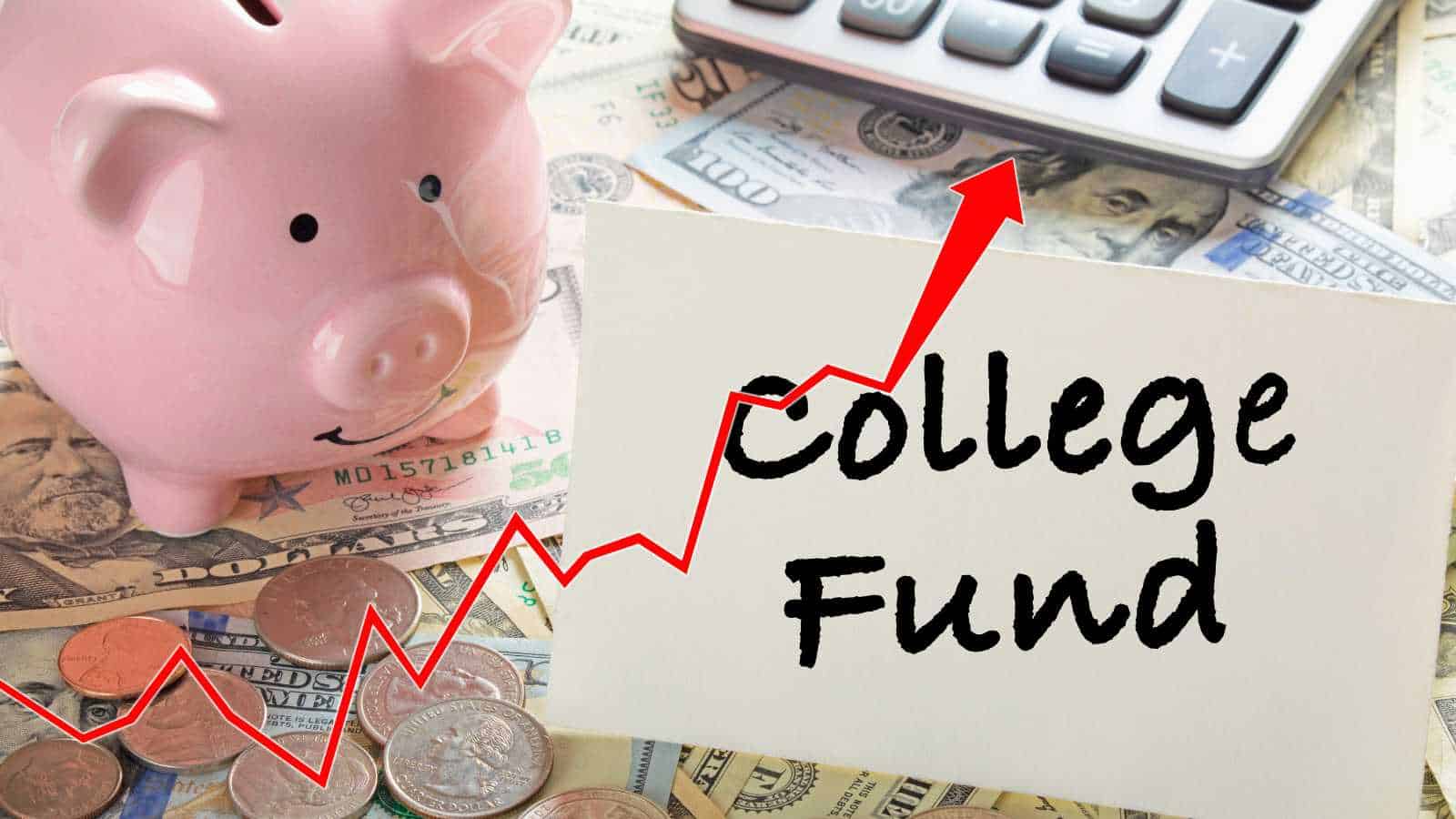
The escalating cost of higher education has created a paradox in which students pay more than ever but do not always see commensurate financial returns. Tuition at elite universities in the U.S. has increased by over 200% in the past three decades, and even public state-funded schools have seen sharp fee increases when adjusted for inflation.
At the same time, wage growth for new graduates has not kept pace, particularly in oversaturated fields like liberal arts, social sciences, and general business programs. This imbalance means that a student leaving college with $50,000–$100,000 in debt may find their starting salary barely sufficient to cover living costs and loan repayments, diminishing the perceived ROI of their degree. Rising debt burdens are forcing graduates to delay major life decisions such as buying homes, starting businesses, or pursuing further education, highlighting the financial strain created by high tuition relative to actual career returns.
Meanwhile, students who select costly degrees under the assumption that expensive programs guarantee high-paying jobs often discover that the market rewards field-specific skills and networking access more than price tags, challenging the notion that cost equates to value.
Economic Shifts and Job Polarization Leave Graduates Vulnerable

Beyond education itself, structural changes in the economy have reshaped the labor market in ways that disproportionately affect graduates. Automation, artificial intelligence, and offshoring have eliminated many mid-skill roles that once served as stepping stones for young professionals, while the gig economy and contract work have expanded non-traditional employment without the security or benefits of full-time positions.
With middle-tier jobs having stagnated or declined over the past two decades, creating a polarization in which high-skill positions flourish and low-skill roles proliferate, leaving graduates squeezed in the middle.
Even when degree holders are employed, surveys show that many are underemployed, taking jobs unrelated to their field or requiring lower qualifications, which depresses early-career earnings and slows skill accumulation.
Degrees Alone Don’t Instill Intelligence or Work Ethic

A diploma, no matter how prestigious, cannot substitute for motivation, discipline, or critical thinking skills, qualities that employers consistently cite as essential for career success. Students who actively engage in internships, research projects, or extracurricular initiatives outperform peers with higher GPAs but minimal practical experience.
Those who treat college purely as a transactional exercise, paying tuition for a credential without applying themselves, often leave school with a certificate but limited workplace readiness. Employers regularly report that new hires from highly ranked programs can still struggle with problem-solving, collaboration, and project management, underscoring that formal education alone does not automatically translate into capability.
Moreover, underemployment is not confined to lower-tier institutions; even graduates from elite universities can face challenges if they lack initiative or applicable experience.
The Modern Degree Isn’t What It Used to Be

Over the past few decades, the value of a college degree has shifted dramatically, and the average graduate today may not be as capable as those of previous generations. Grade inflation has steadily increased across U.S. and global universities, with average GPAs rising by nearly a full point since the 1980s, while curriculum standardization and massification have sometimes diluted rigor.
The sheer growth in college enrollment, driven by both economic incentives and societal pressure, has expanded the supply of graduates faster than the labor market can absorb, further reducing the relative distinction of individual degrees.
For students, this means that completing a degree today does not automatically confer the authority or competence that similar credentials once signified, while for employers, it raises the bar for differentiation: additional internships, credentials, and networking often become necessary to stand out.
Credential Inflation Creates a Competitive Illusion

Positions that once required only a high school diploma now list a bachelor’s as the baseline, and roles that previously required a bachelor’s often demand a master’s or specialized certification.
This trend is particularly pronounced in the administrative, entry-level professional, and service sectors, where the number of applicants with advanced degrees has surged faster than the number of actual job openings. The result is a competitive illusion: graduates appear overqualified for their roles on paper, yet many struggle to secure employment that aligns with their education.
For students, these dynamic forces a continuous investment in education, additional degrees, certifications, and credentials, without guaranteeing higher wages or faster placement, fueling frustration and financial strain. Credential inflation thus emerges as a hidden driver of the graduate crisis, distorting labor market expectations and intensifying the gap between educational attainment and meaningful employment.
The STEM pipeline myth that keeps blaming girls
Policy, Funding, and Institutional Incentives Exacerbate the Crisis

Public funding cuts over the past two decades have pushed many universities to increase tuition and expand enrollment as a revenue source, sometimes prioritizing student quantity over quality of education or skill development.
Meanwhile, student loan systems create incentives for students to pursue degrees regardless of labor market alignment, encouraging enrollment in programs that may not lead to viable career paths. High student debt levels correlate with delayed career mobility, underemployment, and financial stress among graduates, even when they hold degrees from reputable institutions.
On the institutional side, universities often focus on metrics such as graduation rates and enrollment numbers to secure funding or rankings, rather than ensuring that graduates acquire market-relevant skills.
Key takeaways

- Degrees alone no longer guarantee competence or employment; skills, motivation, and real-world experience remain critical for career success.
- Credential inflation and oversupply of graduates are reshaping the labor market, forcing higher qualifications for roles that previously required less.
- Networks and social capital often outweigh grades, giving some graduates faster access to opportunities while others struggle despite equal or superior academic performance.
- Rising tuition and debt challenge the value proposition of higher education, leaving many graduates financially vulnerable even with degrees from reputable institutions.
- Structural and systemic factors, economic shifts, policy, sectoral and geographic mismatches, extend the crisis beyond campuses, impacting traditional and remote job markets alike.
Disclosure line: This article was written with the assistance of AI and was subsequently reviewed, revised, and approved by our editorial team.
Like our content? Be sure to follow us