Women struggling with money often waste cash on these 14 everyday expenses
Ever check your bank account and wonder if you were hacked, only to realize you were the hacker? We work hard for our money, yet it seems to slip through our fingers like sand. It isn’t always the big purchases that drain us; usually, it’s the silent, everyday expenses we barely notice until the statement arrives.
In fact, the pressure is higher than ever; a 2025 survey by Laurel Road reveals that 65% of women now rank personal finances as their top source of stress and anxiety.
We often fall into spending traps that promise convenience or happiness but deliver nothing but buyer’s remorse. Let’s look at where the money really goes and how to plug those leaks for good.
Pink-Taxed Personal Care

You grab a razor at the store, and because it’s pink, it costs more than the blue one next to it. This isn’t just a feeling; it is a statistical reality. A report by The Statement highlights that women pay an average of $2,381 more per year for the same goods and services than men.
Manufacturers charge extra for “female” versions of shampoo, deodorant, and even braces. You can beat this system easily. Buy the gender-neutral or “men’s” version of these products. They work exactly the same way, contain the same ingredients, and keep your hard-earned cash in your pocket.
Marked-Up Hair and Beauty Services

Ever walked out of a salon and wondered if your haircut was made of gold? Women can pay much more for haircuts and beauty services than men. It’s not just the blowouts; even dry cleaning and simple grooming can cost more.
To fight this, consider switching to a gender-neutral barber or stretching out your hair appointments. Your wallet will thank you.
Everyday Clothing and “Wardrobe Churn”

Women are constantly pressured to stay on top of trends, but the constant need to update their wardrobes can quickly drain their budgets. Studies show single women spend 1.7 to 1.8 times more on clothing than single men, which means you’re paying a hefty price for “fashion.”
A minimalist wardrobe or capsule closet can be a game-changer. Focus on cost-per-wear rather than chasing the next trendy outfit.
“Little” Impulse Buys (Target Runs, Extra Items in the Cart)

Okay, we all do it. You walk into Target for one thing, and suddenly, you’re walking out with $50 worth of random stuff you didn’t need. These impulse buys add up fast. The average person spends $282 a month on impulse purchases, totaling over $3,300 annually.
Consider setting rules, such as a 24-hour waiting period before buying something, or using a cash-only budget for “fun money.” It’s not about depriving yourself; it’s about being smarter with your spending.
Also on MSN: 11 ways the current economy impacts women
Social-Media-Driven Shopping
“TikTok made me buy it” is real, y’all. Social media influencers and shoppable posts encourage impulsive buys. So, it is no surprise that half of social media users admit to throwing their hard-earned cash into pointless pits by making unplanned purchases.
If you’re sick of Fear of missing out (FOMO) spending, try unfollowing influencers who push products and take shopping apps off your home screen. You’ll feel less tempted to splurge.
Food Delivery and Takeout

Listen, we’ve all been there, ordering takeout after a long day because cooking just feels like too much. But those delivery fees and restaurant markups can eat into your budget.
Women admitted to frequently ordering takeout as a budget issue. The best advice? Try batch cooking or commit to a “no-delivery week” every now and then. It’s not just good for your wallet; it’s a win for your health, too!
Coffee, Snacks, and Convenience-Store Runs

Ah, the quiet budget leaks: daily coffees and snacks that don’t feel like a big deal, but when added up, they’re hundreds of dollars a year. If you spend daily on coffee, that’s a huge sum in a year. Instead of hitting up the convenience store, try bringing your own snacks or brewing coffee at home. You’ll save a ton and feel like a financial genius in the process.
Subscriptions Women Forget to Cancel

Streaming services, fitness apps, beauty-box subscriptions… they’re easy to forget about, right? Research shows that about 42% of people forget to cancel their subscription, and this number definitely includes women.
This is a huge leak: before you know it, they’re silently draining your account. A quick quarterly audit of your subscriptions can save you a lot of money. Share accounts where possible, or better yet, opt for free alternatives.
Premium Wellness and Self-Care Products

Self-care should make you feel better, but the wellness industry often preys on women’s insecurities, offering overpriced supplements, skincare, and gadgets. While it’s tempting to splurge on boutique fitness and trendy products, there are cheaper alternatives, like a walk or a good book from the library. Real self-care doesn’t have to come with a hefty price tag.
Tampon Tax and Expensive Menstrual Products
Let’s talk about something we all know too well: the high cost of menstrual products. The “tampon tax” still exists in some areas, and even when it’s repealed, products remain expensive.
This is a structural cost women can’t escape. Consider switching to reusable period cups or period underwear for a more affordable, eco-friendly option.
Overpaying for Housing and “Nice” Rentals

Housing takes up a larger share of women’s income than men’s. Women spend a larger share of their post-tax income on housing than men.
If you’re in an expensive apartment with amenities you don’t use or living alone when you could split rent, consider downsizing or getting a roommate. You’d be surprised how much you can save.
Buy Now, Pay Later and Credit-Card Interest
When money’s tight, credit cards and Buy Now, Pay Later (BNPL) services seem like a quick fix, but they come with a high cost. Interest and fees can turn small purchases into long-term debt. Freezing your cards or using only a debit card for non-essentials can help break the cycle of high-interest spending.
Kid-Related “Extras” and Guilt Purchases

Mom guilt is real, and it can lead to overspending on your kids, whether it’s clothes, toys, or activities. Women are responsible for most of the household purchasing decisions, and that often includes overspending on their children. Focus on experiences over material items, and consider secondhand clothes or library books instead of constant shopping sprees.
Emotional Spending to Cope with Financial Stress
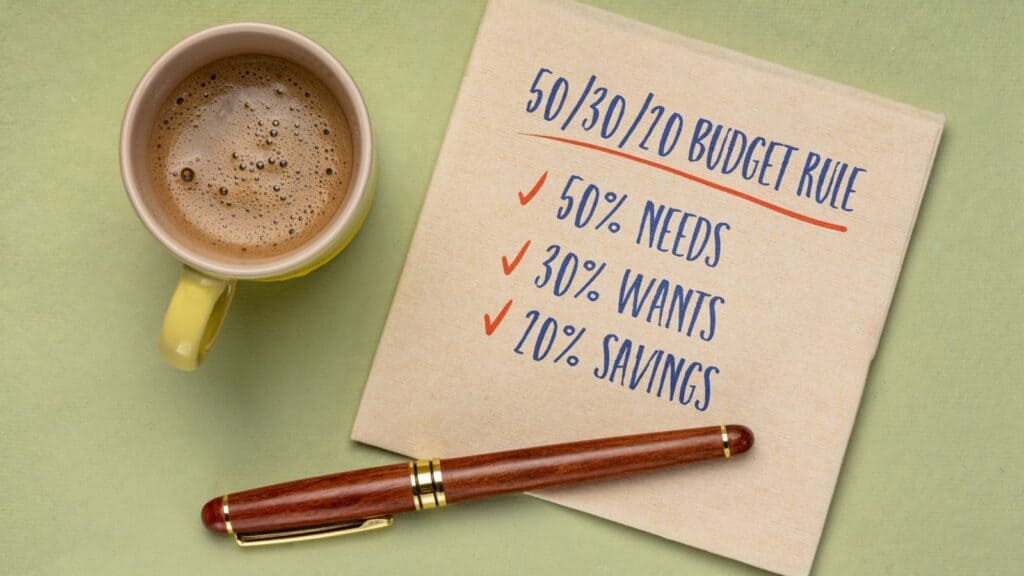
Let’s get real: emotional spending is a response to stress and emotions, not a character flaw. It’s common to spend when you feel overwhelmed, but doing so only adds to your financial strain. Instead of turning to the mall, try budgeting “fun money” or setting up regular “money dates” with friends to hold each other accountable.
Disclosure: This article was developed with the assistance of AI and was subsequently reviewed, revised, and approved by our editorial team.
Like our content? Be sure to follow us