10 controversial things Apostle Paul wrote about gender roles
Few ancient voices shape modern ideas about gender more powerfully, or more uncomfortably, than Paul’s.
The Apostle Paul stands as perhaps the most polarizing figure in the New Testament when we talk about how men and women should relate to one another. His letters were not just casual check-ins with friends but served as heavy-hitting rulebooks that continue to spark fierce debates in seminaries and living rooms across America. You really cannot have a conversation about faith and feminism without eventually bumping into his ancient and often fiery instructions.
These texts have shaped Western culture for two thousand years, yet they often feel completely at odds with our modern sensibilities regarding equality and fairness. While some view his words as timeless divine orders, others see them as cultural artifacts that we should have left behind centuries ago, alongside tunics and chariots. It is fascinating to see how these specific passages still dictate who stands behind the pulpit and who sits in the pew.
Women Should Remain Silent In The Churches

Paul drops a bombshell in his first letter to the Corinthians that has left readers scratching their heads for centuries. He explicitly instructs women to keep quiet during worship services and states they are not permitted to speak, a command that seems harsh to our modern ears. This verse alone has arguably caused more confusion and church splits than any other text regarding gender.
The context suggests he might have been addressing disruptions or chatter rather than banning all female speech, especially since he discusses women prophesying elsewhere. However, literal interpretations have historically been used to silence women completely in religious settings. Even today, this passage forces churches to make difficult decisions about how much participation they allow from half their congregation.
Wives Must Submit To Their Husbands

In his letter to the Ephesians, Paul sketches out a household code that frankly ruffles a lot of feathers in twenty-first-century America. He tells wives to submit to their husbands as they would to the Lord, establishing a hierarchy that feels foreign to egalitarian relationships. For many modern couples, this instruction feels like a relic from a time when women had very few legal rights.
However, supporters argue this submission is voluntary and paired with a command for husbands to love their wives sacrificially, like Christ loves the church. It is not about a dictatorship but rather a specific dance of deferring to one another. Recent Pew Research data from 2023 shows that 55% of marriages now have a husband as the primary breadwinner, suggesting traditional dynamics persist alongside modern shifts.
I Do Not Permit A Woman To Teach A Man
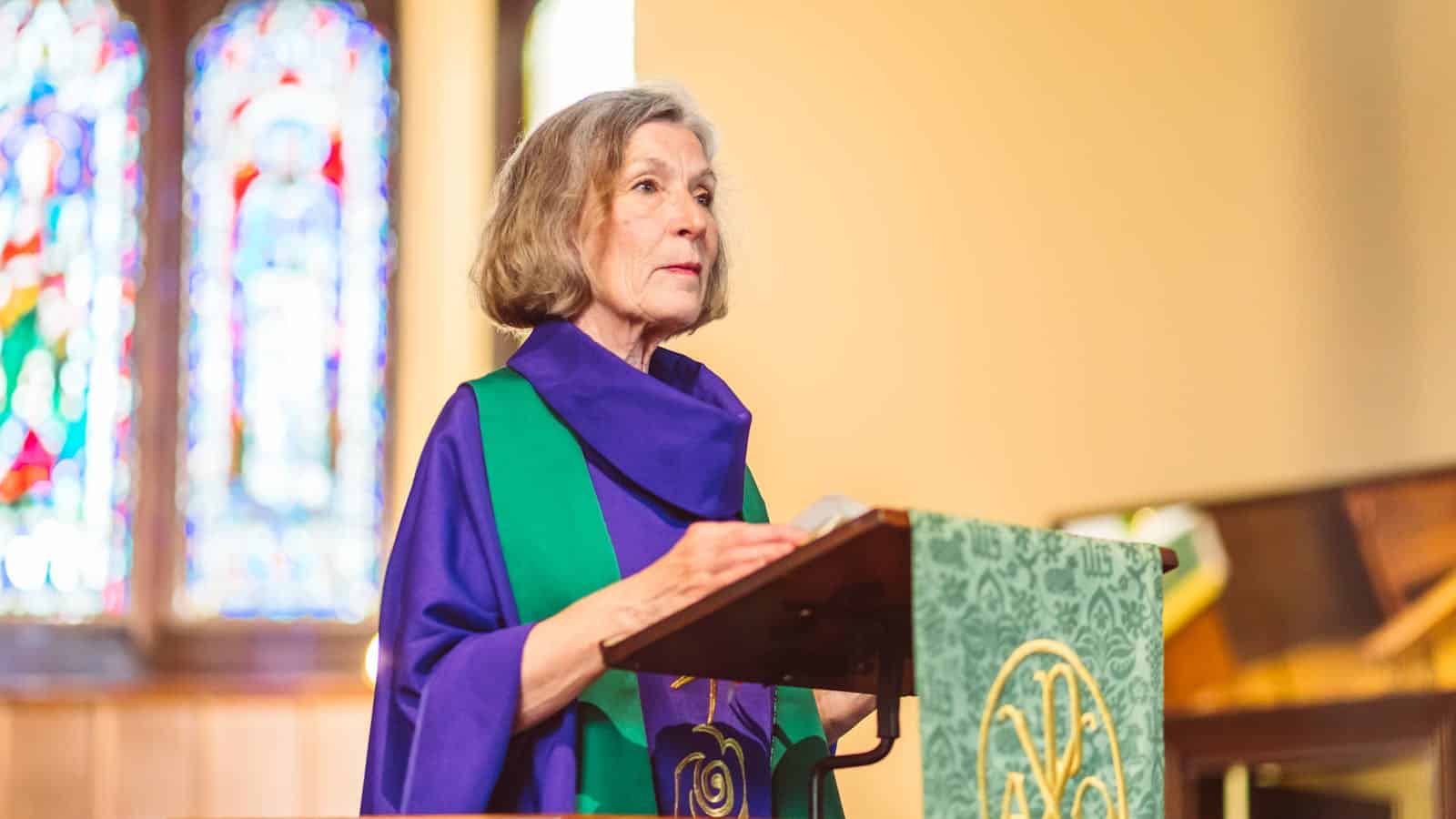
This instruction to Timothy is the bedrock text for denominations that refuse to ordain female pastors. Paul writes that he does not allow a woman to teach or assume authority over a man, linking this rule back to the creation order of Adam and Eve. This single sentence is the primary reason why you will not see women preaching Sunday sermons in many conservative denominations.
The debate centers on whether this was a temporary fix for a heresy problem in Ephesus or a permanent rule for all believers. Some scholars suggest that uneducated women were spreading false myths, necessitating the ban. According to a CNN report in 2024, nearly 61% of messengers voted to ban churches with women pastors, proving this ancient text still drives major institutional decisions.
Women Will Be Saved Through Childbearing

Just when you think you have a handle on his theology, Paul throws a curveball about salvation and motherhood. He writes to Timothy that women will be saved through childbearing, provided they continue in faith, love, and holiness. It is easily one of the most difficult and debated lines in all of scripture because it sounds like salvation by biological function.
Most theologians rush to clarify that he doesn’t mean giving birth grants eternal life, which would contradict his other teachings on grace. Instead, he might be referring to the birth of Jesus or the role of raising godly children. Regardless of the interpretation, this verse has historically been used to push women solely toward domestic roles and away from public leadership.
Man Is The Head Of The Woman

Paul uses a biological metaphor in Corinthians to describe spiritual authority, stating that the head of every man is Christ, and the head of the woman is man. This “headship” language constructs a vertical chain of command that many find deeply uncomfortable. The debate rages over whether “head” means “boss” or “authority” versus “source” like the headwaters of a river.
If he meant “source,” he is referencing Eve coming from Adam’s rib, which changes the tone from authority to origin. But if he meant “leader,” it reinforces a strict patriarchal structure. A recent Lifeway Research study found that a slight majority of Protestant pastors say the office of senior pastor is open to women, showing how this “headship” concept remains a massive barrier.
Short Hair For Men And Long Hair For Women

In a passage that feels particularly culturally bound, Paul argues that nature itself teaches us that long hair is a disgrace for a man but a glory for a woman. He insists on head coverings for women while praying or prophesying to maintain proper social order. Paul anchors his argument in what he calls “nature,” yet hair length norms have obviously shifted wildly across different cultures and eras.
Today, very few American churches require women to wear hats or veils, dismissing this as a cultural quirk of first-century Corinth. It serves as a prime example of how we pick and choose which commands are permanent. Despite the cultural drift, some conservative pockets still cite this logic to enforce rigid distinctions in dress and appearance between the sexes.
Man Is The Image Of God, But Woman Is The Glory Of Man

Paul sets up a distinction in glory that sounds incredibly demeaning if you read it with modern eyes. He writes that a man ought not to cover his head because he is the image and glory of God, but a woman is the glory of man. He seems to be saying that while men reflect God directly, women are a reflection of men.
This hierarchy of glory is often used to support the idea that men have a primary role in representing God that women do not share in the same way. It connects back to the Genesis creation account, where Eve was made from Adam. This theological point is often the quiet foundation for why some traditions insist that only men can serve as priests or icons of Christ.
Created For The Man

Doubling down on the Genesis connection, Paul writes that man was not created for woman, but woman for man. This asserts a purpose for women’s existence that is derivative of men’s needs, specifically their need for a helper. It suggests that women were designed specifically to aid and complement men, rather than existing as independent agents.
This “helper” theology is beautiful to some who see it as a partnership, but stifling to others who see it as permanent servitude. It frames a woman’s purpose almost entirely in relation to a man. Data from Barna Group in 2025 revealed a historic shift where men are now outpacing women in church attendance, perhaps suggesting that male-centric theology resonates differently with modern men.
Deacons Must Be The Husband Of One Wife
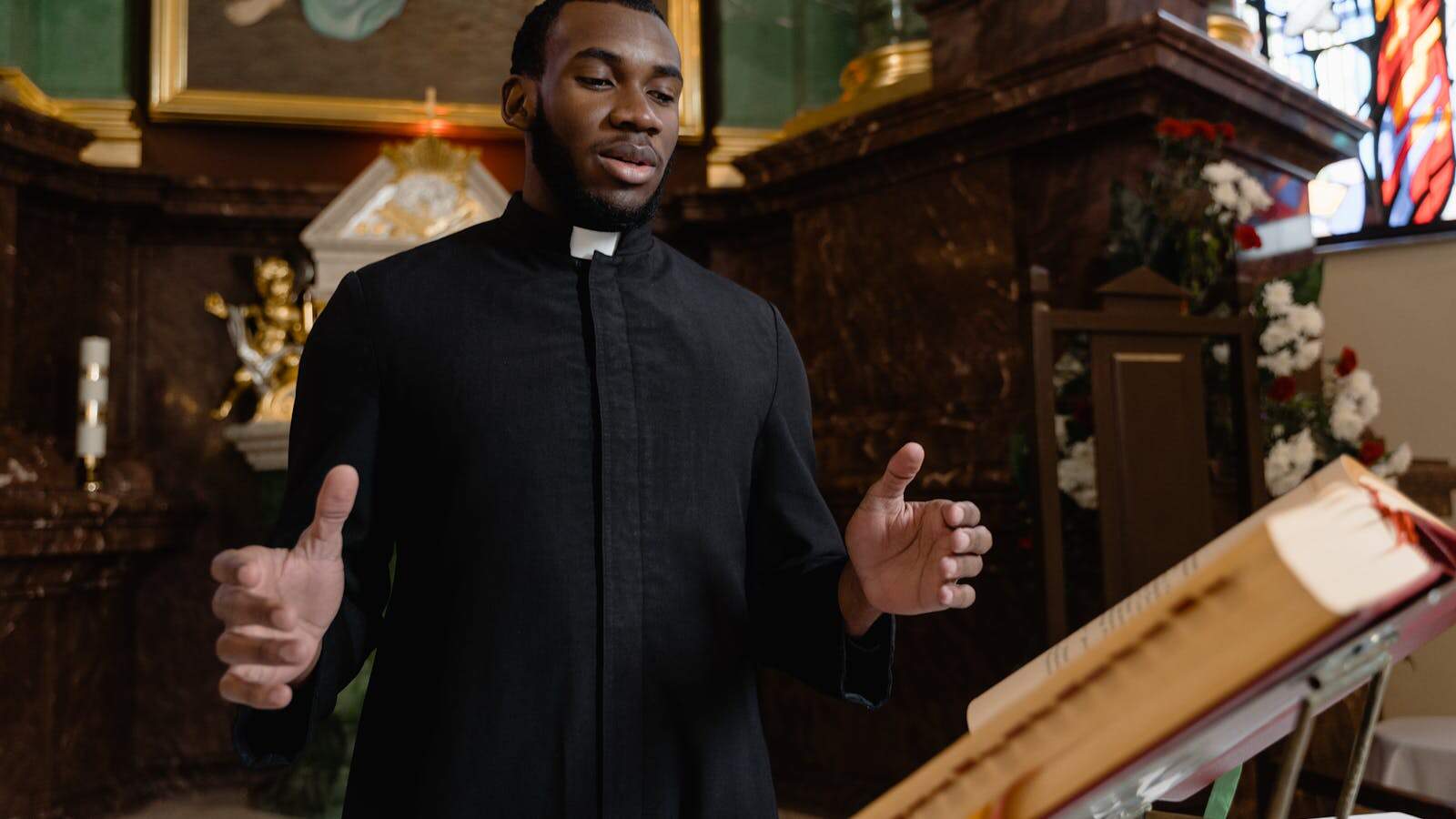
When listing the qualifications for church leaders, Paul specifies that a deacon or elder must be the “husband of one wife.” This phrase is often interpreted as a “men only” sign on the pastor’s office door. Literalists argue that since a woman cannot be a husband, she naturally cannot be an elder or a pastor.
Others view it as a generic idiom for “faithful spouse” that would apply to anyone, similar to “mankind” covering all people. But the specific gendered language remains a hurdle. In 2024, the percentage of women identifying as Christian in the U.S. dropped to 66%, and rigid exclusionary leadership rules are often cited as a contributing factor for younger generations leaving.
Younger Widows Should Marry And Keep House

Paul advised that younger widows should not be put on the church support list but should instead marry, have children, and manage their homes. He worried that without these domestic duties, they would become idlers and gossips. He frames domestic life not just as a choice but as a safeguard against moral failure for young women.
This advice pigeonholes women into the domestic sphere as their primary safe zone. It implies that a woman without a husband or household to manage is a danger to the community. While economic conditions have changed, the pressure for women to find their primary fulfillment in domestic management is a thread that runs straight from these letters to modern “trad-wife” trends.
Like our content? Be sure to follow us