10 life-changing lessons I’ve learned as a Christian
Stop me if you’ve heard this one: faith is dying, science killed it, and the future is purely secular. But here’s the plot twist: the data says otherwise. While cultural Christianity might be fading, a resilient core of active faith is stabilizing and even growing in influence according to 2025 Pew Research data.
I used to think faith was just about Sunday services and potlucks. But after years of walking this path, I’ve realized it’s a radical toolkit for surviving modern life. We’re talking about ancient wisdom that solves 21st-century problems like burnout, loneliness, and the crushing pressure to “be someone.”
Here are 10 life-changing lessons I’ve learned that might just change your mind, too.
Community is the ultimate life hack for loneliness

We are living through a legitimate “loneliness epidemic.” The U.S. Surgeon General declared it a public health crisis recently, noting it’s as deadly as smoking 15 cigarettes a day. But here’s what I’ve found: the church, when it’s functioning right, is the original social network, and the stats back this up big time.
According to the 2024 State of the Bible report, only 12% of weekly churchgoers report high levels of loneliness, compared with 25% among those who never attend. It’s not just about sitting in a pew; it’s about “bonding social capital.” In a world where digital friends are plentiful but real connections are scarce, having a group of people obligated to bring you casserole when you’re sick is a game-changer.
Forgiveness is a selfish act (in a good way)

I used to think forgiveness was about letting the other person off the hook. Turns out, it’s actually about saving my own skin. Dr. Fred Luskin from the Stanford Forgiveness Project puts it perfectly: “Forgiveness is for you and not the offender”. Holding a grudge is like drinking poison and expecting the other person to die.
The medical receipts on this are wild. The Mayo Clinic reports that letting go of resentment leads to lower blood pressure, a stronger immune system, and improved heart health. Archbishop Desmond Tutu famously said, “Without forgiveness, we remain tethered to the person who harmed us”. Learning to cut that tether hasn’t just made me a better Christian; it’s made me a healthier human.
Prayer literally rewires your brain
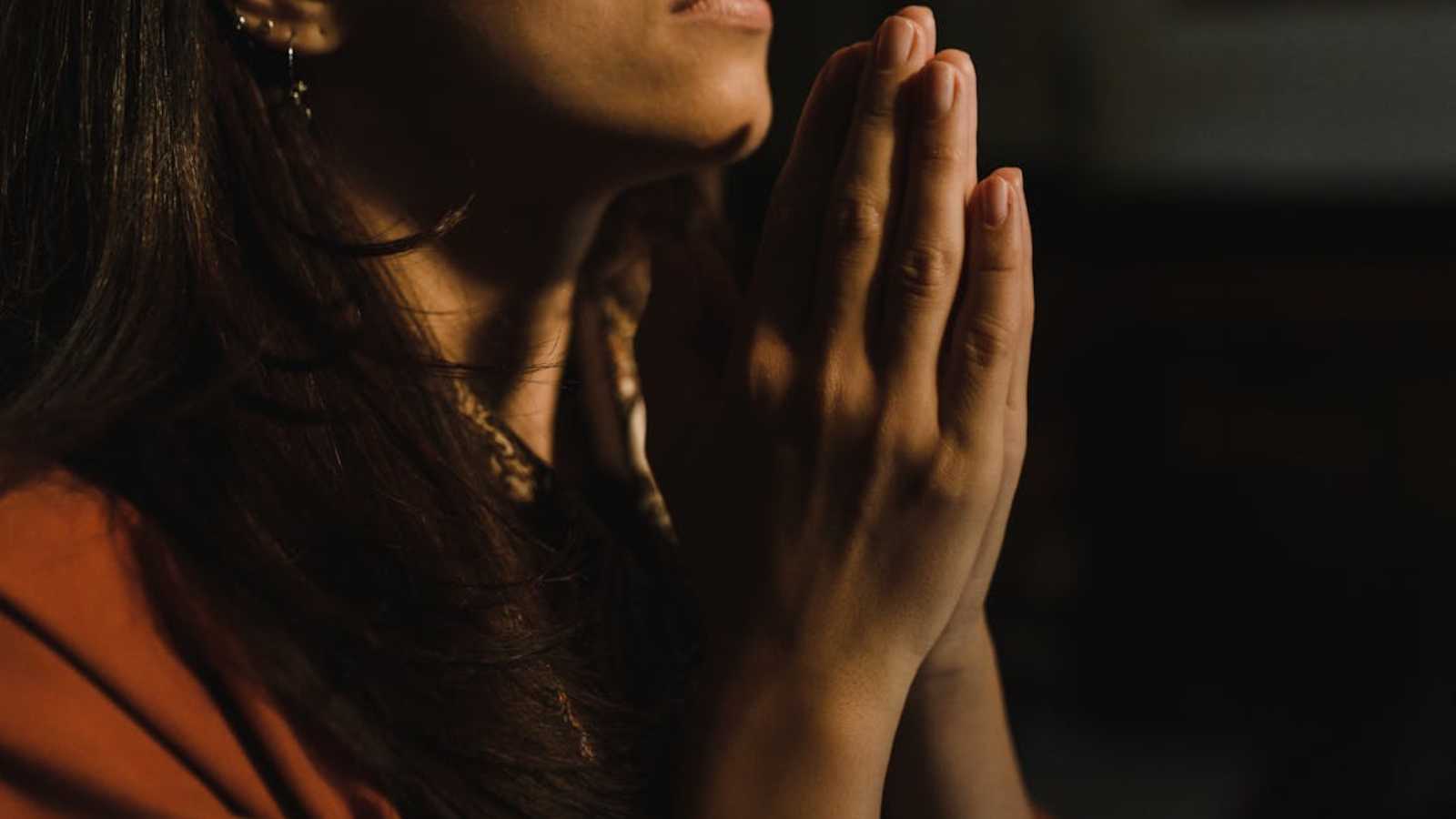
For a long time, I treated prayer like a cosmic vending machine: insert request, get blessing. But neuroscience shows it’s actually a form of intense cognitive restructuring. Research indicates that just 12 minutes of daily focused prayer can strengthen neural pathways associated with positive emotions.
The type of prayer matters, though. A 2025 study analyzing the Baylor Religion Survey found that prayers of gratitude and adoration boost mental health, while obsessive petitionary prayer (just asking for stuff) can actually increase anxiety. Shifting my focus from “God, give me this” to “God, thank you for this” was a total brain reset.
Generosity isn’t just for the wealthy

In a culture obsessed with accumulation, giving money away feels completely counterintuitive. Yet, data from Giving USA shows Americans gave a record $592.5 billion to charity in 2024. Here is the kicker: the people with the least often give the most.
It’s called the “U-shaped curve” of generosity. Households earning under $50,000 donate about 14.2% of their income, while those earning between $500,000 and $2 million give only 3.9%. I’ve learned that generosity destroys the scarcity mindset. When I tithe (give 10%), I’m declaring that money is a tool, not my master. IMO, it’s the most freeing financial move you can make.
Your job is not your savior

We live in a hustle culture that demands we find our identity in our careers. I fell into this trap hard until I read Tim Keller, who argued that “work must be subservient to God”. If your identity is built on your career, success goes to your head, and failure goes to your heart.
Keller called it the “Ministry of Competence”: serving others by doing your job well, without letting it define your soul. This shift protects you from the crushing highs and lows of the marketplace. I can now have a bad day at work without feeling like a bad person because my value isn’t on my business card.
Napping is practically a spiritual discipline

Burnout is real, and the “always-on” lifestyle is killing us. Enter the Sabbath. It’s not just a religious rule; it’s an act of resistance against a system that wants to work you to death. A study of 1,300 teachers found a statistically significant link between Sabbath-keeping and lower burnout rates.
For me, taking 24 hours off, no email, no “productive” hobbies, felt lazy at first. Now, I see it as essential. As Tricia Hersey of The Nap Ministry says, “Rest is a form of resistance”. God rested on the seventh day, so who am I to think I need to grind 24/7?
“Curated” vulnerability is the worst

Social media has created a weird “aesthetic Christianity”, beige Bibles, and perfectly lit coffee cups. But real faith is messy. Brene Brown, whose research on shame is top-tier, teaches that “vulnerability is the birthplace of connection”.
However, there’s a difference between being real and “performative vulnerability” for likes. I’ve learned that true authenticity happens in safe, face-to-face communities, not in an Instagram caption. As one critic noted, we often trade the “messy, beautiful reality” of following Jesus for an “it girl” image that helps no one. Real vulnerability risks rejection; curated vulnerability just begs for validation.
You don’t have to be the main character

We live in the age of the selfie and the “personal brand.” It’s exhausting trying to be the star of the show all the time. The Christian virtue of humility, thinking of yourself less, not thinking less of yourself, is the antidote to our modern narcissism.
Research from Boston University found that humility predicts better leadership and cultural intelligence. It relieves the pressure to always be right or recognized. Stepping out of the spotlight and serving others isn’t a weakness; it’s a relief. It’s okay to be a background character in someone else’s story.
The divorce myth is totally busted

You’ve probably heard the stat: “50% of marriages end in divorce, even for Christians.” Spoiler alert: that’s a myth. When sociologists filter the data to include only active churchgoers, the divorce rate drops significantly, by 27% to 50% compared with the general population.
The keyword is active. Nominal Christians (those who just check the box) actually have higher divorce rates than atheists. But for couples who pray together and attend church? The stability is off the charts. It turns out, sharing a core set of values and a community support system actually helps you stay married. Who knew?
God actually has a sense of humor

Finally, let’s kill the stereotype that Christians are joyless “Ned Flanders” types. If you think God doesn’t have a sense of humor, look at the platypus. Or the fact that “Christian pickup lines” exist (e.g., “Is your name Faith? Cause you’re the substance of things I’ve hoped for”).
Joy is a serious business in faith. It’s a “fruit of the Spirit,” not a personality quirk. Laughter has been a survival mechanism for the church for 2,000 years. I’ve learned not to take myself too seriously because, at the end of the day, grace covers my awkwardness, too.
Key Takeaway

Faith isn’t just a Sunday obligation; it’s a survival strategy for a chaotic world. From the neuroscience of prayer to the sociology of community, the “rules” of Christianity turn out to be the very things that keep us sane, healthy, and connected.
So, next time you feel overwhelmed by the hustle, maybe try a nap (Sabbath), a donation (generosity), or a real conversation (community). It might just change your life.
Disclosure: This article was developed with the assistance of AI and was subsequently reviewed, revised, and approved by our editorial team.
20 Odd American Traditions That Confuse the Rest of the World

20 Odd American Traditions That Confuse the Rest of the World
It’s no surprise that cultures worldwide have their own unique customs and traditions, but some of America’s most beloved habits can seem downright strange to outsiders.
Many American traditions may seem odd or even bizarre to people from other countries. Here are twenty of the strangest American traditions that confuse the rest of the world.
20 of the Worst American Tourist Attractions, Ranked in Order

20 of the Worst American Tourist Attractions, Ranked in Order
If you’ve found yourself here, it’s likely because you’re on a noble quest for the worst of the worst—the crème de la crème of the most underwhelming and downright disappointing tourist traps America offers. Maybe you’re looking to avoid common pitfalls, or perhaps just a connoisseur of the hilariously bad.
Whatever the reason, here is a list that’s sure to entertain, if not educate. Hold onto the hats and explore the ranking, in sequential order, of the 20 worst American tourist attractions.