10 sleep changes that signal your stress is getting out of control
Mounting stress is quietly hijacking your nights, and the warning signs are showing up long before your alarm clock rings.
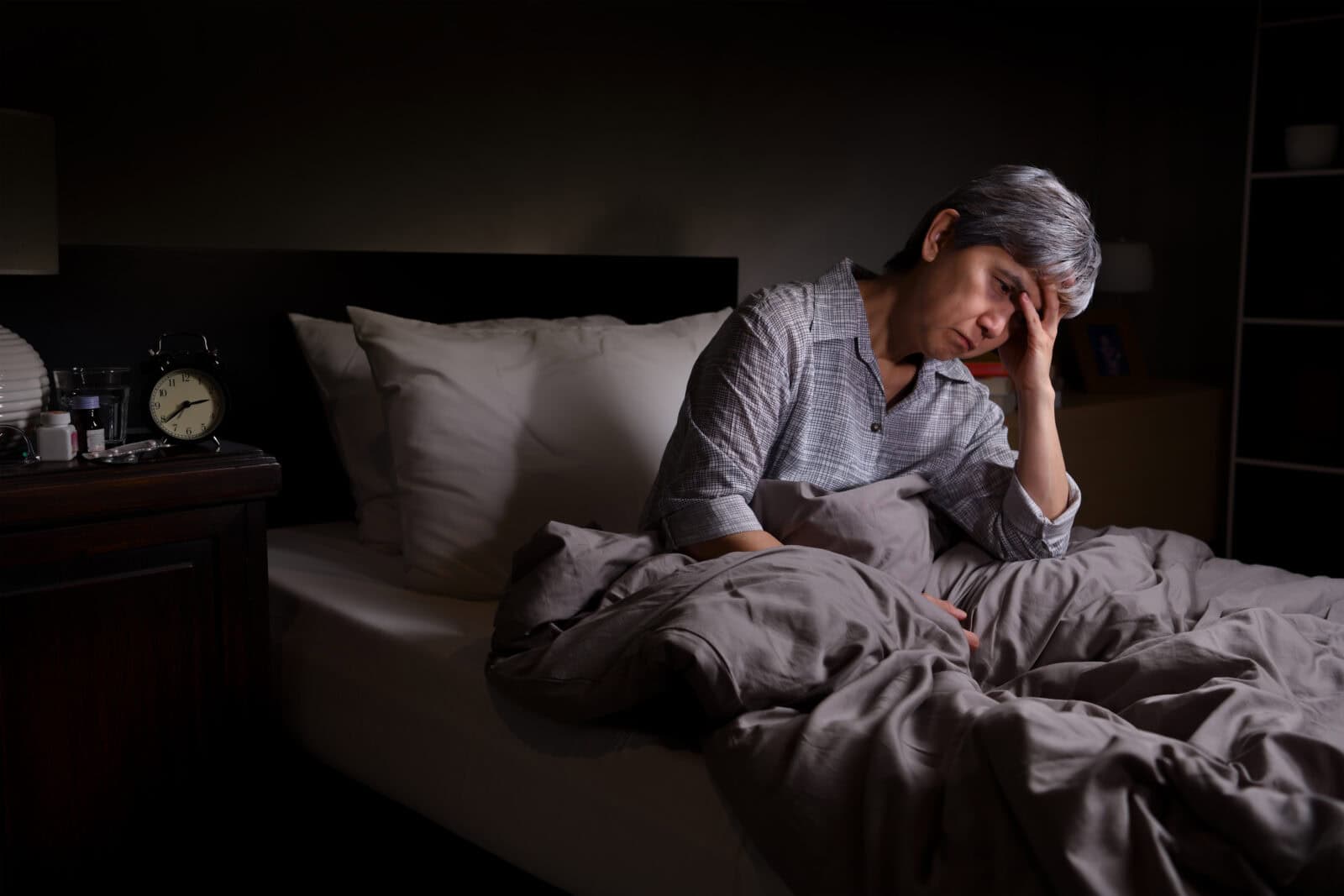
Getting a good night of rest feels like catching a greased pig lately. Many folks toss and turn for hours while counting sheep to absolutely no avail. A racing mind often refuses to shut down after a completely exhausting day. You might just brush off these restless nights as normal bumps in the road.
Your body has a funny way of sounding the alarm when the pressure gets too high. Sleep habits are usually the first domino to fall when anxiety takes the wheel. Keep an eye out for these ten nighttime indicators that prove your tension is boiling over.
Waking Up During The Witching Hour

You finally drift off, only to jolt awake at three in the morning with a pounding heart. Your brain immediately starts generating a laundry list of chores for the upcoming day. According to Medical News Today, 43 percent of adults report waking up during the night due to stress at least once a month.
Getting back to dreamland becomes an impossible task once those floodgates open. The quiet darkness somehow magnifies every single worry weighing on your shoulders. Breaking this frustrating cycle requires setting strict boundaries with your evening winding-down ritual.
Experiencing Bizarre And Vivid Nightmares

Your dreams suddenly feel like blockbuster action movies directed by your deepest fears. Stress hormones severely disrupt your normal sleep cycles and trigger intense nighttime mental theater. Your brain tries to process heavy daytime emotional baggage while you are supposedly resting.
Waking up in a cold sweat usually means your nervous system is working overtime. These jarring nocturnal adventures leave you feeling more drained than when your head hit the pillow. Keeping a simple notepad by the bed helps get those wild thoughts out of your head.
Grinding Your Teeth Into Dust

PubMed Central notes that roughly 13 percent of adults suffer from sleep bruxism, which i soften linked to daily anxiety. You might wake up with a sore jaw and a completely unexplainable headache. Dentists often spot the physical damage to your enamel before you even realize there is a problem.
Clenching your jaw all night is a classic sign of suppressed tension bubbling to the surface. Your body is basically fighting invisible battles while you are completely unconscious. Wearing a basic mouthguard protects your smile while you learn to manage those heavy daytime pressures.
Sweating Through Your Favorite Pajamas
Night sweats are not just reserved for warm summer evenings or thick blankets. A sudden surge in cortisol can easily turn your comfortable bed into a literal sauna. Waking up drenched in perspiration often means your fight or flight response is stuck in the on position.
You might find yourself constantly kicking off the covers and then shivering a few minutes later. This uncomfortable temperature rollercoaster ruins any chance of achieving deep restorative rest. Cooling your room down and practicing deep breathing exercises will help regulate your internal thermostat.
Feeling Paralyzed By Morning Fatigue

The alarm clock rings, and your body feels like it is made of solid lead. You hit the snooze button five times because opening your eyes feels like a Herculean task. A recent Centers for Disease Control and Prevention survey revealed that 36.8 percent of adults do not get the recommended seven hours of rest.
Sleeping for eight solid hours means absolutely nothing if the quality is completely garbage. Chronic worry prevents your brain from entering the crucial healing phases of the sleep cycle. Pushing through the morning fog with excessive coffee only masks the underlying exhaustion problem.
Developing A Case Of Restless Legs

You lie down and suddenly feel an overwhelming urge to move your lower limbs constantly. This creepy-crawling sensation makes sitting still or relaxing feel completely impossible. High stress levels frequently exacerbate these uncomfortable physical symptoms right when you want to relax.
You end up tossing and turning like a fish out of water for half the night. Your partner might even complain about you kicking them under the shared blankets. Stretching gently before bed provides some temporary relief from the maddening urge to keep moving.
Relying Heavily On Sleep Aids

Healthline says data from the National Center for Health Statistics indicates that over 8 percent of adults use sleep medication every single night. Reaching for those over-the-counter pills becomes a mandatory part of your nightly routine. You start believing that falling asleep naturally is a completely lost cause.
Masking the symptom with chemistry does not fix the root cause of your buzzing mind. These temporary fixes often lead to a brutal grogginess that follows you around the next day. Working on stress reduction offers a much more sustainable solution for your tired brain.
Waking Up With A Racing Heartbeat

Your eyes snap open, and your chest is immediately pounding like a bass drum. There is absolutely no reason for your body to be in full panic mode at sunrise. Morning anxiety spikes are a massive indicator that your cortisol rhythm is completely out of whack.
Starting your day on high alert sets a terrible tone for the next twelve hours. You feel completely exhausted before you even step foot out of your bedroom door. Taking five minutes to meditate upon waking helps lower your pulse to a normal level.
Doom Scrolling Until The Sun Comes Up

A YouGov survey found that roughly 43 percent of adults admit to looking at their phones immediately before trying to sleep. You tell yourself you will just watch one quick video, but suddenly, hours have vanished entirely. The blue light from your screen tricks your brain into thinking it is still daytime.
Consuming terrible news late at night adds unnecessary fuel to your blazing anxiety fire. This digital distraction is just an unhealthy coping mechanism for avoiding your racing thoughts. Leaving your phone in the kitchen overnight forces you to confront the quiet moments.
Dreading The Bedroom Entirely

Just looking at your perfectly made bed starts filling your stomach with total dread. Your mind associates the mattress with frustration instead of comforting rest. A survey by the American Academy of Sleep Medicine states that 74 percent of people report that stress causes them significant sleep difficulties.
You start falling asleep on the living room couch just to avoid the actual bedroom. Changing your environment feels like the only way to trick your brain into shutting down. Transforming your room back into a peaceful sanctuary requires patience and serious daytime stress management.
Like our content? Be sure to follow us