Millennials are likely raising “Velcro kids.” Is that bad?
When childhood comfort becomes constant proximity, the line between care and dependence begins to quietly blur.
Millennials are drastically changing the American family tree, and the resulting generational shift is a massive cultural phenomenon casually known by exhausted moms and dads as raising Velcro kids.
These are incredibly attached children who stick to their primary caregivers like absolute glue, showing intense emotional dependency and a strong, undeniable preference for constant physical closeness.
This modern attachment style stems directly from massive shifts in child-rearing philosophies, severe household economic pressures, and unprecedented global events that kept anxious families securely locked inside together for months on end.
What Are Velcro Kids Exactly?

Velcro kids are children who exhibit an intense, unrelenting need to remain physically and emotionally attached to their parents at all times of the day. They often struggle to play alone in a quiet room, strongly preferring to sit directly at their mother or father’s feet.
This constant need for reassurance and physical contact goes far beyond the typical clingy phases that toddlers naturally experience as they grow. Caregivers of these deeply attached children often find themselves completely unable to complete basic household chores without a tiny shadow following them around the house.
The child acts as a literal extension of the parent, reacting with severe distress if a physical barrier separates them even for a brief moment. According to a Pew Research Center 408 survey, 66% of U.S. parents say parenting is harder today than it was 20 years ago.
Characteristics of Velcro Kids
1. Extreme Emotional Dependency
The first major hallmark of a Velcro kid is their intense reliance on a parent to constantly regulate their daily emotional outbursts. Instead of self soothing during a minor frustration, the child expects the caregiver to manage the big feelings and fix the problem immediately.
If a favorite toy breaks or a small snack falls on the floor, the resulting emotional fallout requires extensive, prolonged parental intervention. This recurring dynamic creates a tight loop where the child never truly learns how to sit with mild discomfort or bounce back from tiny failures.
Over time, the parent becomes an emotional crutch that the growing child leans on for every single social interaction or minor daily inconvenience. A Mott Children’s Hospital National Poll revealed that 57% of generational disagreements specifically revolve around discipline as older relatives question this heavy emotional coddling.
2. Constant Need For Proximity
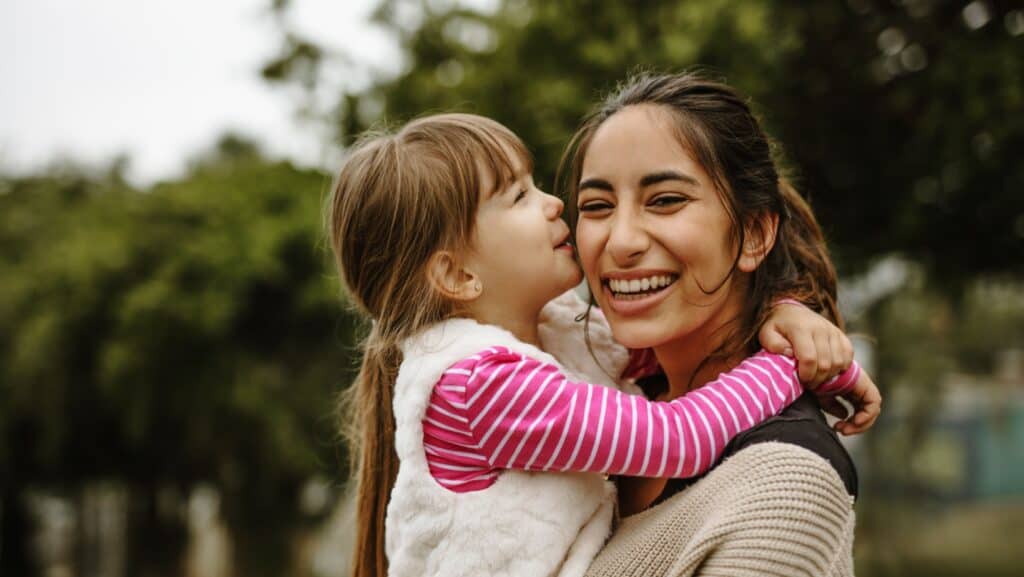
A physical inability to separate from caregivers is the absolute most visible sign that you might be raising one of these highly attached children. These kids do not just want to be in the same house as you; they desperately need to be in your direct line of sight.
Walking out to the mailbox or stepping into a quick shower often triggers a full blown meltdown if the child cannot tag along. Parents frequently report that their personal space has completely vanished, as these children demand to sit on laps during meals or sleep directly in the adult bed.
They treat their primary caregiver as a human home base, refusing to explore a neighborhood playground unless a parent holds their hand the entire time. Recent research assessing the impact of the pandemic published in the Annals of the Child Neurology Society showed that the prevalence of anxiety for children aged 8 to 11 increased from a prepandemic rate of 6.6% to an alarming 38.1%.
3. Difficulty With Independent Play
Independent play is a critical developmental milestone, yet Velcro kids severely lack the basic ability to entertain themselves for any meaningful stretch of time. If a parent tries to step back and let the child use their natural imagination, the child immediately demands direction or active adult participation.
They view their expensive toys as tools for interaction rather than interesting objects they can explore and enjoy completely on their own. This severe lack of solitary creativity means the utterly exhausted adults in the house are constantly forced into the incredibly demanding role of full time recreational cruise directors.
The dependent child wholly expects a continuous stream of curated activities, highly structured games, and completely undivided adult attention from dawn until dusk. A 2024 Lurie Children’s Hospital survey found that 74% of millennial parents actively practice gentle parenting, which often blurs the line between supporting a child and constantly entertaining them.
The Shift To Gentle Parenting Styles
Many of these incredibly intense attachment behaviors stem directly from the massive generational pivot to more empathetic, emotionally responsive child rearing methods that prioritize feelings above all else.
Millennial parents desperately want to validate every single human feeling, often hovering extremely closely to make absolutely sure their growing child never feels abandoned or misunderstood by the modern world.
While the underlying psychological intention is undeniably beautiful, this extreme hyper awareness sometimes prevents growing children from building necessary mental resilience and healthy, age appropriate independence.
The constant, open dialogue about complicated feelings can accidentally teach kids that they desperately need an adult to process every single thought that crosses their young mind.
Parents are completely exhausting themselves trying to perfect this deeply nurturing approach while actively dodging the harsher discipline tactics of the past. According to a Pew Research Center report 408, 44% of parents want to raise their children in a way that is different from their own upbringing.
Pandemic Isolation Altered Social Dynamics
We simply cannot ignore the massive elephant in the room regarding how global pandemic lockdowns permanently shaped an entire cohort of young people. Millions of children spent their most formative early years locked inside a house with only their immediate family members for entertainment and comfort.
They tragically missed out on crucial early socialization opportunities like casual daycare drop offs, library storytimes, and chaotic neighborhood playdates. By the time the outside world opened back up, these kids had already hardwired their developing brains to view their parents as their only safe harbor.
Stepping into a crowded elementary classroom or a noisy birthday party suddenly felt incredibly threatening to a child who had only known the quiet safety of their living room. A 2024 study published in PLOS One found that over 33% of parents practicing gentle parenting experience high levels of uncertainty as they try to guide these isolated children back into society.
What Velcro Kids Mean For Future Schools

Frustrated educators are already sounding the alarm about a massive influx of young students who simply do not know how to function without constant adult guidance. Teachers report that incoming kindergarteners severely struggle to open their own snack wrappers, resolve minor peer conflicts, or follow basic instructions independently.
Classrooms are becoming completely overwhelmed as educators are forced to act as personal emotional regulators for twenty different needy students at once. This incredibly heavy reliance on active teacher intervention drastically slows down daily academic progress and takes extremely valuable time away from executing actual academic lesson plans.
Public and private schools are currently having to completely rewrite their core behavioral expectations to accommodate a generation that aggressively demands intense, individualized attention at all times.
If this deeply troubling trend continues entirely unchecked across the country, the entire American educational system will face unprecedented logistical challenges in managing basic classroom autonomy.
Adapting American Workplaces For New Adults
The long term economic implications of extreme childhood dependency will eventually spill over into the corporate environment as these kids grow up and seek professional employment.
Frustrated managers might soon find themselves dealing with entry level employees who require constant positive reinforcement and severely struggle to tackle projects without step by step handholding.
The traditional business model of independent, self starting office work could experience a massive shock to the system very soon. Massive companies will likely have to quickly pivot their corporate training programs to focus heavily on basic problem solving skills and workplace emotional regulation.
We might see a massive increase in expensive workplace wellness programs designed specifically to soothe young professionals who panic at the first sign of critical feedback. The future American economy will require extreme corporate patience as businesses figure out how to integrate a highly sensitive workforce.
Like our content? Be sure to follow us