Factors that shape how some women view life in America
Women in America form their perspectives based on a mix of personal experiences, social influences, and broader cultural and political contexts. Generational differences, education, and socioeconomic status strongly shape women’s views on health, career, family, and society at large.
Pew Research Center notes that 62% of women say the social and political climate significantly impacts their day-to-day decision-making, from work-life balance to civic engagement. These factors combine to create a complex, multifaceted outlook on life, influencing priorities, opportunities, and expectations.
From personal safety to media consumption, these influences shape women’s beliefs, choices, and behaviors nationwide. Here’s a look at 9 factors that shape how some women view life in America, highlighting how societal norms, individual experiences, and structural realities interact to influence attitudes, decisions, and lifestyle preferences.
Socioeconomic Status and Financial Stability

Financial security plays a critical role in shaping women’s outlook, influencing decisions about education, work, and family. Brookings notes that women with higher incomes report greater confidence in planning long-term goals, whereas financial strain increases stress and limits perceived opportunities. This status impacts access to healthcare, housing, and leisure, and even shapes social interactions.
Women in unstable financial situations may focus on day-to-day survival, while those with stability can pursue education, career growth, and personal development, highlighting the strong link between resources and worldview.
Education and Access to Information

Women’s educational background profoundly influences how they interpret current events, societal norms, and professional opportunities. The National Center for Education Statistics reports that adults with higher levels of education are generally more likely to participate in civic activities, including voting, following current events, and engaging in their communities.
Education shapes analytical thinking, media literacy, and exposure to diverse perspectives. Women with access to advanced education often prioritize lifelong learning and informed decision-making, while limited access can constrain understanding of complex social issues. The ability to critically evaluate information directly affects personal choices, career paths, and societal participation, making education a key lens through which to view life.
Cultural and Family Background

Family values, traditions, and cultural upbringing strongly influence women’s priorities and worldview. Research suggests that women raised in collectivist households often place greater emphasis on community, caregiving, and social harmony, while those from individualistic backgrounds may prioritize independence and self-expression.
The Harvard Family Research Project highlights that family environments play a lasting role in shaping values, expectations, and patterns of family involvement. From parental guidance and sibling relationships to early role models, these experiences help form the frameworks people use to make decisions and interpret the world. These influences often extend into adulthood, shaping perspectives on relationships, career aspirations, and social roles.
Generational Differences
Age and generational identity influence women’s perception of social norms, work-life balance, and technology use. Pew Research Center notes that younger women tend to embrace more progressive social policies and digital lifestyles, while older generations prioritize stability and traditional roles. These differences affect political leanings, career decisions, and family dynamics.
Women’s exposure to varying historical and cultural contexts informs their expectations and priorities. Awareness of generational influences helps explain contrasting views on gender roles, economic participation, and societal engagement, shaping how women interpret both current trends and personal opportunities.
Health and Personal Wellness
Access to healthcare and attention to personal wellness heavily influence life satisfaction and choices. The CDC reports that women who actively manage their health, nutrition, and preventive care experience greater confidence and longevity. Physical and mental well-being affect daily productivity, emotional resilience, and social engagement.
Women with chronic health issues or limited healthcare access often adopt cautious lifestyles, while those prioritizing wellness may pursue active careers and hobbies. Understanding health as a factor highlights how bodily autonomy and care routines shape perspectives on work, family, and social participation across different stages of life.
Work-Life Balance and Career Opportunities
Women’s experiences in the workforce affect their perspectives on opportunity, equality, and personal fulfillment. The Bureau of Labor Statistics finds that women who achieve career progression while maintaining family responsibilities report greater satisfaction, whereas those constrained by systemic barriers express frustration.
Access to flexible work, leadership roles, and equitable pay shapes confidence, independence, and life goals. Work-life balance also shapes attitudes toward childcare, household responsibilities, and personal time, directly influencing daily routines and long-term planning, underscoring the complex interplay between career and personal satisfaction.
Political and Social Climate
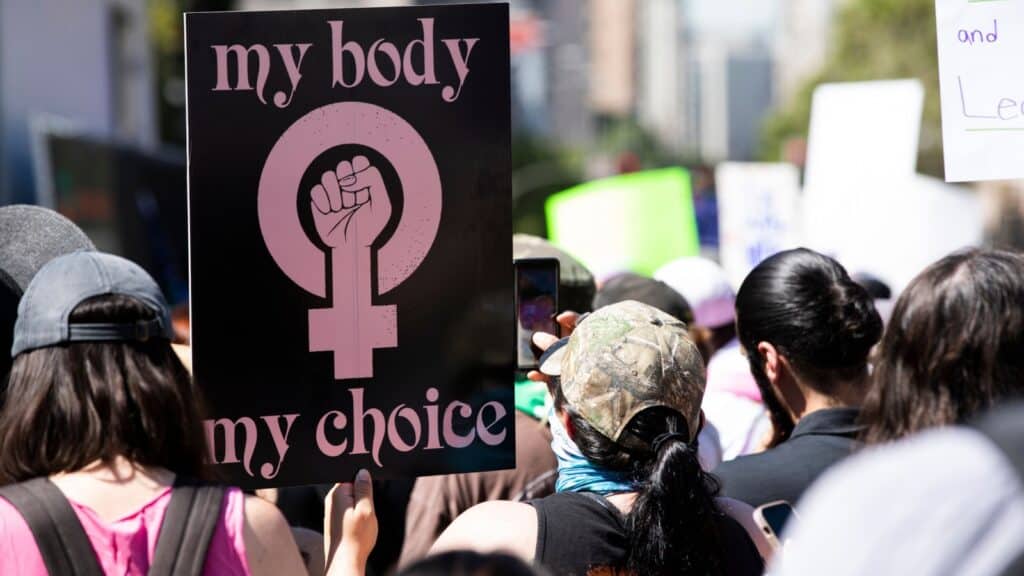
The political environment and social norms heavily influence women’s views. Pew Research notes that policy decisions on healthcare, reproductive rights, and education shape women’s trust in institutions and engagement with community issues. Social climate impacts perceptions of safety, equity, and opportunity.
Women exposed to supportive policies tend to feel empowered and optimistic, while those experiencing discriminatory practices may adopt more cautious or critical perspectives. Awareness of legal rights and civic responsibilities frames expectations and decision-making, influencing engagement in personal, social, and political spheres.
Media Consumption and Representation

Exposure to media and representation shapes women’s beliefs about beauty standards, success, and societal roles. The American Psychological Association shows that consistent portrayals of gender stereotypes affect self-perception, confidence, and lifestyle choices.
Women who consume diverse, empowering media content are more likely to embrace independence and career growth. In contrast, those exposed primarily to traditional or narrow depictions may feel constrained by societal expectations. The media also informs political awareness, consumer behavior, and social attitudes, highlighting its central role in shaping worldviews and priorities.
Social Networks and Peer Influence
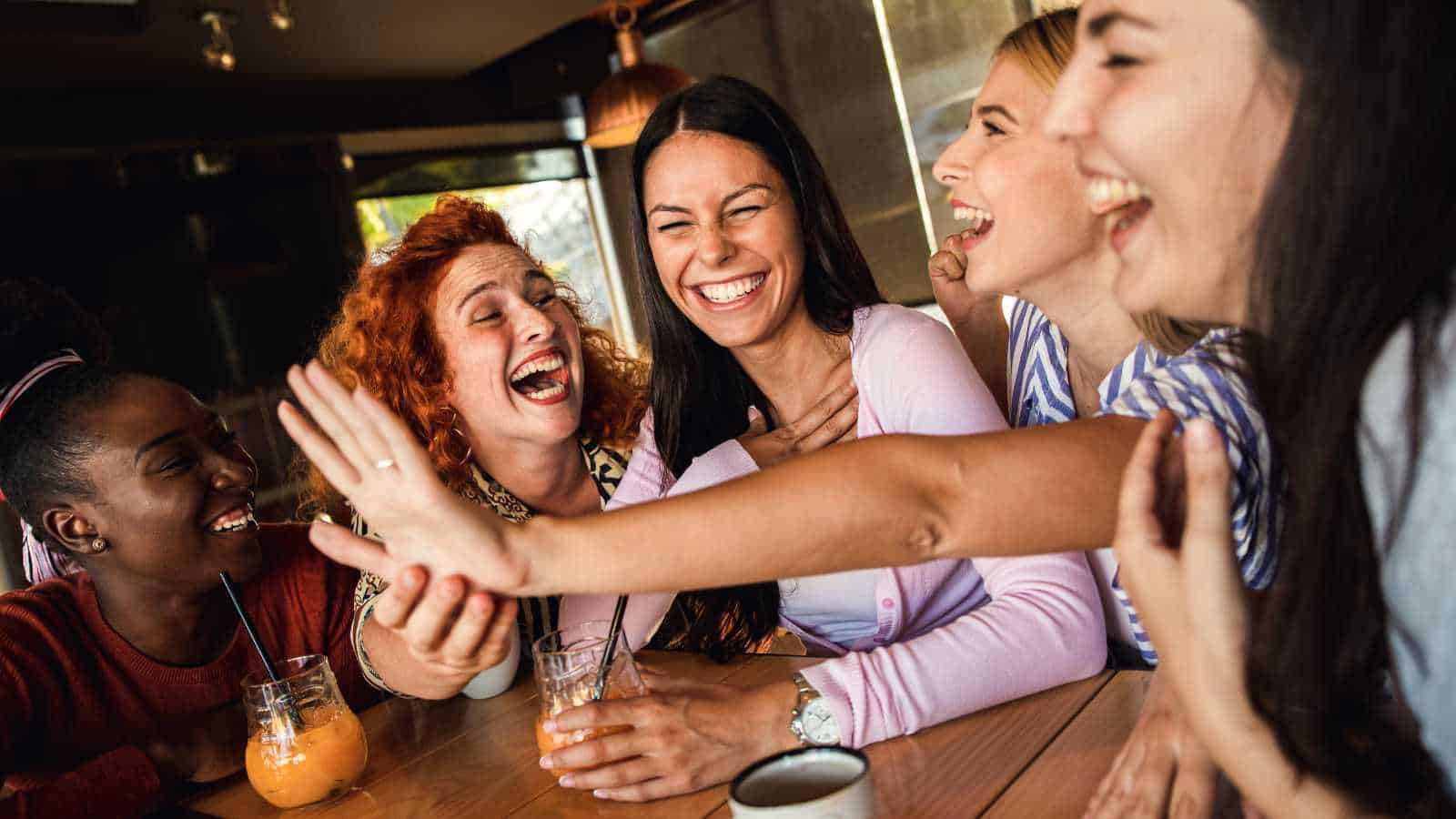
Family, friends, and professional networks often shape women’s opinions and life choices. Harvard Business Review highlights that peer support and mentorship contribute to confidence, risk-taking, and career progression.
Positive networks encourage ambition, wellness, and community involvement, whereas negative or unsupportive circles may reinforce limiting beliefs or unhealthy habits. Social feedback informs perceptions of self-worth, decision-making, and lifestyle, demonstrating the profound impact of personal and professional relationships on how women navigate life and interpret social norms.
Disclosure: This article was developed with the assistance of AI and was subsequently reviewed, revised, and approved by our editorial team.
Like our content? Be sure to follow us