11 money & access lessons every woman should pay attention to
Think about the last time you felt truly in control of your life. Was it when you got a promotion or when you finally finished a big project? For many women, that feeling of power often stops at the bank terminal.
You might be earning more than ever, yet you still feel like you are running on a treadmill that never stops. It is a strange paradox. Research from Seasia shows that Millennials are more educated and professional than any previous generation, yet the keys to the financial kingdom often seem to belong to someone else.
Real wealth is not just about the number on your paycheck. It is about access. It is about who owns the accounts, who understands the fine print, and who makes the final call when life throws a curveball. We need to stop being passive passengers in our own financial lives and start acting like the CEOs of our futures.
Pay yourself first
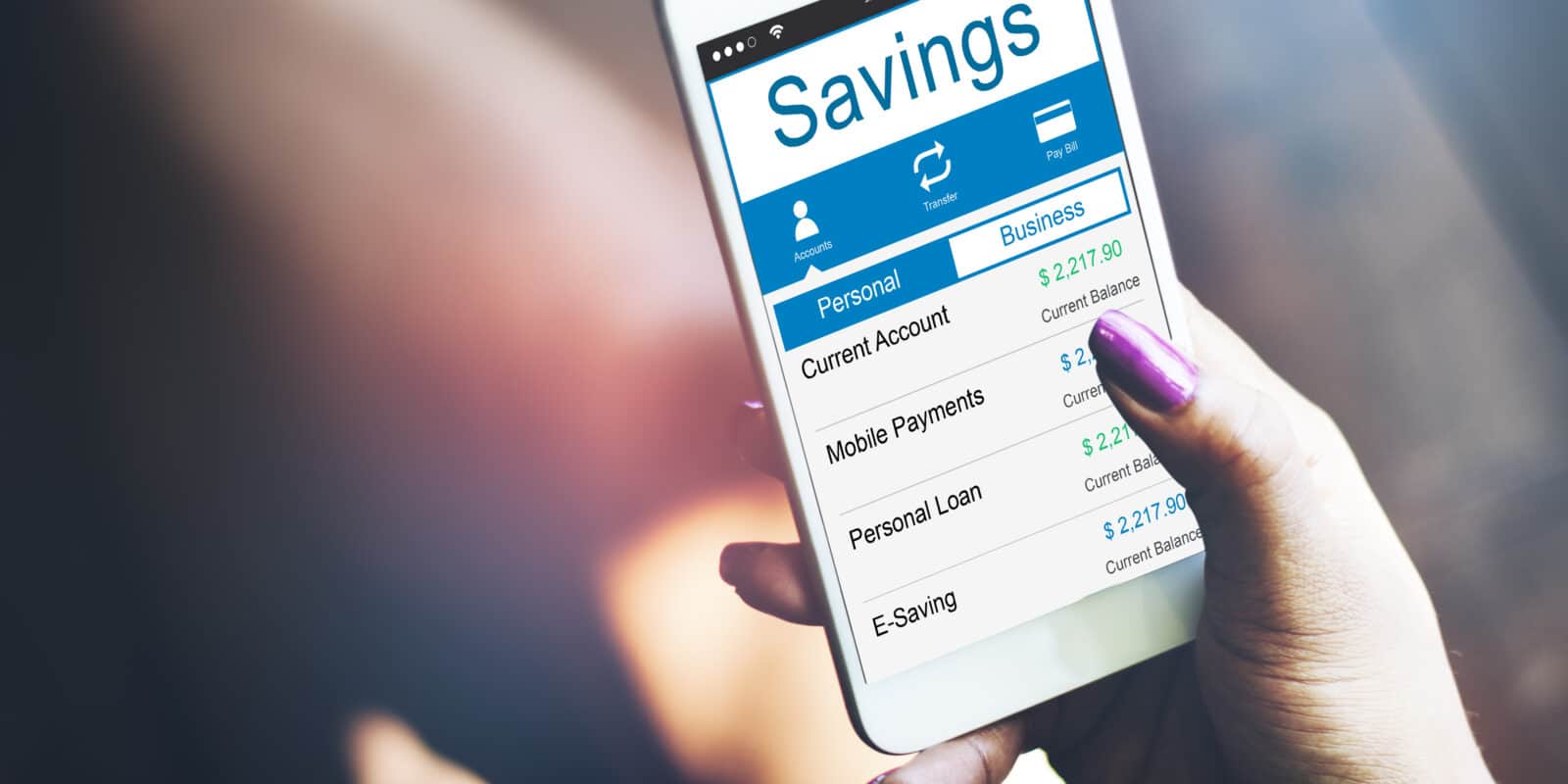
Most people follow a very simple but flawed math equation. They receive their salary, pay the rent, buy groceries, go out for dinner, and then save whatever is left over. The problem is that there is almost never anything left over. You have to flip the script. This is known as reverse budgeting. You treat your savings like a mandatory bill that you must pay before anything else.
The most effective way to do this is through automation. You can set up an automatic transfer from your checking account to your savings the very second your paycheck hits.
This removes the need for willpower. If you never see the money in your main account, you are much less likely to spend it on an impulse purchase. Start with 5 or 10 percent if you have to. The goal is to build the habit so your wealth grows without you even thinking about it.
Build your own financial safety net

Life is unpredictable. Jobs can be lost, and health can take a turn. Having a dedicated safety net means you never have to beg for help or go into high-interest debt just to survive.
Experts suggest saving at least 3 to 6 months’ living expenses. This fund should stay in a separate, easily accessible account that is strictly for emergencies.
When you have a cash cushion, you can make decisions based on what you want rather than what you are forced to do. It protects you from the leaky bucket effect of inflation, which erodes your purchasing power over time. Think of this fund as your personal insurance policy against the chaos of the world.
Keep financial access in your own name

Independence starts with a login. It is vital that you maintain your own banking profile, even if you are in a committed relationship. Cybercriminals are constantly looking for weak points, and sharing accounts or passwords increases your risk.
Always verify that your bank website uses a secure URL starting with https. This signifies that your data is encrypted and safe from theft.
Choose strong and unique passwords that do not include birthdays or common sequences like 123456. You should also set daily transfer limits on your accounts. This caps how much money can leave your account in a single day, which acts as a secondary shield if someone ever gains unauthorized access. Always log out properly after every session. It sounds simple, but it is a fundamental step in keeping your financial keys in your own hands.
Learn the basics of money management

You do not need a degree in finance to master your money. You just need to understand the blueprint. Start by calculating your net income, which is the money you actually take home after taxes. From there, track your fixed expenses like rent versus your variable expenses like coffee or clothes. A great starting point is the 50/30/20 rule: 50 percent for needs, 30 percent for wants, and 20 percent for savings or debt.
Budgeting is about direction. When you track your money, you move from feeling bad with money to seeing exactly where the gaps are. Managing your own budget reduces your reliance on others. It ensures you can handle your own life without falling into debt traps that disproportionately affect women.
Protect your right to financial independence

Financial autonomy is a right you must actively defend. This means setting clear short and long term goals with specific deadlines. It also means monitoring your credit score regularly. You can get free annual reports through sites like AnnualCreditReport.com. A strong credit score is your ticket to better rates on loans and insurance.
Eliminate high interest debt as fast as possible. Credit card debt is an anchor that prevents you from moving forward. By paying off your balance every month, you prevent interest from eating away at your wealth. You should also learn to negotiate for discounts and stay informed on tax laws. Being your own advocate is the best way to ensure your assets grow over time.
Invest early and consistently

Time is the most valuable asset you have. Because of compound interest, the money you invest in your 20s or 30s works much harder than money invested later. For example, a woman named Michelle who invests $3,000 a year starting at age 25 will have significantly more by age 60 than Alex, who starts at age 30 with the same amount. Michelle gains nearly $29,000 more just because she started five years earlier.
Investing is the only way to truly outpace inflation. If you just leave your money in a standard savings account, it loses value as prices for goods rise. Aim for returns that exceed the inflation rates, which were around 3.5 percent in the U.S. as of April 2024. Automate your contributions to retirement accounts and focus on stable stocks that pay dividends.
Know your numbers

You cannot manage what you do not measure. Financial literacy starts with knowing five core numbers: your monthly take-home income, your essential expenses, your debt balances, your savings, and your retirement contributions. When these numbers are abstract, they cause anxiety. When they are concrete, they become a plan.
Knowing your numbers builds confidence. It bridges the gender gap in financial literacy by replacing fear with facts. When you can see exactly how much you owe and what the interest rates are, you can tackle the problem deliberately. It prevents you from being blindsided by late fees or insufficient funds during a crisis.
Don’t rely on someone else as your money plan

Financial expert Shivani Gopal often shares the best advice she ever received: never rely on anyone else for your money. For her, financial independence was a liferaft that allowed her to rebuild her life after a divorce. Your education and your ability to earn are the only investments that no one can take away from you.
Be careful about delegating all financial decisions to a partner or an advisor. You should always review the paperwork and stay involved in the process. Self-education is your best defense against poor delegation. Independence gives you the power to leave unhappy situations or pivot in your career whenever you choose.
Talk openly about money

Silence about money only benefits the people who want to keep you from having it. Secrecy in relationships leads to mismatched expectations and hidden stress. Whether you are talking to a partner, a friend, or a professional, bringing money into the light makes it manageable. It reduces the isolation that often comes with debt or financial struggle.
Normalizing these conversations among women challenges outdated social norms. It makes it easier to ask for a raise, negotiate a contract, or share investment tips. If a partner refuses to let you see the accounts or blocks your access, that is a major red flag for financial abuse. Talking is the first step toward finding a solution and securing your autonomy.
Understand access to credit, savings, and banking

Access to financial systems is not equal around the world. Data from a World Bank report covering 139 countries shows huge disparities in who can get a loan or open an account. In many places, formal banking only reaches urban, salaried workers, leaving many women to rely on informal and risky services.
Understanding how these systems work allows you to navigate them better. Transparency and clear disclosure requirements help you choose better financial products. By using mobile technology and digital banking, we can overcome traditional barriers like distance or lack of physical branches. This systemic access is the foundation of economic opportunity.
Build long-term economic power

Building wealth in an unstable economy requires disciplined habits. You should focus on growing your net worth, which is simply your assets minus your debts. Spread your investments across diversified unit trusts or low-cost passive funds. This diversification protects you from the volatility of a single stock or industry.
In areas with high unemployment, entrepreneurship can be a powerful tool for wealth. Research the demand and the competition before jumping in, and seek expert support to build a sustainable business. By combining entrepreneurship with consistent saving and tax-efficient accounts, you build a foundation that can survive any economic downturn.
Key Takeaways
- Treat savings as a mandatory bill and automate the transfer on payday.
- Keep accounts in your own name and maintain strict digital security.
- Use the power of compound interest by investing as early as possible.
- Track your income, debt, and net worth to move from fear to facts.
- Talk openly about money to build literacy and prevent financial abuse.
Disclaimer – This list is solely the author’s opinion based on research and publicly available information. It is not intended to be professional advice.
Like our content? Be sure to follow us.