Why tipping is everywhere and the norm of post-pandemic in service industry
According to a 2023 Pew Research Center survey, 72% of U.S. adults say tipping is expected in more places today than it was five years ago. That is a massive shift in consumer sentiment.
Ted Rossman, a Senior Industry Analyst at Bankrate, hits the nail on the head when he calls this new wave of tipping a “hidden tax” on consumers. Basically, businesses keep menu prices lower by outsourcing fair wages to your generosity. It is awkward, everywhere, and the new normal.
The Norm Blew Up When Payments Went Digital

When tipping prompts jumped from restaurants to every touchscreen, tipping began to feel unavoidable. In the last decade, digital point‑of‑sale systems began suggesting tips in situations far beyond table service, from self‑checkout kiosks to coffee counters and mechanics.
Surveys show that 72% of Americans say they’re asked to tip service workers more frequently today than in the past, driven in part by payment design rather than social expectation. A Washington Post investigation into delivery apps found that just moving the tipping option to after purchase dramatically collapsed tip income, illustrating how interface design shapes behavior.
This digital nudge creates what researchers call “tip creep”, where consumers feel they must contribute a tip even without a service relationship. As a result, tipping is no longer a spontaneous act of appreciation; it’s built into the moments we pay.
Tipping Grew Into a Wage System That Outsources Employer Responsibility
In the U.S., tips don’t just reward service; they subsidize pay. Unlike most developed nations, American labor law allows employers to pay a tipped minimum wage far below the standard minimum wage, while counting tips toward legally required pay.
The federal Fair Labor Standards Act established that structure and left the subminimum wage at $2.13/hour since 1991. Research shows that this reliance on customer tips creates unstable income flows for workers and makes their earnings contingent on strangers rather than employers.
When wages are legally allowed to be so low, businesses must rely on tips to fill the gap, making tipping part of the wage system rather than a bonus. That’s how tipping spread across workplaces: it became an employer cost‑saving strategy.
Once Optional, Now Expected; Even When Service Is Minimal
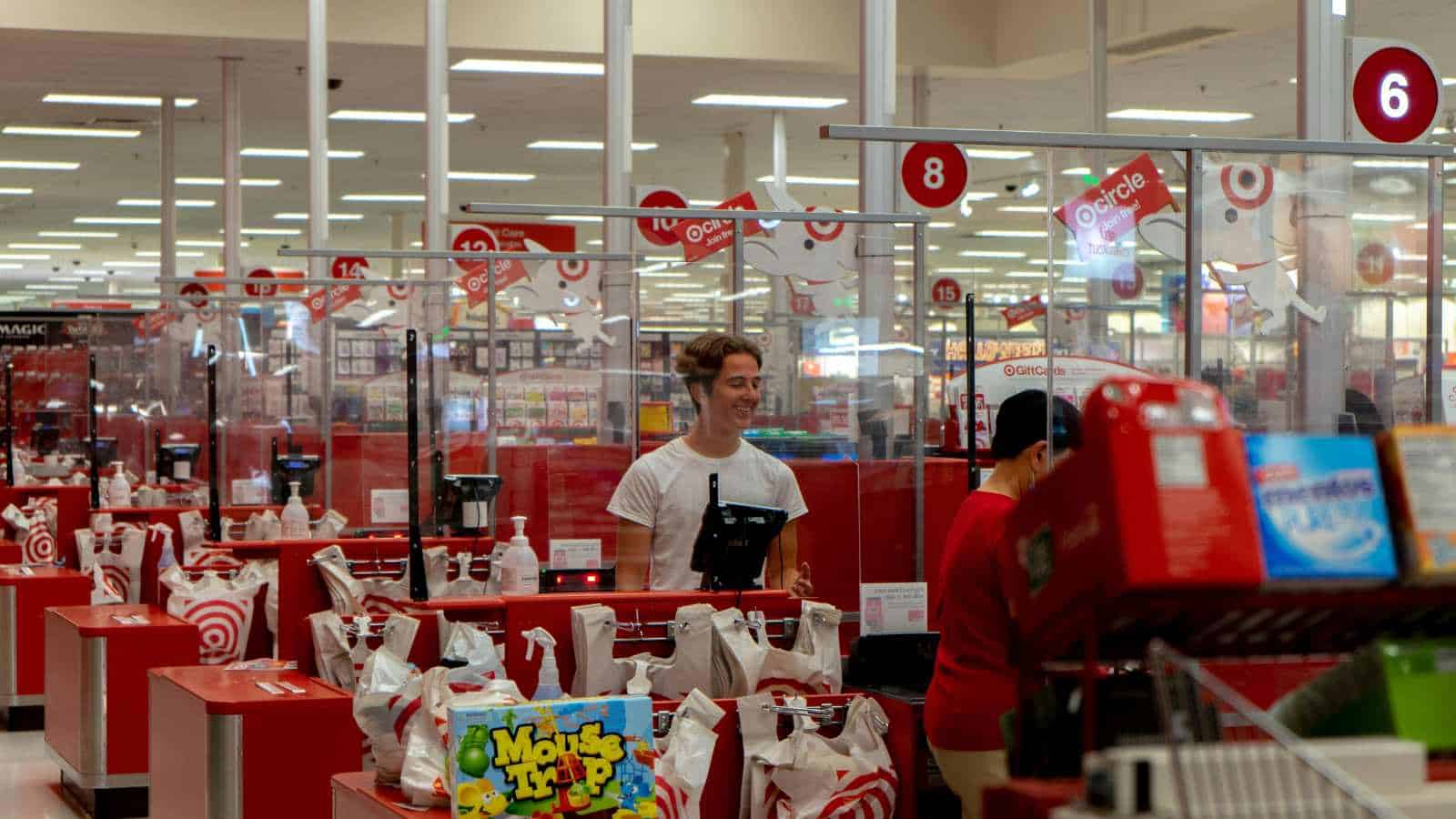
What was once a discretionary thank‑you now feels like a bill item. A growing number of Americans report tipping in places where it isn’t traditional, from fast food and food trucks to ride‑sharing and self‑service counters. Many consumers say they’ve left gratuity even when service was poor or when customary standards didn’t call for it, often out of guilt or social pressure.
A sizable portion of customers admit they would be willing to pay higher prices in exchange for eliminating tipping altogether, because it feels like a hidden fee on top of posted prices. This pressure stems partly from uncertainty about norm boundaries: customers can’t easily tell when tipping is expected, reinforcing its ubiquity. The result is that tipping tends to appear “everywhere” because customers are conditioned to cover pay gaps they would never authorize if prices were transparent.
Tipping Isn’t Really About Better Service
Despite the myth that extra money leads to extra effort, the evidence is weak. Behavioral science shows that many tipping decisions have little to do with service quality and more to do with conformity and convention.
Independent research notes that factors outside a server’s control, such as table size, payment type, and clientele demographics, influence tipping more than performance. Some studies even suggest that social pressure and conformity, not service quality, drive tipping behavior.
For example, research shared on psychology forums highlights that where social norms are stronger, average tips rise regardless of actual service. This undermines the core justification for tipping as an incentive system, yet the belief persists and that belief keeps tipping entrenched.
Tipping Amplifies Inequities, Not Merit

What customers tip is often less about effort and more about identity cues. Large‑scale analyses find inconsistent evidence of systematic race or gender bias in tipping, but other research, including labor policy briefs, shows that tipping systems correlate with broader wage inequality patterns.
More detailed economic analyses suggest that the very structure of tipped wages can encourage discriminatory hiring or compensation patterns, with some groups disproportionately represented in tipped roles. That means employee earnings can be influenced by factors unrelated to service, such as race or expected tip‑earning potential.
Although some studies find mixed effects when controlling for multiple variables, the risk of inequity is real because customer discretion replaces standardized pay. This makes tipping a lightning rod for debates about fairness and equality in labor markets.
Pandemic Shifts Normalized Broader Tipping
The COVID‑19 pandemic disrupted tipping expectations. Researchers at CSUN note that the pandemic heightened public awareness of service work, leading many to tip more broadly as an expression of gratitude.
Point‑of‑sale technologies and the rise of delivery and gig services during lockdowns further embedded tipping into new service relationships. Although some of these emergency practices receded, many tipping expectations persisted, now detached from their original, limited context.
As a result, tipping in marketplaces like delivery and hospitality became normalized far beyond dining rooms and bars. These shifts weren’t purely economic; they were cultural, reframing tipping as part of everyday consumption.
Consumers Are Growing Tipping Fatigue

Public sentiment is turning against its ubiquity of it.
Multiple recent surveys show that large majorities of Americans feel tipping norms have gone too far, especially outside traditional settings. A WalletHub study finds that many tip under pressure rather than by intention, and a significant share would rather see tipping replaced with transparent pricing and fair wages.
Another survey reports that consumers make substantial “unnecessary” tip payments and feel uncomfortable with prompts. That backlash itself is evidence of how prevalent tipping has become, to the point that it’s now seen as an out‑of‑control norm rather than a voluntary courtesy.
Employers Use Tipping to Keep Menu Prices Low
Behind the scenes, tipping functions as a wage subsidy. Instead of raising prices to cover full wages, many businesses advertise low base costs and let customers fill the gap with tips. This strategy hides the true cost of labor and makes tipping feel like a natural complement to low prices.
In some cases, service charges or “living wage fees” appear on bills as another workaround for rising labor costs, sparking backlash over hidden pricing. Economists note that tipping, coupled with subminimum wage laws, encourages employers to offload wage responsibility. That combination makes tipping function less like discretionary gratuity and more like a necessary price component, reinforcing its ubiquity.
Social Norms Reinforce Each Other Across Contexts

Once tipping crossed one boundary, it quickly crossed many more. As restaurants asked for tips and customers complied, bordering sectors, delivery, ride‑hailing, and retail checkout adopted similar practices.
Behavioral studies show that once a norm becomes common in one domain, it makes nearby domains more receptive to similar conventions. Larger tip credits in a region also correlate with higher average tipping behavior, suggesting that institutional structures and cultural norms reinforce one another. What began as a narrow custom spread by social learning now appears in unexpected places, making tipping seem like a default behavior.
The Future May Be a Choice Between Transparency or More Tipping
The tipping debate is forcing a reckoning with fairness and pricing transparency. Public frustration and labor activism are spurring proposals to eliminate subminimum tipped wages entirely, though economists disagree on the outcomes.
Some argue that tipping should remain because it increases overall earnings for tipped workers; others see it as a structural distortion that should be replaced with fair wages.
Meanwhile, consumers continue to push back against automatic tipping prompts and opt for businesses that don’t rely on tips. Whether tipping remains pervasive or recedes will hinge on policy, corporate practice, and cultural change, but its current ubiquity is rooted in law, technology, and social expectations.
Key takeaways
- Tipping has become systemic: Once voluntary, tipping is now expected in many contexts due to technology, labor law, and social norms.
- Tips subsidize wages: Businesses rely on customer gratuities to fill legally low or subminimum wages, externalizing labor costs.
- Performance is a weak predictor: Factors like race, gender, attractiveness, and social pressure influence tips more than service quality.
- Hidden fees and moral pressure: Tipping inflates perceived affordability, creates moral dilemmas for customers, and adds income volatility for workers.
- Technology amplifies the trend: Digital prompts, default percentages, and point-of-sale nudges drive tipflation and tip creep, embedding tipping everywhere.
Disclosure line: This article was written with the assistance of AI and was subsequently reviewed, revised, and approved by our editorial team.
Like our content? Be sure to follow us